

Why Treat Workplace Injuries: Lasting Impact in Ottawa
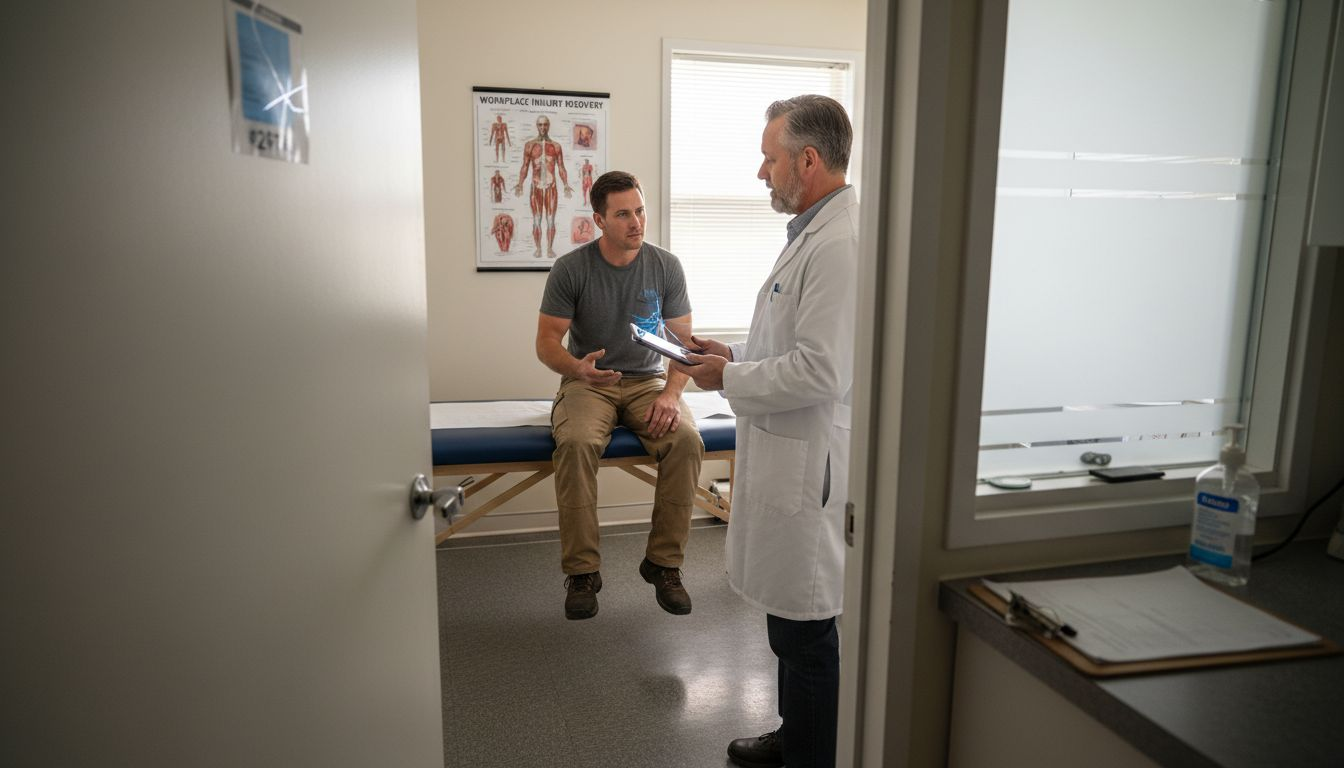
Workplace injuries disrupt both daily routines and long-term health for employees throughout Ottawa. The effects go beyond the immediate pain, impacting confidence and creating stress about future job performance. Musculoskeletal injuries are among the most common and challenging issues in Canadian workplaces, often developing from repetitive tasks or awkward positions. This article will clarify misconceptions, highlight practical prevention strategies, and offer evidence-based treatment approaches to support your recovery and help you return to work safely.
Table of Contents
Key Takeaways
Point | Details |
Holistic Prevention Approach | Comprehensive injury prevention should address both physical and psychological workplace dynamics to effectively reduce risks. |
Importance of Early Intervention | Prompt treatment and rehabilitation can significantly decrease recovery time and prevent long-term complications related to workplace injuries. |
Legal Responsibilities | Employers must adhere to workplace health and safety regulations to mitigate risks and protect employee well-being. |
Financial Implications of Delayed Treatment | Delays in treatment can lead to substantial direct and indirect costs for organizations, emphasizing the need for proactive injury management systems. |
Workplace Injuries: Essential Facts and Misconceptions
Workplace injuries represent more than just physical accidents - they are complex incidents with wide-ranging consequences for employees and employers across Canadian industries. Understanding these incidents requires moving beyond simplistic perspectives and recognizing the multifaceted nature of workplace health and safety.
The Canadian Centre for Occupational Health and Safety highlights that workplace injuries stem from numerous interconnected factors beyond individual error. These typically include:
Human error and unsafe work practices
Equipment malfunctions
Inadequate safety training
Poor workplace environmental conditions
Insufficient risk management protocols
Contrary to popular misconceptions, workplace injuries are not random occurrences but predictable outcomes of systemic workplace challenges. Psychological impacts are often overlooked, yet they can be as significant as physical trauma. Employees experiencing workplace injuries frequently encounter:
Reduced confidence in job performance
Increased anxiety about workplace safety
Potential long-term mental health complications
Financial stress from potential income disruption
Comprehensive injury prevention requires a holistic approach that addresses both physical and psychological workplace dynamics. Occupational health resources emphasize creating robust safety cultures through continuous education, proactive risk assessments, and strategic workplace design.
Workplace safety is not about eliminating all risks, but systematically managing and mitigating potential hazards.
Legal and financial consequences further underscore the importance of injury prevention. Beyond immediate medical expenses, workplace injuries can trigger:
Workers’ compensation claims
Potential litigation
Increased insurance premiums
Productivity losses
Potential reputation damage for organizations
Pro tip: Conduct regular, comprehensive workplace safety audits and maintain meticulous documentation of all safety protocols and training sessions to minimize potential liability and protect employee wellbeing.
Types of Musculoskeletal Workplace Injuries in Canada
Musculoskeletal injuries (MSIs) represent a significant challenge for Canadian workplaces, affecting employees across diverse industries and causing substantial economic and personal disruption. Workplace musculoskeletal disorders encompass a broad range of conditions that impact muscles, tendons, ligaments, nerves, and soft tissues.
These complex injuries typically manifest in several primary categories:
Upper Extremity Injuries
Carpal tunnel syndrome
Tendonitis in wrists and elbows
Repetitive strain injuries
Spinal and Back Disorders
Chronic lower back pain
Disc herniation
Muscle strains
Neck and Shoulder Conditions
Tension neck syndrome
Rotator cuff injuries
Cervical spine strain
The Canadian Centre for Occupational Health and Safety indicates that these injuries often develop gradually through repetitive motions, forceful exertions, and sustained awkward postures. Workers in industries such as construction, healthcare, manufacturing, and office environments are particularly vulnerable.
Musculoskeletal injuries are not random occurrences but predictable outcomes of workplace ergonomic challenges.
Risk factors contributing to these injuries include:
Repetitive task performance
Heavy lifting and manual handling
Prolonged static postures
Insufficient ergonomic workplace design
Limited physical conditioning
Comprehensive prevention requires understanding individual injury mechanisms and implementing targeted intervention strategies that address both workplace design and employee physical capabilities.

Pro tip: Conduct regular ergonomic assessments and provide employees with comprehensive training on proper body mechanics and workplace movement techniques to proactively reduce musculoskeletal injury risks.
How Prompt Treatment Supports Recovery and Return
Early intervention is the cornerstone of effective workplace injury management, transforming potential long-term disability into successful recovery pathways. Early treatment strategies play a crucial role in minimizing chronic health complications and supporting employees’ return to work.
The recovery process involves several critical components:
Immediate medical assessment
Comprehensive functional evaluation
Tailored rehabilitation planning
Ongoing communication between healthcare providers
Workplace accommodation strategies
Progressive return-to-work protocols
Understanding the early intervention benefits reveals significant advantages for both employees and employers. Prompt treatment helps identify injury severity, direct appropriate care, and develop targeted rehabilitation strategies that accelerate recovery and minimize workplace disruption.
Timely medical intervention transforms potential disability into an opportunity for comprehensive healing and professional restoration.
Key benefits of rapid treatment include:
Reduced recovery duration
Lower risk of chronic complications
Maintained employee morale
Minimized workplace productivity loss
Enhanced communication between stakeholders
Successful recovery requires a collaborative approach that integrates medical expertise, workplace support, and personalized rehabilitation strategies. By prioritizing early intervention, organizations can create a supportive environment that facilitates employee healing and successful workplace reintegration.
Pro tip: Develop a standardized early intervention protocol that ensures immediate medical assessment, clear communication channels, and structured return-to-work strategies for injured employees.
Legal Obligations for Injury Management in Ontario
Workplace injury management in Ontario involves complex legal frameworks designed to protect both employees and employers. Workplace health and safety regulations establish clear guidelines that define responsibilities, rights, and mandatory procedures for injury prevention and management.
Key legal obligations for employers include:
Implementing comprehensive workplace safety programs
Conducting regular risk assessments
Providing mandatory safety training
Maintaining detailed incident reporting systems
Ensuring proper safety equipment availability
Promptly addressing workplace hazards
The Occupational Health and Safety Act (OHSA) outlines specific requirements for workplace injury management. Legal compensation frameworks provide critical protections for workers, ensuring they receive appropriate medical support and financial compensation for workplace injuries.
Ontario’s injury management laws prioritize worker protection and systematic workplace safety improvement.
Critical legal responsibilities involve multiple stakeholders:
Employers must report serious incidents to the Ministry of Labour
Workers have the right to refuse unsafe work
Workplace Safety and Insurance Board (WSIB) manages compensation claims
Employers must provide comprehensive incident documentation
Medical professionals must submit detailed injury reports
Navigating these legal obligations requires a proactive approach that balances worker protection with organizational accountability. Understanding the intricate legal landscape helps prevent workplace injuries and ensures appropriate support when incidents occur.
Pro tip: Develop a comprehensive workplace injury management policy that clearly outlines reporting procedures, worker rights, and employer responsibilities to ensure legal compliance and employee protection.
Financial and Human Costs of Delayed Treatment
Workplace injuries represent far more than isolated medical incidents, encompassing complex financial and personal consequences that ripple through organizations and individual lives. Workplace injury statistics reveal staggering economic implications, with over 270,000 lost-time claims annually creating substantial systemic burdens.
The comprehensive financial impacts include:
Direct medical treatment expenses
Workers’ compensation claim costs
Recruitment and retraining expenditures
Potential legal fees
Decreased organizational productivity
Increased insurance premiums
Indirect costs often surpass direct expenses, creating long-term organizational challenges. Hidden injury costs extend beyond immediate financial measurements, encompassing psychological and operational disruptions that can fundamentally compromise workplace performance.
Delayed treatment transforms temporary injuries into potentially permanent disability challenges.
Human costs of delayed treatment manifest through multiple dimensions:
Prolonged physical recovery periods
Increased chronic pain potential
Mental health deterioration
Career trajectory interruption
Personal financial stress
Understanding these multifaceted consequences requires recognizing injury management as a holistic process involving medical, psychological, and economic considerations. Organizations that prioritize prompt, comprehensive treatment demonstrate superior long-term resilience and employee well-being.
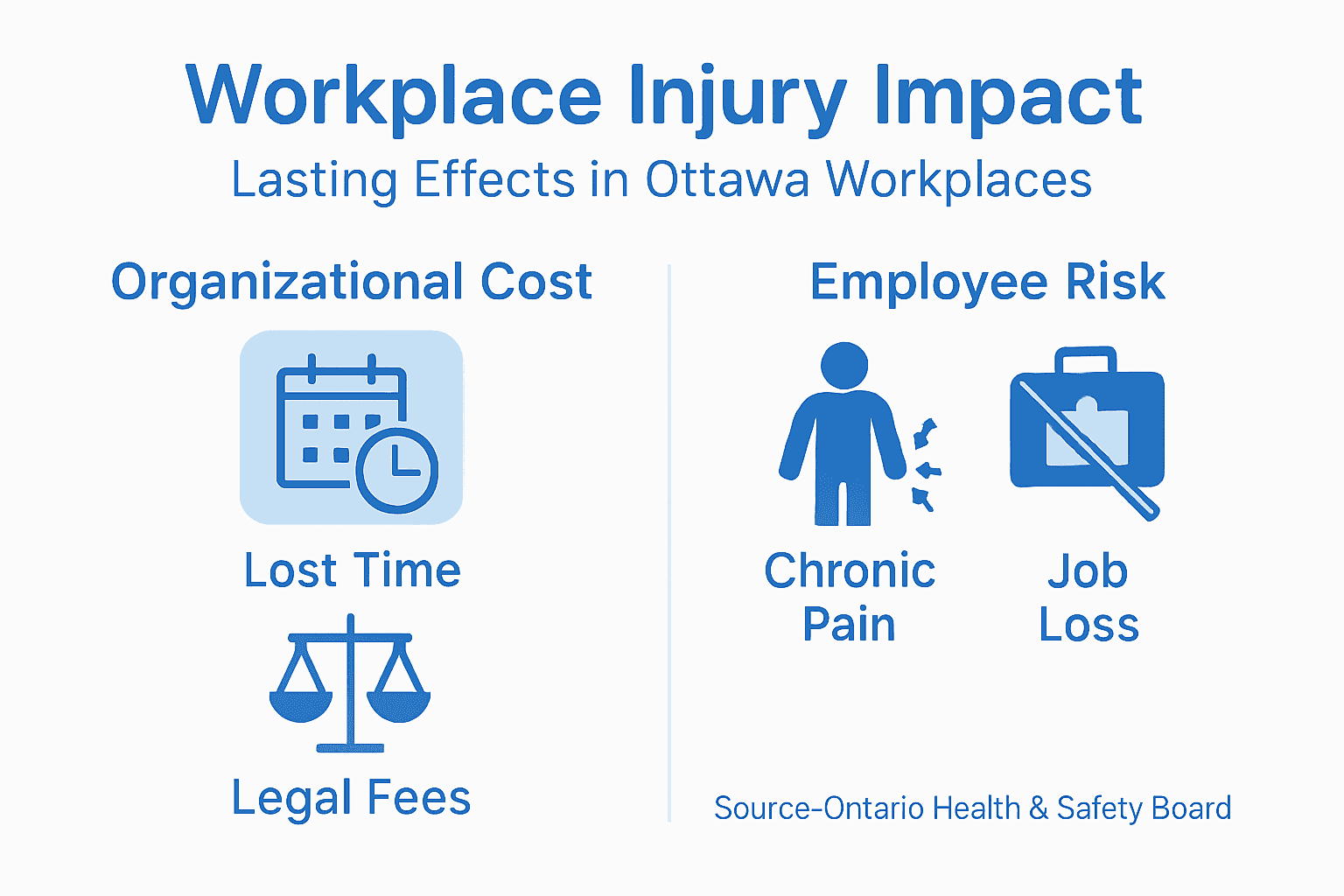
Here’s a summary of how delayed workplace injury treatment affects both organizations and employees:
Consequence Type | Organisational Impact | Employee Impact | Long-Term Risks |
Financial | Increased claims and insurance | Loss of personal income | Higher operating costs |
Human | Decreased morale and retention | Greater stress, prolonged pain | Mental health and absenteeism |
Legal | Risk of litigation, reputation loss | Navigating claims, reduced trust | Future regulatory scrutiny |
Operational | Lower productivity, disruption | Interrupted career trajectory | Difficulty attracting talent |
Pro tip: Implement a proactive injury reporting and management system that emphasizes immediate assessment, documentation, and supportive intervention to minimize both financial and human costs.
Prevention of Chronic Issues and Future Injuries
Workplace injury prevention represents a proactive approach to protecting employees’ long-term health and organizational productivity. Workplace injury prevention strategies focus on systematically reducing risk factors and creating sustainable workplace environments that minimise potential health complications.
Comprehensive prevention strategies encompass multiple critical dimensions:
Ergonomic workstation design
Job rotation techniques
Regular movement and stretch breaks
Advanced equipment and tool modifications
Ongoing employee training programs
Early intervention medical assessments
The most effective prevention approaches integrate physical, psychological, and organizational considerations. Workplace prevention frameworks emphasize creating holistic safety cultures that prioritize worker well-being and systematically address potential injury risks.
Prevention is not about eliminating all risks, but intelligently managing potential workplace health challenges.
Key prevention strategies include:
Implementing comprehensive risk assessments
Developing tailored ergonomic intervention plans
Providing continuous employee education
Establishing clear reporting mechanisms
Promoting proactive health monitoring
Successful injury prevention requires collaborative efforts between employers, employees, and healthcare professionals. By adopting a forward-thinking approach, organizations can significantly reduce the likelihood of chronic workplace injuries and support long-term employee health.
Below is a reference table outlining best practices for preventing chronic workplace injuries:
Prevention Strategy | Workplace Benefit | Employee Benefit | Implementation Tip |
Ergonomic workstation design | Fewer repetitive injuries | Improved comfort and health | Involve staff in workstation setup |
Job rotation techniques | Reduces task monotony | Less strain, skill variety | Schedule rotation regularly |
Stretch and movement breaks | Higher productivity | Enhanced physical wellbeing | Set automated break reminders |
Continuous safety education | Safer work environment | Knowledge to avoid risks | Integrate training into onboarding |
Early medical assessments | Quicker issue resolution | Faster recovery | Partner with occupational clinics |
Pro tip: Conduct quarterly ergonomic assessments and provide employees with personalized movement and stretching guidance to proactively mitigate potential injury risks.
Take Control of Your Workplace Injury Recovery in Ottawa
Workplace injuries can have lasting physical and psychological impacts that disrupt your life and work. If you are struggling with pain, reduced mobility, or anxiety about returning to your job, addressing these problems early is critical. At Integrate Ottawa, our expert team focuses on musculoskeletal health using evidence-based physiotherapy, chiropractic care, and massage therapy to help you recover fully and prevent chronic issues.
Start your journey toward faster recovery and long-term wellness today by booking an appointment. Discover how a personalized treatment plan can transform your healing experience and support your safe return to work. Learn more about our comprehensive services and trusted collaborative care approach at Integrate Ottawa. Don’t wait until complications arise. Visit https://integrateottawa.ca now to take the first step toward feeling better and regaining your confidence.
Frequently Asked Questions
What are the common types of workplace injuries that require treatment?
Common workplace injuries include musculoskeletal injuries, upper extremity injuries, spinal and back disorders, and psychological impacts stemming from workplace incidents.
Why is early treatment important for workplace injuries?
Early treatment helps to minimize recovery time, reduce the risk of chronic complications, and maintain employee morale by facilitating prompt rehabilitation and return to work.
What legal obligations do employers have regarding workplace injury management?
Employers must implement comprehensive safety programs, conduct regular risk assessments, provide safety training, maintain incident reporting systems, and address workplace hazards promptly.
How can organizations prevent chronic issues related to workplace injuries?
Organizations can prevent chronic injuries by creating ergonomic workplaces, encouraging job rotation, offering regular movement breaks, and providing ongoing employee training on safety and health practices.
Recommended
Comments