

7 Essential Tips for Preventing Musculoskeletal Injuries
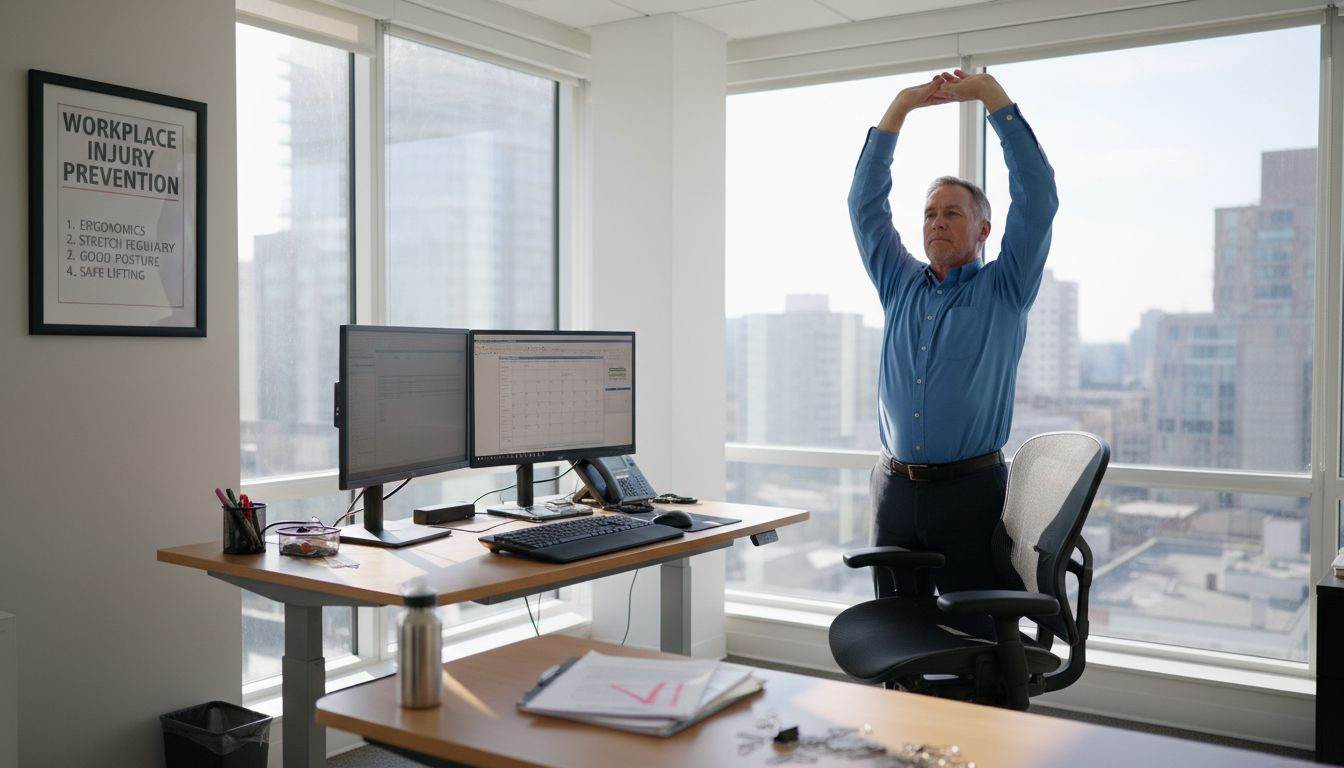
Muscle aches and strains often leave you wondering what could have been done differently. Whether you work at a desk, lift heavy objects, or enjoy sports, your daily routines may put more stress on your body than you realize. These strains and small aches, if ignored, can quickly turn into lasting injuries that slow you down and disrupt your life.
The great news is that preventing musculoskeletal injuries is within your control. By using workplace safety insights from Canadian experts, you can protect your body and stay active longer. Simple changes to how you move, stretch, and set up your spaces can make daily tasks feel easier and safer.
Get ready to uncover proven prevention strategies that go beyond generic advice. These practical tips will show you how to take charge of your physical health, reduce pain, and keep injuries from happening in the first place.
Table of Contents
Quick Summary
Key Message | Explanation |
1. Implement Warm-Up and Cool-Down Routines | Proper warm-up and cool-down can reduce injury risks by up to 40%. Spend 10-15 minutes on these before and after workouts. |
2. Maintain Correct Posture and Body Mechanics | Proper posture can decrease workplace injuries by 50%. Align your body and distribute weight evenly during activities. |
3. Incorporate Strength and Flexibility Exercises | Regular strength and flexibility exercises can lower injury risk by up to 60%. Aim to engage in these routines at least three times weekly. |
4. Optimize Your Workspace Ergonomics | Ergonomic setups can cut injury risks in half. Adjust chairs and equipment to support proper body alignment during work. |
5. Seek Early Attention for Discomfort | Addressing pain early can prevent 70% of long-term musculoskeletal issues. Keep a pain journal and consult professionals when needed. |
1. Practice Proper Warm-Up and Cool-Down Routines
Musculoskeletal injuries can often be prevented by implementing strategic warm-up and cool-down routines before and after physical activity. Understanding how to prepare and recover your muscles can dramatically reduce your risk of strain and potential long-term damage.
When you engage in physical tasks that involve repetitive movements or lifting, your muscles and joints are particularly vulnerable to injury. The Canadian government’s workplace safety guidelines emphasize the critical importance of properly conditioning your body before and after exercise.
Effective warm-up routines should include several key components:
Gradually increasing heart rate
Raising muscle temperature
Improving joint flexibility
Enhancing blood circulation
A proper warm-up prepares your body for more intense physical activity by slowly activating muscle groups and increasing your overall mobility. The Royal Canadian Air Cadets instructional guide recommends dynamic stretching and light cardiovascular movements to achieve this goal.
Proper warm-up and cool-down routines can reduce musculoskeletal injury risk by up to 40%.
Cool-down exercises are equally important. They help your body transition back to its resting state, allowing muscles to recover and preventing potential stiffness or soreness. This process involves gentle stretching, gradual reduction of physical intensity, and helping your heart rate return to normal.
Key cool-down strategies include:
Static stretching
Slow walking or light movement
Deep breathing exercises
Hydration
Pro tip: Allocate 10-15 minutes for comprehensive warm-up and cool-down routines, treating them as integral parts of your workout rather than optional activities.
2. Focus on Correct Posture and Body Mechanics
Posture and body mechanics are foundational to preventing musculoskeletal injuries and maintaining long-term physical health. Your body’s alignment during daily activities can significantly impact your risk of strain and potential chronic pain.
Correct body mechanics involve understanding how to move and position your body to minimise unnecessary stress on muscles and joints. Poor posture creates uneven pressure distribution that can lead to chronic discomfort and potential long-term damage.
Key components of proper body mechanics include:
Maintaining neutral spine alignment
Distributing body weight evenly
Engaging core muscles during movement
Avoiding awkward or extreme body positions
The Canadian Centre for Occupational Health and Safety emphasizes the importance of ergonomic strategies in reducing musculoskeletal disorders. Posture assessment techniques can help individuals identify and correct potential problem areas before they develop into more serious conditions.
Proper body mechanics can reduce workplace injury risks by up to 50%.
Understanding how to lift objects correctly is particularly crucial. This means bending at the knees not the waist keeping objects close to your body and avoiding twisting movements while carrying weight.
Practical posture improvement strategies:
Set up workstations with ergonomic considerations
Use chairs that support natural spine curvature
Take regular movement breaks
Practice strength and flexibility exercises
Pro tip: Imagine a straight line running through your body from ears to ankles and consciously align yourself throughout the day to maintain optimal posture.
3. Incorporate Strength and Flexibility Exercises
Strength and flexibility exercises are fundamental components of preventing musculoskeletal injuries and maintaining optimal physical health. These targeted exercises build resilience in your muscles and connective tissues while enhancing your body’s overall mobility and performance.
Physiotherapy exercises play a crucial role in developing muscular support and joint stability. The Canadian government’s health and safety guidelines highlight how strategic exercise can significantly reduce injury risks by improving muscle tone and range of motion.
Key benefits of strength and flexibility training include:
Supporting joint health
Improving muscle balance
Enhancing body coordination
Reducing injury susceptibility
Specifically designed exercise routines can address individual muscle groups and movement patterns. By targeting both strength and flexibility concurrently you create a comprehensive approach to musculoskeletal protection.
Consistent strength and flexibility exercises can decrease injury risk by up to 60%.
Muscle groups require balanced development to prevent potential strain or overcompensation. This means incorporating both resistance training and dynamic stretching techniques that promote functional movement.
Essential exercise strategies:
Include both bodyweight and resistance training
Practice dynamic stretching before activities
Focus on full range of motion exercises
Gradually increase exercise intensity
Pro tip: Aim to integrate strength and flexibility exercises at least three times per week focusing on gradual progression and proper technique.
4. Use Ergonomic Workspaces and Tools
Ergonomic workspaces and tools are critical in preventing musculoskeletal injuries by reducing unnecessary physical strain and promoting healthier movement patterns. Your work environment directly impacts your body’s long-term health and performance.
The Office Ergonomics Safety Guide emphasizes how strategic workspace design can significantly minimise potential injury risks. Proper ergonomic setups go beyond mere comfort they represent a proactive approach to maintaining physical wellness.
Key ergonomic considerations include:
Adjustable chair height and lumbar support
Proper monitor positioning
Keyboard and mouse placement
Adequate workspace dimensions
Canadian Occupational Health and Safety Regulations mandate employers to identify and mitigate ergonomic hazards. This means creating environments that support natural body mechanics and reduce repetitive strain.
Ergonomic interventions can reduce workplace injury risks by up to 50%.
Workspace design should account for individual variations in body type height and work tasks. This personalised approach ensures that tools and equipment support your unique physical requirements.
Practical ergonomic implementation strategies:
Use standing desks or adjustable workstations
Invest in ergonomic chairs with proper support
Position computer screens at eye level
Take regular movement breaks
Pro tip: Conduct a personal workspace assessment every six months and make incremental adjustments to maintain optimal ergonomic conditions.
5. Listen to Your Body and Avoid Overuse
Understanding your body’s signals and recognising early signs of potential musculoskeletal strain are critical steps in preventing long-term injuries. Your physical well-being depends on learning to interpret and respond to subtle discomfort and fatigue.
Sports injury prevention strategies require keen self-awareness and proactive management. Statistics Canada highlights that repetitive strain often develops from continuous activities without adequate recovery periods.
Key warning signs of potential overuse include:
Persistent muscle or joint pain
Reduced range of motion
Unusual muscle weakness
Recurring stiffness
Canadian workplace safety guidelines emphasize the importance of recognising early symptoms and implementing immediate interventions. Pushing through pain can transform a minor discomfort into a significant long-term injury.
Listening to your body is the first line of defence against musculoskeletal injuries.
Physical activities require a balanced approach that respects your body’s natural limits. This means understanding the difference between healthy exertion and potentially harmful strain.
Practical body awareness strategies:
Track your physical responses during activities
Practice regular self-assessment
Modify activities when experiencing discomfort
Allow adequate recovery time between intense sessions
Pro tip: Maintain a daily physical journal to track your body’s responses and identify patterns of potential strain before they become serious injuries.
6. Seek Early Professional Care for Discomfort
Musculoskeletal discomfort should never be ignored or dismissed as a minor inconvenience. Prompt professional intervention can mean the difference between a quick recovery and a prolonged injury that significantly impacts your quality of life.
The early intervention approach is crucial in preventing minor issues from escalating into serious musculoskeletal conditions. Canadian healthcare guidelines consistently emphasize the importance of seeking professional assessment at the first sign of persistent pain or physical discomfort.
Early professional care offers multiple benefits:
Accurate diagnosis of underlying conditions
Prevention of potential long-term damage
Customised treatment strategies
Reduced recovery time
Veterans Affairs Canada highlights that timely medical evaluation can limit functional loss and improve overall recovery outcomes. This principle applies not just to veterans but to anyone experiencing musculoskeletal challenges.
Addressing discomfort early can prevent 70% of potential long-term musculoskeletal complications.
Professional healthcare providers can offer comprehensive assessments that go beyond surface-level symptoms. They employ diagnostic techniques that identify root causes of discomfort and develop targeted intervention strategies.
Steps for seeking professional care:
Document your symptoms thoroughly
Schedule an appointment promptly
Prepare a detailed medical history
Be prepared to discuss lifestyle and activity levels
Pro tip: Create a digital or physical pain journal documenting the location intensity and duration of your discomfort to provide healthcare professionals with precise diagnostic information.
7. Maintain a Regular Preventive Health Routine
Preventive health routines are not just optional extras they are essential strategies for maintaining long-term musculoskeletal wellness. Consistent proactive approaches can significantly reduce injury risks and enhance overall physical resilience.
Musculoskeletal health research emphasizes the importance of integrating regular preventive practices into your daily life. These routines go beyond occasional exercise they represent a comprehensive approach to physical well-being.
Key components of a preventive health routine include:
Regular physical activity
Balanced nutrition
Consistent sleep patterns
Stress management techniques
Regular professional health assessments
The Canadian government’s injury prevention guidelines highlight that systematic health maintenance can dramatically reduce the probability of developing chronic musculoskeletal conditions.
Consistent preventive health routines can reduce injury risks by up to 65%.
A comprehensive preventive routine requires holistic consideration of your physical and mental well-being. This means understanding how different lifestyle factors interconnect and influence your overall health.
Practical preventive routine strategies:
Schedule regular physiotherapy check-ups
Develop a consistent exercise programme
Practice mindful movement techniques
Monitor and adjust your routine periodically
Pro tip: Create a quarterly health review calendar to track your physical progress and adjust your preventive strategies systematically.
Below is a comprehensive table summarizing key practices and strategies for preventing musculoskeletal injuries as discussed in the article.
Topic | Strategy | Benefits |
Warm-Up and Cool-Down | Implement gradual cardiovascular and flexibility exercises during warm-up and static stretching during cool-down | Reduced injury risk by up to 40% |
Proper Posture and Body Mechanics | Maintain neutral spine alignment and distribute weight evenly during movements | Decreased chronic discomfort and workplace injuries by up to 50% |
Strength and Flexibility Exercises | Engage in resistance training and stretching three times weekly | Improved muscle balance and reduced injury risk by up to 60% |
Ergonomic Workspaces | Customise workspaces with adjustable tools and ergonomic setups | Minimized physical strain and improved productivity |
Body Awareness | Monitor discomfort and modify activity when needed | Prevented long-term injuries by recognising early signs |
Early Professional Care | Seek timely medical assistance for musculoskeletal discomfort | Reduced potential complications and recovery times |
Preventive Health Routines | Maintain physical activity, proper nutrition, and regular check-ups | Enhanced overall resilience and reduced injury risks by up to 65% |
Take Control of Your Musculoskeletal Health with Expert Care
Preventing musculoskeletal injuries requires more than just knowledge it calls for personalised, evidence-based support that adapts to your body’s needs. Whether you are struggling with persistent discomfort, seeking advice on proper posture, or looking to build strength and flexibility, understanding when to seek professional care can make all the difference. Key challenges like recognising early signs of strain or establishing effective warm-up routines are common concerns that our integrated healthcare team specialises in addressing.
Start your journey toward lasting musculoskeletal wellness today by exploring the comprehensive services at Integrate Ottawa. From targeted physiotherapy exercises to ergonomic workspace recommendations and early intervention treatments, we provide collaborative care designed to reduce injury risk and enhance your quality of life. Don’t wait until discomfort worsens take action now and book an appointment to experience patient-centred care tailored for your unique needs at Integrate Ottawa. Learn more about how our team supports your health every step of the way by visiting our homepage and discover solutions that keep you moving safely.
Frequently Asked Questions
What are the best warm-up exercises to prevent musculoskeletal injuries?
To prevent musculoskeletal injuries, effective warm-up exercises include dynamic stretching, light cardiovascular activities, and gradually increasing your heart rate. Allocate 10-15 minutes before any physical activity to properly prepare your muscles and joints.
How can I improve my posture to reduce the risk of injury?
Improving your posture involves maintaining a neutral spine alignment, distributing your body weight evenly, and keeping your core engaged. Regularly assess your posture throughout the day, especially when sitting or lifting objects, to enhance your body mechanics and reduce injury risk.
What are some essential strength and flexibility exercises for injury prevention?
Incorporate bodyweight and resistance training, along with dynamic stretching, to enhance strength and flexibility. Aim to perform these exercises at least three times a week to build resilience in your muscles and reduce injury susceptibility.
How often should I conduct ergonomic assessments at my workspace?
Conduct personal workspace assessments every six months to ensure that your ergonomic setup supports your body mechanics effectively. Make adjustments to your chair height, computer monitor position, and tool placement to minimise strain and enhance comfort.
What are the early signs of overuse injuries I should watch for?
Key signs of potential overuse injuries include persistent muscle or joint pain, reduced range of motion, and recurring stiffness. Listen to your body and modify activities if you experience discomfort to prevent long-term complications.
When should I seek professional care for musculoskeletal discomfort?
You should seek professional care for musculoskeletal discomfort as soon as you notice persistent pain or unusual muscle weakness. Timely intervention can prevent minor issues from escalating into serious conditions and improve your recovery outcomes.
Recommended
Comments