

7 Rehabilitation Best Practices 2025 for Lasting Recovery
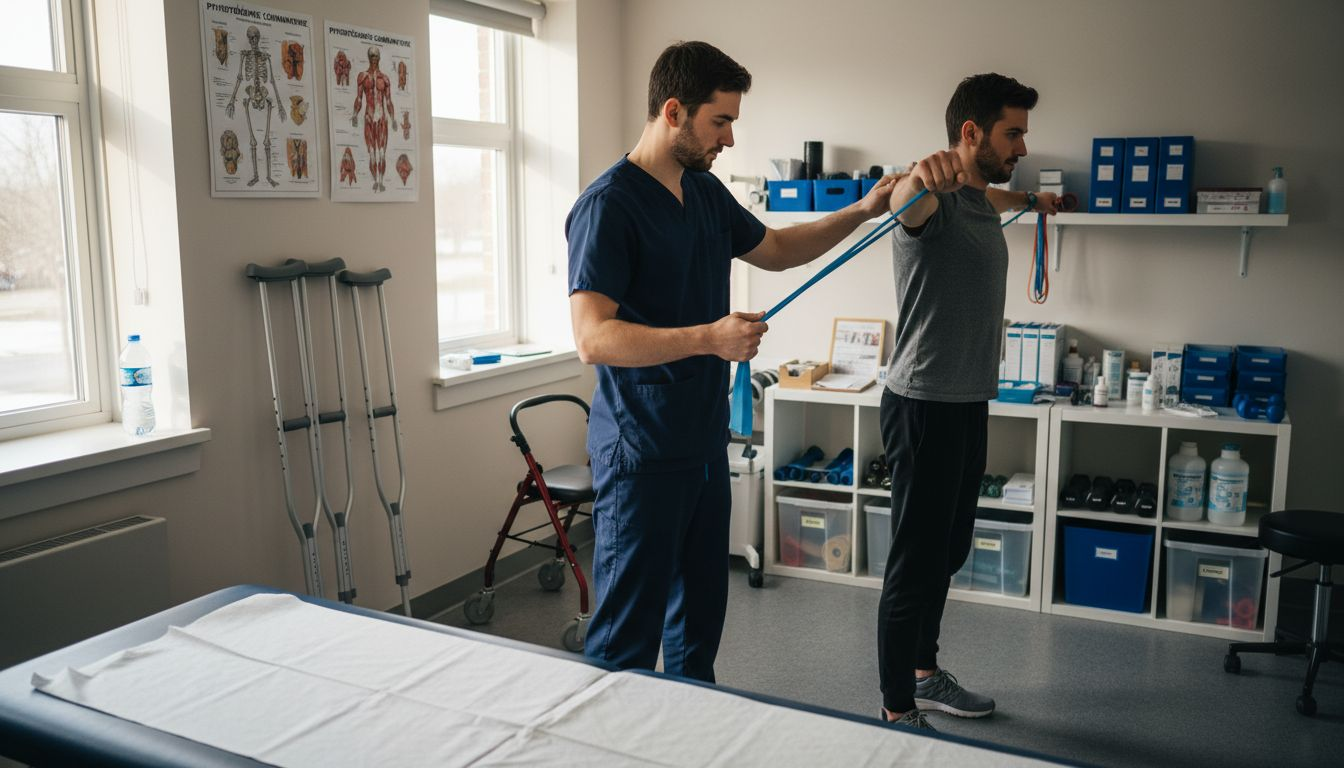
Looking for the best way to move forward after an injury or illness can feel overwhelming, especially when each person’s journey requires a unique approach. You want a rehabilitation process that addresses every part of your recovery, not just the symptoms you see on the surface. What really makes a difference is having a plan built around your specific needs, clear goals, and a team that understands how to guide you through real progress.
This list brings together proven steps grounded in evidence-based practices used across Canadian rehabilitation settings. Each strategy is designed to give you hands-on guidance for assessment, goal setting, and treatment—so you can regain function, confidence, and independence. Discover the practical insights that set effective rehabilitation apart and see how these critical techniques can shape your recovery journey.
Table of Contents
Quick Summary
Takeaway | Explanation |
1. Comprehensive assessments are essential | They provide a detailed understanding of health that informs tailored treatment plans for effective rehabilitation. |
2. Set SMART goals for recovery | Specific, Measurable, Action-oriented, Realistic, and Timed goals guide your healing journey and maintain motivation. |
3. Individualized treatment plans maximize recovery | Personalized approaches consider unique health factors, leading to more effective rehabilitation strategies tailored to individual needs. |
4. Embrace a multidisciplinary care approach | Involvement of various healthcare professionals enhances treatment efficacy by addressing complex health needs collaboratively. |
5. Active exercises are crucial for recovery | Engaging in proactive physical activities speeds up healing and rebuilds strength, improving overall rehabilitation outcomes. |
1. Start With a Comprehensive Assessment
A thorough rehabilitation journey begins with a comprehensive assessment—the critical foundation that guides every subsequent treatment decision. This initial step is more than a routine check-up; it’s a detailed exploration of your physical health, functional capabilities, and recovery potential.
In the Canadian rehabilitation landscape, comprehensive assessments are standardized data collection processes that enable healthcare professionals to develop precise and personalized treatment plans. These assessments go beyond surface-level observations, diving deep into understanding an individual’s unique health profile.
The comprehensive assessment typically involves multiple key components:
Medical history review: Examining past injuries, chronic conditions, and previous treatments
Physical examination: Evaluating strength, flexibility, range of motion, and neurological function
Diagnostic testing: Utilizing advanced imaging and functional assessments
Psychosocial evaluation: Understanding emotional and cognitive factors that impact recovery
A comprehensive assessment is not just about identifying problems—it’s about discovering your body’s remarkable potential for healing and recovery.
By capturing a holistic view of your health, rehabilitation professionals can design targeted interventions that address root causes rather than merely treating symptoms. This approach ensures that every aspect of your rehabilitation is strategically planned and individually tailored.
Pro tip: Prepare for your initial assessment by documenting your complete medical history, recent symptoms, and any lifestyle factors that might influence your recovery.
2. Set Realistic and Measurable Goals
Successful rehabilitation is not about achieving perfection but about making meaningful progress through strategic goal setting. Your recovery journey requires clear targets that motivate and guide your healing process.
The key to effective rehabilitation lies in creating SMART goals that are specific and achievable. These goals transform abstract recovery hopes into concrete, actionable plans that keep you focused and inspired.
SMART goals have five critical characteristics:
Specific: Clearly defined objectives
Measurable: Quantifiable progress indicators
Action-Oriented: Goals that prompt active engagement
Realistic: Achievable within your current health context
Timed: Set with clear timeframes for evaluation
Goal setting is not about perfection but about purposeful progression towards healing.
Collaborative goal development with your healthcare team ensures that your objectives are tailored to your unique physical capabilities and personal aspirations. This approach shifts rehabilitation from a passive experience to an empowering journey of self-improvement.
Example goals might include:
Increase shoulder mobility by 15 degrees within eight weeks
Reduce chronic pain intensity from 7 to 4 on the pain scale
Return to walking 5000 steps daily without discomfort
Pro tip: Write down your rehabilitation goals and review them weekly to maintain motivation and track incremental improvements.
3. Use Individualized Treatment Plans
Rehabilitation is not a one-size-fits-all journey but a deeply personal path of healing tailored to your unique physiological and functional needs. Individualized treatment plans are the cornerstone of effective rehabilitation strategies that maximise recovery potential.
Every person’s body tells a different story of injury recovery. Personalized treatment approaches recognize that your rehabilitation journey is as unique as your fingerprint. These plans go far beyond generic protocols by considering multiple intricate factors:
Your specific medical history
Current physical capabilities
Lifestyle and occupational requirements
Emotional and psychological readiness
Precise functional limitations
Individualized treatment transforms rehabilitation from a standardized process into a targeted, responsive healing strategy.
The development of these personalized plans involves sophisticated assessment techniques that capture nuanced details about your health. Healthcare professionals use comprehensive evaluations to create treatment strategies precisely matched to your recovery goals.
Key components of an individualized treatment plan include:
Comprehensive initial assessment
Customized intervention techniques
Regular progress monitoring
Dynamic plan adjustments
Patient-centred goal setting
Pro tip: Actively participate in your treatment plan discussions by sharing detailed information about your lifestyle, challenges, and recovery expectations.
4. Embrace Multidisciplinary Collaborative Care
Recovery is not a solitary journey but a collaborative expedition involving multiple healthcare professionals working in harmony. Collaborative healthcare models transform rehabilitation by breaking down traditional professional silos and creating comprehensive treatment strategies.
Multidisciplinary collaborative care represents a powerful approach where professionals from different specialities unite to address your complex health needs. Integrated healthcare delivery ensures that every aspect of your recovery receives expert attention.
Key professionals typically involved in collaborative care include:
Physiotherapists
Chiropractors
Massage therapists
Orthopaedic specialists
Nutritionists
Mental health professionals
Rehabilitation psychologists
True healing happens when healthcare professionals communicate seamlessly and prioritize patient outcomes.
The benefits of this collaborative approach extend beyond traditional treatment methods. Comprehensive care strategies allow for:
Holistic assessment of patient needs
Coordinated treatment planning
Shared expertise and knowledge transfer
More efficient recovery pathways
Reduced treatment gaps and contradictions
Pro tip: Ask your primary healthcare provider about the collaborative team members involved in your specific rehabilitation plan to understand the full scope of your treatment strategy.
5. Integrate Active Rehabilitation Exercises
Recovery is not a passive experience but an active journey of rebuilding strength and function. Active rehabilitation exercises are fundamental to your healing process, transforming rehabilitation from a waiting game to a proactive strategy.
Active rehabilitation moves beyond traditional rest-based recovery by engaging your body in purposeful movement. Targeted exercise strategies stimulate healing mechanisms and rebuild muscular strength more effectively than sedentary approaches.
The key components of active rehabilitation include:
Progressive resistance training
Flexibility and mobility exercises
Neuromuscular re-education
Functional movement patterns
Pain-management through controlled activity
Movement is medicine. Active rehabilitation harnesses your body’s natural healing capabilities through strategic exercise.
Effective active rehabilitation follows a structured progression:
Initial assessment of current physical capabilities
Customized exercise prescription
Gradual intensity and complexity increases
Continuous performance monitoring
Adaptive plan modifications
Neurological pathways rebuild through consistent targeted movements. Your muscles relearn optimal recruitment patterns while your nervous system develops more efficient communication strategies.
Pro tip: Document your exercise progression and pain levels to help your rehabilitation team fine-tune your recovery strategy.
6. Monitor Progress and Adjust Strategies
Recovery is a dynamic journey where consistent evaluation becomes your roadmap to healing. Systematic progress monitoring transforms rehabilitation strategies from static protocols to responsive, adaptive treatments.
Tracking rehabilitation progress requires more than occasional check-ins. It demands a comprehensive approach that captures both objective measurements and subjective experiences to create a truly personalised recovery pathway.
Key elements of effective progress monitoring include:
Quantitative physical assessments
Pain and functionality scales
Range of motion measurements
Strength and endurance tests
Patient-reported outcome indicators
Progress is not linear. It is a series of strategic adjustments informed by data and personal experience.
The monitoring process follows a strategic cycle:
Initial baseline establishment
Regular performance measurements
Comparative analysis of progress
Treatment strategy refinement
Goal realignment
Adaptive rehabilitation strategies recognize that your body responds uniquely to different interventions. By continuously collecting and analysing data, healthcare professionals can pivot treatments to optimise your recovery trajectory.
Pro tip: Maintain a personal recovery journal to track your progress and provide detailed insights during professional assessments.
7. Focus on Preventive Education and Self-Management
True recovery extends far beyond clinical treatments into the realm of personal empowerment and knowledge. Self-management skills are critical for lasting rehabilitation success, transforming patients from passive recipients to active participants in their healing journey.
Preventive education equips you with the essential tools and understanding to manage your health proactively. It is about building resilience through knowledge and developing strategies that prevent future injuries or complications.
Key components of effective self-management include:
Understanding your specific condition
Learning injury prevention techniques
Recognizing early warning signs
Developing adaptive coping strategies
Maintaining consistent self-monitoring
Knowledge is the most powerful rehabilitation tool. When you understand your body, you can guide your own healing.
Self-management skills development follows a strategic approach:
Comprehensive health education
Skill-building workshops
Personal goal setting
Regular self-assessment
Continuous learning and adaptation
These skills not only support physical recovery but also enhance psychological resilience. By taking an active role in your rehabilitation, you create a sustainable pathway to long-term health and wellness.
Pro tip: Create a personal health journal to track your progress, document learning, and reflect on your rehabilitation journey.
Below is a comprehensive table summarizing the essential steps, strategies, and benefits discussed for a structured and effective rehabilitation process.
Step/Aspect | Details and Key Actions | Benefits and Outcomes |
Comprehensive Assessment | Initial evaluations include physical exams, diagnostic tests, and psychosocial assessments. | Provides a thorough understanding of individual recovery potential and health status. |
Goal Setting | Develop SMART goals that are Specific, Measurable, Action-Oriented, Realistic, and Timed through consultation with health professionals. | Offers a clear roadmap to motivate and guide recovery progress. |
Individualized Treatment Plans | Tailor the rehabilitation plan based on medical history, current capabilities, and personal aspirations. | Ensures targeted and effective interventions that address individual needs. |
Multidisciplinary Collaborative Care | Engage a team of specialists, such as physiotherapists, nutritionists, and psychologists, to provide comprehensive treatment strategies. | Enhances outcome efficiency and ensures a holistic approach to recovery. |
Active Rehabilitation Exercises | Include components such as flexibility exercises, resistance training, and functional movement patterns into rehab routines. | Stimulates the body’s natural healing mechanisms, rebuilding strength and function effectively. |
Progress Monitoring and Adjustments | Regularly assess recovery progress through functional tests and personal feedback, adapting treatments accordingly. | Maintains an optimal recovery trajectory by addressing evolving needs. |
Educational Self-Management | Learn about injury prevention, health condition understanding, and coping mechanisms for sustainable recovery. | Empowers individuals to maintain health improvements and prevent injuries in the future. |
Achieve Lasting Recovery with Expert Collaborative Care
Struggling to navigate the complex path of rehabilitation can lead to frustration and setbacks. The article “7 Rehabilitation Best Practices 2025 for Lasting Recovery” highlights key challenges such as creating individualized treatment plans, setting realistic goals, and embracing multidisciplinary collaborative care to optimise healing. These pain points are critical for anyone seeking effective, evidence-based rehabilitation that goes beyond generic programs.
At Integrate Ottawa, we understand these challenges deeply. Our team-based approach combines physiotherapy, chiropractic care, and massage therapy under one roof to deliver personalised, active rehabilitation strategies proven to enhance recovery. With comprehensive assessments and continuous progress monitoring, we tailor every step of your journey to your unique needs while empowering you with preventive education and self-management skills.
Take control of your rehabilitation today by choosing a clinic that prioritizes collaborative expertise and patient-centred care. Book your appointment now at Integrate Ottawa and start building a customised treatment plan designed for your lasting wellness. Discover how our pain and injury medicine and concussion management services support your journey from initial assessment through to full recovery.
Frequently Asked Questions
What is a comprehensive assessment in rehabilitation?
A comprehensive assessment is a detailed evaluation that captures your medical history, physical capabilities, and psychosocial factors. To prepare, document your complete medical history and recent symptoms before the assessment.
How can I set realistic goals for my rehabilitation?
Setting SMART goals—Specific, Measurable, Action-Oriented, Realistic, and Timed—helps guide your recovery effectively. For instance, aim to increase your shoulder mobility by 15 degrees within eight weeks to maintain focus and motivation.
What is an individualized treatment plan in rehabilitation?
An individualized treatment plan is a customized approach to your rehabilitation that considers your unique medical history, lifestyle, and recovery goals. Actively participate in discussions with your healthcare team to ensure the plan aligns with your specific needs and expectations.
How does multidisciplinary collaborative care benefit rehabilitation?
Multidisciplinary collaborative care brings together various healthcare professionals to address your unique health needs comprehensively. Ask your primary care provider about the team members involved to understand how they will work together for your recovery.
What are active rehabilitation exercises and why are they important?
Active rehabilitation exercises are purposeful movements that engage your body in healing and rebuilding strength. Integrate progressive resistance training and flexibility exercises into your routine to enhance recovery outcomes.
How should I monitor my progress during rehabilitation?
Monitoring your progress involves regular assessments of physical performance, pain levels, and functionality. Keep a personal recovery journal to document these metrics and facilitate informed discussions during your treatment evaluations.
Recommended
Comments