

Why Treat Muscle Pain: Improving Daily Function and Health

Living with persistent muscle pain in Ottawa can disrupt everything from your work routine to your favourite activities. Muscle pain is more than a fleeting discomfort—it’s your body’s early warning system and involves a cascade of biological, psychological, and social factors. Addressing pain quickly is crucial, as waiting too long can lead to chronic issues and diminished mobility. This guide highlights the multidimensional nature of muscle pain and why evidence-based physiotherapy and chiropractic care offer a path to effective relief and lasting recovery.
Table of Contents
Key Takeaways
Point | Details |
Understanding Muscle Pain | Muscle pain signals that something requires attention and can arise from various sources, including injuries, poor ergonomics, and stress. Identifying the type of pain can guide appropriate treatment. |
Risks of Ignoring Pain | Ignoring muscle pain can lead to chronic conditions and compensatory movements, causing further injury and complications that affect overall quality of life. |
Importance of Early Intervention | Prompt treatment of muscle pain leads to faster recovery, reduced pain intensity, and prevents the development of chronic pain and associated complications. |
Effective Rehabilitation | A strategic approach involving assessment, targeted treatment (e.g., physiotherapy, chiropractic care), and home exercise programmes fosters proper recovery and prevents reinjury. |
What Is Muscle Pain and Why It Occurs
Muscle pain is far more than just an uncomfortable sensation. It represents your body’s alarm system at work, signalling that something needs attention. When you experience muscle pain, whether from a sports injury, poor posture at your desk, or repetitive strain, your body is communicating through a complex biological process. Pain involves activation of nociceptors, which are specialised sensory receptors designed to detect tissue damage or potential harm. These receptors don’t simply send a “pain signal” to your brain. Instead, they initiate a cascade of biological, psychological, and social factors that create your overall pain experience. Understanding this multidimensional nature helps explain why two people with identical injuries might experience pain very differently.
The occurrence of muscle pain typically stems from several common sources. Acute injuries such as muscle strains, sprains, or micro-tears activate your pain receptors immediately, creating sharp sensations that demand your attention. Overuse injuries develop gradually when muscle fibres are repeatedly stressed beyond their current capacity, commonly seen in Ottawa residents who shift from sedentary winter routines to active spring activities. Poor ergonomics at work or home can trigger chronic muscle pain as muscles maintain tension for hours, fatiguing faster than they should. Inflammation following injury amplifies pain signals, which is why pain often worsens in the first 48 to 72 hours after an incident. Beyond physical causes, stress and anxiety tighten muscles unconsciously, creating a vicious cycle where tension generates pain, and pain generates more tension. Your nervous system also plays a role, sometimes amplifying pain signals even after initial tissue healing has occurred.
The protective function of muscle pain cannot be overlooked. Your body uses pain as a warning system, prompting you to stop harmful activities, seek treatment, and protect injured areas during recovery. This protective response serves a genuine purpose, but when pain persists beyond the initial healing phase or becomes chronic, the signal becomes counterproductive. This is precisely where evidence-based treatment becomes valuable. Physical therapy, chiropractic care, and other rehabilitative approaches address not just the pain itself, but the underlying mechanical and functional issues that created it in the first place.
Pro tip: Pay attention to when and how your muscle pain occurs—whether it’s during specific movements, times of day, or activities—and note this information before your appointment. These details help your physiotherapist or chiropractor identify the root cause rather than just treating symptoms.
Types of Muscle Pain and Common Causes
Muscle pain doesn’t announce itself the same way every time. The sensation you feel depends on what’s actually happening in your tissues and nerves. Understanding the different types helps you recognise what you’re experiencing and communicate it effectively to your healthcare provider. Nociceptive pain arises from actual tissue damage, which is the most common type you’ll encounter. This occurs when your pain receptors detect genuine injury to muscle fibres, ligaments, or other structures. Nociceptive pain divides into two categories: somatic pain, which feels sharp and well-localised to a specific area, and visceral pain, which presents as dull and diffuse across a broader region. Then there’s neuropathic pain, caused by nerve damage or dysfunction rather than direct tissue injury. Neuropathic pain often feels like burning, tingling, or shooting sensations that follow nerve pathways rather than muscle boundaries. Someone with a pinched nerve in the neck might experience neuropathic pain radiating down the arm, for example.
The causes of muscle pain vary widely and often overlap. Muscle strains occur when fibres stretch too far or tear from overexertion, commonly happening when Ottawa residents increase activity levels too quickly during warmer months. Muscle tears range from microscopic to severe, depending on the force involved and your tissue health. Muscle cramps develop when muscles involuntarily contract and tighten, sometimes triggered by dehydration, mineral imbalances, or sustained muscle tension. Inflammation following injury amplifies pain signals as your body mobilises healing resources. Overuse injuries develop gradually through repetitive motions or sustained strain, affecting people with desk jobs, tradespersons, and athletes alike. Beyond acute injuries, systemic conditions like fibromyalgia produce widespread muscle pain throughout the body without obvious tissue damage, making diagnosis and management more complex.
Common causes also include muscle imbalances, where some muscles become tight whilst others weaken, creating abnormal movement patterns. Poor posture, particularly from prolonged sitting, puts sustained stress on specific muscle groups. Muscle guarding occurs when you unconsciously tense muscles around an injured area for protection, which can perpetuate pain even after healing begins. Understanding which type of pain you experience and what triggered it directs you toward appropriate treatment. Sharp, localised pain from a specific incident typically responds well to physiotherapy and activity modification. Chronic, widespread pain or pain with neurological symptoms requires a more comprehensive approach involving assessment of nerve function and movement patterns.
Pro tip: Describe your pain using specific language when talking to your healthcare provider: Is it sharp or dull? Does it stay in one spot or radiate? Does it worsen with certain movements? These details significantly improve diagnostic accuracy and treatment planning.
Here’s a comparison of different types of muscle pain and how to distinguish them:
Type of Pain | Sensation Description | Common Triggers |
Somatic | Sharp, well-localised | Acute injury, overuse |
Visceral | Dull, diffuse | Internal organ issues |
Neuropathic | Burning, tingling, shooting | Nerve compression or damage |
Functional | Aching, variable | Stress, systemic conditions |
Risks of Ignoring Untreated Muscle Pain
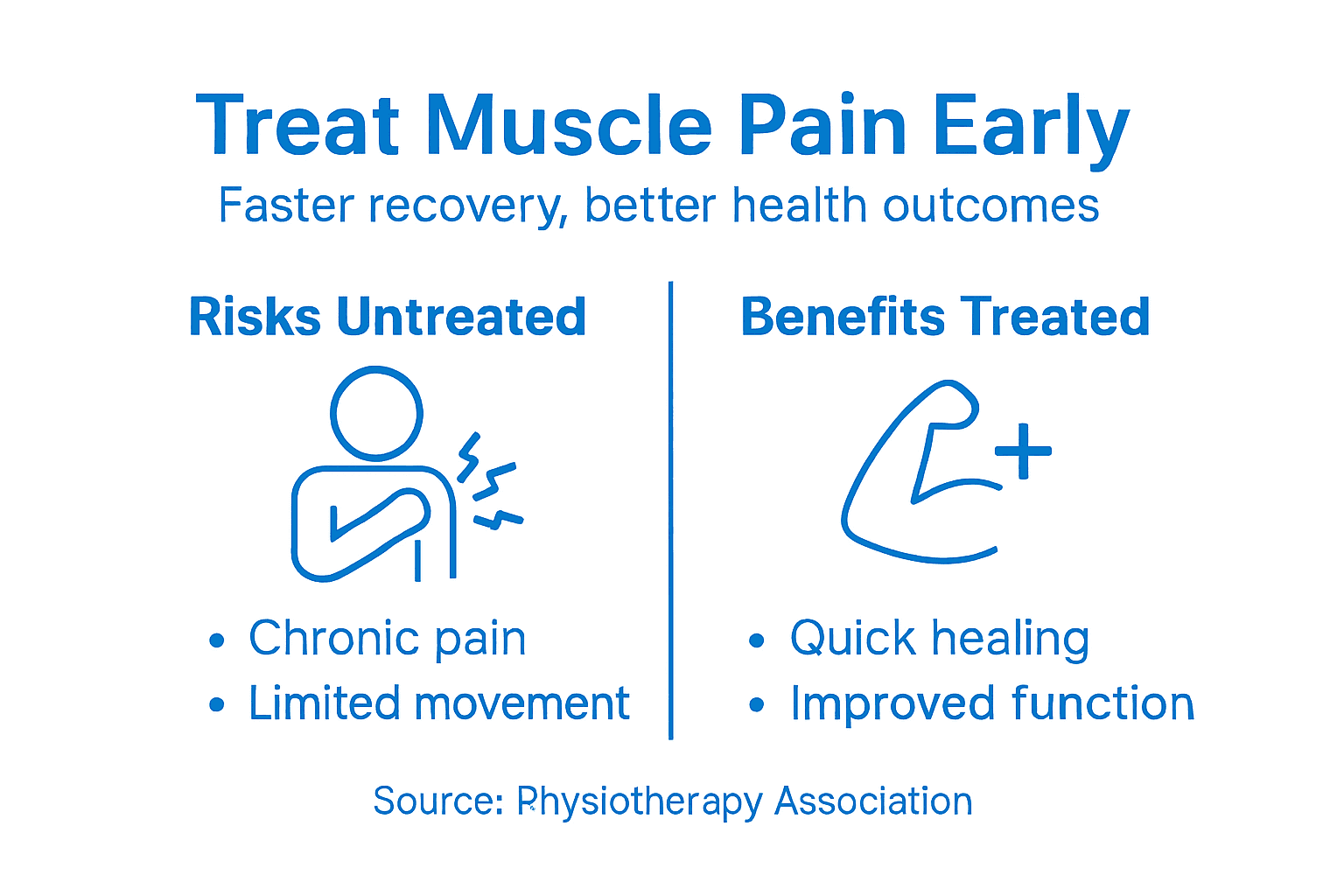
When muscle pain first appears, it’s tempting to push through and hope it resolves on its own. This approach often backfires. Ignoring muscle pain doesn’t make it disappear. Instead, untreated pain frequently worsens, creating a cascade of complications that become far more difficult to address months later. One of the most significant risks is that ignoring muscle pain can lead to chronic pain which negatively impacts both physical function and mental health. What starts as acute pain from a specific injury can transform into a chronic condition that persists long after the original tissue damage has healed. This transition happens because your nervous system learns the pain pattern, sometimes maintaining pain signals even when protective mechanisms are no longer needed. Chronic pain then interferes with sleep quality, reduces your capacity for work, and diminishes your ability to enjoy daily activities you once took for granted.

Another serious consequence of ignoring muscle pain is compensatory movement. When you experience pain, your body automatically adjusts movement patterns to avoid aggravating the injured area. Whilst this protective response is initially helpful, prolonged compensation creates new problems. Other muscles work overtime to cover for the injured area, leading to overuse injuries in previously healthy regions. Someone ignoring lower back pain might unconsciously shift more weight to one leg, eventually developing knee or hip problems. Over time, poor posture becomes habitual, and additional injuries compound the original issue. Untreated pain may worsen injury and cause further musculoskeletal problems, meaning what could have been a six week recovery becomes a six month or longer rehabilitation process. You also risk developing multiple painful areas simultaneously, transforming a localised problem into widespread dysfunction.
Beyond the physical consequences, untreated muscle pain carries significant mental health risks. Persistent pain increases the likelihood of depression and anxiety, which in turn amplifies pain perception, creating a vicious cycle. Sleep disruption from pain leads to fatigue, reduced concentration, and decreased motivation for rehabilitation. This psychological burden often prevents people from seeking treatment, as they become overwhelmed by the scope of their condition. Additionally, prolonged pain reduces mobility and strength, making everyday tasks increasingly difficult. Climbing stairs becomes exhausting. Lifting objects feels impossible. Social activities diminish because pain limits your participation. Quality of life deteriorates substantially when pain becomes chronic. The window for effective intervention is actually quite short. Early treatment addresses underlying causes before they become entrenched patterns, significantly improving outcomes and preventing the cascade of secondary complications that emerge from ignoring initial pain signals.
Pro tip: Contact a physiotherapist or chiropractor within the first two weeks of pain onset when possible. Early intervention prevents compensatory patterns from becoming habitual and dramatically improves your recovery timeline and long-term outcomes.
Benefits of Early Intervention and Treatment
Treating muscle pain promptly transforms your recovery experience. The difference between addressing pain in week one versus week eight is substantial and measurable. Early treatment of muscle pain leads to faster recovery and reduced pain intensity, alongside prevention of secondary complications that emerge when pain persists untreated. When you seek care early, your healthcare provider can accurately diagnose the underlying issue before compensatory patterns become ingrained. This matters considerably because early intervention means addressing root causes rather than treating symptoms that have multiplied over time. Appropriate rest combined with inflammation management and gradual rehabilitation promotes actual healing at the tissue level. Your body can focus its resources on genuine recovery instead of managing chronic pain signals and widespread dysfunction. The result is a dramatically shorter timeline to resume normal activities. What might take six months to recover from if ignored could resolve in six weeks with proper early treatment.
Beyond faster physical recovery, early intervention prevents the psychological toll that chronic pain creates. When pain gets treated promptly, you avoid the depression, anxiety, and loss of motivation that accompany prolonged suffering. You maintain your sleep quality, your work capacity, and your ability to engage in activities that matter to you. Early treatment also prevents recurrent injury. Once you’ve experienced an injury, that area becomes vulnerable to re-injury if underlying strength and movement patterns aren’t properly addressed. By engaging in rehabilitation early, you build resilience in recovering tissues and establish healthy movement patterns that protect against future problems. Timely intervention facilitates effective management across biological, psychological, and social dimensions, which is why combined approaches work better than single treatments alone. Physiotherapy addresses movement and strength. Chiropractic care addresses joint alignment and function. Together, they tackle the multidimensional nature of pain comprehensively.
The practical advantages of early treatment extend to your overall quality of life. You avoid long-term disability that could impact your career, relationships, and independence. You prevent the financial burden of extended treatment for chronic conditions that could have been resolved quickly if caught early. You maintain your confidence in your body’s ability to heal and function. Additionally, early intervention reduces the amount of total treatment time needed. Starting rehabilitation when pain first appears means you progress through recovery phases naturally, following your body’s actual healing timeline rather than working backwards from years of compensation patterns. Your nervous system doesn’t develop a deep-rooted pain memory. Your muscles don’t develop alternative firing patterns that require months to correct. Your joints maintain their normal range of motion instead of progressively stiffening from disuse and guarding.
Pro tip: Book an appointment with a physiotherapist or chiropractor at the first sign of persistent muscle pain rather than waiting to see if it resolves on its own. Early assessment identifies the actual problem and prevents minor issues from becoming major ones.
This summary explains the impact of early versus late muscle pain treatment:
Treatment Timing | Physical Outcome | Risk of Complications |
Early (1-2 weeks) | Faster, full recovery | Lower |
Late (after 2+ weeks) | Slower, incomplete healing | Higher (chronic pain, dysfunction) |
Effective Rehab Options and Professional Care
Treating muscle pain effectively requires a strategic approach tailored to your specific injury and recovery needs. The journey starts with proper assessment. A physiotherapist or chiropractor evaluates your condition, determines the severity of injury, and rules out serious underlying problems that might require additional medical attention. This diagnostic foundation matters because treatment strategies differ significantly depending on whether you’re dealing with a minor strain, a significant tear, or a systemic condition affecting multiple areas. Once assessment is complete, your healthcare provider develops a personalised rehabilitation plan rather than applying generic treatments to everyone.
Initial treatment often follows the RICE protocol. Rest prevents further injury by protecting damaged tissue from additional stress. Ice reduces inflammation and pain, particularly effective in the first 48 to 72 hours after injury. Compression supports the injured area and limits swelling. Elevation uses gravity to reduce fluid accumulation in the injured region. Professional care for muscle pain may involve rest, ice, compression, elevation, and guided physical therapy to address acute symptoms. Beyond these initial interventions, medications can reduce inflammation when appropriate, though the goal is always to address root causes rather than simply mask symptoms. As pain subsides, rehabilitation becomes the priority. Physiotherapy restores strength through progressive exercise, improves flexibility through targeted stretching, and re-educates movement patterns so you function normally without compensating. This active rehabilitation phase is where genuine healing occurs at the tissue level.
Advanced treatment options expand beyond basic physiotherapy. Chiropractic care addresses joint alignment and mobility, ensuring vertebrae and joints move properly to support muscle function. Acupuncture can reduce pain and inflammation whilst supporting the body’s natural healing processes. Massage therapy addresses muscle tension and promotes blood flow to injured areas. The most effective rehabilitation combines multiple approaches because muscle pain exists at the intersection of structural, neurological, and functional dimensions. A physiotherapist might address movement patterns and strength. A chiropractor might restore joint mobility. Together, they tackle the complete picture of what caused your pain and what needs to change for lasting recovery. Your role involves consistent engagement with prescribed exercises, adherence to activity modifications, and honest communication about your progress and any setbacks.
Pro tip: Ask your healthcare provider to teach you a home exercise programme that you can perform between appointments. Consistent execution of prescribed exercises dramatically accelerates recovery and prevents reinjury once you’ve completed formal rehabilitation.
Take Control of Your Muscle Pain Today for a Healthier Tomorrow
Muscle pain is more than a simple ache it disrupts your daily life and threatens your long-term wellbeing. This article highlights how untreated muscle pain can lead to chronic discomfort, reduced mobility, and even mental health challenges. If you recognize sharp or lingering pain affecting your function or quality of life it is crucial to act early and effectively. The expert team at Integrate Health Clinic offers a comprehensive approach combining physiotherapy, chiropractic care, and other evidence-based treatments designed to target the root causes of your muscle pain.

Discover the benefits of early intervention with personalized care that not only reduces pain quickly but also prevents compensatory injuries and chronic conditions. Don’t let muscle pain limit your daily activities or dampen your spirit. Visit Integrate Health Clinic today to book an appointment and start your journey toward improved mobility, strength, and quality of life. Your recovery begins with understanding your pain and choosing targeted treatment trusted by many in Ottawa and Carleton Place.
Frequently Asked Questions
What are the common causes of muscle pain?
Muscle pain commonly arises from acute injuries like strains and sprains, overuse injuries from repetitive motions, poor ergonomics, inflammation following injury, and conditions like fibromyalgia. Understanding the specific cause is crucial for effective treatment.
How can early intervention benefit muscle pain recovery?
Early intervention can lead to faster recovery, reduced pain intensity, and prevention of chronic pain complications. Addressing muscle pain promptly helps maintain physical health and can also mitigate psychological impacts such as anxiety and depression associated with chronic pain.
What are the best rehabilitation options for treating muscle pain?
Effective rehabilitation options include physiotherapy, chiropractic care, acupuncture, and massage therapy. A personalized treatment plan based on a thorough assessment will help address the underlying causes of muscle pain and promote effective recovery.
How does untreated muscle pain impact daily life?
Untreated muscle pain can lead to chronic pain, reduced physical function, mental health issues, and an overall decline in quality of life. Ignoring muscle pain may result in compensatory movements that cause further injuries and complications over time.
Recommended
Comments