

Step by Step Chiropractic Visit for Pain Relief

Chronic musculoskeletal pain can make every day in Ottawa feel like a challenge, especially when simple tasks become difficult and relief seems elusive. Knowing what to expect from your first chiropractic visit brings much-needed reassurance and helps you prepare for each step with confidence. This guide covers the essential actions, from scheduling your appointment to understanding your treatment plan, empowering you to take charge of your health and start your journey toward lasting comfort.
Table of Contents
Quick Summary
Key Point | Explanation |
1. Schedule your appointment easily | Use online, phone, or in-person methods to schedule your chiropractic appointment, considering your comfort and convenience. |
2. Prepare comprehensive health information | Gather details like medical history, current medications, and pain specifics to aid in effective treatment planning during your appointment. |
3. Communicate effectively about your symptoms | Be specific about pain characteristics, triggers, and duration to help your chiropractor tailor the treatment approach effectively. |
4. Participate actively in the physical assessment | Engage during the physical assessment to ensure accurate diagnosis; inform your chiropractor about any discomfort experienced. |
5. Collaborate on your treatment plan | Review and discuss the proposed treatment strategies with your chiropractor to ensure a shared understanding and adherence. |
Step 1: Schedule your chiropractic appointment
Scheduling your first chiropractic appointment is a straightforward process that sets you on the path to pain relief and improved musculoskeletal health. Understanding how to efficiently book your initial consultation can help reduce anxiety and ensure you receive the targeted care you need.
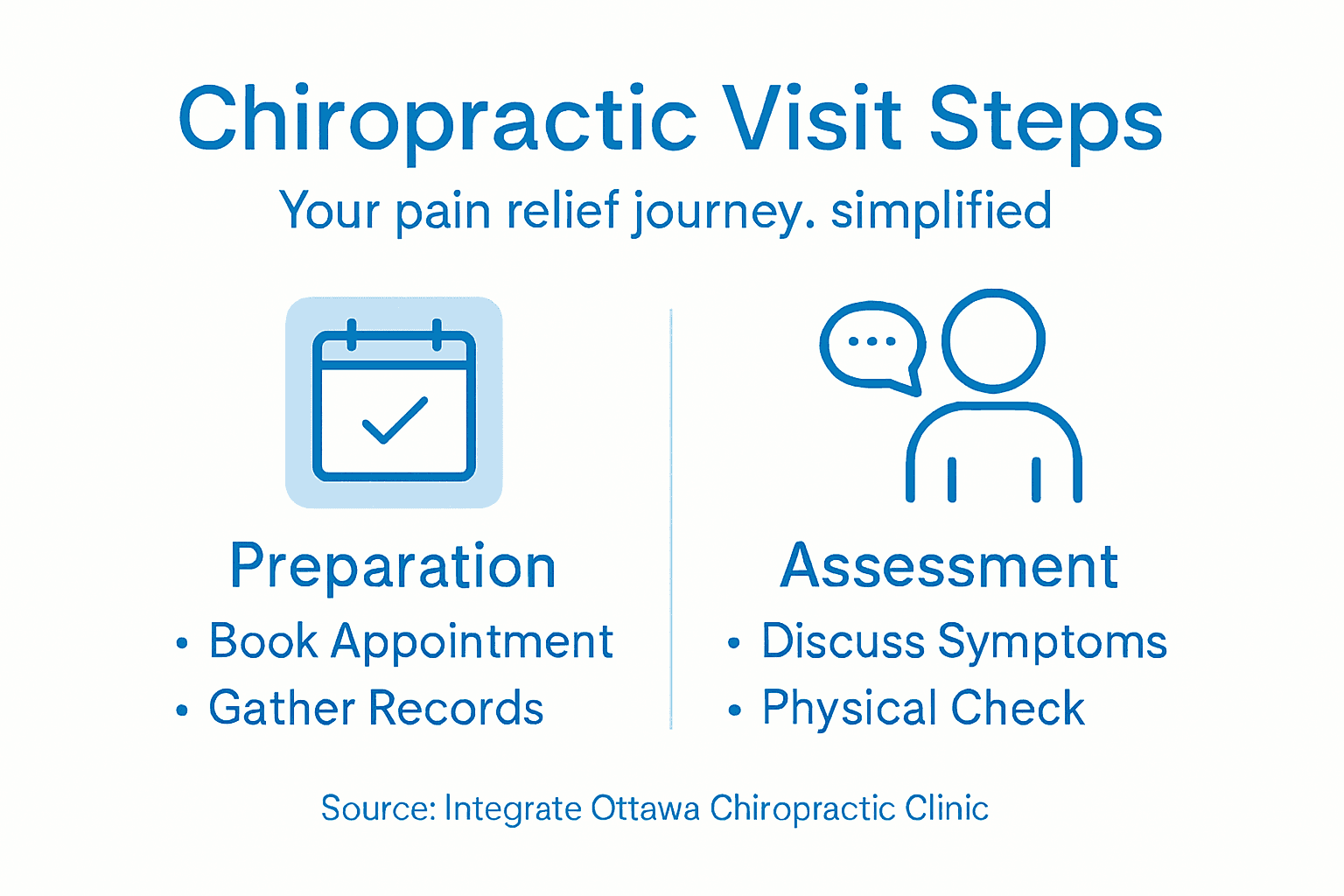
To schedule your chiropractic appointment in Ottawa, you have several convenient options. Most chiropractic clinics offer multiple booking channels, including online platforms, telephone booking, and sometimes in-person registration. Here are the key steps to secure your appointment:
Contact the clinic directly through their official phone number or website
Check the clinic’s available appointment times that match your schedule
Prepare basic personal and health information for registration
Confirm whether you need a referral from your primary healthcare provider
When booking, you’ll want to locate a licensed chiropractor through professional regulatory bodies. Most clinics will ask about your primary health concerns, pain areas, and medical history during the initial scheduling process. Be prepared to discuss the nature of your pain, its duration, and any previous treatments you’ve received.
Here is a summary of common booking methods for chiropractic appointments and what to expect with each approach:
Booking Method | Main Advantage | Ideal For |
Online Scheduling | Book anytime, instant confirmation | Tech-savvy or busy individuals |
Telephone Booking | Direct answers, personal touch | Those with complex questions |
In-Person Registration | Guided assistance, immediate clarification | New patients unsure about the process |
Your first appointment is a critical step in understanding and addressing your musculoskeletal health needs.
Most initial chiropractic consultations range from 45 to 60 minutes, allowing sufficient time for a comprehensive assessment. The clinic will typically advise you to arrive 10-15 minutes early to complete any necessary paperwork and insurance documentation.
Pro tip: Before your appointment, compile a list of current medications, recent medical diagnoses, and specific details about your pain to help your chiropractor provide more targeted treatment.
Step 2: Prepare relevant health information
Preparing comprehensive health information is a crucial step in ensuring your chiropractic appointment is as effective and targeted as possible. By gathering detailed medical details beforehand, you’ll help your chiropractor develop a precise understanding of your health needs and create a personalised treatment plan.
To effectively prepare your health information, you’ll want to compile a thorough and organised document that covers multiple aspects of your medical history. Clinical guidelines recommend gathering the following key information:
Complete medical history, including past injuries and chronic conditions
List of current medications and supplements
Details about your current pain or health concern
Recent diagnostic test results or medical imaging
Information about previous treatments or therapies
Lifestyle factors that might impact your musculoskeletal health
When collecting your health details, be as specific and detailed as possible. Note the exact location of any pain, its intensity, duration, and any factors that seem to trigger or alleviate your symptoms. If you have medical records or diagnostic reports, make copies to bring to your appointment.
Comprehensive health information is the foundation of an effective chiropractic treatment strategy.
Electronic health records or a simple handwritten summary can help you organise your information systematically. Consider creating a timeline of your health issues, noting when symptoms started and how they’ve progressed over time.
Pro tip: Create a digital or physical folder with all your medical documents, making it easy to quickly reference and share comprehensive health information during your chiropractic consultation.
Step 3: Discuss your history and symptoms
The conversation with your chiropractor about your health history and symptoms is a critical moment that sets the foundation for your entire treatment approach. This dialogue allows your healthcare provider to gain a comprehensive understanding of your specific health challenges and develop a targeted treatment strategy.
Detailed patient history assessment involves exploring several key areas of your health and current condition. Be prepared to discuss the following aspects during your consultation:
Precise pain location and characteristics
Onset and duration of your symptoms
Factors that worsen or alleviate your discomfort
Previous treatments or interventions
Lifestyle and occupational activities
Family medical history relevant to your condition
When describing your symptoms, aim to be as specific and objective as possible. Use clear descriptors like sharp, dull, burning, or intermittent pain. Quantify your pain level on a scale from 0 to 10, and explain how it impacts your daily activities and mobility.
Honest and detailed communication forms the cornerstone of effective chiropractic care.
Your chiropractor will likely ask follow-up questions to gather more context about your symptoms. Be prepared to provide additional details and answer questions openly and candidly. Remember that the more information you share, the better your chiropractor can understand and address your specific health needs.
Pro tip: Create a brief written summary of your symptoms beforehand, including a timeline and key details, to help you communicate more effectively during your consultation.
Step 4: Participate in your physical assessment
The physical assessment is a crucial diagnostic process where your chiropractor will thoroughly evaluate your musculoskeletal health and identify the root causes of your pain or dysfunction. This hands-on examination provides the foundation for developing a targeted treatment strategy tailored specifically to your needs.
Comprehensive physical examinations typically involve multiple diagnostic techniques designed to assess your overall physical condition. Be prepared for the following assessment components:
Postural analysis to evaluate alignment and symmetry
Range of motion testing for affected body regions
Neurological screening to check nerve function
Muscle strength and flexibility assessments
Palpation to identify areas of tension or discomfort
Potential diagnostic imaging recommendations
During the assessment, communicate openly with your chiropractor. If a particular movement causes pain or discomfort, inform them immediately. Your active participation helps create a more accurate diagnosis and ensures the examination remains comfortable and productive.
Your engagement and honest feedback are essential for effective diagnosis and treatment planning.
Some assessments might require you to perform specific movements or potentially remove outer layers of clothing to allow for a comprehensive examination. Your chiropractor will explain each step and ensure your comfort throughout the process.

Pro tip: Wear comfortable, loose-fitting clothing that allows easy movement and provides your chiropractor with clear access to examine the relevant body areas.
Step 5: Review your treatment plan and next steps
The treatment plan review is a critical conversation that transforms your initial assessment into a targeted strategy for addressing your specific musculoskeletal health needs. This collaborative discussion will help you understand the proposed approach to managing your pain and improving your overall physical function.
Comprehensive treatment discussions typically cover several essential elements that outline your path to recovery. Be prepared to explore the following key aspects during your review:
Treatment goals and expected outcomes
Recommended therapeutic techniques
Frequency and duration of treatment sessions
Potential lifestyle and postural modifications
Self-care strategies to support your recovery
Follow-up assessment and progress tracking
Your chiropractor will provide a detailed explanation of the proposed treatment approach, including the rationale behind specific interventions. This is an excellent opportunity to ask questions, express any concerns, and gain a clear understanding of your personalised care plan.
Your active participation and understanding are crucial to the success of your treatment journey.
Expect a collaborative dialogue where your input is valued. The treatment plan is not a rigid prescription but a flexible strategy that can be adjusted based on your progress and feedback. Your chiropractor will work with you to create a realistic and achievable path to pain relief and improved mobility.
The following table highlights the most common types of chiropractic treatments, their main goal, and typical duration of care:
Treatment Type | Main Objective | Typical Duration |
Spinal Adjustment | Restore joint mobility | 15–30 minutes per session |
Soft Tissue Therapy | Reduce muscle tension | 20–40 minutes per session |
Lifestyle Counselling | Prevent future issues | Ongoing discussions |
Pro tip: Take notes during the treatment plan review and consider bringing a trusted family member or friend who can help you remember and process the detailed information.
Take Control of Your Pain with Expert Chiropractic Care
If you are ready to move beyond discomfort and regain full mobility the step-by-step chiropractic visit outlined in this article highlights exactly what you need to prepare for your initial consultation and treatment. At Integrate Ottawa you will find a team-based approach that understands the importance of detailed health history discussions and personalised physical assessments to create an effective treatment plan tailored just for you. Whether you struggle with persistent pain or want to prevent future issues our evidence-based chiropractic care works alongside physiotherapy and other specialized services to support your recovery every step of the way.

Don’t wait for pain to control your life. Book your chiropractic appointment today at Integrate Ottawa and experience comprehensive care designed to address your unique needs. Visit our website to explore all our musculoskeletal health services including chiropractic care and discover how we can help you achieve lasting pain relief and improved wellness. Start your journey now with trusted professionals dedicated to your health and comfort.
Frequently Asked Questions
How do I schedule my first chiropractic appointment for pain relief?
Scheduling your first chiropractic appointment is easy. You can contact the clinic directly through their phone number or website, check available appointment times, and prepare basic personal and health information to register.
What information should I prepare before my chiropractic visit?
Before your chiropractic visit, gather comprehensive health information, including your complete medical history, a list of current medications, and details about your pain. Create a document that allows you to easily share this information during your appointment.
What should I expect during my initial chiropractic assessment?
During your initial chiropractic assessment, expect a thorough evaluation of your musculoskeletal health involving postural analysis, range of motion testing, and muscle strength assessments. Engage openly with your chiropractor to provide complete information about your symptoms and any discomfort you experience during the examination.
How is my treatment plan developed during the chiropractic visit?
Your treatment plan is developed based on the comprehensive assessment carried out during your visit. Expect a detailed discussion about your treatment goals, recommended techniques, and how often you will need sessions to effectively manage your pain and improve function.
What types of chiropractic treatments might be included in my plan?
Your treatment plan may include various chiropractic treatments, such as spinal adjustments and soft tissue therapy, aimed at addressing your specific pain and dysfunction. Each treatment type typically varies in duration, with spinal adjustments lasting around 15–30 minutes per session.
How can I track my progress throughout chiropractic treatment?
You can track your progress by documenting changes in your pain levels and functional abilities following each visit. Regularly communicate with your chiropractor about your progress to adjust your treatment plan as needed and ensure you are on the path to pain relief.
Recommended
Comments