

Therapeutic Ultrasound: Benefits for Musculoskeletal Recovery
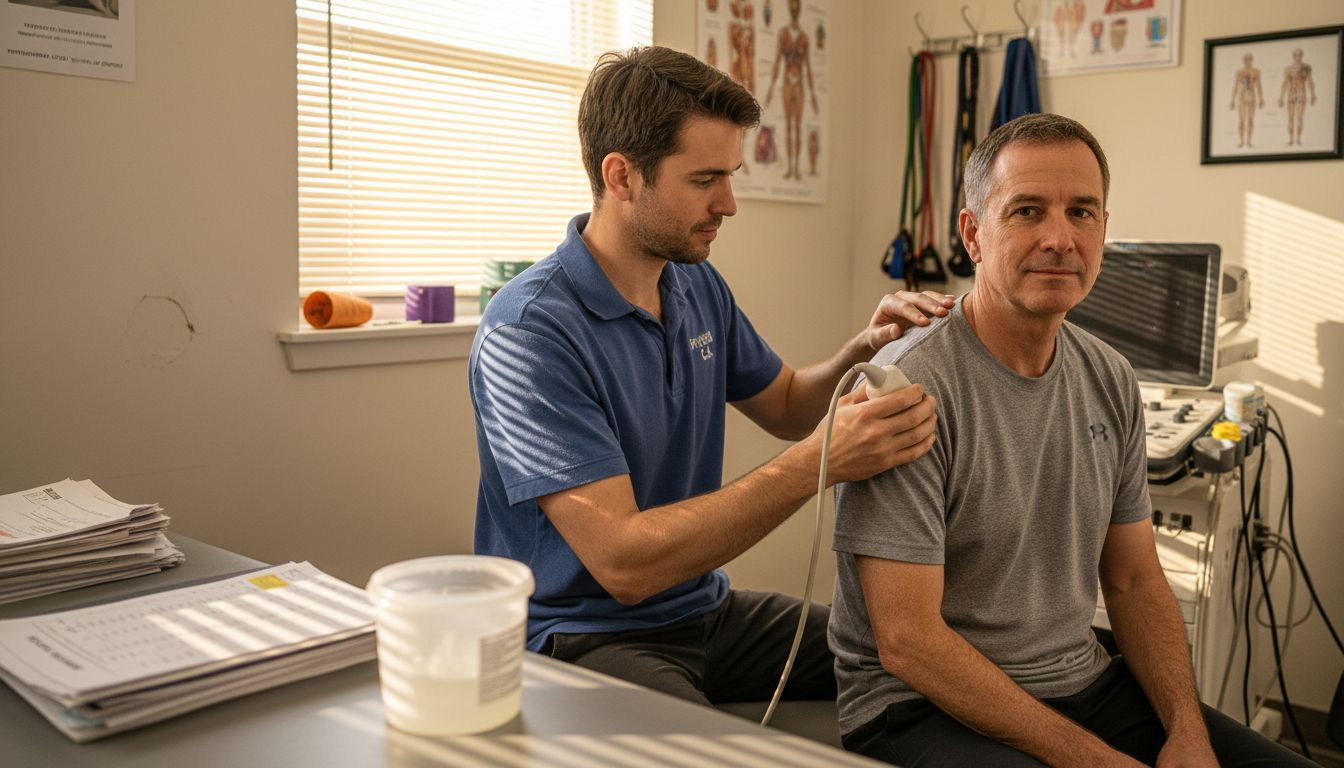
Persistent pain from tendinitis, bursitis, or a stubborn shoulder injury can keep Ottawa residents from enjoying daily activities. For those seeking a safe, evidence-based solution, therapeutic ultrasound delivers targeted healing using sound waves proven effective since the 1950s. By harnessing the power of low power ultrasound waves and advanced physiotherapy, you can accelerate recovery, reduce inflammation, and address the root cause of musculoskeletal discomfort without surgery. Discover how these innovative treatments help restore movement and manage pain for real, lasting results.
Table of Contents
Key Takeaways
Point | Details |
Non-Invasive Treatment | Therapeutic ultrasound employs non-invasive sound waves to promote healing in damaged tissues, offering a pain-free alternative to surgery. |
Types of Ultrasound | Continuous, pulsed, and low intensity ultrasound types cater to different injury stages and conditions, allowing personalised treatment approaches. |
Safety and Risks | Generally safe when administered by trained professionals, mild discomfort may occur, but communication with the physiotherapist is crucial for safety. |
Integrated Treatment | Combining therapeutic ultrasound with exercises enhances recovery, leading to better overall outcomes for various musculoskeletal injuries. |
What Is Therapeutic Ultrasound Therapy?
Therapeutic ultrasound is a non-invasive treatment that uses sound waves to promote healing in damaged tissues. Rather than the ultrasound used for imaging, this therapy employs low power ultrasound waves designed specifically to stimulate your body’s natural repair processes. It has been safely used since the 1950s, particularly for conditions like tendinitis and bursitis that are common among Ottawa residents dealing with repetitive strain injuries.
The therapy works by sending high-frequency sound waves, typically around 1 MHz frequency, directly into the affected area beneath your skin. These sound waves create gentle vibrations in the tissue, which increases blood flow and cellular activity. Think of it like giving your injured tissues a microscopic massage that penetrates far deeper than manual techniques alone can reach.
What makes this treatment particularly valuable is how it addresses the root cause rather than just masking pain. Therapeutic ultrasound harnesses biological effects to reduce inflammation, accelerate healing, and restore normal tissue function. This is especially helpful for shoulder rotator cuff injuries, elbow tennis elbow, or ankle sprains that keep many Ottawans from their daily activities.
Unlike invasive surgical interventions, ultrasound therapy causes no tissue damage. It also works well alongside other treatments. Many patients combine therapeutic ultrasound with therapeutic exercise programs to maximize their recovery progress and regain strength more quickly.
The treatment is painless and takes just 5 to 10 minutes per session. You’ll feel gentle warmth in the area being treated, but nothing uncomfortable. Most people notice improvements within 3 to 5 sessions, though your physiotherapist will assess your specific condition to determine the right treatment plan for you.
Pro tip: Ask your physiotherapist whether therapeutic ultrasound combined with active exercises will benefit your specific injury, as some conditions respond better to this integrated approach than ultrasound alone.
Types of Ultrasound Used in Rehab
Therapeutic ultrasound comes in different forms, each designed for specific musculoskeletal conditions. Your physiotherapist will choose the type that best suits your injury and recovery goals. Understanding these options helps you know what to expect during your treatment sessions at Integrate Ottawa.
Continuous ultrasound delivers a steady stream of sound waves throughout the treatment. This mode generates more heat within the tissue, making it effective for chronic muscle tightness, stiffness, and deep tissue injuries. If you have a long standing shoulder impingement or persistent neck tension, continuous ultrasound may be recommended to increase circulation and promote tissue relaxation.
Pulsed ultrasound uses intermittent bursts of sound waves rather than a continuous stream. This approach produces minimal heat while emphasising the mechanical effects that stimulate cellular repair. Pulsed ultrasound works particularly well for acute injuries, inflammation, and swelling where you need to avoid excessive heat. Many physiotherapists prefer this mode for recent injuries or post operative rehabilitation.
Low intensity therapeutic ultrasound represents another category gaining recognition in clinical practice. This approach uses lower power settings to promote healing without thermal effects, making it suitable for delicate tissues or very recent injuries. When combined with rehabilitative care protocols, low intensity ultrasound can accelerate recovery during early healing phases.
The choice between these types depends on your injury stage, tissue type, and specific condition. Acute injuries typically benefit from pulsed or low intensity settings, while chronic conditions often respond better to continuous ultrasound. Your physiotherapist will assess your condition and adjust the ultrasound parameters throughout your treatment to match your healing progress.
Frequency also matters. Most rehabilitation settings use 1 MHz ultrasound for deeper tissues like muscles and tendons. Some facilities offer 3 MHz for more superficial structures like ligaments closer to the skin surface. Your therapist will select the appropriate frequency based on how deep your injury sits.
Here is a summary comparing types of therapeutic ultrasound and their recommended uses:
Ultrasound Type | Typical Use Cases | Main Effect Focus |
Continuous | Chronic injuries, stiffness | Deep tissue heating |
Pulsed | Acute injuries, inflammation | Cellular repair, minimal heat |
Low Intensity | Recent or delicate injuries | Non-thermal healing |
Pro tip: Tell your physiotherapist immediately if you feel pain or excessive warmth during ultrasound treatment, as this allows them to adjust the intensity or type of ultrasound to match your comfort and healing needs.
How Therapeutic Ultrasound Works
Therapeutic ultrasound operates through a surprisingly elegant mechanism. A device called a piezoelectric transducer generates high-frequency sound waves that travel deep into your tissues. These waves don’t simply pass through your body unchanged. Instead, they trigger three distinct types of effects that work together to promote healing.
The first effect is thermal, meaning heat. As sound waves move through tissue, they create vibration at the cellular level, which generates warmth. This increased temperature boosts blood circulation to the injured area, delivering more oxygen and nutrients where you need them most. For chronic injuries like a long-standing rotator cuff problem, this warming effect helps tissues become more flexible and responsive to treatment.
The second effect is mechanical. Mechanical stimulation from sound waves creates microscopic movements within your cells through a process called cavitation. These tiny bubbles form and collapse within the tissue, gently stimulating cells and encouraging them to activate their repair mechanisms. This is where the real magic happens for recovery.
Chemical effects represent the third mechanism. The sound waves can enhance drug delivery to specific tissues and trigger chemical changes that promote healing. Think of ultrasound as opening doors at the cellular level, allowing your body’s own healing chemistry to work more effectively where the injury is located.
What makes therapeutic ultrasound different from other treatments is that mechanical effects create therapeutic benefits with minimal temperature rise. Your physiotherapist controls the intensity and frequency to match your specific injury stage. During early acute phases, settings emphasise mechanical effects with less heat. For chronic conditions, thermal effects dominate.
The transducer head moves continuously across your skin using a coupling gel. This gel ensures the sound waves travel efficiently from the device into your tissues without being blocked by air. The entire process is painless and takes just minutes, yet the effects continue working at the cellular level for hours after treatment ends.
Pro tip: Before your first ultrasound session, ask your physiotherapist to explain which effects (thermal, mechanical, or chemical) they’re targeting for your specific condition, so you understand how the treatment addresses your injury.
Common Uses in Musculoskeletal Care
Therapeutic ultrasound has become a cornerstone treatment for many musculoskeletal conditions that affect Ottawa residents daily. Physiotherapists rely on this modality because it addresses inflammation, pain, and tissue damage without surgery or prolonged recovery times. Whether you have a sports injury, overuse condition, or chronic pain, ultrasound may be part of your treatment plan.
Tendinitis and bursitis represent the most common reasons patients receive ultrasound therapy. These conditions involve inflammation of the tendons or fluid-filled sacs around your joints. Tennis elbow, golfer’s elbow, and shoulder bursitis respond particularly well to ultrasound combined with manual therapy techniques that address underlying movement restrictions.
Muscle strains and sprains benefit significantly from ultrasound treatment. When you pull a muscle or stretch a ligament beyond its limits, the tissue develops micro-tears and swelling. Therapeutic ultrasound accelerates the healing process by promoting blood flow and cellular repair during both acute and recovery phases. Many athletes return to training faster with early ultrasound intervention.
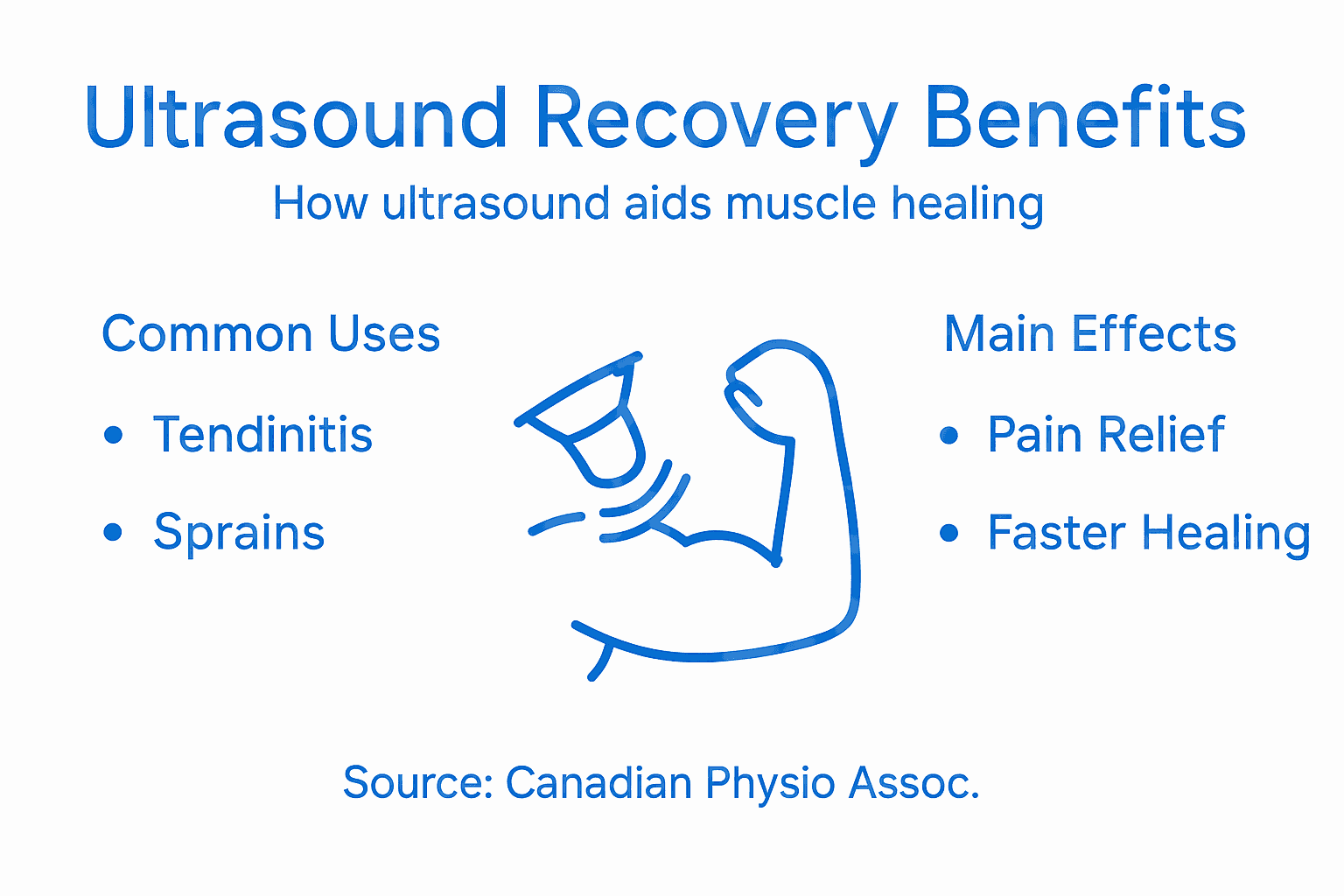
Joint pain from arthritis or degenerative conditions often improves with regular ultrasound sessions. The treatment reduces stiffness, decreases inflammation around the joint, and improves your ability to move without discomfort. Knees, hips, shoulders, and ankles frequently benefit from this approach when combined with appropriate exercises.
Wound healing and post-surgical recovery are increasingly common applications. After procedures like arthroscopic surgery or soft tissue repair, ultrasound accelerates tissue remodelling and reduces scar formation. Your surgeon or physiotherapist may recommend ultrasound during your rehabilitation timeline.
Myofascial pain syndromes and trigger points respond well to ultrasound therapy. These stubborn pain patterns often involve deep muscle tissue that manual techniques alone cannot adequately reach. Ultrasound penetrates beyond the surface, providing relief where other treatments fall short.
Fragile or healing bones also benefit from therapeutic ultrasound. Fracture healing accelerates when ultrasound is applied appropriately, potentially reducing recovery time by several weeks. This application requires careful supervision by healthcare professionals.
Pro tip: Ask your physiotherapist whether combining ultrasound with home exercise routines will accelerate your recovery, as research increasingly supports integrated treatment approaches for better outcomes.
Risks, Side Effects, and Safety Precautions
Therapeutic ultrasound is generally safe when administered by trained professionals, but like any medical treatment, it carries potential risks. Understanding these risks helps you make informed decisions and communicate openly with your physiotherapist about your concerns. Knowing what to expect ensures you receive appropriate care tailored to your individual needs.
The most common side effect is mild discomfort or temporary soreness after treatment. Some patients experience increased inflammation in the first 24 to 48 hours, particularly if the injury is in an acute stage. This temporary increase typically resolves quickly and is actually a sign that the treatment is stimulating your body’s healing response.
Thermal burns represent a more serious but rare risk when ultrasound settings are too intense. Health Canada limits ultrasonic intensity to a maximum of 3 W/cm2 to prevent tissue damage. Qualified physiotherapists carefully calibrate equipment and monitor treatment duration to stay well within safe ranges. Proper equipment maintenance and regular calibration are non-negotiable requirements in professional settings.
Certain conditions require that ultrasound be avoided completely. Pregnant women should not receive ultrasound over the abdomen or lower back. Operators must avoid applying ultrasound directly over the brain, spinal cord, or areas of malignant tumours. If you have cancer, recent surgery, or metallic implants, inform your physiotherapist immediately.
Over-treatment can cause mechanical injuries or excessive inflammation. Your physiotherapist should clearly explain your treatment plan, including the number of sessions recommended and what results to expect. Treatment frequency typically ranges from once to three times per week, depending on your condition.
Communication with your healthcare provider is essential for safety. Report any unusual pain, persistent swelling, skin changes, or concerns immediately. Reputable clinics like Integrate Ottawa prioritise your safety through proper assessment, equipment standards, and transparent communication about any potential risks specific to your situation.
Pro tip: Before starting ultrasound therapy, ask your physiotherapist about their equipment calibration schedule and which specific conditions or contraindications might affect your treatment eligibility.
Comparing Ultrasound to Other Modalities
When it comes to treating musculoskeletal pain, you have options. Therapeutic ultrasound stands out among physical therapy modalities because of how it reaches deep tissues and stimulates healing at the cellular level. Understanding how it compares to other treatments helps you and your physiotherapist choose the best approach for your specific injury.
Heat packs and cold therapy remain popular choices for pain relief, but they work differently than ultrasound. Surface heating only affects tissues within the first few centimetres of skin, making them useful for comfort and muscle relaxation. Therapeutic ultrasound penetrates much deeper, reaching tendons, ligaments, and muscles that sit several centimetres beneath the surface where many injuries actually occur.
TENS (Transcutaneous Electrical Nerve Stimulation) units deliver electrical pulses that can mask pain signals. While effective for immediate pain relief, TENS primarily blocks pain perception rather than promoting tissue healing. Ultrasound actively stimulates cellular repair through thermal and mechanical effects that encourage your body to rebuild damaged tissue.
Shockwave therapy shares some similarities with ultrasound but uses higher intensity pulses over shorter durations. Both modalities stimulate tissue healing and increase blood flow. Shockwave therapy excels for very specific conditions like calcified tendinitis, while ultrasound offers gentler, more sustained stimulation suitable for a broader range of injuries. Your physiotherapist will recommend whichever matches your condition better.
Unlike imaging modalities such as CT or MRI scans, ultrasound provides portable assessment without radiation exposure. This makes it ideal for real-time soft tissue evaluation during treatment. However, for complex internal injuries or bone fractures requiring detailed structural information, imaging scans remain necessary.
The key advantage of therapeutic ultrasound is its combination of accessibility, safety, and effectiveness. It requires no injections, carries minimal risk, and produces results without prolonged recovery. Many Ottawa physiotherapists integrate ultrasound with exercise and manual therapy for comprehensive treatment that addresses pain, inflammation, and function simultaneously.
This table highlights how therapeutic ultrasound compares to other common physiotherapy modalities:
Modality | Depth of Action | Primary Benefit | Unique Advantage |
Therapeutic Ultrasound | Deep into tissues | Cellular healing and repair | Reaches structures below surface |
Heat Packs/Cryotherapy | Surface to 2 cm | Pain relief, muscle relaxation | Non-invasive and accessible |
TENS | Nerve pathways | Pain signal modulation | Immediate, non-pharmacological |
Shockwave | Localised focus | Stimulates healing, breaks down calcification | High efficacy for chronic calcification |
Imaging Ultrasound | Varies | Real-time visualisation | Portable, no radiation |
Pro tip: Ask your physiotherapist whether combining ultrasound with other modalities like manual therapy or specific exercises will improve your recovery, as multimodal approaches often produce faster results than single treatments alone.
Enhance Your Recovery with Expert Therapeutic Ultrasound Care
If you are struggling with musculoskeletal pain from conditions like tendinitis, bursitis, or muscle strains, you know how frustrating limited movement and persistent discomfort can be. Therapeutic ultrasound offers targeted relief by promoting deeper tissue healing through its mechanical and thermal effects, helping reduce inflammation and accelerate repair safely and effectively. At Integrate Ottawa, our team understands the importance of combining this advanced therapy with personalized physiotherapy and manual techniques to get you back to feeling your best sooner.
Take control of your healing journey today with expert guidance from our multi-disciplinary professionals. Discover how integrating therapeutic ultrasound with tailored physiotherapy and comprehensive musculoskeletal care can transform your recovery experience. Visit Integrate Ottawa now to book your assessment and start benefiting from evidence-based treatments designed around your unique needs.
Frequently Asked Questions
What conditions can therapeutic ultrasound help treat?
Therapeutic ultrasound is commonly used to treat conditions such as tendinitis, bursitis, muscle strains, sprains, joint pain from arthritis, and post-surgical recovery. It promotes healing by reducing inflammation and enhancing blood flow to the affected areas.
How does therapeutic ultrasound work in promoting recovery?
Therapeutic ultrasound works by using high-frequency sound waves to create thermal, mechanical, and chemical effects in the tissues. These effects stimulate cellular activity, increase blood circulation, and enhance the body’s natural healing processes.
How long does a typical therapeutic ultrasound session last?
A typical therapeutic ultrasound session lasts between 5 to 10 minutes per treatment area. Patients often feel gentle warmth during the procedure, and many notice improvements after 3 to 5 sessions, depending on their specific condition.
Are there any risks or side effects associated with therapeutic ultrasound?
While therapeutic ultrasound is generally safe, some individuals may experience mild discomfort or temporary soreness after treatment. In rare cases, excessive heat can lead to thermal burns. It is crucial to communicate any unusual sensations to your physiotherapist during treatment.
Recommended
Comments