

Why Seek Pain Management: Enhancing Mobility and Life
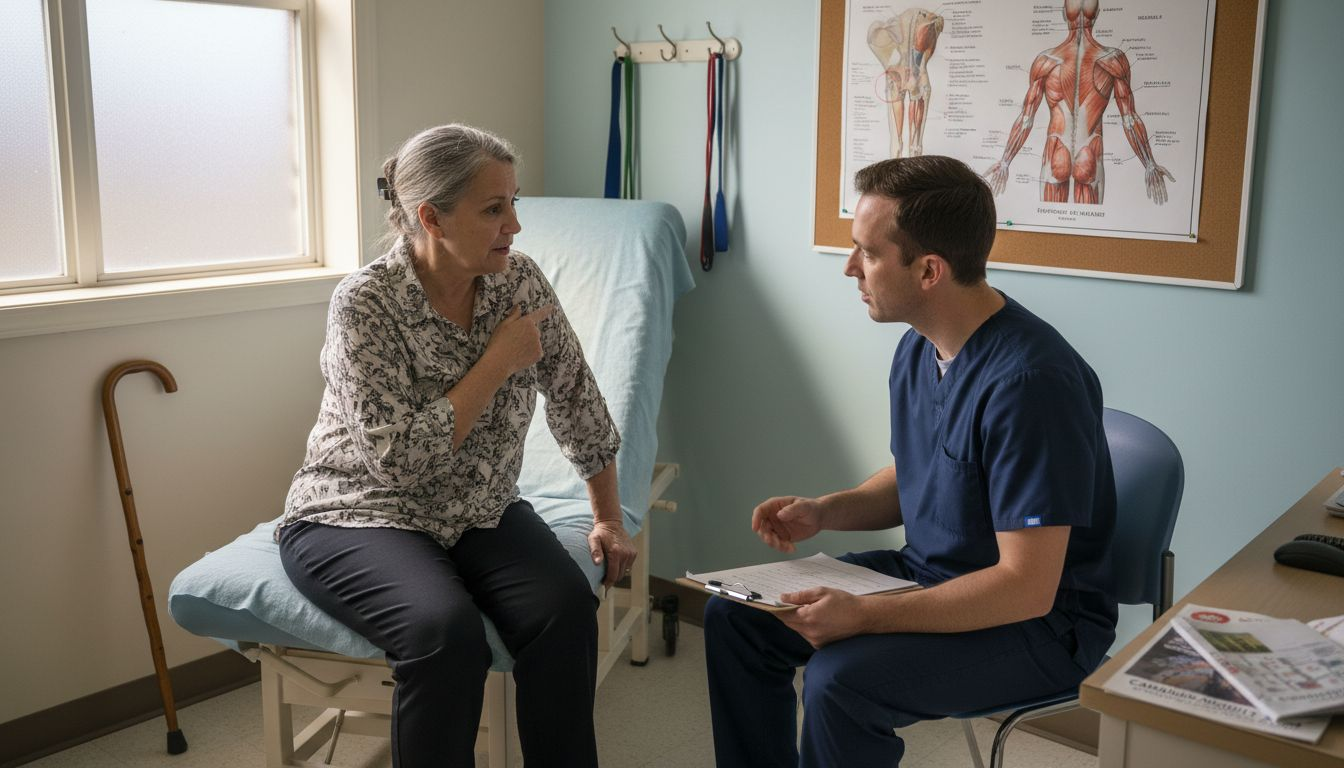
Persistent musculoskeletal pain can turn routine activities in Ottawa into daily struggles, affecting both physical movement and emotional well-being. When discomfort from muscles or joints disrupts sleep, work, and relationships, individuals need solutions grounded in science. Discover how a comprehensive approach to pain management using evidence-based physiotherapy and chiropractic care can help you regain mobility and restore your quality of life. Start building your path toward lasting relief through strategies that address the many facets of pain.
Table of Contents
Key Takeaways
Point | Details |
Comprehensive Pain Management | It involves a multidisciplinary approach that includes pain assessment, individualised treatment plans, and regular monitoring to enhance quality of life. |
Understanding Pain Types | Recognising the differences between nociceptive and neuropathic pain is crucial for effective treatment strategies. |
Risks of Untreated Pain | Ignoring pain can lead to significant physical, psychological, and functional declines, underscoring the importance of effective management. |
Interdisciplinary Approach | Collaboration among healthcare professionals is essential to address the complex nature of pain and develop holistic treatment plans. |
What Pain Management Involves
Pain management is a comprehensive, multidisciplinary approach to understanding, assessing, and treating pain across various stages and intensities. It goes far beyond simply prescribing medication, focusing instead on holistic pain assessment and intervention strategies.
At its core, pain management involves several critical components that work together to help patients regain mobility and improve their quality of life:
Comprehensive Pain Assessment: Evaluating pain’s location, intensity, duration, and underlying causes
Individualized Treatment Plans: Developing targeted strategies based on patient-specific needs
Multimodal Intervention Approaches: Combining different treatment techniques
Regular Monitoring and Adjustment: Tracking progress and modifying treatments as needed
The approach typically integrates multiple therapeutic strategies, including:
Pharmacological Interventions
Over-the-counter pain relievers
Prescription medications
Targeted pain management drugs
Non-Pharmacological Treatments
Physical therapy
Massage therapy
Psychological counselling
Exercise and rehabilitation programs
Effective pain management requires a patient-centred approach that considers the entire spectrum of an individual’s physical and emotional well-being.
Healthcare professionals recognize that pain is a complex experience influenced by physical, psychological, and social factors. Interdisciplinary teams work collaboratively to develop comprehensive treatment plans that address these multiple dimensions.
Pro tip: Always communicate openly with your healthcare provider about your pain experience, including its intensity, frequency, and impact on daily activities.
Types of Pain and Common Sources
Pain is a complex sensory experience with multiple classifications that help healthcare professionals understand and treat different conditions. Clinical pain research identifies two primary pain categories: nociceptive pain and neuropathic pain, each with unique characteristics and treatment approaches.
Nociceptive pain, which arises from tissue damage, can be further subdivided into two distinct types:
Somatic Pain: Affects muscles, bones, and soft tissues
Typically localized and sharp
Often results from injuries, sprains, or inflammation
Visceral Pain: Originates in internal organs
More diffuse and harder to pinpoint
Can be caused by conditions affecting digestive, respiratory, or cardiovascular systems
Neuropathic pain represents another critical category, characterized by:
Nerve damage or dysfunction
Burning or electric shock-like sensations
Often chronic and challenging to treat
Associated with conditions like diabetes, multiple sclerosis, and nerve compression
Effective pain management requires understanding the specific type and source of pain to develop targeted treatment strategies.
The sources of pain are diverse and can stem from various physiological and pathological processes. Musculoskeletal conditions, injuries, neurological disorders, and systemic diseases all contribute to different pain experiences that require specialized approaches.
To clarify different pain types and their characteristics, see this summary table:
Type of Pain | Common Causes | Typical Sensations | Treatment Challenges |
Somatic (nociceptive) | Muscle, bone, soft tissue | Localized, sharp pain | Usually acute, responds well |
Visceral (nociceptive) | Internal organ issues | Diffuse, hard to pinpoint | Difficult diagnosis |
Neuropathic | Nerve damage/dysfunction | Burning, electric shock | Often chronic, hard to treat |
Pro tip: Keep a detailed pain journal documenting location, intensity, duration, and potential triggers to help your healthcare provider develop a more precise treatment plan.
How Musculoskeletal Pain Affects Daily Life
Musculoskeletal pain can dramatically disrupt everyday functioning, transforming routine activities into challenging ordeals. The persistent discomfort associated with muscle, bone, and joint pain extends far beyond physical sensations, profoundly impacting an individual’s emotional well-being and overall quality of life.
The primary ways musculoskeletal pain interrupts daily activities include:
Work Performance
Reduced productivity
Increased absenteeism
Difficulty maintaining consistent work hours
Personal Care
Challenges with basic movements
Limited ability to perform household tasks
Increased dependency on others
Mobility and Exercise
Restricted physical movement
Decreased participation in recreational activities
Potential weight gain due to reduced activity
The psychological dimensions of chronic musculoskeletal pain are equally significant:
Increased stress levels
Higher risk of depression
Reduced social interactions
Diminished self-confidence
Persistent pain can create a cycle of physical limitation and emotional distress that significantly reduces an individual’s overall life satisfaction.
Chronic pain transforms simple tasks into complex challenges, requiring substantial mental and physical energy. Walking, sitting, sleeping, and even basic self-care activities become potential sources of discomfort and frustration.

Pro tip: Develop adaptive strategies for daily tasks, such as using ergonomic tools and breaking complex activities into smaller, manageable steps to reduce pain-related stress.
Evidence-Based Treatments in Physiotherapy and Chiropractic
Professional pain management through physiotherapy and chiropractic care represents a sophisticated, evidence-driven approach to musculoskeletal recovery, targeting root causes rather than merely masking symptoms. These evidence-based treatments combine scientific research, advanced diagnostic techniques, and precision interventions to address complex pain conditions.
Physiotherapy treatments typically encompass multiple evidence-supported strategies:
Manual Therapy Techniques
Joint mobilization
Soft tissue manipulation
Myofascial release
Movement Rehabilitation
Targeted exercise prescriptions
Postural correction programs
Functional movement assessments
Pain Modulation Interventions
Electrotherapy
Ultrasound treatment
Therapeutic taping techniques
Chiropractic approaches complement physiotherapy through complementary interventions:
Spinal manipulation
Joint alignment corrections
Biomechanical assessments
Nerve system optimization
Scientific evidence demonstrates that integrated, patient-centred approaches yield superior outcomes compared to isolated treatment methods.
Biomechanical analysis forms the foundation of these treatments, allowing practitioners to understand complex interactions between muscles, joints, and neurological systems. Precision diagnostic tools enable healthcare professionals to develop customized treatment protocols addressing individual patient needs.
Pro tip: Request a comprehensive biomechanical assessment to understand your unique musculoskeletal patterns and develop a targeted treatment strategy.
Benefits and Long-Term Impacts of Care
Comprehensive pain management strategies yield significant long-term health benefits beyond immediate symptom relief. These interventions transform pain from a debilitating condition into a manageable aspect of personal health, empowering patients to reclaim their quality of life.
The key long-term benefits of professional pain management include:
Physical Restoration
Improved muscle strength
Enhanced joint mobility
Reduced risk of chronic disability
Psychological Well-being
Decreased anxiety and depression
Increased self-confidence
Better stress management
Social Functionality
Restored work capacity
Enhanced social interactions
Improved personal relationships
Patients experience multiple interconnected advantages through sustained care:
Reduced medication dependency
Lower healthcare intervention costs
Increased overall physical activity
Better sleep quality
Enhanced mental resilience
Effective pain management is not about eliminating pain completely, but about developing strategies to live a full, productive life despite physical challenges.
Interdisciplinary approaches create comprehensive treatment frameworks that address pain’s complex, multidimensional nature. By targeting physical symptoms, emotional responses, and lifestyle factors simultaneously, healthcare professionals help patients develop sustainable long-term wellness strategies.
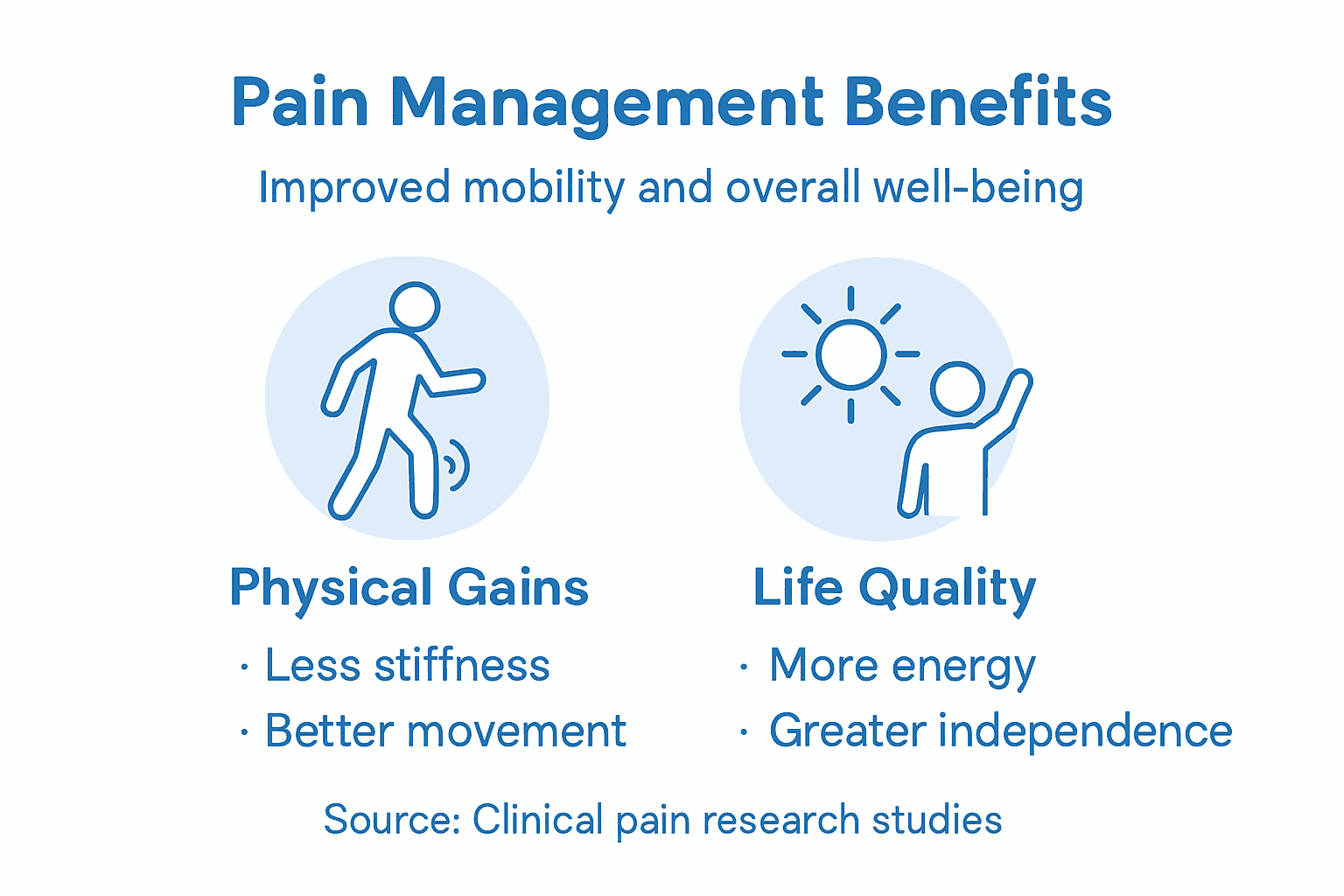
Below is a reference table outlining the long-term impacts of professional pain management:
Benefit Area | Positive Impact | Example Outcome |
Physical Health | Enhanced strength, mobility | Able to return to exercise |
Psychological | Reduced anxiety, greater confidence | Improved emotional wellbeing |
Social Life | Restored work, relationships | Active in daily activities |
Pro tip: Maintain consistent communication with your healthcare team and actively participate in your recovery plan to maximize long-term treatment outcomes.
Risks of Untreated Pain and Common Mistakes
Untreated pain can create cascading negative health consequences that extend far beyond immediate physical discomfort. When pain is ignored or improperly managed, patients risk developing chronic conditions that significantly diminish their quality of life and overall functional capacity.
The most critical risks associated with untreated pain include:
Physiological Deterioration
Muscle weakness and atrophy
Reduced joint mobility
Accelerated tissue degeneration
Psychological Impact
Increased anxiety and depression
Chronic stress responses
Reduced mental resilience
Functional Limitations
Decreased work productivity
Social withdrawal
Loss of independence
Common mistakes patients and healthcare providers make during pain management involve:
Over-relying on medication
Neglecting holistic treatment approaches
Failing to communicate pain details
Avoiding comprehensive assessments
Discontinuing treatment prematurely
Pain management is not about temporary relief, but creating sustainable strategies for long-term health and mobility.
Chronic pain conditions often emerge when initial symptoms are dismissed or inadequately addressed. By understanding these risks, patients can take proactive steps to interrupt potential negative health trajectories and maintain their overall well-being.
Pro tip: Document your pain experiences systematically, including intensity, duration, and triggering factors, to help healthcare professionals develop more precise treatment strategies.
Take Control of Your Pain and Reclaim Your Life Today
Persistent musculoskeletal pain can limit your mobility and affect every part of your daily routine. If you are facing challenges like reduced work performance, difficulty with personal care, or emotional stress caused by chronic pain, it is time to explore comprehensive solutions designed to address these exact struggles. At Integrate Ottawa, our evidence-based physiotherapy and chiropractic care focus on diagnosing root causes and creating personalised treatment plans that support your long-term well-being.
Do not let untreated pain disrupt your quality of life any longer. Discover how our physiotherapy services and collaborative health team can help reduce your pain, improve your mobility, and restore your confidence. Act now to book your assessment and start a patient-centred recovery journey tailored for you. Visit Integrate Ottawa today and take the first step toward living fully despite pain.
Frequently Asked Questions
What are the main components of pain management?
Pain management involves comprehensive pain assessment, individualized treatment plans, multimodal intervention approaches, and regular monitoring and adjustment of treatments to help patients regain mobility and improve their quality of life.
What types of pain are addressed in pain management?
Pain management addresses two primary categories of pain: nociceptive pain (which includes somatic and visceral pain) and neuropathic pain, each requiring different treatment strategies based on their unique characteristics.
How does musculoskeletal pain affect daily activities?
Musculoskeletal pain can significantly disrupt daily activities by reducing work performance, hindering personal care tasks, and limiting mobility and exercise, which can also lead to emotional distress and decreased quality of life.
What long-term impacts can professional pain management have on individuals?
Long-term impacts of professional pain management include improved physical health, enhanced psychological well-being, and restored social functionality, leading to better overall life satisfaction and reduced dependency on medication.
Recommended
Comments