

How to Manage Muscle Injuries Naturally for Active Recovery
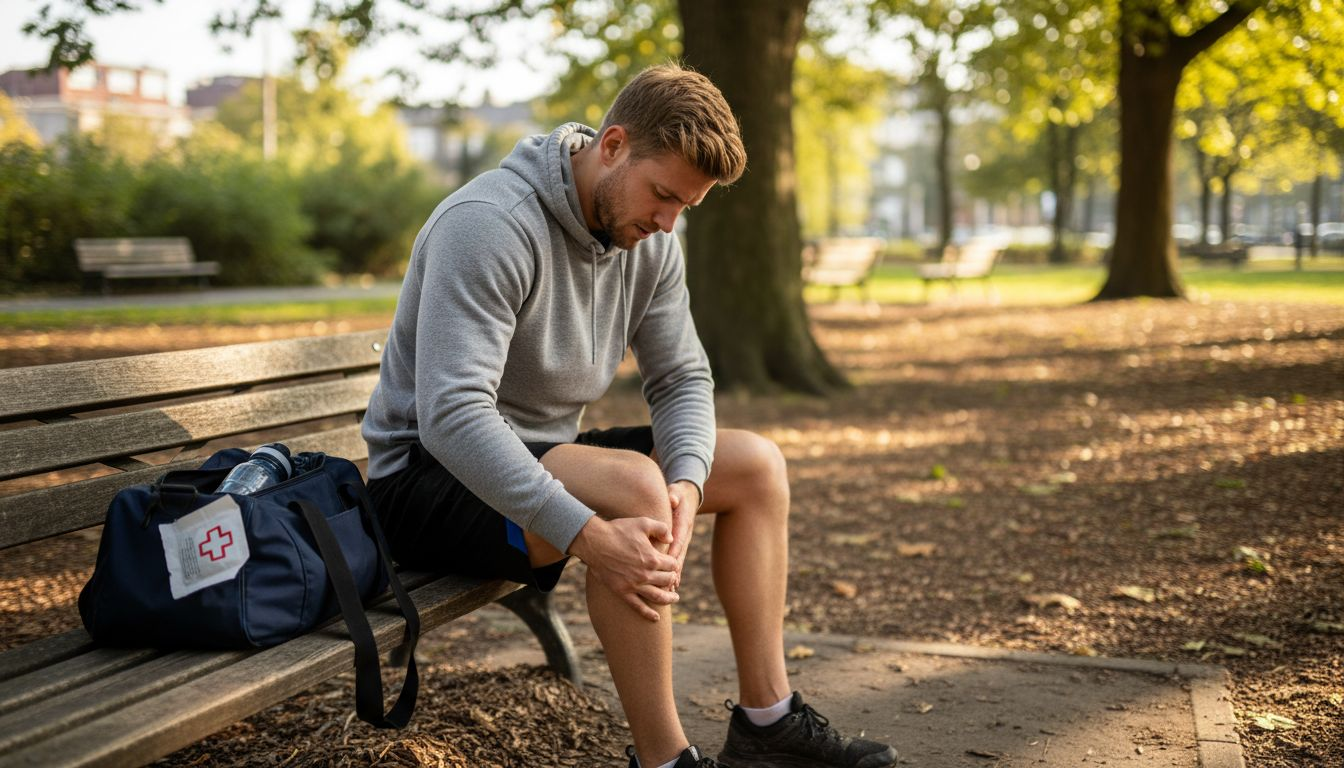
Struggling with muscle pain after a tough game or training session is a familiar challenge for many Ottawa athletes. Addressing an injury early is key because your body often signals problems through pain, swelling, or tingling. Recognizing these warning signs of musculoskeletal injury and seeking guidance from a multidisciplinary team can set the foundation for faster, safer recovery. This essential guide helps you understand each step in evaluating, treating, and tracking muscle injuries with a thorough, evidence-based approach customized for the Ottawa community.
Table of Contents
Quick Summary
Essential Insight | Detailed Explanation |
1. Recognize Warning Signs | Identify symptoms of muscle injury such as pain, swelling, and limited mobility for early detection. |
2. Consult Healthcare Experts | Engage with a team of specialists to create a comprehensive rehabilitation plan tailored to your needs. |
3. Implement RICE Protocol | Apply rest, ice, compression, and elevation immediately to minimize further damage after an injury. |
4. Follow Tailored Exercises | Work on a personalized rehabilitation program progressively to rebuild strength and prevent re-injury. |
5. Monitor and Adapt Progress | Regularly track recovery metrics and adjust your rehabilitation plan based on your healing response. |
Step 1: Assess the Severity and Identify Warning Signs
Recognizing the early signs of muscle injury can dramatically improve your rehabilitation process and prevent long-term complications. Your body communicates potential muscle damage through specific warning signals that require careful assessment and prompt attention.
To effectively evaluate a muscle injury, start by examining key musculoskeletal injury indicators. Look for primary symptoms such as localized pain, swelling, reduced range of motion, and unusual sensations like tingling or numbness. Pay attention to how these symptoms manifest: Are they sharp and sudden or gradual and persistent? Note the intensity of discomfort and any limitations in your physical movement. Track whether the pain increases during specific movements or remains constant.
If you experience significant pain, persistent swelling, or complete loss of mobility, these are strong indicators that the injury requires professional medical assessment. Amateur athletes should be particularly vigilant about distinguishing between minor strains and more serious muscle trauma. Consider the context of your injury - was it caused by a sudden movement, repetitive stress, or gradual overuse? Understanding the origin helps determine appropriate recovery strategies.
Professional Advice: Photograph or document your injury symptoms with measurements and timestamps to provide comprehensive information for healthcare professionals during your assessment.
Here is a comparison of common muscle injury warning signs and what they may indicate:
Symptom | Possible Severity | Recommended Action |
Sharp, sudden pain | Moderate to severe trauma | Seek medical assessment |
Gradual discomfort | Mild strain or overuse | Monitor and rest |
Persistent swelling | Significant injury | Consult specialist |
Tingling or numbness | Nerve involvement | Urgent medical review |
Limited mobility | Severe muscle damage | Immediate evaluation |
Step 2: Consult Multidisciplinary Experts for Evaluation
Navigating muscle injury recovery requires a strategic approach that leverages expertise from multiple healthcare professionals. Understanding when and how to engage comprehensive rehabilitation specialists can significantly impact your healing trajectory and long-term musculoskeletal health.
Begin by scheduling initial consultations with professionals who specialise in sports medicine and rehabilitation. Your ideal team might include a physiotherapist, sports chiropractor, registered massage therapist, and potentially a sports medicine physician. Each expert brings unique insights to assess your specific injury. The physiotherapist can evaluate movement patterns and recommend targeted exercises, while the chiropractor might identify underlying biomechanical issues contributing to your muscle strain. A registered massage therapist can provide soft tissue assessment and manual therapy techniques to support recovery.
During these consultations, be prepared to share detailed information about your injury, including how it occurred, your activity levels, and any previous similar injuries. Rehabilitation service specialists often collaborate to build a comprehensive treatment plan that addresses not just the immediate injury, but your overall musculoskeletal health and future injury prevention.
Professional Advice: Request a written summary of each expert’s assessment to maintain a comprehensive record and facilitate communication between healthcare providers.
This table summarizes the contributions of various rehabilitation team members:
Professional | Primary Role | Unique Contribution |
Physiotherapist | Restore movement and function | Tailored exercise and mobility guidance |
Sports Chiropractor | Address biomechanical alignment | Corrects posture and joint mechanics |
Registered Massage Therapist | Reduce muscle tension | Manual therapy for soft tissues |
Sports Medicine Physician | Diagnose and oversee treatment | Advanced intervention and medical oversight |
Step 3: Apply Immediate Protection and Safe Movement Strategies
Minimising further muscle damage requires swift and strategic action immediately following an injury. Learning safe movement protection techniques can dramatically reduce potential complications and support your body’s natural healing process.
Implement the RICE protocol your healthcare professionals recommend rest, ice, compression, and elevation as your immediate injury management strategy. Focus on protecting the injured muscle group by avoiding movements that cause sharp pain or additional strain. This means modifying your daily activities and being mindful of how you position and move the affected area. When walking or standing, distribute your weight carefully to minimise stress on the injured muscle. Use supportive braces or gentle compression garments if recommended by your physiotherapist to provide stability and reduce swelling.
As you navigate your recovery, gradually reintroduce gentle movement under professional guidance. Start with extremely low impact activities that do not trigger pain such as light stretching or controlled range of motion exercises. Pay close attention to your body’s signals and stop immediately if you experience increased discomfort. Your goal is to maintain muscle flexibility and prevent stiffness without overwhelming the healing tissue.
Professional Advice: Create a pain tracking log to document your movements, discomfort levels, and recovery progress to share with your healthcare team.
Step 4: Initiate Tailored Rehabilitation Exercises and Therapies
Successfully recovering from a muscle injury demands a strategic approach to rehabilitation that goes beyond basic rest. Implementing personalized rehabilitation strategies will help you rebuild strength progressively and prevent future injuries.

Work closely with your healthcare team to develop a customized exercise program that matches your specific injury and recovery goals. Each therapeutic intervention should be carefully designed to address your unique musculoskeletal needs. This might include targeted physiotherapy exercises that gradually increase in intensity and complexity. Your rehabilitation protocol will likely begin with gentle range of motion activities, progressing to light resistance training and eventually more dynamic strengthening exercises. Pay attention to your body’s signals and communicate openly with your physiotherapist about pain levels and comfort during each stage of recovery.
Remember that effective musculoskeletal rehabilitation is a holistic process that integrates multiple therapeutic approaches. Consider complementary treatments such as manual therapy, soft tissue manipulation, and carefully prescribed movement therapies that support your primary rehabilitation goals. Track your progress meticulously and be patient with your body’s healing process, understanding that consistent and thoughtful effort leads to optimal recovery.
Professional Advice: Document your rehabilitation journey with photographs and written progress notes to help your healthcare providers fine tune your recovery strategy.
Step 5: Monitor Progress and Adapt Recovery Plan
Recovering from a muscle injury is not a linear journey but a dynamic process that requires constant evaluation and strategic adjustments. Ongoing injury recovery monitoring is critical to ensuring your rehabilitation stays on track and responsive to your body’s changing needs.
Establish a systematic approach to tracking your recovery by documenting key metrics such as pain levels, range of motion, strength improvements, and functional capabilities. Schedule regular check-ins with your healthcare providers to review these metrics and collaboratively determine whether your current rehabilitation strategy requires modification. Some indicators that might prompt plan adjustments include persistent pain, slower than expected progress, compensatory movement patterns, or recurring discomfort during specific activities. Your multidisciplinary team can help you interpret these signals and make nuanced modifications to your exercise protocols, treatment intensity, and recovery timeline.
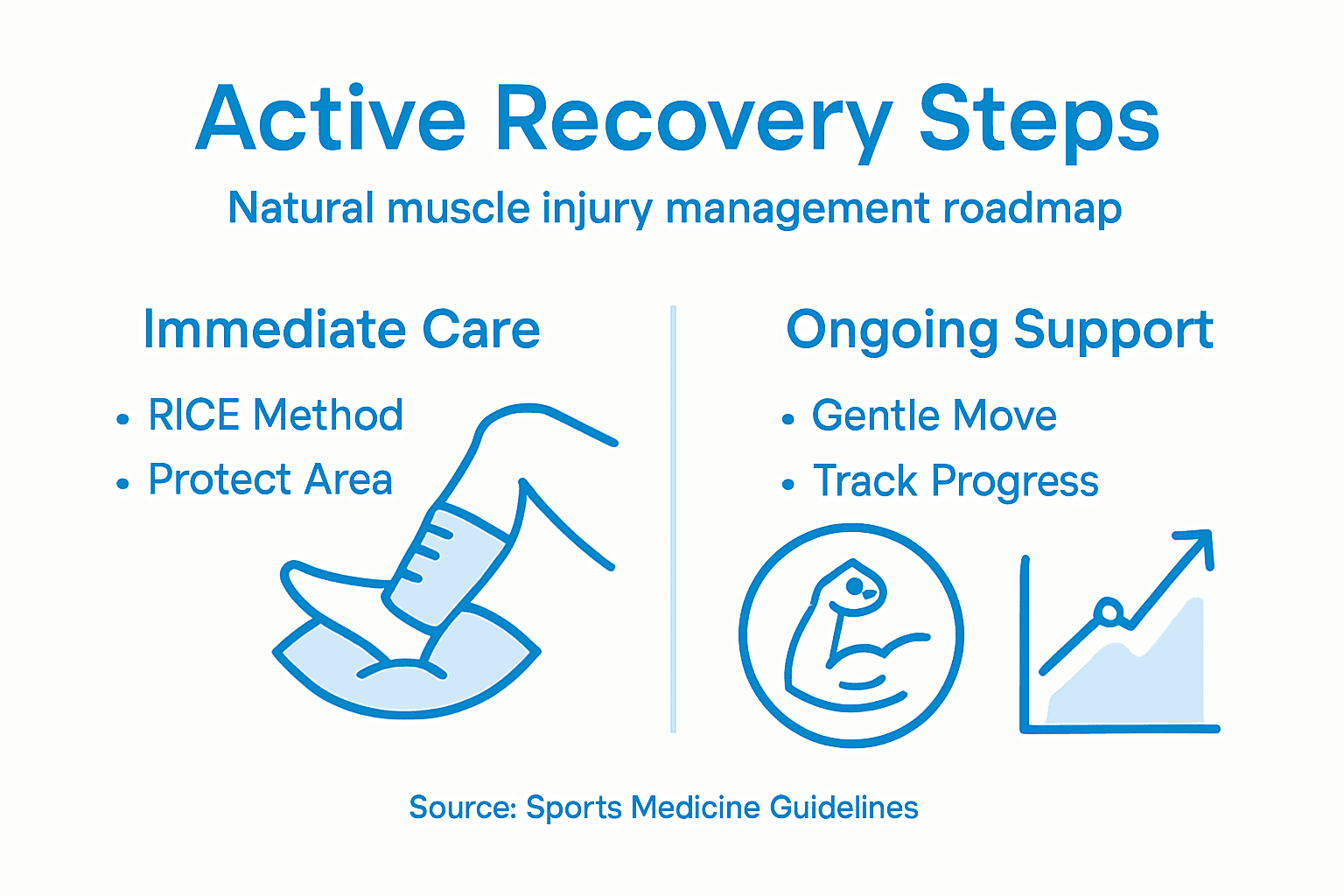
Remember that rehabilitation is an adaptive process requiring patience and proactive communication. Be honest with yourself and your healthcare providers about your experiences, challenges, and goals. Unexpected setbacks are normal and do not indicate failure but rather provide valuable information for refining your recovery strategy.
Professional Advice: Create a digital or physical recovery journal to track your progress systematically and maintain clear communication with your healthcare team.
Take Control of Your Muscle Injury Recovery Today
Managing muscle injuries naturally requires more than just immediate care it demands a comprehensive, expert-guided approach tailored to your unique needs. Whether you are dealing with sharp pain, limited mobility, or persistent swelling understanding these warning signs and progressing safely with rehabilitation exercises is key to a full and lasting recovery. Our team-based approach at Integrate Ottawa combines physiotherapy, chiropractic care, and massage therapy to support your active recovery with evidence-based treatments that restore strength and prevent future injury.
Don’t let uncertainty slow down your healing. Discover how our multidisciplinary specialists provide personalized evaluation and safe movement strategies that match your recovery goals. Visit us now at Integrate Ottawa to book a consultation and start a tailored rehabilitation plan that puts your long-term musculoskeletal health first.
Frequently Asked Questions
How can I identify the severity of my muscle injury?
To identify the severity of a muscle injury, assess symptoms like pain intensity, swelling, and range of motion. Monitor how symptoms evolve after specific movements and consult a healthcare professional if pain is sharp or swelling persists.
What immediate actions should I take after sustaining a muscle injury?
Immediately following a muscle injury, implement the RICE method: rest, ice, compression, and elevation. Start with a 20-minute ice application and keep the injured area elevated to reduce swelling.
How can I develop a tailored rehabilitation plan for my muscle injury?
Engage a healthcare team to design a personalized rehabilitation plan that suits your injury and goals. Start by sharing injury details with professionals during your consultations to tailor exercises effectively.
What role does tracking progress play in muscle injury recovery?
Tracking your progress is vital for adjusting your recovery plan effectively. Maintain a journal to log pain levels, mobility, and any setbacks, helping you and your team refine your rehabilitation strategy.
When should I consider consulting a multidisciplinary team for my injury?
Consult a multidisciplinary team if you experience significant pain, persistent swelling, or limited mobility several days post-injury. Make appointments with specialists such as physiotherapists or chiropractors to address any complications early on.
What gradual activities should I reintroduce during recovery?
Begin with low-impact activities like gentle stretching or slow walking when reintroducing movement. Aim to increase activity frequency within 5 to 10 days post-injury while ensuring you do not exceed your comfort zone.
Recommended


Comments