

Sports Injury Rehab: Recovery and Prevention in Ottawa
- Dec 6, 2025
- 6 min read
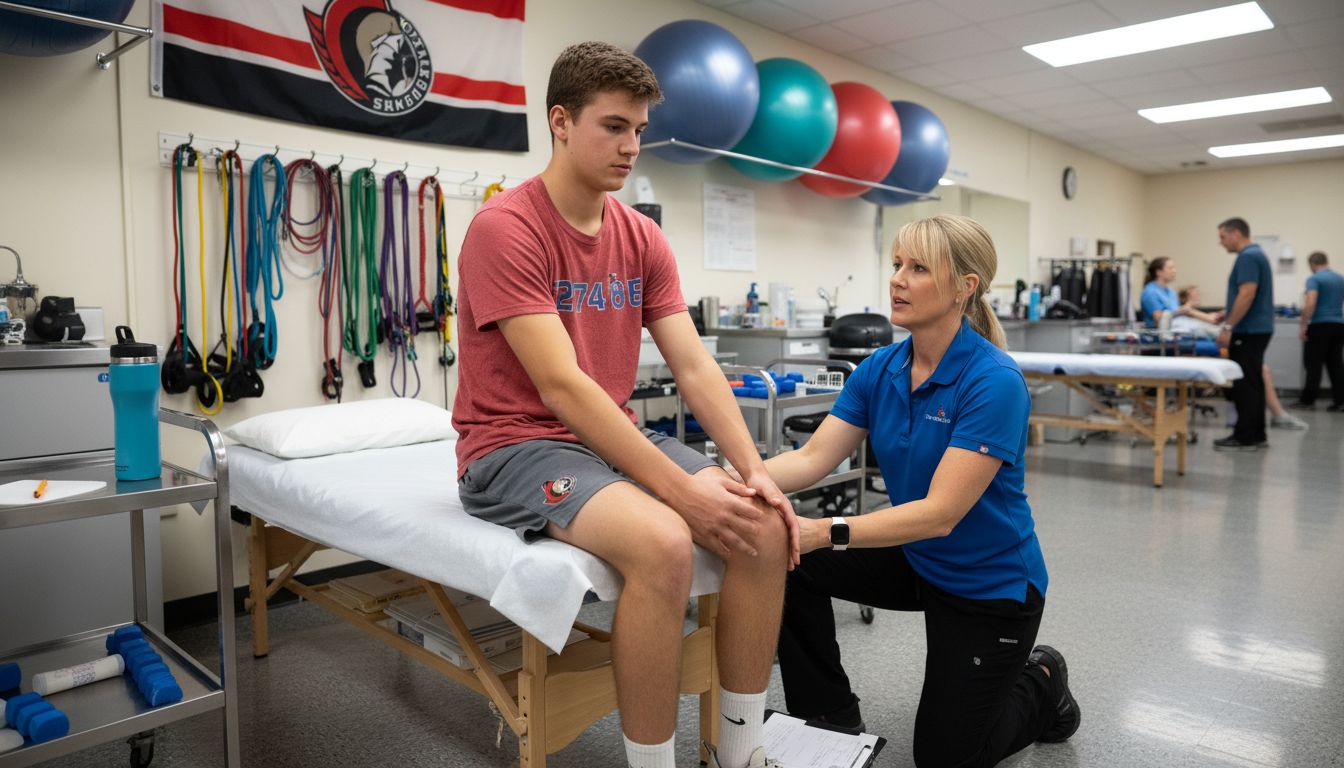
Most athletes are surprised to learn that nearly 30 percent of injuries can return without the right rehab plan. For Canadian sports enthusiasts, this reality makes proper recovery more urgent than ever. Understanding what goes into effective sports injury rehabilitation empowers you to move from pain and frustration toward a confident and lasting return to action, supported by proven strategies every step of the way.
Table of Contents
Key Takeaways
Point | Details |
Comprehensive Rehabilitation | Sports injury rehab is a multi-stage process focusing on restoring strength, mobility, and functional movement for athletes. |
Personalised Treatment Plans | Each athlete receives tailored treatment strategies based on a detailed assessment of their specific injuries and needs. |
Multidisciplinary Team Approach | Collaboration among various healthcare professionals ensures a holistic recovery, addressing both physical and psychological aspects of rehabilitation. |
Recognising Injury Risks | Athletes should be aware of warning signs that require professional evaluation to prevent minor issues from escalating into serious injuries. |
What Sports Injury Rehab Involves
Sports injury rehabilitation is a comprehensive, multi-stage process designed to help athletes recover from injuries and return to peak performance. Sports physiotherapists employ targeted strategies that go beyond simple healing to restore strength, mobility, and functional movement.
The rehabilitation process typically involves several critical stages. First, the physiotherapist conducts a detailed assessment to understand the specific injury’s nature and extent. This evaluation includes examining range of motion, identifying muscular imbalances, and determining the injury’s root cause. Personalized treatment plans are then developed, which may incorporate techniques like manual therapy, targeted exercises, and progressive loading strategies.
Key components of sports injury rehabilitation include:
Pain management and inflammation reduction
Restoration of joint mobility and muscle flexibility
Progressive strength training
Neuromuscular re-education
Sport-specific functional movement training
The ultimate goal of sports injury rehab is not just healing, but comprehensive injury prevention and performance optimization. Athletes work closely with healthcare professionals to rebuild physical capabilities, correct underlying movement patterns, and develop strategies to minimize future injury risks. This holistic approach ensures athletes can confidently return to their sport with reduced chances of re-injury.
Types of Injuries Treated by Rehab
Sports injury rehabilitation addresses a comprehensive range of musculoskeletal conditions that impact athletes and active individuals across various disciplines. Physiotherapy treatment approaches are designed to manage injuries ranging from acute trauma to chronic overuse conditions, ensuring targeted and effective recovery strategies.
The most common types of injuries treated through sports rehabilitation include:
Sprains and Strains: Ligament and muscle injuries affecting joints like ankles, knees, and shoulders
Tendonitis: Inflammation of tendons caused by repetitive movements or overload
Muscle Tears: Partial or complete ruptures in muscle fibres
Joint Injuries: Damage to shoulder, knee, elbow, and hip joints
Repetitive Stress Injuries: Conditions like tennis elbow, runner’s knee, and swimming-related shoulder problems
Fracture Rehabilitation: Recovery and strength restoration after bone injuries
Each injury type requires a nuanced approach tailored to the specific anatomical region, severity, and the athlete’s individual biomechanical characteristics. Physiotherapists conduct comprehensive assessments to develop personalized treatment protocols that address not just healing, but long-term functional restoration and injury prevention. These strategies may include manual therapy, progressive resistance training, neuromuscular re-education, and sport-specific movement pattern retraining to ensure athletes can return to their optimal performance levels safely and confidently.
Stages of the Rehabilitation Process
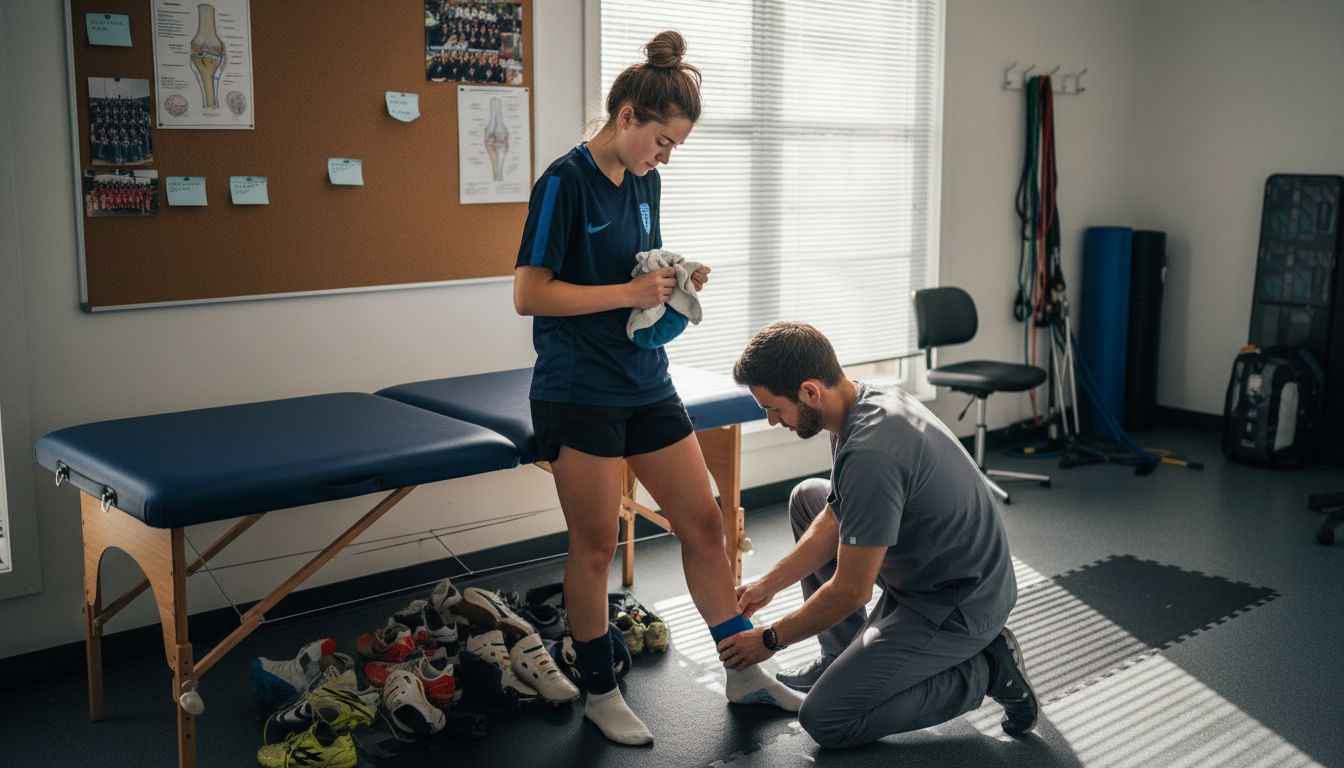
Sports injury rehabilitation follows a structured, progressive approach designed to restore an athlete’s physical function and prevent future injuries. This comprehensive process typically involves multiple carefully planned stages that address both physical healing and functional recovery.
The rehabilitation process generally encompasses four key stages:
Acute Management Stage
Immediate injury assessment
Pain and inflammation control
Protection of injured area
Initial range of motion evaluation
Recovery and Healing Stage
Gradual restoration of joint mobility
Gentle strengthening exercises
Soft tissue manipulation
Progressive load introduction
Functional Restoration Stage
Sport-specific movement patterns
Advanced strength training
Neuromuscular re-education
Balance and proprioception training
Return to Performance Stage
Full sport-specific skill restoration
Comprehensive physical conditioning
Confidence and psychological readiness assessment
Final performance testing
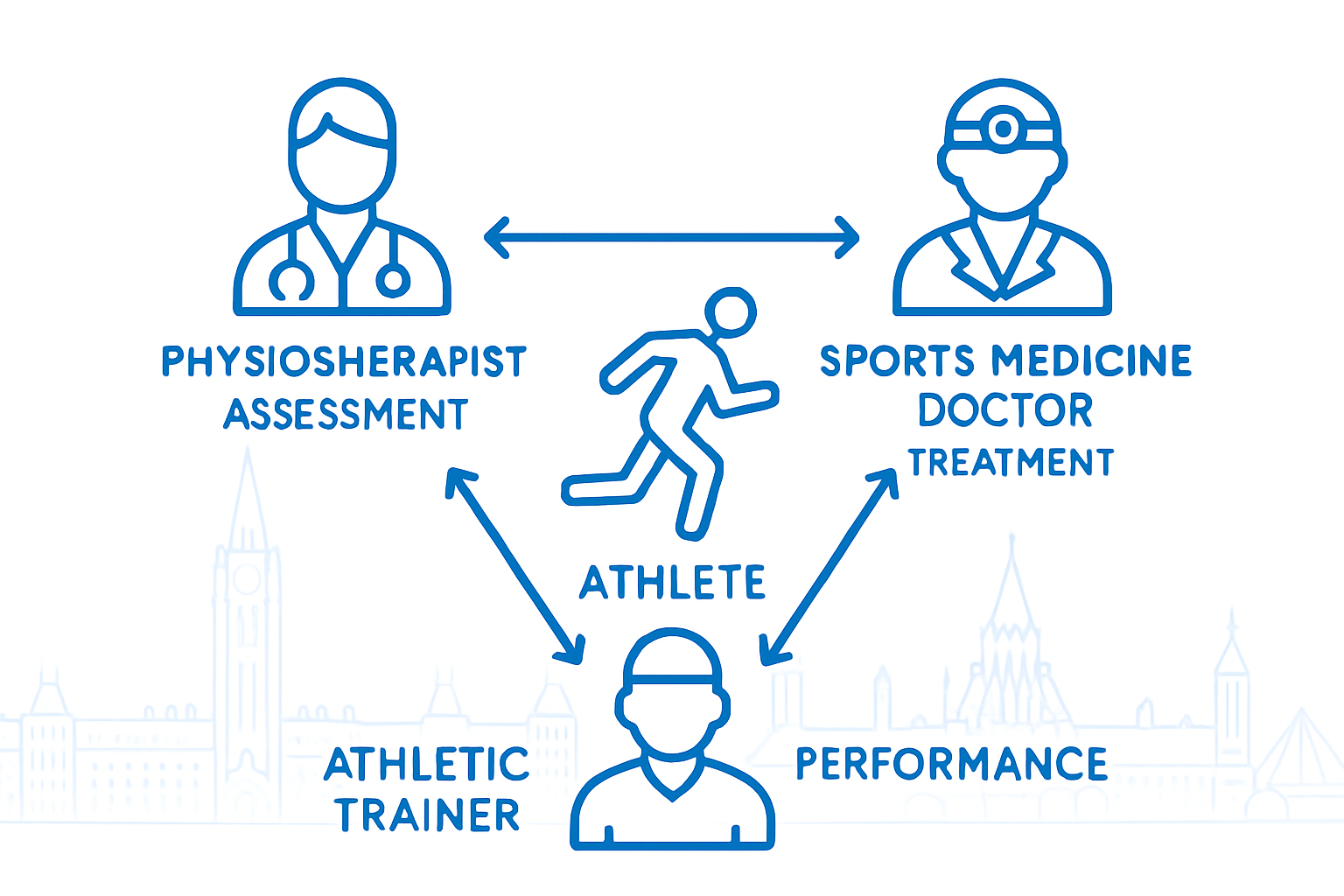
The integrated rehabilitation approach involves a coordinated support team including physiotherapists, sports medicine physicians, and other specialists. This multidisciplinary strategy ensures a holistic recovery that addresses not just physical healing, but also mental preparedness and long-term athletic performance. By following these systematic stages, athletes can safely return to their sport with reduced risk of re-injury and enhanced overall physical resilience.
Role of Multidisciplinary Care Teams
Sports medicine professionals understand that effective injury rehabilitation requires a collaborative, comprehensive approach. The multidisciplinary care team represents a strategic framework designed to address the complex needs of athletes through integrated, holistic treatment strategies.
The Integrated Support Team typically comprises several key healthcare professionals:
Sports Medicine Physicians: Primary diagnostic and treatment coordinators
Physiotherapists: Movement and functional recovery specialists
Orthopedic Surgeons: Addressing structural and surgical intervention needs
Athletic Therapists: Specialized in acute injury management
Strength and Conditioning Coaches: Developing targeted rehabilitation exercises
Massage Therapists: Providing soft tissue treatment and recovery support
The collaborative rehabilitation approach ensures that each team member contributes specialized expertise towards a unified recovery goal. This integrated strategy allows for comprehensive assessment, personalized treatment planning, and continuous monitoring of an athlete’s progress. By combining diverse professional perspectives, the multidisciplinary team can address not just the physical aspects of injury, but also psychological readiness, biomechanical efficiency, and long-term performance optimization. Such a holistic approach minimizes re-injury risks and supports athletes in achieving their full potential through evidence-based, patient-centred care.
Common Risks and When to Seek Help
Athletes and active individuals must be vigilant about recognizing potential injury risks and understanding when professional intervention becomes necessary. Physiotherapy assessment can help prevent minor issues from developing into more serious conditions that could compromise long-term athletic performance.
Warning Signs Requiring Immediate Professional Attention:
Persistent pain lasting more than 2-3 days
Sharp or sudden pain during physical activity
Significant swelling or bruising
Reduced range of motion
Recurring discomfort in the same body region
Pain that worsens with specific movements
Numbness or tingling sensations
Inability to bear weight on a joint
Risk factors that increase the likelihood of sports-related injuries include:
Inadequate warm-up routines
Muscle imbalances
Poor biomechanical technique
Insufficient recovery between training sessions
Previous unresolved injuries
Age-related physical changes
Sudden increases in training intensity
Sports injury rehabilitation professionals recommend a proactive approach to injury management. Early intervention can significantly reduce recovery time, prevent chronic conditions, and minimize the risk of long-term athletic performance limitations. If you experience persistent discomfort or notice recurring movement restrictions, scheduling a comprehensive assessment with a sports physiotherapy specialist is crucial to maintaining your physical health and athletic potential.
Regain Your Strength with Expert Sports Injury Rehab in Ottawa
Recovering from a sports injury can be challenging and frustrating, especially when persistent pain or limited mobility holds you back. This article highlights key stages like pain management, functional restoration, and injury prevention that are essential for a safe return to peak performance. At Integrate Ottawa, our multidisciplinary team understands these challenges and provides personalized physiotherapy, chiropractic care, and tailored rehabilitation plans to address your specific needs.
Take control of your recovery today by connecting with experienced professionals who focus on comprehensive injury management and long-term prevention. Book your appointment online at Integrate Ottawa and start your journey toward full recovery with a team dedicated to restoring your strength, mobility, and confidence.
Frequently Asked Questions
What is the sports injury rehabilitation process like?
Sports injury rehabilitation is a multi-stage process that includes assessment, personalized treatment plans, and various stages of recovery, including pain management, strength training, and sport-specific training.
What types of injuries can be treated through sports injury rehab?
Common injuries treated in sports rehabilitation include sprains, strains, tendonitis, muscle tears, joint injuries, repetitive stress injuries, and fractures.
How does a multidisciplinary care team benefit sports injury rehabilitation?
A multidisciplinary care team provides integrated support from various healthcare professionals, ensuring comprehensive assessment and treatment tailored to the athlete’s needs, addressing not just physical healing but also biomechanical efficiency and psychological readiness.
What are the warning signs that I should seek professional help for a sports injury?
You should seek professional attention if you experience persistent pain lasting more than 2-3 days, significant swelling, reduced range of motion, or recurring discomfort in the same area. Other red flags include sharp pain during activity, numbness, or inability to bear weight on a joint.
Recommended


Comments