

Why Early Intervention for Injuries Matters Most
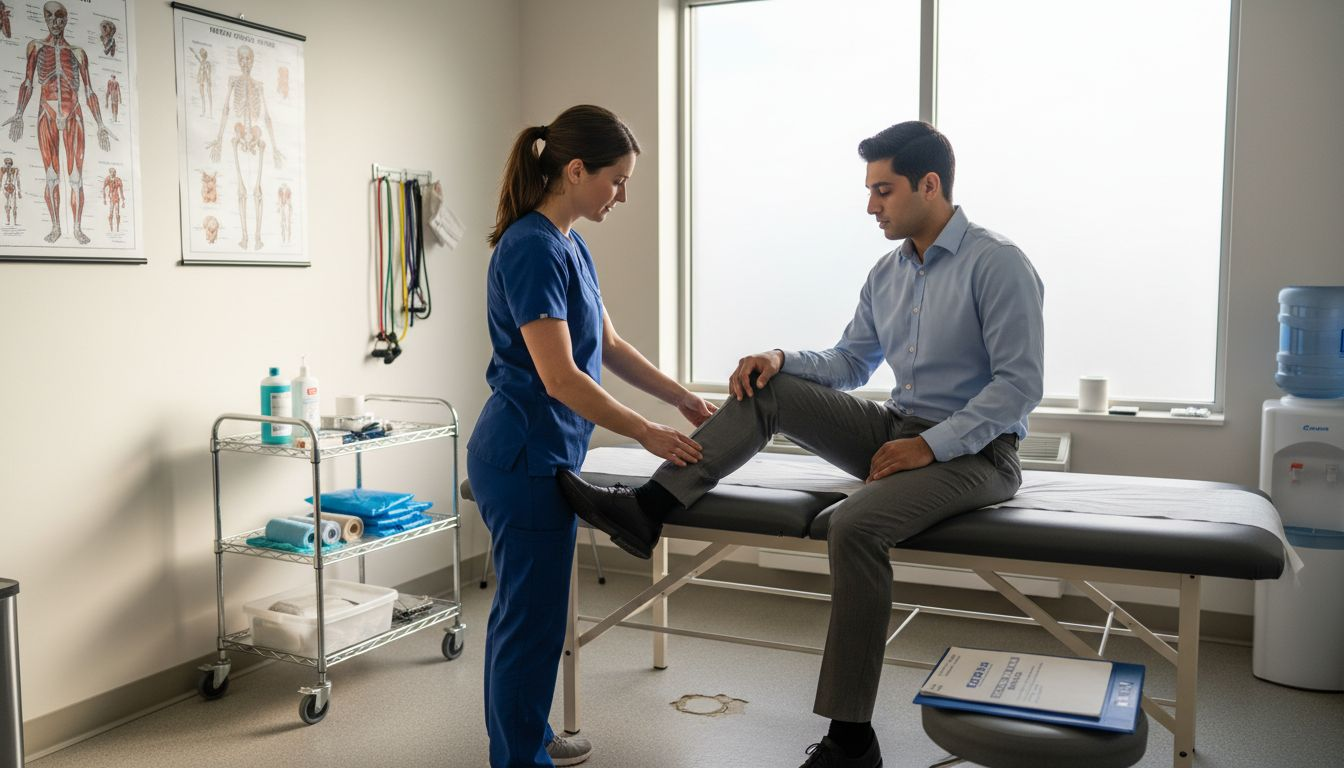
Suffering a sudden strain or sharp pain during a workout or day at work can completely derail your routine in Ottawa. Injury setbacks do not just impact your performance, they can disrupt every part of your life. Understanding the power of early intervention helps you take control, reduce the risk of long-term problems, and restore your movement sooner. This article uncovers how a focused, evidence-based approach from trusted physiotherapy and chiropractic professionals can help you reclaim your active lifestyle faster and more confidently.
Table of Contents
Key Takeaways
Point | Details |
Early Intervention is Crucial | Quick assessment and management of musculoskeletal injuries prevent long-term complications and reduce recovery times. |
Rapid Professional Assessment is Recommended | Seek professional evaluation within 48-72 hours post-injury for optimal recovery outcomes. |
Evidence-Based Care Enhances Treatment | Implementing current research and interdisciplinary care leads to more effective rehabilitation strategies. |
Prevent Chronic Pain by Acting Early | Proactive measures, including immediate assessments and ergonomic adjustments, can minimize risks of chronic pain and recurring issues. |
Defining Early Intervention for Injuries
Injuries are dynamic health challenges that require strategic, timely responses. Early intervention represents a proactive approach to addressing musculoskeletal trauma, focusing on immediate assessment and targeted management to prevent long-term complications. In the Canadian healthcare context, this approach means responding quickly and comprehensively when an injury occurs.
Understanding early intervention involves recognizing key characteristics that distinguish it from traditional reactive treatment models. Specific injury prevention strategies emphasize prompt medical evaluation, functional assessment, and coordinated care. The primary goals include:
Minimizing potential chronic pain development
Reducing overall recovery time
Preventing secondary injury complications
Restoring functional movement patterns
Mitigating potential long-term disability risks
The workplace injury prevention landscape in Canada demonstrates the critical nature of early intervention. Workplace injury management approaches highlight how rapid medical assessments within days or weeks of injury can dramatically improve return-to-work outcomes and reduce overall healthcare expenses. This proactive strategy involves comprehensive medical evaluations that assess functional limitations and develop tailored recovery plans.
Here’s a summary comparing traditional injury care with early intervention in the Canadian healthcare context:
Approach | Assessment Timing | Focus | Expected Outcomes |
Traditional injury care | Days to weeks post-injury | Symptom management | Prolonged recovery, higher risk of chronic issues |
Early intervention | Within 72 hours of injury | Functional restoration, prevention | Faster recovery, reduced long-term complications |
Pro tip: Schedule a professional assessment within 72 hours of experiencing a musculoskeletal injury to maximize your recovery potential and prevent potential long-term complications.
Types of Musculoskeletal Injuries Requiring Rapid Care
Musculoskeletal injuries encompass a wide range of physical traumas that impact muscles, bones, ligaments, tendons, and nerves. Work-related musculoskeletal disorders represent a critical category of injuries demanding immediate professional attention. These injuries can occur across multiple body regions, each presenting unique challenges and requiring specialized rapid care strategies.
The most common musculoskeletal injuries demanding swift intervention include:
Acute back strains: Often resulting from lifting, twisting, or sudden movements
Shoulder impingement: Causing restricted movement and persistent pain
Repetitive strain injuries: Developing from repeated workplace or athletic motions
Cervical and lumbar spine injuries: Potentially leading to long-term mobility issues
Soft tissue injuries: Including sprains, tears, and inflammation in muscles and ligaments
Workplace environments present particularly high risks for musculoskeletal injuries. Early intervention programs for workplace injuries have demonstrated significant potential in reducing injury duration and associated healthcare costs. Professionals in physically demanding roles, such as healthcare workers, construction workers, and athletes, are especially vulnerable to these types of injuries.

The following table highlights key roles and impact of multidisciplinary professionals for workplace injury recovery in Canada:
Professional Role | Main Contribution | Impact on Recovery |
Occupational therapist | Assess functional limitations | Supports safe return to work |
Physiotherapist | Rehabilitate movement patterns | Reduces long-term disability |
Ergonomist | Advise workplace modifications | Prevents injury recurrence |
Physician | Diagnose and oversee treatment | Guides intervention strategy |
Understanding the specific characteristics of each injury type enables healthcare providers to develop targeted, rapid response protocols. The key is recognizing early warning signs and implementing immediate assessment and treatment strategies to prevent chronic complications and extended recovery periods.
Pro tip: Document the precise circumstances of your injury immediately and seek professional assessment within 48-72 hours to maximize your recovery potential and prevent long-term mobility restrictions.
How Early Treatment Accelerates Recovery
Early treatment is a critical strategy that transforms injury recovery trajectories by addressing physical trauma immediately and strategically. Physical therapy intervention within 0-2 days can significantly reduce both treatment duration and overall healthcare resource utilization, making it a game-changing approach for musculoskeletal injuries.
The key mechanisms by which early treatment accelerates recovery include:
Preventing inflammation escalation: Immediate interventions limit inflammatory responses
Maintaining tissue mobility: Quick treatments preserve range of motion
Reducing compensatory movement patterns: Early care prevents secondary injury risks
Minimizing pain progression: Prompt treatment interrupts pain cycle development
Supporting faster neural rehabilitation: Immediate care promotes neurological healing
Early workplace injury treatment approaches demonstrate remarkable outcomes, with return-to-work timelines improving by 25-30% through targeted, rapid rehabilitation strategies. These approaches focus on comprehensive functional assessments, personalized rehabilitation plans, and proactive management techniques that address injury root causes.
Healthcare professionals utilize advanced diagnostic techniques and tailored treatment protocols to maximize recovery potential. By understanding individual injury mechanisms and implementing precise intervention strategies, they can help patients restore functionality more quickly and effectively than traditional reactive treatment models.
Pro tip: Maintain a detailed injury log documenting pain levels, movement limitations, and treatment responses to help healthcare providers develop the most effective recovery plan.
Preventing Chronic Pain and Recurrent Issues
Chronic pain represents a complex healthcare challenge that extends far beyond initial injury experiences. Early workplace injury interventions demonstrate that proactive strategies can substantially reduce long-term pain development, with untreated injuries potentially leading to chronic conditions in 20% of cases across Canadian workplaces.
The critical strategies for preventing chronic pain and recurrent injuries include:
Immediate professional assessment: Identifying injury mechanisms early
Comprehensive rehabilitation planning: Developing targeted recovery approaches
Ergonomic modification: Addressing underlying movement and workplace risk factors
Progressive mobility training: Restoring functional movement patterns
Mental health support: Addressing psychological impacts of injury recovery
Onsite ergonomic intervention strategies play a pivotal role in preventing recurring musculoskeletal issues. These approaches focus on identifying early indicators like minor soreness, biomechanical inefficiencies, and potential movement compensation patterns that could escalate into more significant health challenges.
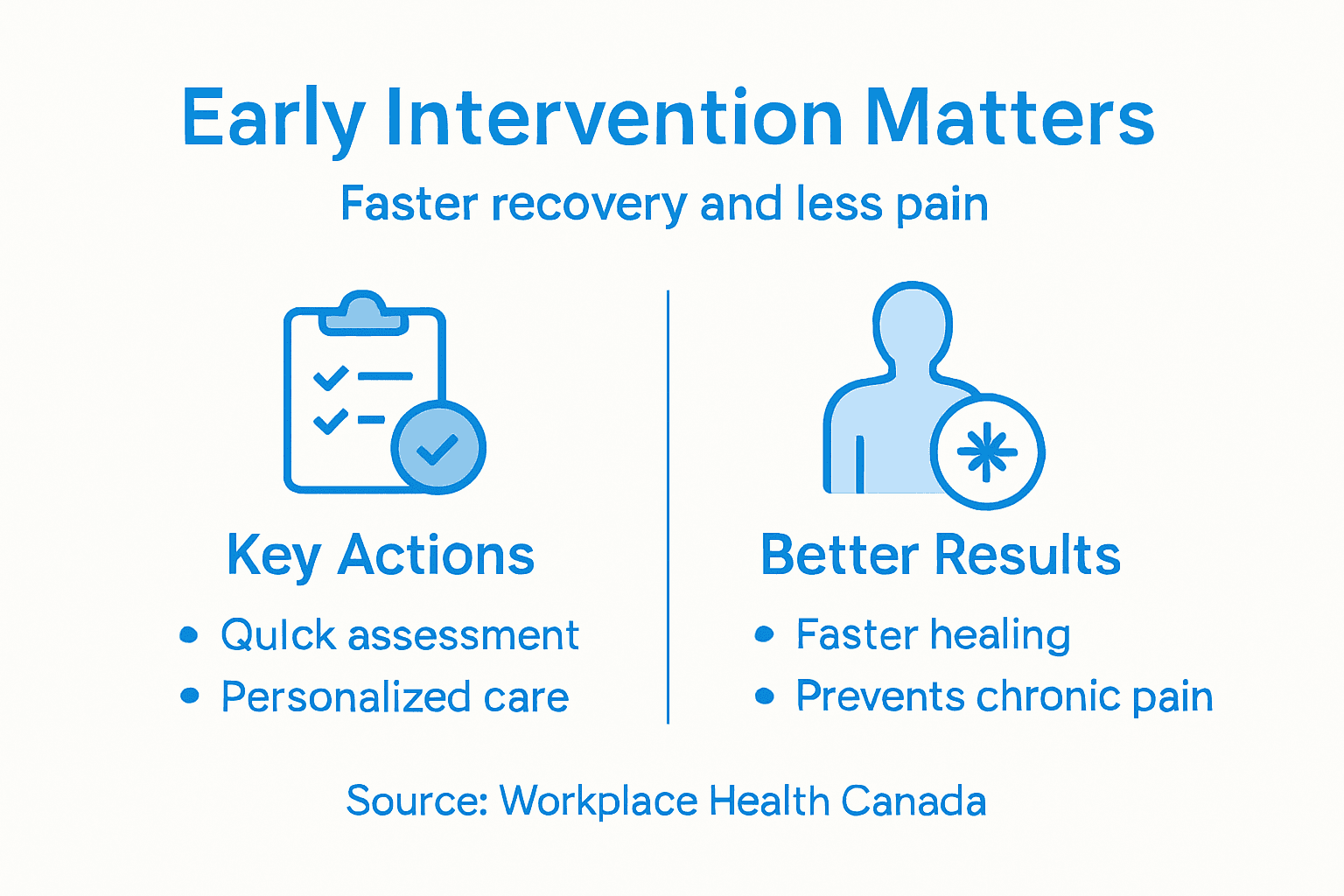
Healthcare professionals utilize advanced diagnostic techniques to create personalized intervention protocols. By understanding individual biomechanical patterns, movement limitations, and specific injury risk factors, they can develop comprehensive prevention strategies that address both physical and psychological dimensions of injury recovery.
Pro tip: Document any persistent discomfort or movement limitations immediately and consult a healthcare professional within one week of initial injury occurrence.
Choosing Evidence-Based Care in Ottawa
Evidence-based care represents a sophisticated approach to musculoskeletal injury treatment that prioritizes scientific research, clinical expertise, and patient-specific considerations. Trauma prevention strategies in Ottawa emphasize collaborative, multidisciplinary methods that ensure patients receive the most current and effective interventions.
Key elements of evidence-based musculoskeletal care in Ottawa include:
Comprehensive diagnostic assessments: Utilizing advanced medical technologies
Interdisciplinary treatment planning: Involving multiple healthcare specialists
Patient-centred rehabilitation strategies: Tailoring interventions to individual needs
Continuous outcome monitoring: Tracking recovery progress scientifically
Research-informed intervention protocols: Applying latest clinical guidelines
Independent Medical Evaluations in Ottawa demonstrate the city’s commitment to precision healthcare. These evaluations involve detailed functional assessments that help healthcare professionals develop targeted treatment plans, reduce recovery times, and minimize potential long-term complications.
Healthcare professionals in Ottawa understand that evidence-based care extends beyond traditional treatment models. They integrate cutting-edge research, advanced diagnostic techniques, and personalized rehabilitation strategies to provide comprehensive musculoskeletal injury management that addresses both immediate symptoms and potential future health risks.
Pro tip: Request detailed documentation of your treatment plan and ask your healthcare provider about the scientific evidence supporting each recommended intervention.
Start Your Recovery With Expert Early Intervention
Early intervention is critical when dealing with musculoskeletal injuries. If you are facing acute pain, limited mobility, or persistent discomfort after an injury, acting quickly can prevent chronic pain and reduce recovery time. At Integrate Ottawa, we understand how vital prompt assessment and evidence-based treatment are to restore your function and protect you from long-term complications. Our multidisciplinary team collaborates to create personalized recovery plans that address your unique injury and help you regain control over your health.
Don’t wait until pain worsens or movement becomes restricted. Take the first step toward faster healing and prevention of recurrent injuries by booking an appointment with our physiotherapy, chiropractic care, or pain and injury medicine specialists today. Visit Integrate Ottawa to explore our full range of services and schedule your professional assessment within the ideal early intervention window. Your path to recovery starts here.
Frequently Asked Questions
What is early intervention for injuries?
Early intervention for injuries refers to a proactive approach that focuses on immediate assessment and targeted management of musculoskeletal trauma to prevent long-term complications and promote faster recovery.
Why is it important to seek treatment within 72 hours of an injury?
Seeking treatment within 72 hours allows for prompt medical evaluation and can significantly reduce recovery time, minimize the risk of chronic pain development, and enhance the overall effectiveness of rehabilitation strategies.
What types of injuries benefit from early intervention?
Common types of injuries that benefit from early intervention include acute back strains, shoulder impingement, repetitive strain injuries, and soft tissue injuries such as sprains and tears.
How does early treatment help in recovering from injuries?
Early treatment helps prevent escalation of inflammation, maintain tissue mobility, reduce compensatory movement patterns, and minimize pain progression, leading to a faster recovery overall.
Recommended


Comments