

Rehabilitation for Neck Pain: Collaborative Care in Ottawa
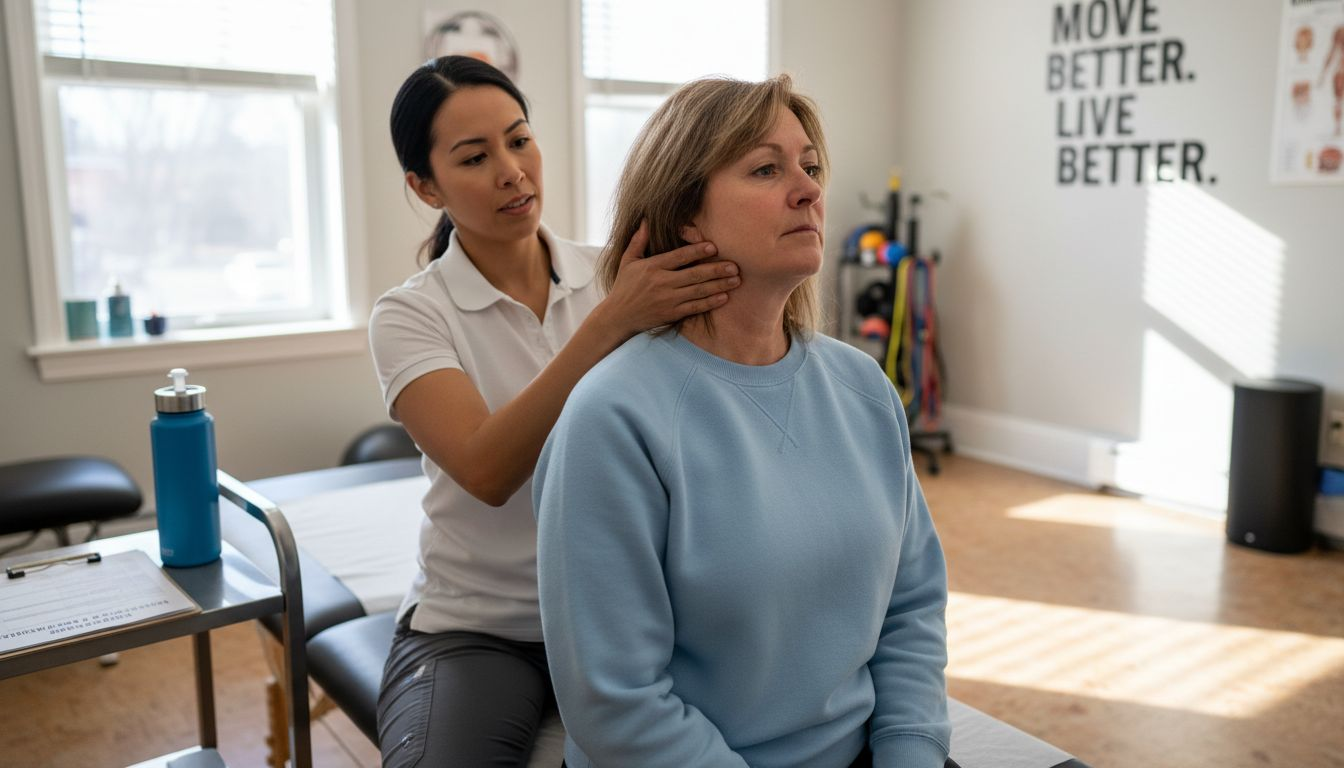
Neck pain impacts nearly one in four Canadian adults at some point in their lives. For those in Ottawa, daily discomfort and limited movement can make even simple tasks a challenge. Chronic neck pain needs more than quick fixes, and evidence shows multi-disciplinary clinics offer the most effective, personalized rehabilitation. Discover how a Canadian team can provide comprehensive, science-backed solutions designed to restore comfort and mobility.
Table of Contents
Key Takeaways
Point | Details |
Neck Pain Complexity | Neck pain is a multifaceted condition requiring a comprehensive understanding of its causes and tailored rehabilitation. |
Multidisciplinary Approach | Effective rehabilitation involves a team of healthcare professionals who collaboratively address the unique needs of each patient. |
Evidence-Based Treatments | Utilising scientifically validated therapies ensures better outcomes and addresses the root causes of neck pain. |
Avoiding Misconceptions | Patients should be wary of common myths surrounding neck pain management, emphasising the importance of movement and lifestyle factors in recovery. |
Defining neck pain and rehabilitation
Neck pain represents a complex musculoskeletal condition affecting thousands of Canadians, characterised by discomfort, stiffness, and restricted movement in the cervical spine region. This persistent challenge can emerge from various sources including poor posture, repetitive strain, injury, or underlying medical conditions. Understanding the nuanced landscape of neck pain requires recognizing its multifaceted nature and the comprehensive approaches needed for effective management.
Rehabilitation for neck pain involves a strategic, collaborative approach that integrates multiple healthcare disciplines to address the root causes and symptoms. How We Treat: Neck Pain highlights that professional rehabilitation typically encompasses physiotherapy, chiropractic interventions, massage therapy, and targeted exercise protocols. These interventions aim not just to alleviate immediate pain but to restore functional mobility, strengthen supporting muscles, and prevent future recurrences.
The rehabilitation process often involves a detailed assessment of an individual’s specific neck pain characteristics, including pain intensity, range of motion limitations, and potential neurological symptoms. Professionals will conduct comprehensive evaluations to develop personalised treatment plans that may include manual therapy techniques, therapeutic exercises, ergonomic recommendations, and patient education about proper body mechanics. The goal extends beyond symptom management to empowering patients with long-term strategies for maintaining spinal health and preventing future neck pain episodes.
Pro tip: Incorporate daily neck mobility exercises and maintain proper workstation ergonomics to significantly reduce the risk of developing chronic neck pain and support your rehabilitation efforts.
Types of neck pain and common causes
Neck pain manifests in various forms, each with distinct characteristics and potential origins. Acute neck pain typically emerges suddenly, often resulting from muscle strain, poor sleeping positions, or sudden movements that overstress the cervical spine. These short-term discomforts can usually be addressed through rest, gentle stretching, and targeted interventions. Neck pain symptoms and causes indicate that repetitive activities, workplace ergonomics, and unexpected physical trauma frequently contribute to these acute episodes.
Chromic neck pain represents a more complex condition, typically arising from underlying medical conditions such as degenerative disc disease, arthritis, or nerve compression syndromes. These persistent challenges often require comprehensive medical assessment and multidisciplinary treatment approaches. Individuals may experience symptoms like persistent stiffness, radiating pain into shoulders or arms, reduced range of motion, and occasional headaches. Specific types of chronic neck pain include cervical spondylosis, where age-related wear and tear impacts spinal vertebrae, and cervical radiculopathy, which involves nerve root compression causing significant discomfort.
Here’s a quick comparison of acute and chronic neck pain characteristics:
Pain Type | Common Triggers | Typical Symptoms | Recommended First Steps |
Acute | Sudden movement, strain | Sharp pain, restricted motion | Gentle stretching, short-term rest |
Chronic | Degeneration, compression | Stiffness, radiating pain | Comprehensive assessment, multidisciplinary care |
The biomechanical factors contributing to neck pain are diverse and interconnected. Poor posture, particularly from prolonged computer work or smartphone use, can create significant muscular imbalances and structural stress. Occupational risks play a substantial role, with professions involving repetitive motions, heavy lifting, or extended periods of static positioning being particularly vulnerable. Psychological factors like stress and anxiety can also exacerbate muscular tension, creating a complex feedback loop that amplifies neck pain experiences.
Pro tip: Invest in an ergonomic workspace setup and practice regular neck mobility exercises to proactively reduce your risk of developing chronic neck pain and support long-term spinal health.
Multidisciplinary rehabilitation approaches
Multidisciplinary rehabilitation for neck pain represents a comprehensive and integrated strategy that brings together diverse healthcare professionals to address complex musculoskeletal challenges. Role of Physiotherapy in Recovery highlights the critical importance of collaborative care, where each specialist contributes unique expertise to create a holistic treatment approach tailored to individual patient needs. This model recognizes that neck pain is rarely a singular issue but often involves intricate interactions between muscular, neurological, and biomechanical systems.
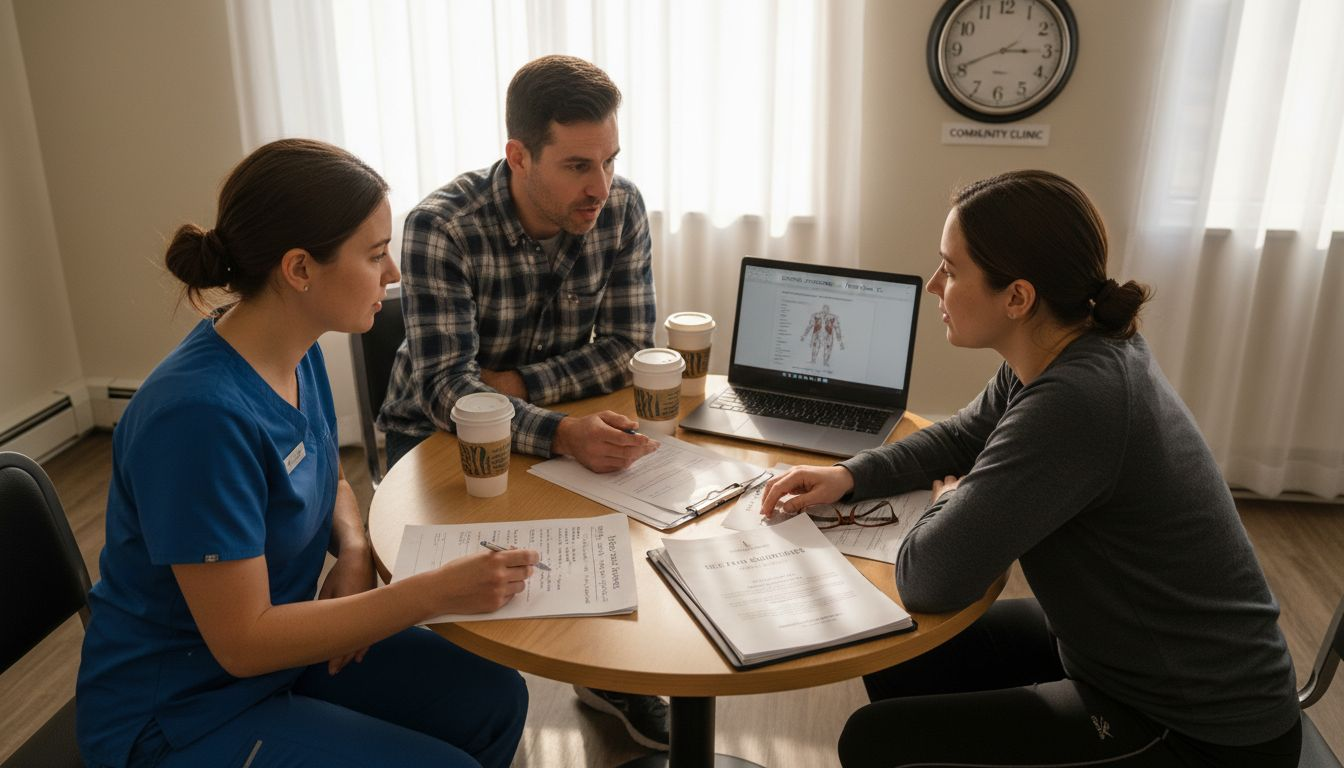
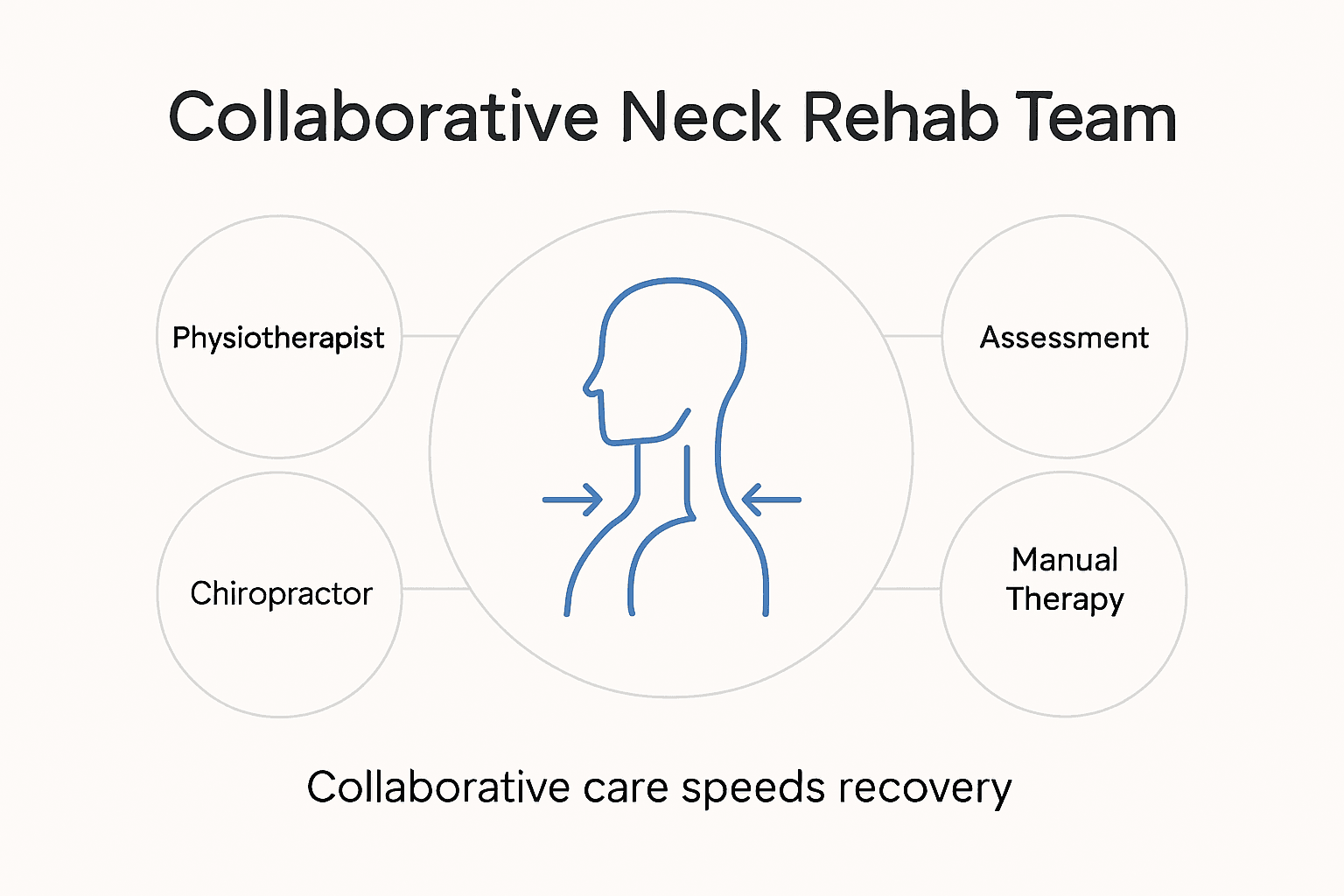
Typically, a multidisciplinary rehabilitation team might include physiotherapists, chiropractors, massage therapists, and pain management specialists. Each professional provides targeted interventions: physiotherapists focus on movement restoration and targeted exercises, chiropractors address spinal alignment and joint mobilization, massage therapists work on soft tissue relaxation and tension reduction, and pain specialists develop comprehensive pain management strategies. This integrated approach ensures that patients receive comprehensive care addressing not just symptoms, but underlying structural and functional challenges.
Below is a summary of the main roles in a multidisciplinary neck pain rehabilitation team:
Role | Primary Focus | Typical Techniques |
Physiotherapist | Restoring movement | Exercise programs, mobility training |
Chiropractor | Spinal alignment | Adjustments, joint mobilization |
Massage Therapist | Reducing muscle tension | Soft tissue massage, relaxation |
Pain Specialist | Managing overall pain | Medication planning, advanced therapies |
The collaborative rehabilitation process begins with a thorough diagnostic assessment, where different specialists contribute their perspectives to develop a nuanced understanding of the patient’s condition. Advanced diagnostic techniques, including physical examinations, imaging studies, and detailed patient history, inform a personalized treatment plan. This approach allows for dynamic adjustments to the rehabilitation strategy, ensuring that interventions evolve as the patient progresses through different recovery stages. Patient education and active participation are key components, empowering individuals to understand their condition and actively engage in their recovery journey.
Pro tip: Communicate openly with all members of your rehabilitation team and maintain a consistent record of your progress to maximize the effectiveness of your multidisciplinary neck pain treatment.
Evidence-based treatments and therapies
Evidence-based treatments for neck pain represent a rigorous, scientific approach to rehabilitation that prioritizes interventions proven through systematic research and clinical trials. Role of Manual Therapy in Musculoskeletal Care demonstrates how carefully selected therapeutic techniques can address the complex biomechanical challenges associated with neck pain. These treatments are characterized by their foundation in peer-reviewed research, quantifiable outcomes, and continuous refinement based on emerging scientific understanding.
The spectrum of evidence-based therapies includes manual therapy techniques, targeted physiotherapy exercises, precisely applied chiropractic adjustments, and advanced therapeutic interventions. Manual therapy involves specialized hands-on techniques designed to improve joint mobility, reduce soft tissue restrictions, and alleviate pain through carefully applied pressure and movement. Physiotherapy exercises focus on strengthening supportive muscles, improving flexibility, and restoring optimal movement patterns. Chiropractic adjustments aim to correct spinal misalignments, reduce nerve interference, and promote natural healing mechanisms. Additional evidence-supported approaches may include therapeutic ultrasound, electrotherapy, and specialized soft tissue mobilization techniques.
Clinical protocols for evidence-based neck pain treatment typically involve comprehensive assessment, precise diagnostic techniques, and individualized treatment planning. Practitioners utilize standardized outcome measurement tools to track patient progress, ensuring that interventions are objectively evaluated and modified as needed. This approach emphasizes patient-specific factors, including age, overall health status, pain intensity, and functional limitations. By integrating multiple assessment methods such as physical examinations, imaging studies, patient-reported outcome measures, and functional capacity evaluations, healthcare professionals develop nuanced, scientifically grounded rehabilitation strategies.
Pro tip: Request detailed documentation of your treatment plan and ask your healthcare providers to explain the scientific rationale behind each recommended intervention to ensure you receive truly evidence-based care.
Risks, costs, and choosing care providers
Navigating neck pain rehabilitation requires careful consideration of potential risks, financial implications, and selecting appropriate healthcare professionals. Interdisciplinary pain assessment services highlight the importance of structured, comprehensive approaches that balance treatment effectiveness with patient safety. Understanding the potential risks associated with various therapeutic interventions is crucial for making informed healthcare decisions.
Financial considerations in neck pain rehabilitation can vary significantly depending on treatment approach, provider expertise, and insurance coverage. Most neck pain treatments involve a combination of direct costs (consultation fees, therapy sessions, diagnostic imaging) and indirect costs such as potential time away from work. Patients should carefully evaluate their insurance coverage, explore potential reimbursement options, and discuss payment plans with healthcare providers. Some clinics offer comprehensive packages that can help manage overall treatment expenses, while others might require individual session payments.
Choosing the right care provider involves a comprehensive evaluation of several critical factors. Patients should prioritize healthcare professionals with specialized training in musculoskeletal rehabilitation, demonstrated expertise in neck pain treatment, and a track record of successful patient outcomes. Key considerations include the provider’s credentials, years of experience, specialization in neck pain rehabilitation, and ability to offer multidisciplinary treatment approaches. Recommended steps include checking professional certifications, reading patient testimonials, requesting initial consultations, and verifying the provider’s experience with similar neck pain conditions. Additionally, patients should assess the communication style and patient-centred approach of potential healthcare providers to ensure a collaborative and supportive rehabilitation experience.
Pro tip: Request a detailed breakdown of potential treatment costs and expected outcomes before committing to a rehabilitation program, and verify the credentials of your healthcare providers through official professional regulatory bodies.
Pitfalls and misconceptions to avoid
Neck pain rehabilitation is fraught with numerous misconceptions that can potentially impede recovery and lead patients astray from effective treatment strategies. One prevalent myth is the belief that complete rest is the most appropriate response to neck pain, when in fact, controlled movement and targeted exercises are often crucial for healing and preventing muscle deconditioning. Another common misconception involves viewing neck pain as a standalone issue, rather than recognizing its potential connections to broader musculoskeletal and neurological systems.
Patients frequently make critical errors in their approach to neck pain management. Many individuals self-diagnose or rely on internet resources without professional guidance, which can lead to inappropriate treatment attempts or delayed intervention. Some people mistakenly believe that pain medications are a long-term solution, overlooking the importance of addressing underlying structural and functional issues. Additionally, patients often underestimate the significance of lifestyle factors such as workplace ergonomics, sleep posture, and stress management in contributing to and exacerbating neck pain.
Another significant pitfall involves patient expectations and treatment compliance. Many individuals expect instantaneous results from rehabilitation, failing to understand that neck pain recovery is typically a gradual process requiring consistent effort and patience. Patients may become discouraged and abandon treatment protocols prematurely, or alternatively, engage in overly aggressive self-treatment that can potentially cause further injury. Understanding the nuanced, individualized nature of neck pain rehabilitation is crucial. Each patient’s experience is unique, and treatment must be tailored to specific biomechanical, physiological, and lifestyle considerations.
Pro tip: Maintain open, honest communication with your healthcare providers, document your symptoms and progress meticulously, and approach your rehabilitation with realistic expectations and consistent commitment.
Regain Control with Expert Neck Pain Rehabilitation in Ottawa
Dealing with persistent neck pain can be overwhelming. Whether you face stiffness, radiating discomfort, or limited movement, collaborative care is essential to tackle these challenges effectively. At Integrate Ottawa, we understand how critical a multidisciplinary approach is. Our team includes physiotherapists, chiropractors, massage therapists, and pain specialists who work together to develop personalized, evidence-based rehabilitation plans. This ensures that you not only ease your symptoms but also strengthen and protect your cervical spine for the long term.

Don’t let neck pain disrupt your daily life any longer. Explore how our professional interventions align with the proven strategies discussed in How We Treat: Neck Pain and discover the power of combined expertise by reading more about the Role of Physiotherapy in Recovery. Take the first confident step towards relief with a team you can trust at Integrate Ottawa. Book your assessment now and start your journey to lasting neck health.
Frequently Asked Questions
What are the common causes of neck pain?
Neck pain can arise from various sources, including poor posture, repetitive strain, sudden injuries, or underlying medical conditions such as arthritis or degenerative disc disease.
How does multidisciplinary rehabilitation work for neck pain?
Multidisciplinary rehabilitation involves a team of healthcare professionals, including physiotherapists, chiropractors, and massage therapists, who collaborate to create a comprehensive treatment plan tailored to an individual’s specific needs.
What treatments are typically recommended for neck pain?
Common treatments include physiotherapy exercises, chiropractic adjustments, manual therapy, massage therapy, and ergonomic recommendations aimed at restoring mobility and reducing pain.
How can I prevent chronic neck pain from developing?
Incorporating daily neck mobility exercises, maintaining proper workstation ergonomics, and managing stress levels can significantly reduce the risk of developing chronic neck pain.
Recommended
Comments