

Role of Exercise Therapy in Injury Recovery
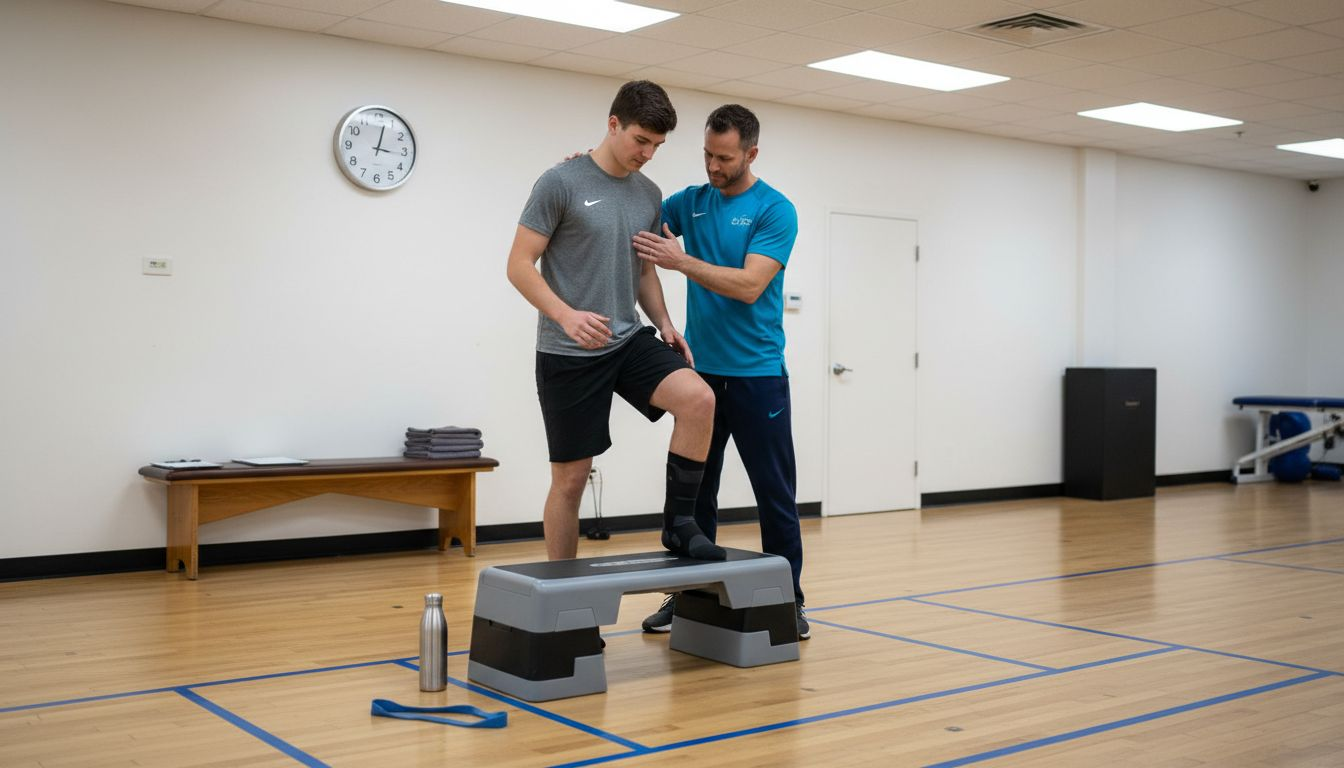
Most active Canadian adults between 30 and 50 experience some form of acute musculoskeletal pain, yet only a fraction seek evidence-based exercise therapy for true recovery and prevention. Musculoskeletal injuries not only disrupt busy Ottawa lifestyles, they can also impact long-term mobility and health. Understanding targeted exercise therapy unlocks proven strategies for pain relief, faster healing, and building lasting physical resilience tailored to Canadian needs.
Table of Contents
Key Takeaways
Point | Details |
Exercise Therapy Definition | A structured, evidence-based intervention that uses targeted physical movements to enhance musculoskeletal function and alleviate pain. |
Core Techniques | Includes isometric exercises, resistance training, and functional movement patterns to address specific physiological needs. |
Benefits of Exercise Therapy | Demonstrated efficacy in reducing pain, improving function, and promoting long-term physical resilience. |
Risks and Precautions | Individual responses may vary; professional guidance is essential to tailor interventions and avoid complications. |
Defining Exercise Therapy for Musculoskeletal Health
Exercise therapy is a structured, evidence-based approach to healing and rehabilitation that utilizes targeted physical movements to restore musculoskeletal function and manage pain. Unlike generic exercise routines, this specialized intervention focuses on precise therapeutic movements designed to address specific physiological challenges within the body’s muscular and skeletal systems.
At its core, exercise therapy involves carefully prescribed movements that systematically address pain mechanisms and functional limitations. These interventions can include isometric exercises, aerobic conditioning, resistance training, and targeted stretching techniques. The goal is not merely symptom management but comprehensive musculoskeletal recovery that promotes long-term physical resilience.
In the Canadian healthcare context, physical activity plays a critical role in musculoskeletal health. Physical activity recommendations emphasize integrating consistent movement into daily life, supporting healthy growth, reducing chronic disease risks, and maintaining optimal muscular and skeletal performance. Exercise therapy transforms these general guidelines into personalized, therapeutic interventions tailored to individual rehabilitation needs.
Key components of exercise therapy typically include:
Comprehensive movement assessments
Customized exercise prescriptions
Progressive rehabilitation strategies
Pain management techniques
Functional movement restoration
Pro tip: Before starting any exercise therapy program, consult a registered physiotherapist who can conduct a thorough biomechanical assessment and design a safe, personalized rehabilitation plan.
Types of Exercise Therapy and Core Techniques
Exercise therapy encompasses a diverse range of targeted techniques designed to address musculoskeletal challenges, each with unique approaches to promoting healing and functional recovery. These specialized interventions are carefully crafted to target specific physiological needs, providing tailored solutions for individuals experiencing pain, injury, or mobility restrictions.
One fundamental category of exercise therapy involves weight-bearing, resistance, and balance exercises that stimulate critical musculoskeletal adaptations. These core techniques are particularly essential for conditions like osteoporosis, where strategic movement can enhance bone density, muscle strength, and overall physical resilience. Weight-bearing exercises involve activities that force muscles and bones to work against gravity, such as walking, jogging, and supervised resistance training.
Core techniques in exercise therapy typically include:
Isometric Exercises: Static muscle contractions without joint movement
Resistance Training: Using weights, bands, or body weight to build strength
Proprioceptive Exercises: Improving body awareness and balance
Functional Movement Patterns: Mimicking daily activity movements
Neuromuscular Re-education: Retraining muscle and nerve connections
Professional exercise therapy programs like 7 Essential Physiotherapy Exercises for Pain Relief demonstrate how targeted interventions can systematically address musculoskeletal challenges. These approaches go beyond generic fitness routines, offering precision-based rehabilitation strategies that consider individual biomechanical needs and recovery goals.
Pro tip: Consult a registered physiotherapist to develop a personalized exercise therapy plan that matches your specific musculoskeletal condition and rehabilitation objectives.
Here is a comparison of exercise therapy techniques and their primary objectives:
Technique | Main Purpose | Common Use Cases |
Isometric Exercises | Build static muscle strength | Post-injury immobilization |
Resistance Training | Enhance muscular endurance | Osteoporosis, injury recovery |
Proprioceptive Exercises | Improve balance and joint stability | Ankle sprains, fall prevention |
Functional Movement Patterns | Restore daily activity capabilities | Post-surgery rehabilitation |
Neuromuscular Re-education | Retrain body-mind motor connection | Stroke recovery, movement faults |
How Exercise Therapy Supports Recovery and Prevention
Exercise therapy represents a sophisticated approach to musculoskeletal healing that goes far beyond traditional rehabilitation methods. By strategically targeting specific physiological mechanisms, this therapeutic intervention supports both recovery from existing injuries and proactive prevention of future musculoskeletal complications.
Canadian workplace health guidelines emphasize the critical role of structured exercise interventions in injury prevention and recovery. These interventions involve implementing targeted control measures such as ergonomic adjustments and prescribed exercises that directly mitigate injury risk factors. The primary objectives include reducing workplace-related musculoskeletal disorders, facilitating faster healing, and restoring optimal functional movement patterns.
The comprehensive approach to exercise therapy involves multiple strategic components:
Early Intervention: Addressing potential issues before they become chronic
Personalized Assessment: Developing targeted rehabilitation strategies
Progressive Loading: Gradually increasing movement complexity and intensity
Pain Management: Reducing discomfort through strategic movement
Functional Restoration: Rebuilding strength and mobility
Role of Physiotherapy in Recovery demonstrates how professional exercise therapy programs systematically approach musculoskeletal challenges. These evidence-based interventions consider individual biomechanical needs, creating tailored recovery pathways that address both immediate symptoms and long-term physical resilience.
Pro tip: Document your exercise therapy progress meticulously, tracking pain levels, mobility improvements, and functional achievements to help your healthcare provider optimize your recovery strategy.
Evidence-Based Benefits for Pain and Injury
Exercise therapy represents a scientifically validated approach to managing musculoskeletal pain and promoting healing, offering far more than traditional symptomatic treatments. By engaging multiple physiological mechanisms, this therapeutic intervention provides a comprehensive strategy for addressing both acute and chronic pain conditions.

Research consistently demonstrates the profound impact of exercise therapy on chronic musculoskeletal pain management. The intervention works through complex neurological pathways, including activation of the endogenous opioid system and modulation of neuroimmune responses. Different exercise modalities such as aerobic conditioning, resistance training, and flexibility exercises have shown remarkable efficacy in reducing pain intensity and improving overall functional capacity.
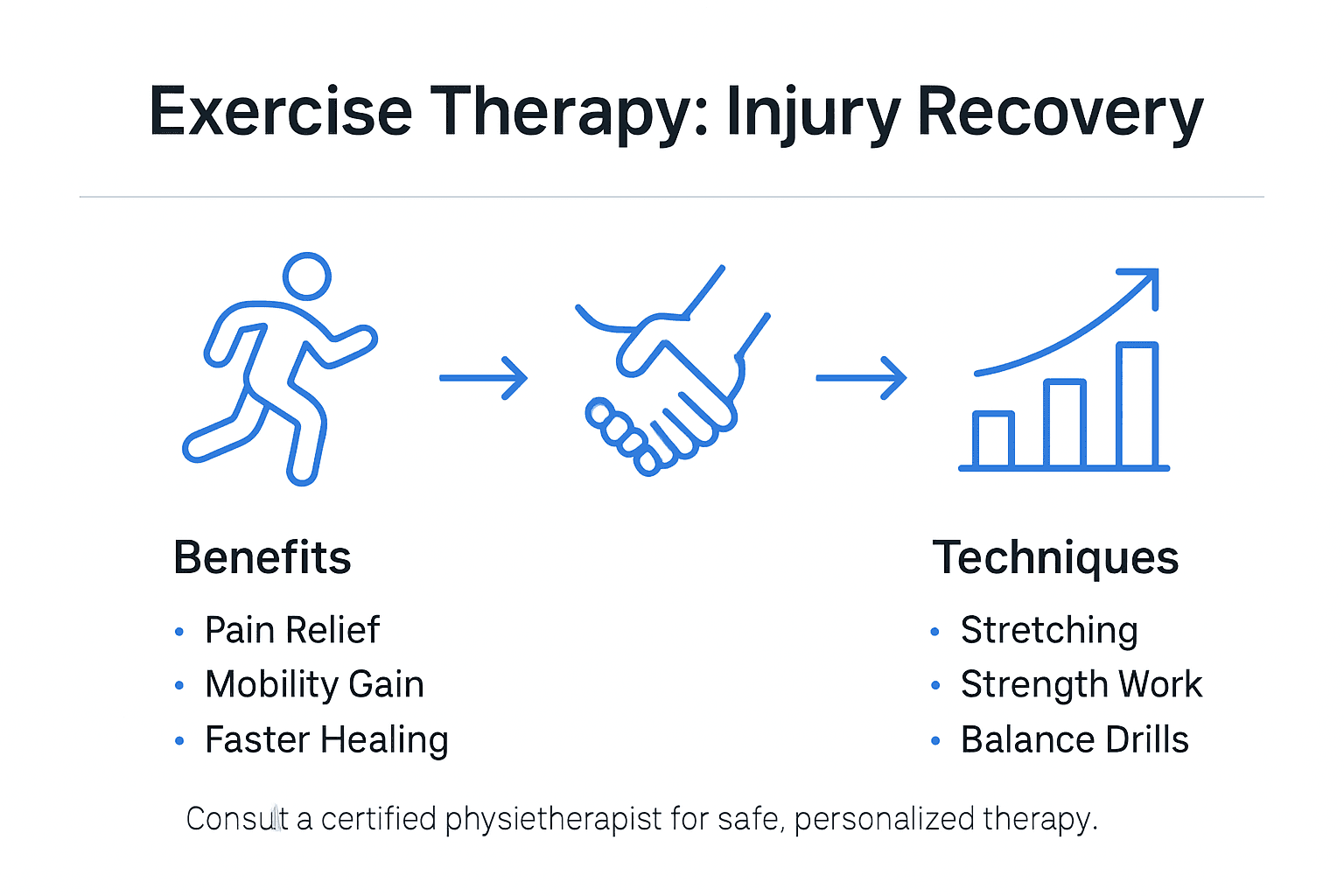
Key evidence-based benefits of exercise therapy include:
Pain Reduction: Decreasing pain perception through neurological mechanisms
Functional Improvement: Enhancing movement patterns and joint mobility
Strength Development: Building muscular support around injured areas
Neurological Retraining: Reestablishing optimal movement neural pathways
Inflammatory Management: Reducing chronic inflammatory responses
Systematic reviews, such as 7 Key Benefits of Physiotherapy for Pain Relief and Recovery, highlight how targeted exercise interventions can transform rehabilitation approaches. These strategies go beyond symptom management, addressing root causes of musculoskeletal dysfunction and promoting long-term physical resilience.
Pro tip: Maintain a detailed recovery journal tracking your exercise therapy progress, documenting pain levels, mobility improvements, and functional milestones to support personalized treatment optimization.
Risks, Misconceptions, and When to Seek Help
Exercise therapy involves nuanced considerations that extend beyond simple physical movements, requiring careful navigation of potential risks and individual physiological limitations. Understanding these complexities is crucial for ensuring safe and effective rehabilitation strategies.
Common misconceptions about exercise therapy often lead individuals to avoid or misunderstand its potential benefits, particularly for those with pre-existing musculoskeletal conditions. Contrary to popular belief, structured exercise programs can actually mitigate injury risks when professionally designed and supervised, addressing concerns about potential complications such as fractures or increased pain.
Key risks and considerations in exercise therapy include:
Individual Variability: Recognizing that each person’s body responds differently
Pre-existing Conditions: Understanding how specific health challenges impact exercise tolerance
Technique Sensitivity: Ensuring proper form to prevent additional injury
Progressive Loading: Implementing gradual intensity increases
Professional Guidance: Requiring expert oversight for complex rehabilitation
Critical warning signs that necessitate immediate professional consultation include:
Below is a summary of signs that may indicate the need for professional consultation during exercise therapy:
Warning Sign | Possible Consequence | Recommended Action |
Persistent pain | Risk of aggravating injury | Stop exercise, seek assessment |
Sudden sharp or radiating pain | Possible tissue or nerve damage | Contact a physiotherapist immediately |
Lost range of motion | Potential joint or muscle issue | Schedule clinical evaluation |
Swelling or inflammation | Inflammatory or acute injury process | Apply RICE, consult provider |
Numbness or tingling | Nerve involvement or compression | Obtain urgent medical review |
Persistent or increasing pain during exercise
Sudden sharp or radiating pain
Significant decrease in range of motion
Unexplained swelling or inflammation
Neurological symptoms like numbness or tingling
Pro tip: Always communicate openly with your healthcare provider about any discomfort or unexpected sensations during exercise therapy, as early detection can prevent potential complications.
Recover Stronger with Expert Exercise Therapy at Integrate Ottawa
Overcoming musculoskeletal injuries requires more than just resting and waiting for healing to happen. The article highlights the crucial role of exercise therapy in injury recovery by addressing pain, restoring functional movement, and preventing future complications through personalized, evidence-based programs. If you are struggling with persistent pain, limited mobility, or the fear of re-injury, our team at Integrate Ottawa understands these challenges and can help you regain strength safely and effectively.

Take control of your recovery today by partnering with our specialized healthcare professionals. At Integrate Ottawa, we offer tailored physiotherapy and rehabilitative services designed to create progressive exercise therapy plans suited to your unique needs. Explore how our collaborative approach incorporates advanced pain management and functional restoration to get you back to your best self. Don’t let injury hold you back any longer visit Integrate Ottawa to book your consultation now and start your journey toward lasting musculoskeletal health.
Frequently Asked Questions
What is exercise therapy?
Exercise therapy is a structured approach to rehabilitation that utilizes targeted physical movements to restore musculoskeletal function and manage pain. It focuses on specific therapeutic movements tailored to address individual physiological challenges.
How does exercise therapy support injury recovery?
Exercise therapy supports injury recovery by systematically addressing pain mechanisms, enhancing functional movement, and rebuilding strength through carefully prescribed exercises. It can prevent future injuries by promoting long-term physical resilience.
What types of exercises are commonly involved in exercise therapy?
Common types of exercises in exercise therapy include isometric exercises, resistance training, proprioceptive exercises, functional movement patterns, and neuromuscular re-education. Each targets specific physiological needs to aid in recovery.
When should I consult a physiotherapist about exercise therapy?
You should consult a physiotherapist if you experience persistent pain, sudden sharp pain, loss of range of motion, unexplained swelling, or neurological symptoms like numbness. Professional assessment is crucial to tailor a safe exercise therapy plan.
Recommended
Comments