

7 Types of Sports Injuries and How to Prevent Them
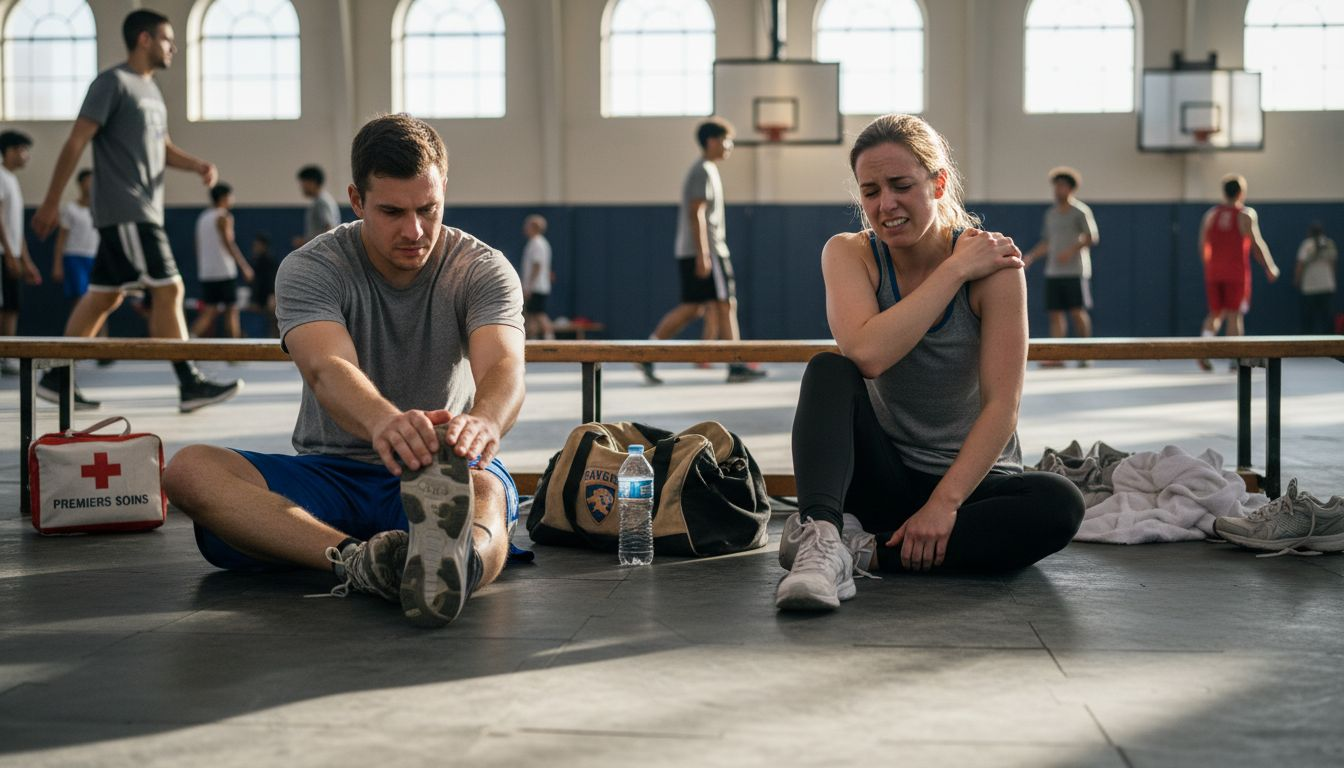
Sprains, strains, and other sports injuries affect nearly 40 percent of Canadian adults who participate in regular physical activities. For active people in Ottawa, that means sidelined weekends, lost progress, and frustration over lingering soreness or setbacks. Understanding common injury risks and the latest physiotherapy strategies empowers you to recover faster and keep doing what you love without constant worry.
Table of Contents
Quick Summary
Key Insight | Clear Explanation |
1. Prioritize Warm-Up and Conditioning | Proper warm-up routines and gradual conditioning enhance muscle strength and flexibility, reducing injury risk during physical activities. |
2. Recognize Early Signs of Injuries | Persistent pain, swelling, and reduced range of motion are crucial indicators of potential injuries requiring prompt attention for effective management. |
3. Follow RICE Protocol for Acute Injuries | Implement rest, ice, compression, and elevation immediately after injuries like contusions and sprains to minimize damage and promote healing. |
4. Seek Professional Help for Serious Injuries | Consult medical professionals immediately after fractures or dislocations to ensure correct treatment and prevent long-term complications. |
5. Maintain a Training Journal | Documenting physical sensations, workout intensities, and recovery periods helps identify patterns that may indicate developing overuse injuries. |
1. Sprains and Strains: Causes and Prevention
Sprains and strains are among the most common sports-related injuries that can derail your athletic performance and sideline you from activities you love. Understanding how these soft tissue injuries occur and learning prevention strategies can help you stay active and healthy.
A sprain involves stretching or tearing ligaments connecting bones at a joint, while a strain affects muscles and tendons through overexertion or sudden movements. These injuries frequently occur in activities requiring rapid direction changes, sudden stops, or repetitive motions. Workplace safety research indicates these soft tissue injuries are leading causes of disability in Ontario’s workforce, highlighting their significance beyond sports.
Key prevention strategies include maintaining proper warm up routines, developing muscle strength and flexibility, and using correct technique during physical activities. Athletes should focus on gradual conditioning, wearing appropriate protective gear, and listening to their body’s signals to avoid overexertion.
Some high risk activities for sprains and strains include basketball, soccer, running, and workplace tasks involving repetitive movements. Understanding your body’s limitations and implementing targeted prevention techniques can significantly reduce injury risk.
Pro Tip: Incorporate dynamic stretching and balanced strength training to improve joint stability and muscle resilience before engaging in intense physical activities.
2. Tendonitis: Managing Overuse Injuries
Tendonitis represents a challenging sports injury that can silently develop through repetitive movements and strain on your body’s connective tissues. Understanding this condition is crucial for athletes and active individuals seeking to maintain peak physical performance.
Tendonitis occurs when tendons connecting muscles to bones become inflamed, typically resulting from prolonged activities involving forceful exertion or awkward postures. Common areas affected include the shoulder, elbow, wrist, knee, and ankle. Without proper management, these overuse injuries can lead to persistent pain and potential long term muscle weakness.
Prevention strategies are critical and include implementing ergonomic techniques, maintaining balanced muscle strength, and avoiding repetitive strain. Athletes should focus on gradual conditioning, using proper technique during sports and workplace activities, and allowing adequate rest between intense training sessions.
Important signs of tendonitis include localized pain, swelling, and reduced range of motion. Early recognition and intervention can prevent more serious complications and support faster recovery. Physiotherapy, targeted stretching, and modified activity levels play significant roles in managing these injuries effectively.
Pro Tip: Incorporate regular micro breaks during repetitive activities and perform gentle stretching to help maintain tendon flexibility and reduce inflammation risk.
3. Fractures: Signs, Symptoms, and Recovery Tips
Fractures can be devastating sports injuries that interrupt athletic performance and require careful management for optimal healing. Whether from high impact collisions, falls, or repetitive stress, understanding the nuances of bone injury is crucial for athletes and active individuals.
Fracture healing proceeds through complex biological stages involving multiple physiological processes. The initial stage involves blood clot formation, followed by soft callus development and eventually hard callus stabilization. These stages represent the body’s remarkable ability to regenerate and repair damaged bone tissue.
Warning signs of a potential fracture include intense localized pain, swelling, visible deformity, inability to bear weight, and reduced range of motion. Athletes should never ignore persistent pain or attempt to push through potential bone injuries, as doing so can lead to more severe complications and extended recovery periods.
Recovery strategies involve proper medical assessment, immobilization, nutrition, and carefully guided rehabilitation. Depending on the fracture’s severity, treatment might range from casting and rest to surgical intervention. Nutrition plays a critical role in healing, with increased protein intake and calcium supporting bone regeneration.
Pro Tip: Consult a sports medicine professional immediately after injury to develop a personalized recovery plan that minimizes healing time and reduces reinjury risk.
4. Dislocations: Immediate Actions and Care
Dislocations represent serious sports injuries that occur when extreme force separates bone connections, potentially causing significant damage to joints and surrounding tissues. Understanding how to respond quickly can make a critical difference in preventing long term complications.
Dislocations typically result from high impact forces during contact sports or traumatic falls, causing bones to completely disconnect from their normal anatomical position. Most commonly affected areas include shoulders, fingers, knees, and ankles.
Immediate medical assessment is crucial following a dislocation. Athletes should recognize key warning signs including intense pain, visible joint deformity, reduced range of motion, and inability to move the affected area. Professional medical intervention helps ensure proper bone repositioning and minimizes potential nerve or tissue damage.
Initial treatment follows the RICE protocol rest, ice, compression, and elevation. However, athletes must avoid attempting to manually reset a dislocation, as improper manipulation can cause additional trauma. Professional medical personnel use specialized techniques to safely reposition bones and provide appropriate immobilization.
Pro Tip: Carry a basic first aid kit with supportive wraps and seek immediate professional medical evaluation whenever a dislocation is suspected to prevent potential long term joint complications.
5. Contusions and Bruises: Safe Management
Contusions and bruises are common sports injuries that occur when direct impact causes blood vessels to rupture beneath the skin, creating distinctive discoloured areas that can range from mild to severe. Understanding how these injuries develop and heal is crucial for athletes seeking proper recovery.
Bruises result from tearing small blood vessels, leading to characteristic colour changes under the skin. The typical healing process spans two to four weeks, with the bruise progressing through multiple colour stages from deep purple to yellowish green as the body reabsorbs leaked blood.
Immediate management is critical for minimizing pain and promoting faster healing. Athletes should implement the RICE protocol rest, ice, compression, and elevation immediately after sustaining a contusion. Over the counter pain relief can help manage discomfort, but monitoring the injury for unusual symptoms remains important.
Serious warning signs include persistent intense pain, significant swelling, numbness, or sudden colour changes in the bruised area. These symptoms might indicate more severe underlying tissue damage requiring professional medical assessment. Athletes should be particularly cautious with bruises near joints or areas experiencing repeated impacts.
Pro Tip: Apply cold compresses within the first 24 to 48 hours after injury and switch to gentle heat therapy afterwards to promote blood circulation and accelerate healing.
6. Concussions: Understanding Brain Injury Risks
Concussions represent a serious yet often misunderstood brain injury that can occur suddenly during sports and physical activities. These mild traumatic brain injuries demand immediate attention and careful management to prevent long term complications.
A concussion happens when the brain experiences rapid movement inside the skull, typically from direct impact or sudden acceleration and deceleration. This movement causes temporary disruption of normal brain function, resulting in a range of neurological symptoms that can vary widely between individuals.
Common symptoms include headache, dizziness, confusion, memory problems, nausea, and sensitivity to light or sound. Athletes should be particularly vigilant about recognizing these signs, as some concussion effects may not appear immediately after the initial injury. Proper safety equipment like helmets can help reduce injury severity, though they cannot completely prevent concussions.
Recovery requires a structured approach involving professional medical assessment, gradual return to activities, and careful monitoring. Complete cognitive and physical rest during the initial recovery period is crucial. Athletes must follow medical guidance and avoid rushing back into intense physical or mental activities that could exacerbate the injury.
Pro Tip: Develop a baseline cognitive assessment with a sports medicine professional before engaging in high risk activities, enabling more accurate concussion diagnosis and tracking.
7. Overuse Injuries: Recognizing Early Warning Signs
Overuse injuries represent a subtle yet significant risk for athletes, emerging from repetitive stress and insufficient recovery time. These injuries develop gradually, often without the dramatic onset of acute trauma, making early recognition critical for preventing long term damage.
Youth athletes are particularly vulnerable to overuse injuries due to uneven physical development and limited ability to recognize warning signs. The body requires consistent rest and strategic training to adapt to increasing physical demands without breaking down.
Early warning signs include persistent pain during activities, localized tenderness, unexplained performance decline, and discomfort that continues beyond typical muscle soreness. Athletes should pay special attention to recurring sensations of stiffness, reduced flexibility, or unexplained weakness in specific muscle groups or joints.
Prevention strategies focus on balanced training approaches: gradual intensity progression, incorporating sufficient rest periods, maintaining proper technique, and listening to your body’s signals. Cross training, varied workout routines, and regular physiotherapy assessments can help identify potential issues before they become serious injuries.
Pro Tip: Maintain a training journal documenting your physical sensations, workout intensities, and recovery periods to help identify subtle patterns that might indicate developing overuse injuries.
Below is a comprehensive table summarizing the main points and prevention strategies of common sports-related injuries discussed throughout the article.
Injury Type | Description | Prevention/Management Strategies |
Sprains and Strains | Sprains occur when ligaments are stretched or torn; strains involve muscle or tendon injuries. | Warm up properly, maintain muscle strength and flexibility, avoid overexertion, and use appropriate protective gear. |
Tendonitis | Inflammation of tendons due to repetitive movements or overuse, causing localized pain and limited motion. | Implement ergonomic techniques, manage workload, and perform regular stretching to alleviate and prevent tendon strain. |
Fractures | Breaks in bones caused by impacts, falls, or stress, with symptoms such as severe pain and swelling. | Obtain medical attention immediately, ensure proper immobilization, and follow a structured recovery plan with proper nutrition. |
Dislocations | Occur when joint bones are forcibly separated; symptoms include misaligned joints and severe pain. | Avoid high-impact risks where possible, and seek prompt medical attention to prevent complications. |
Contusions and Bruises | Result from trauma causing blood vessel rupture and discoloured skin; generally heal within 2–4 weeks. | Use the RICE method (rest, ice, compression, elevation) immediately after injury, and monitor for persistent pain or unusual symptoms. |
Concussions | Temporary brain function disruptions due to direct impacts or rapid head movement. | Use proper safety equipment, rest both mentally and physically after injury, and monitor symptoms closely to prevent long-term issues. |
Overuse Injuries | Develop gradually due to repetitive stress without sufficient recovery; common in youth athletes. | Balance training loads, allow rest and recovery, maintain proper technique, and employ diverse and moderated exercise routines. |
Protect Your Active Lifestyle with Expert Care at Integrate Ottawa
Facing sports injuries like sprains, tendonitis, fractures or concussions can be frustrating and painful. You want to stay strong, recover quickly, and most importantly, prevent these setbacks from slowing you down. Whether you are dealing with the sharp impact of a dislocation or the subtle warning signs of overuse injuries, understanding when to seek professional help makes all the difference. At Integrate Ottawa, our team offers a comprehensive range of solutions tailored to your musculoskeletal health needs including physiotherapy, chiropractic care and concussion management to support your full recovery.

Take control of your healing journey today with evidence-based treatments and a patient-centred approach designed to get you back in the game faster. Explore how our expert clinicians can help you overcome pain and prevent future injuries at Integrate Ottawa. Book your appointment now to start personalised care that strengthens your body and protects your performance.
Frequently Asked Questions
What are the most common types of sports injuries?
Sports injuries often include sprains, strains, tendonitis, fractures, dislocations, contusions, and concussions. Understanding these injuries helps athletes take preventive measures and seek timely treatment when necessary.
How can I prevent sprains and strains during sports?
To prevent sprains and strains, maintain proper warm-up routines, focus on strength and flexibility training, and use correct techniques during physical activities. Incorporate dynamic stretching and strength training into your routine at least 2–3 times a week to enhance joint stability.
What should I do if I suspect I have tendonitis?
If you suspect tendonitis, it’s essential to rest the affected area and avoid activities that cause pain. Implement stretching and strengthening exercises gradually, and consider seeing a physiotherapist for tailored guidance and recovery strategies.
What are the early warning signs of overuse injuries?
Early warning signs of overuse injuries include persistent pain during activities, localized tenderness, and unexplained performance decline. Document these sensations in a training journal and adjust your training regimen to include more rest and varied exercises when necessary.
How can I effectively manage a concussion if I experience one?
If you experience a concussion, seek immediate medical attention and follow a structured recovery plan that includes both cognitive and physical rest. Gradually return to activities following professional guidance, ensuring not to rush the process for a safer recovery.
What initial actions should I take if I have a dislocation?
If you have a dislocation, avoid attempting to reset the joint yourself and seek immediate medical assessment. Follow the RICE protocol—rest, ice, compression, elevation—while waiting for professional treatment to minimize swelling and pain.
Recommended
Comments