

Rehabilitative Care – Restoring Function After Injury
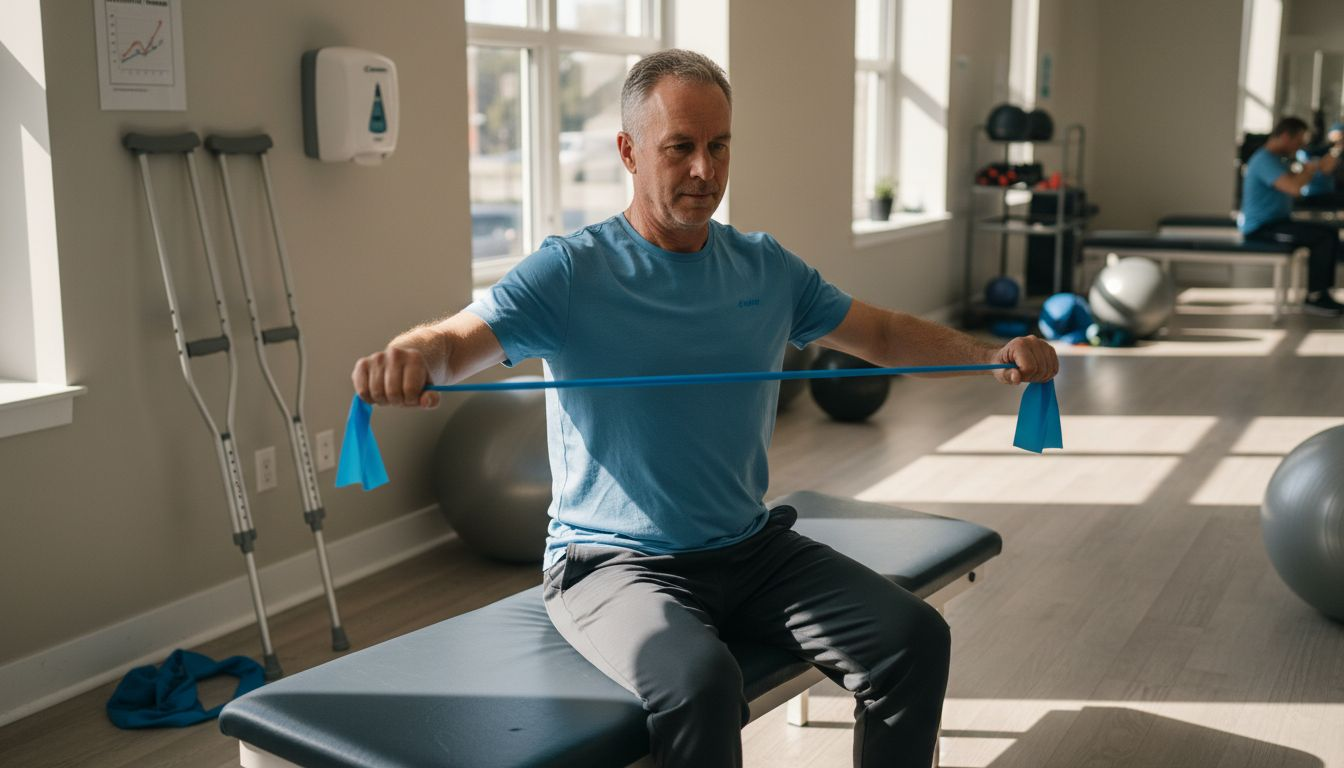
Nearly 1 in 5 Canadian adults report living with chronic pain, making rehabilitation a vital part of recovery for those in Ottawa facing musculoskeletal injuries. Understanding rehabilitative care is key to regaining strength and independence while ensuring your treatment plan truly supports both physical and emotional healing. This guide highlights how evidence-based physiotherapy and chiropractic services fit into the Canadian healthcare system, helping you make informed choices for your recovery journey.
Table of Contents
Key Takeaways
Point | Details |
Holistic Approach | Rehabilitative care focuses on addressing physical, psychological, and social aspects of recovery for improved patient outcomes. |
Multidisciplinary Collaboration | A team of healthcare professionals collaborates to create personalized recovery plans, ensuring comprehensive support for each patient. |
Patient Participation | Active involvement in the rehabilitation process significantly enhances recovery effectiveness and leads to better long-term outcomes. |
Insurance Coverage Awareness | Understanding the variety of coverage options can help patients access necessary rehabilitative services without substantial out-of-pocket costs. |
Defining rehabilitative care in Canada
Rehabilitative care represents a comprehensive, patient-centred approach to restoring health and function after injury or illness across the Canadian healthcare system. This specialized medical service focuses on helping individuals regain independence and improve quality of life through targeted interventions that address physical, psychological, and social dimensions of recovery.
The Canadian Rehabilitation Care Framework establishes provincial standards defining rehabilitative care as strategic interventions designed to maintain, restore, or adapt an individual’s functional capabilities. These interventions encompass multiple therapeutic domains including medical treatment, physical rehabilitation, psychological support, and social reintegration strategies. The framework emphasizes a holistic approach that considers not just physical recovery, but also cognitive and emotional well-being.
In practice, rehabilitative care in Canada involves a multidisciplinary team of healthcare professionals working collaboratively to develop personalized recovery plans. These plans typically include physiotherapy, occupational therapy, speech therapy, psychological counselling, and assistive technology recommendations. The ultimate goal is enabling patients to achieve maximum independence and return to their preferred lifestyle following an injury, chronic condition, or surgical procedure.
Pro tip: When seeking rehabilitative care, always request a comprehensive assessment that evaluates your physical, psychological, and social recovery needs to ensure a truly holistic treatment approach.
Types of rehabilitative care and services
Rehabilitative care encompasses a diverse range of services designed to support patients in recovering functional abilities across various healthcare settings. Rehabilitative care standards in Canada are strategically organized into multiple levels, each tailored to meet specific patient needs and recovery objectives.
The primary categories of rehabilitative care include hospital-based inpatient rehabilitation, complex continuing care, and community-based programs. Hospital-based services typically involve intensive, short-term interventions focused on restoring physical function after acute medical events like surgeries, strokes, or traumatic injuries. These programs provide comprehensive care through interdisciplinary teams including physiotherapists, occupational therapists, speech therapists, and medical specialists who collaborate to develop personalized recovery strategies.
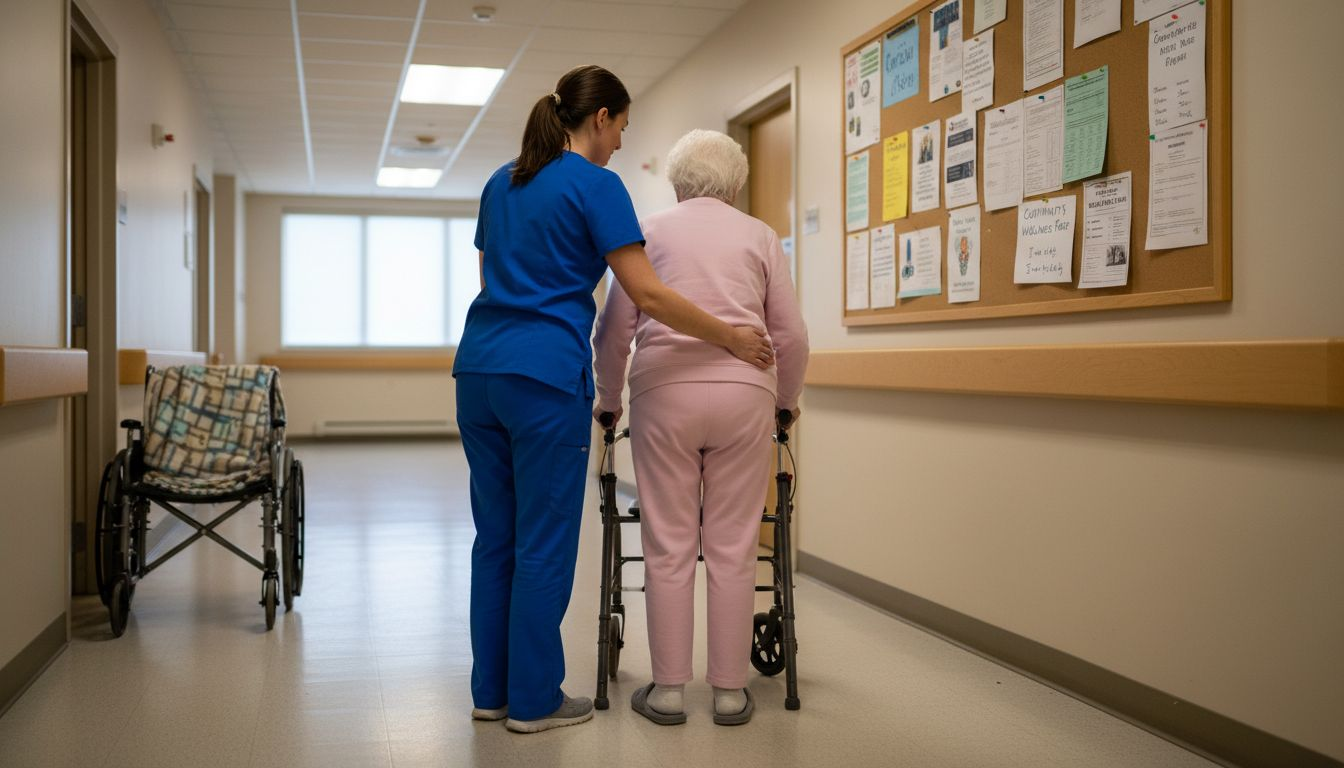
Community-based rehabilitative services extend care beyond hospital walls, supporting patients in maintaining and improving their functional capabilities in home and local environments. These services often include home therapy visits, outpatient rehabilitation programs, assistive technology consultations, and ongoing support for individuals managing chronic conditions or recovering from long-term injuries. The Ontario Health Care Framework emphasizes the importance of tailoring these interventions to individual patient complexity and functional goals.
Additionally, long-term care facilities offer specialized rehabilitative services for patients requiring extended support, focusing on maintenance of functional abilities and quality of life for individuals with complex medical needs. These programs are designed to help patients maximize independence and participate meaningfully in daily activities despite ongoing health challenges.
Here is a summary of common rehabilitative care settings and their characteristics in Canada:
Care Setting | Primary Focus | Typical Patient Needs | Duration of Care |
Hospital-based inpatient | Intensive physical restoration | Post-surgery, stroke, trauma | Short-term, high intensity |
Community-based programmes | Functional maintenance & improvement | Chronic conditions, minor injuries | Variable, ongoing |
Long-term care facilities | Functional adaptation & support | Complex medical needs, elderly | Extended, maintenance-focused |
Pro tip: Always request a comprehensive assessment from your healthcare provider to determine the most appropriate rehabilitative care pathway for your specific recovery needs.
How rehabilitative care supports recovery
Rehabilitative care provides a comprehensive, holistic approach to recovery that goes far beyond simple medical treatment. The process involves addressing physical, psychological, and functional challenges patients face during their healing journey, with the ultimate goal of restoring independence and improving overall quality of life.
The core mechanism of support involves creating personalized treatment plans that target specific recovery objectives. Physiotherapy strategies for injury recovery play a critical role in this process, helping patients rebuild strength, mobility, and functional capacity through targeted interventions. These strategies might include progressive exercise programs, manual therapy techniques, pain management approaches, and education about proper movement mechanics to prevent future injuries.
Psychological support is another essential component of rehabilitative care. Recovering from an injury or chronic condition can be emotionally challenging, potentially leading to frustration, anxiety, or depression. Rehabilitation professionals address these mental health aspects by providing counselling, developing coping strategies, and helping patients maintain a positive outlook throughout their recovery process. This holistic approach ensures that healing encompasses both physical restoration and mental resilience.
Moreover, rehabilitative care supports recovery by teaching patients self-management techniques and promoting long-term wellness. Professionals provide comprehensive education about injury prevention, proper body mechanics, and lifestyle modifications that can help patients maintain their recovered function and reduce the risk of future complications. This proactive approach transforms rehabilitation from a temporary intervention into a sustainable pathway for ongoing health and well-being.
Pro tip: Actively participate in your rehabilitation plan and communicate openly with your healthcare providers about your progress, challenges, and recovery goals.
The care team’s roles and collaboration
Rehabilitative care represents a complex, multidisciplinary approach that requires seamless coordination among healthcare professionals with diverse specialized skills. Rehabilitative care team dynamics involve intricate collaboration designed to address the comprehensive needs of patients recovering from injuries or managing chronic conditions.
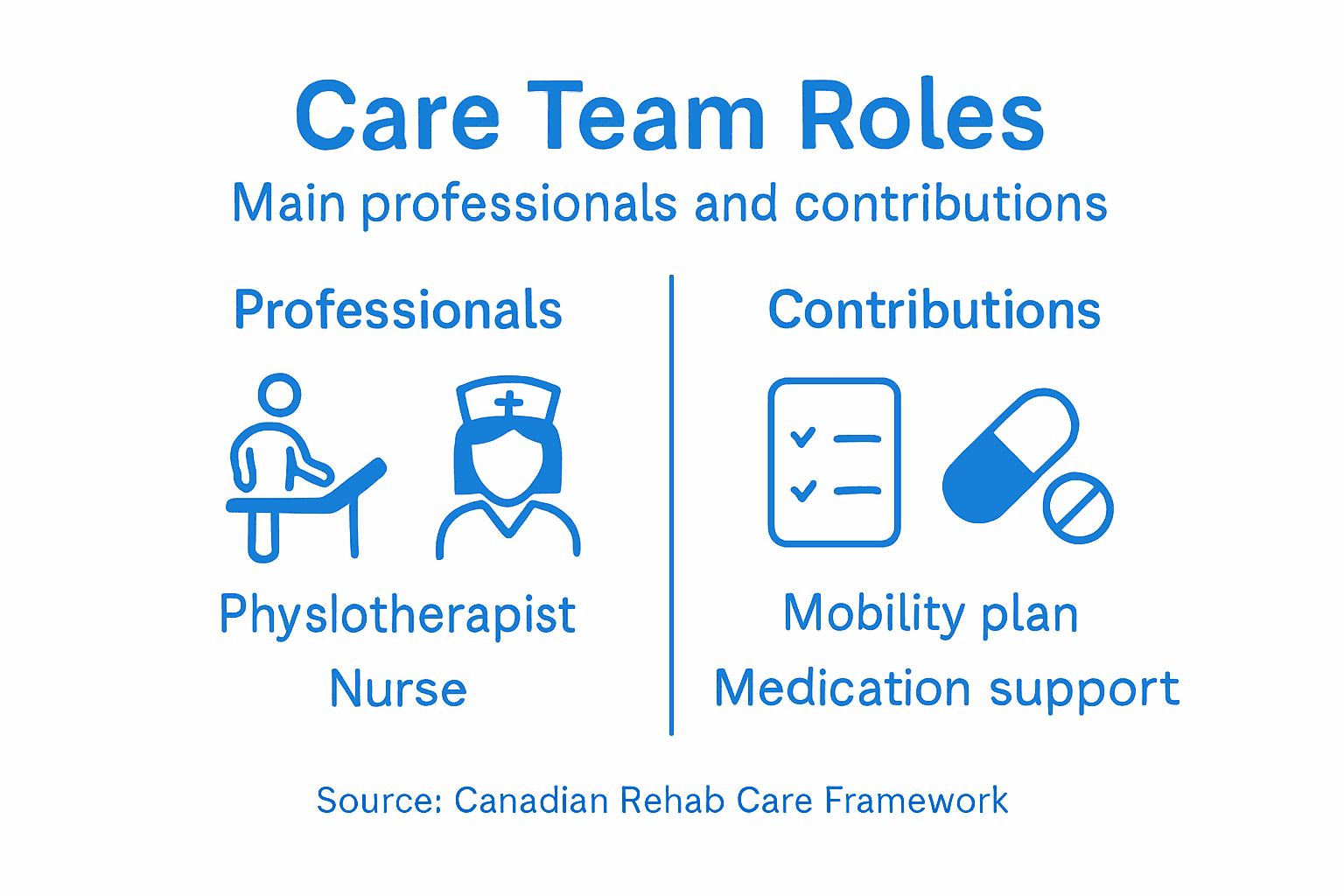
The core team typically comprises multiple healthcare professionals, each bringing unique expertise to support patient recovery. Physiotherapists focus on restoring physical movement and strength, occupational therapists help patients regain independence in daily activities, speech-language pathologists address communication and swallowing challenges, and social workers provide critical psychological and social support. Physicians oversee medical management, while nurses coordinate daily care and monitor patient progress. This interdisciplinary approach ensures that every aspect of a patient’s recovery is systematically addressed.
Collaboration extends beyond direct clinical interactions. Team members regularly conduct multidisciplinary case conferences to discuss patient progress, share insights, and develop integrated care strategies. These collaborative sessions allow professionals to adjust treatment plans dynamically, ensuring that interventions remain responsive to the patient’s evolving needs. The goal is to create a unified, patient-centred approach that considers medical, functional, emotional, and social dimensions of recovery.
Family members and caregivers are also considered essential team members, providing valuable insights into the patient’s home environment, personal goals, and potential support challenges. Their active participation helps rehabilitation professionals develop more personalized and effective recovery strategies, bridging clinical interventions with real-world patient experiences.
The following table highlights the unique roles of key professionals in the rehabilitative care team:
Team Member | Core Responsibility | Example Contribution |
Physiotherapist | Restores movement & mobility | Designs exercise programmes |
Occupational Therapist | Promotes independence in tasks | Teaches daily living adaptations |
Speech-Language Pathologist | Manages communication issues | Addresses speech and swallowing needs |
Social Worker | Provides emotional and social support | Counsels patients and families |
Nurse | Coordinates daily care | Monitors progress, administers care |
Pro tip: Encourage open communication between your healthcare providers and actively participate in team discussions to ensure your personal recovery goals are understood and incorporated into your treatment plan.
Costs, access, and coverage considerations
Navigating the financial landscape of rehabilitative care requires understanding the complex interplay between public healthcare systems, private insurance, and out-of-pocket expenses. Rehabilitative care access criteria in Canada vary across provinces, with significant implications for patient costs and treatment availability.
Public healthcare coverage provides foundational support for many rehabilitative services, though the extent of coverage differs by province and specific medical condition. Basic physiotherapy, occupational therapy, and physician consultations are often partially or fully covered under provincial health insurance plans. However, patients may encounter additional expenses for specialized treatments, extended therapy sessions, assistive devices, or services not deemed medically essential. Private health insurance can help bridge these gaps, offering supplementary coverage for rehabilitation services not fully supported by public systems.
Access to rehabilitative care is influenced by multiple factors beyond financial considerations. Geographic location plays a critical role, with urban centres typically offering more comprehensive services compared to rural areas. Wait times can vary significantly, and patients might need physician referrals to access specialized rehabilitation programs. Some patients opt for private clinics to expedite treatment, which requires direct out-of-pocket payment or comprehensive private insurance coverage.
For individuals with workplace injuries or motor vehicle accidents, alternative funding mechanisms exist. Workers’ compensation boards and automobile insurance providers often cover rehabilitation costs associated with injury recovery. These programs typically have specific eligibility criteria and require detailed documentation from healthcare professionals to approve treatment plans and associated expenses.
Pro tip: Always verify your specific insurance coverage, explore all potential funding sources, and discuss payment options with your healthcare provider before starting a rehabilitation program.
Common misconceptions about rehabilitative care
Rehabilitative care is often misunderstood, with many patients holding misconceptions that can prevent them from seeking or fully engaging in effective treatment. These myths can create unnecessary barriers to recovery, potentially limiting a patient’s potential for healing and functional restoration.
One prevalent misconception is that rehabilitative care is only for severe injuries or post-surgical recovery. In reality, rehabilitation encompasses a broad spectrum of interventions addressing chronic conditions, sports injuries, workplace strain, and age-related functional decline. Physiotherapy strategies can benefit individuals experiencing mild to moderate physical challenges, not just those with dramatic or acute injuries. Many patients mistakenly believe they must endure pain or reduced mobility as a normal part of aging or existing condition, when targeted rehabilitation could significantly improve their quality of life.
Another common myth suggests that rehabilitative care is a passive process where patients simply receive treatment. Contrary to this belief, successful rehabilitation requires active patient participation and commitment. The most effective recovery programs involve collaborative goal-setting, where patients work alongside healthcare professionals to develop personalized strategies. Patients who view rehabilitation as a partnership and engage fully in recommended exercises, lifestyle modifications, and self-management techniques typically experience more substantial and sustainable improvements.
Many individuals also incorrectly assume that rehabilitative care is prohibitively expensive or not covered by healthcare systems. While costs can vary, many provincial health plans and workplace insurance programs provide substantial coverage for rehabilitative services. The potential long-term healthcare savings from preventing chronic pain, reducing re-injury risk, and maintaining functional independence often far outweigh the initial investment in comprehensive rehabilitation.
Pro tip: Challenge your assumptions about rehabilitation by scheduling an initial assessment with a qualified healthcare professional who can provide personalized insights into your specific recovery potential.
Take Charge of Your Recovery with Expert Rehabilitative Care
If you are facing challenges with regaining mobility or managing pain after an injury or surgery, targeted rehabilitative care is essential to restore your independence and improve your quality of life. At https://integrateottawa.ca, our team of dedicated physiotherapists and healthcare professionals specialize in evidence-based strategies to help you rebuild strength, manage pain, and overcome physical limitations identified in your recovery journey.
Discover how our personalized programs in physiotherapy, chiropractic care, and specialized treatments like concussion management can support your rehabilitation goals. Do not wait to get the comprehensive assessment and collaborative care you need. Visit Integrate Ottawa now to book an appointment and start your path to lasting recovery today.
Frequently Asked Questions
What is rehabilitative care?
Rehabilitative care is a comprehensive, patient-centred approach focused on restoring health and function after injury or illness. It involves personalized interventions that address physical, psychological, and social dimensions of recovery, ultimately aiming to enhance the patient’s quality of life.
What types of services are included in rehabilitative care?
Rehabilitative care encompasses various services, including physiotherapy, occupational therapy, speech therapy, psychological counselling, and strategies for social reintegration. These services aim to help patients regain independence and improve their overall functional abilities.
How does rehabilitative care support recovery after an injury?
Rehabilitative care supports recovery by creating personalized treatment plans that target specific recovery goals. It includes physical rehabilitation to improve strength and mobility, psychological support to address emotional challenges, and education on self-management techniques to promote long-term health and wellness.
What roles do healthcare professionals play in a rehabilitative care team?
The rehabilitative care team typically includes physiotherapists, occupational therapists, speech-language pathologists, social workers, and nurses, each contributing their expertise. They collaborate to develop integrated care strategies that address the comprehensive needs of patients during their recovery journey.
Recommended
Comments