

How to Manage Athletic Pain Naturally for Lasting Relief
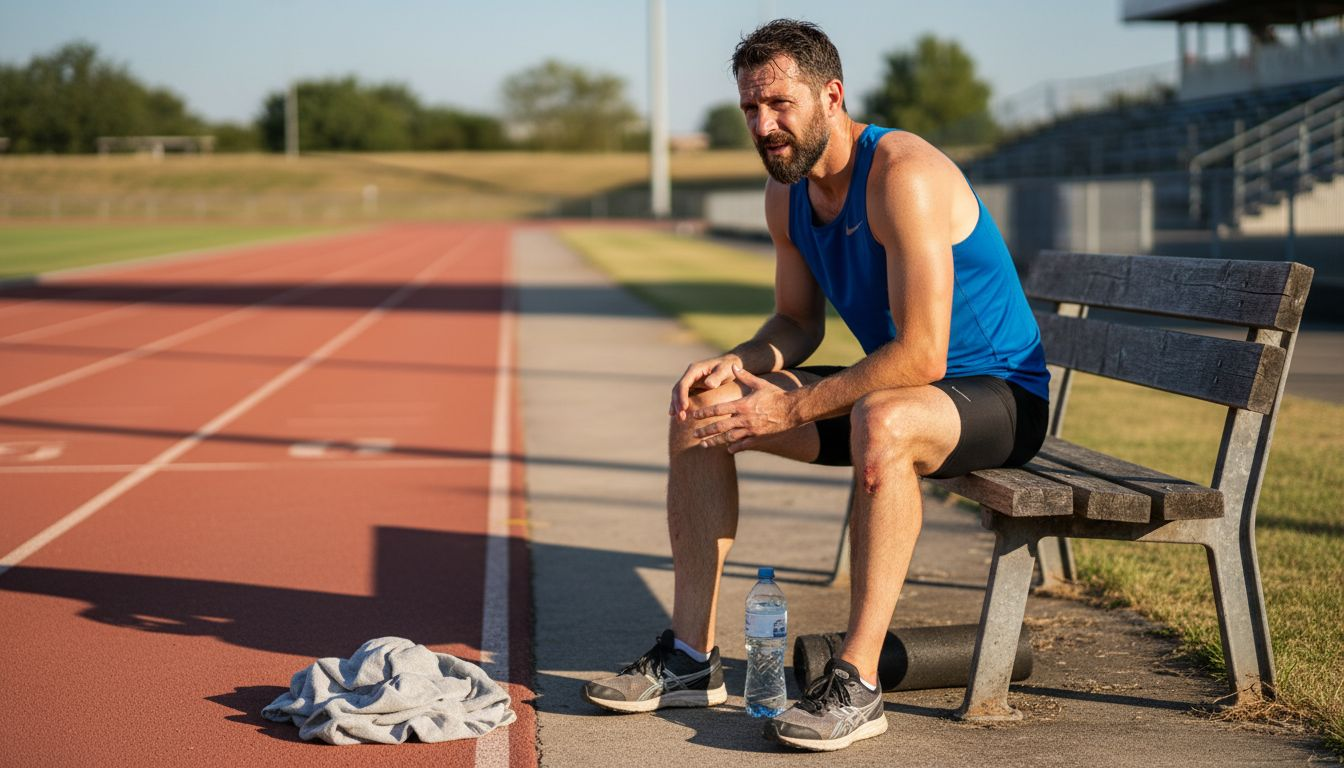
Over half of Canadian athletes face ongoing musculoskeletal pain that can limit performance and disrupt daily life. Whether you compete across Ottawa or train for personal goals, understanding the root of your discomfort is essential for lasting progress. This guide brings together proven strategies from a multidisciplinary healthcare team to help you recognize pain sources, customize your recovery, and protect yourself from future injuries.
Table of Contents
Quick Summary
Key Point | Explanation |
1. Conduct a Detailed Pain Assessment | Identify movement patterns and specific activities that trigger your pain to understand its sources effectively. |
2. Consult a Multidisciplinary Team | Collaborate with various healthcare professionals for a holistic understanding of your pain, addressing all contributing factors. |
3. Implement Evidence-Based Treatment | Develop a scientifically validated treatment plan that targets your specific pain profile for effective recovery. |
4. Create a Recovery and Preventive Routine | Establish routines that promote healing and prevent future injuries through targeted exercises and load management strategies. |
5. Regularly Monitor and Adjust Treatment | Systematically track your progress and refine your treatment plan based on your body’s responses to various therapies. |
Step 1: Assess Pain Sources and Activity Impact
Understanding the precise origin of athletic pain requires a systematic and comprehensive approach that combines self awareness and professional insights. When evaluating pain sources, athletes must consider multiple interconnected factors that might contribute to musculoskeletal discomfort.
The first critical step involves conducting a detailed pain assessment that examines movement patterns, activity intensity, and specific physical responses. Professional physiotherapy assessment techniques help athletes pinpoint pain triggers by analyzing biomechanical patterns and identifying potential strain points. Start by mapping out your typical training routine and noting exactly when and where pain emerges tracking details such as location intensity duration and specific movements that provoke discomfort.
Pay close attention to how different activities impact your pain levels. Some athletes discover that certain repetitive motions or specific training techniques significantly contribute to their discomfort. Track your pain progression systematically documenting how various activities intensity levels and rest periods influence your symptoms. This methodical approach transforms pain from an abstract experience into quantifiable data that can guide targeted intervention strategies.
Expert Tip: Keep a detailed pain journal documenting activity types duration intensity and corresponding pain responses to create a comprehensive profile for healthcare professionals.
Step 2: Consult a Multidisciplinary Healthcare Team
Navigating athletic pain effectively requires a comprehensive approach that goes beyond traditional single discipline treatment. A multidisciplinary healthcare team provides integrated expertise to address complex pain challenges comprehensively and strategically.
When seeking professional guidance, prioritize clinics offering comprehensive pain and injury medicine that bring together professionals from different specialties. Your ideal team might include physiotherapists chiropractors sports medicine physicians massage therapists and clinical psychologists who can collaboratively analyse your pain from multiple perspectives. This approach ensures a holistic understanding of your condition examining biomechanical physical neurological and psychological factors that contribute to athletic discomfort.
During your initial consultations communicate transparently about your athletic goals training routines and specific pain experiences. Each team member will contribute unique insights tracking how different bodily systems interact and influence your pain experience. Their collaborative assessment allows for a nuanced treatment plan that addresses root causes rather than merely managing symptoms temporarily.
Expert Tip: Request a comprehensive team consultation where all healthcare professionals discuss your case together to develop the most integrated and effective treatment strategy.
Here’s a summary of common healthcare professionals and their roles in multidisciplinary pain management:
Professional Type | Key Role in Pain Management | Typical Expertise Area |
Physiotherapist | Assesses movement, constructs rehab plans | Musculoskeletal dysfunction |
Chiropractor | Addresses spinal and joint issues | Biomechanical corrections |
Sports Medicine Physician | Diagnoses, oversees treatment progress | Athletic injury prevention |
Massage Therapist | Provides targeted manual therapy | Soft tissue recovery |
Clinical Psychologist | Supports psychological recovery | Mental health and resilience |
Step 3: Implement Evidence-Based Treatment Strategies
Effective athletic pain management requires a precise and scientifically validated approach that goes beyond traditional treatment methods. Evidence-based strategies transform your recovery by leveraging the most current medical research and proven rehabilitation techniques.
Your treatment plan should incorporate targeted interventions specific to your unique pain profile. Consider integrating comprehensive healthcare approaches that combine advanced physiotherapy techniques manual therapy progressive rehabilitation exercises and targeted pain management protocols. Focus on treatments with demonstrated clinical effectiveness addressing not just symptoms but underlying biomechanical imbalances that contribute to your discomfort.
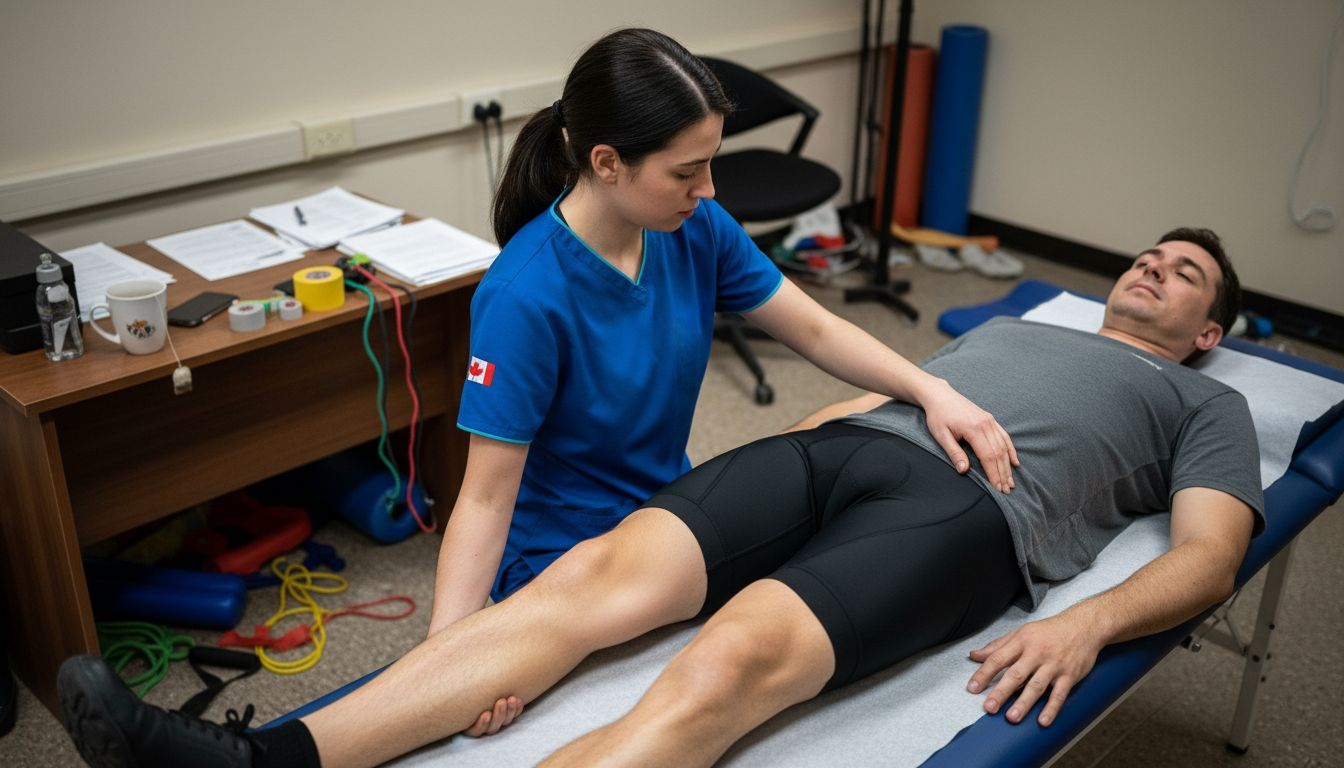
Implementing evidence-based strategies demands active participation and commitment. Work closely with your healthcare professionals to develop a dynamic treatment plan that adapts as your body responds. This might include progressive strengthening exercises targeted manual therapy techniques carefully monitored pain management protocols and periodic reassessments to track your recovery trajectory. The goal is creating a responsive treatment strategy that evolves with your healing process ensuring optimal recovery and preventing future athletic injuries.
Expert Tip: Request detailed documentation of your treatment strategy and understand the scientific rationale behind each recommended intervention to ensure youre receiving truly evidence-based care.
Step 4: Integrate Recovery and Preventive Routines
Successful athletic performance hinges on developing strategic recovery and preventive routines that protect your body from future injuries while supporting optimal physical resilience. These routines are not just about healing but proactively maintaining your athletic potential.
Design a comprehensive recovery strategy that incorporates biomechanical retraining and load management techniques focusing on intersegmental control and movement pattern optimization. Your routine should include targeted mobility exercises progressive strength training techniques carefully structured rest periods and strategic pain modulation approaches. Research demonstrates that systematic rehabilitation targeting movement quality can significantly reduce injury risks and enhance overall athletic performance.
Your preventive routine must adapt dynamically to your bodys changing needs. Work with healthcare professionals to develop a personalized approach that includes periodic biomechanical assessments progressive loading exercises and techniques that address potential movement compensations. This comprehensive strategy helps identify and correct subtle imbalances before they develop into more significant problems creating a proactive shield against potential athletic injuries.
Expert Tip: Integrate small daily mobility and activation exercises that target your specific movement weaknesses to build consistent body resilience and prevent future pain cycles.
Compare components of a responsive athletic recovery strategy:
Component | Primary Goal | Typical Approach | Benefits to Athlete |
Mobility Exercises | Enhance joint flexibility | Daily dynamic stretching | Reduces injury risk |
Strength Training | Improve muscle resilience | Progressive weight or resistance | Supports sustained recovery |
Rest Periods | Allow physiological repair | Structured downtime | Prevents overtraining |
Pain Modulation | Manage discomfort | Targeted therapy and adaptation | Promotes comfort and healing |
Step 5: Monitor Progress and Adjust Your Approach
Successful pain management requires a dynamic and responsive strategy that evolves with your bodys changing conditions. Consistent monitoring allows you to track your recovery trajectory and make informed adjustments to your treatment plan.
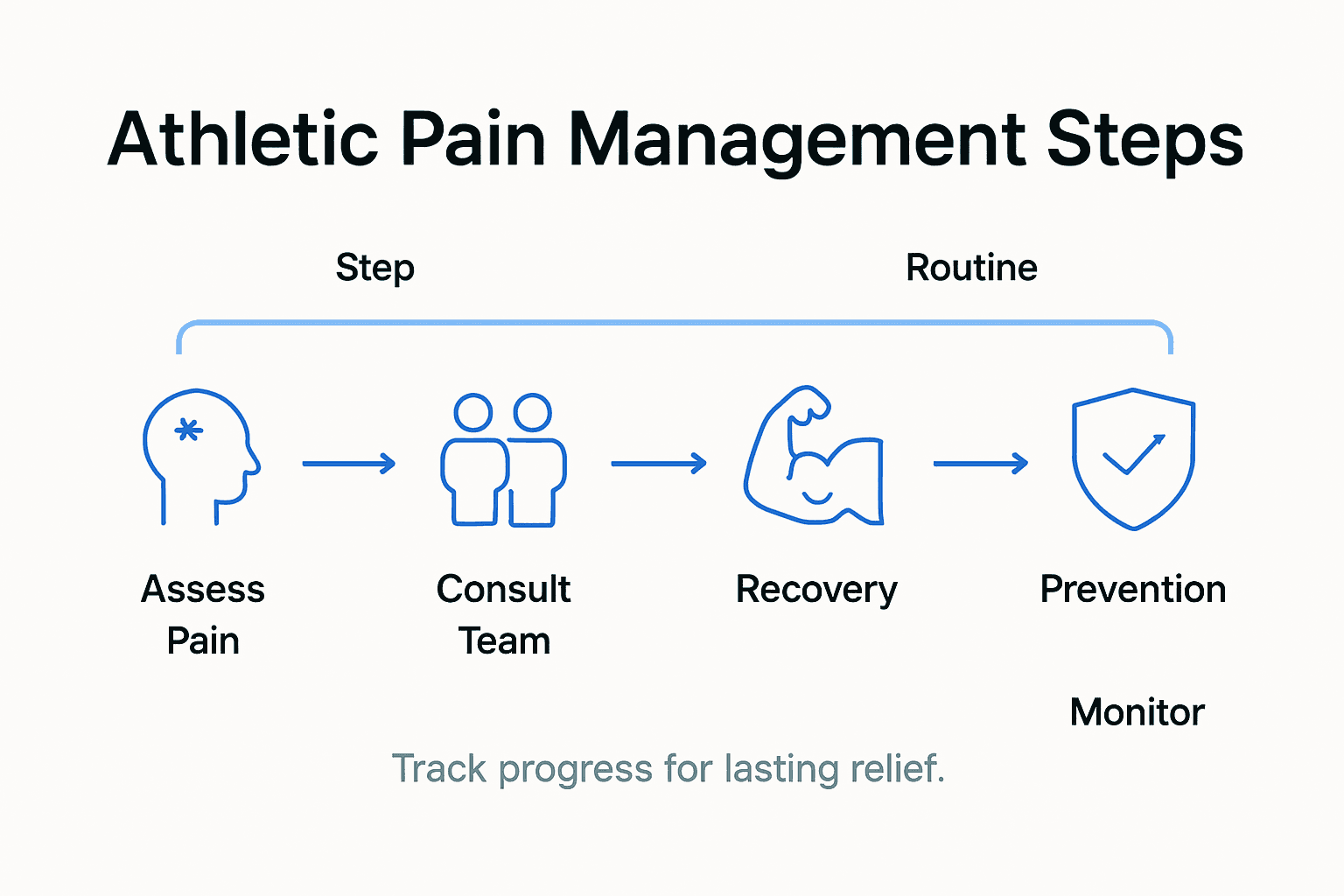
Implement a systematic approach to tracking your progress by using validated pain assessment techniques that provide objective measurements of your physical condition. These assessments might include range of motion tests strength evaluations pain intensity scales and functional movement screenings. Regularly document your symptoms physical capabilities and treatment responses to create a comprehensive picture of your healing journey.
Collaborate closely with your healthcare team to interpret these assessment results and develop responsive treatment modifications. Your approach should remain flexible allowing for nuanced adjustments based on your bodys specific responses. This might involve modifying exercise intensities changing rehabilitation techniques or exploring alternative treatment strategies that better support your recovery goals. Remember that healing is not linear and your treatment plan should reflect the complex and dynamic nature of athletic pain management.
Expert Tip: Create a digital or physical recovery journal to track your progress systematically allowing you to identify patterns and communicate effectively with your healthcare providers.
Find Lasting Relief with Integrated Athletic Pain Management
If you have been navigating the challenges of managing athletic pain naturally, you understand how crucial it is to pinpoint pain sources and implement evidence-based treatments. The goal is more than temporary relief. It is about building resilience and preventing future injuries through active recovery and multidisciplinary care. Whether you struggle with recurring discomfort from intense training or need tailored rehabilitation that respects your unique pain profile, expert support can transform your healing journey.
Take the next step towards lasting relief by exploring the comprehensive range of services at Integrate Ottawa. Our team combines physiotherapy, chiropractic care, massage therapy, and injury medicine to create personalized treatment plans based on the latest research. Start your pain assessment today and experience collaborative care that prioritizes your athletic goals and overall well-being. Discover how our pain and injury medicine and physiotherapy assessment process can support your recovery. Book your appointment now to move beyond pain towards enhanced performance and quality of life.
Frequently Asked Questions
How can I assess the sources of my athletic pain?
To assess the sources of your athletic pain, conduct a detailed pain assessment, focusing on movement patterns and activity intensity. Keep a pain journal to track details such as pain location, intensity, duration, and specific movements that provoke discomfort.
What should I include when consulting a healthcare team for athletic pain?
When consulting a healthcare team, clearly communicate your athletic goals, training routines, and specific pain experiences. Request a multidisciplinary consultation where all team members discuss your case to develop a comprehensive treatment strategy.
What are effective natural treatment strategies for athletic pain?
Effective natural treatment strategies include evidence-based interventions such as advanced physiotherapy techniques, manual therapy, and targeted rehabilitation exercises. Collaborate with healthcare professionals to create a dynamic treatment plan tailored to your unique pain profile, adapting it as your body responds.
How can I integrate recovery into my athletic routine?
Integrate recovery into your athletic routine by designing comprehensive recovery strategies that include mobility exercises, progressive strength training, and strategically structured rest periods. Focus on daily targeted mobility exercises to enhance resilience and reduce the risk of future injuries.
How do I monitor the progress of my pain management treatment?
Monitor your progress by regularly documenting symptoms, physical capabilities, and treatment responses using validated pain assessment techniques. Create a digital or physical recovery journal to track changes, allowing for informed adjustments to your treatment plan as needed.
Recommended


Comments