

7 Effective Examples of Manual Therapy for Pain Relief
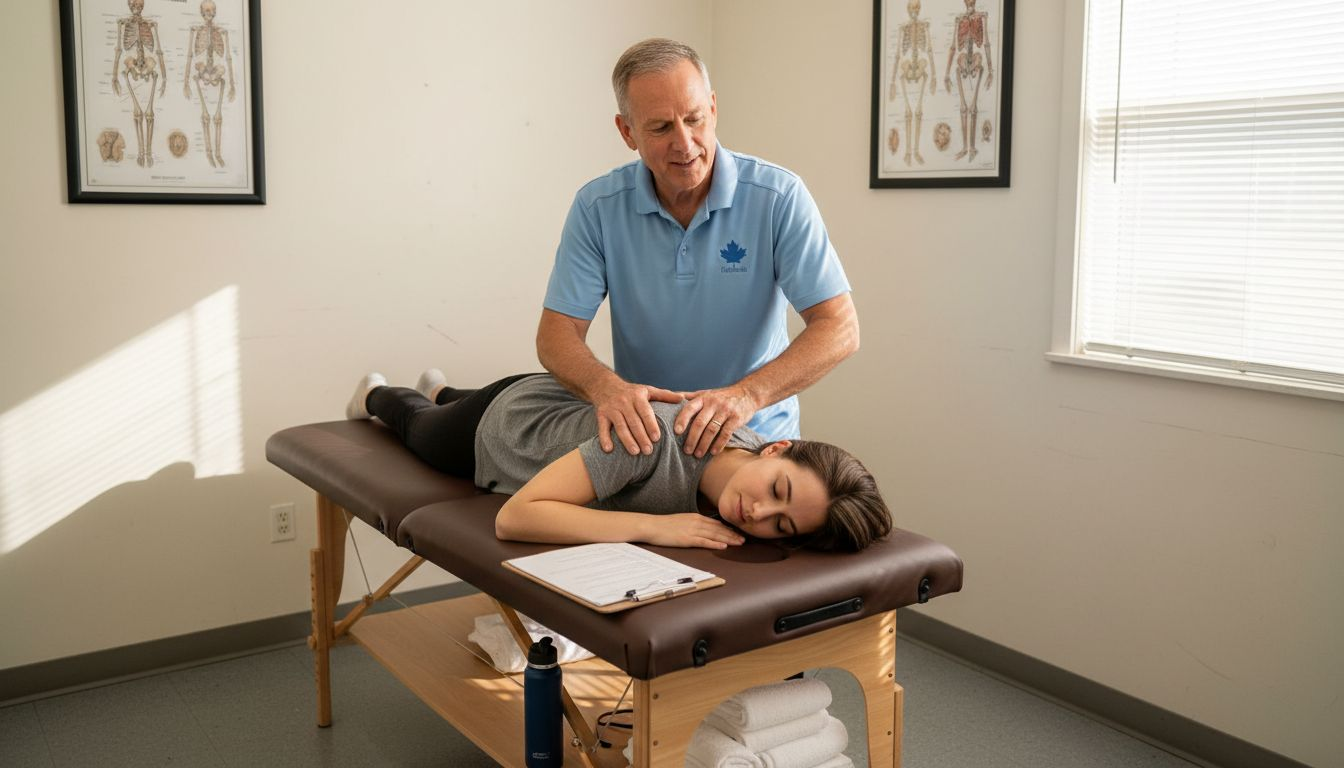
Chronic musculoskeletal pain affects nearly one in five Canadian adults, often leaving people in Ottawa searching for real solutions that go beyond temporary fixes. Navigating constant discomfort can impact every part of life, turning basic tasks into daily challenges. Evidence-based manual therapy offers proven approaches to release tension, restore movement, and promote lasting pain relief for those seeking to regain control and confidence in their bodies.
Table of Contents
Quick Summary
Key Insight | Explanation |
1. Soft Tissue Mobilization Reduces Tension | This technique alleviates muscle tightness and enhances mobility through targeted manipulation of soft tissues. |
2. Joint Mobilization Restores Movement | Careful movements applied to joints can alleviate pain and improve range of motion effectively. |
3. Myofascial Release Targets Connector Tissues | By applying sustained pressure to fascia, this method helps relieve chronic pain and improve flexibility. |
4. Trigger Point Therapy Addresses Specific Knots | Targeted pressure on muscle knots can significantly relieve pain and restore functional movement. |
5. Manual Lymphatic Drainage Reduces Swelling | This gentle technique encourages lymph flow, aiding in detoxification and decreasing fluid retention. |
1. Soft Tissue Mobilization for Muscle Release
Soft tissue mobilization represents a targeted manual therapy technique designed to release muscle tension and improve overall mobility. This hands-on approach allows healthcare professionals to directly manipulate soft tissues like muscles, tendons, and ligaments to alleviate pain and restore proper movement patterns.
The primary goal of soft tissue mobilization involves breaking down adhesions and scar tissue that restrict muscle function. Practitioners use specific hand pressures and movements to stretch and manipulate muscle fibres, promoting increased blood circulation and reducing muscular restrictions. Muscles often become tight or restricted due to repetitive movements, injuries, poor posture, or chronic stress conditions.
When performing soft tissue mobilization, therapists apply precise pressure using their hands, fingers, or specialised tools to target specific muscle groups. These techniques help release trigger points, reduce muscle knots, and restore optimal muscle elasticity. Trigger point therapies can complement this approach by addressing specific areas of muscular tension.
Patients typically experience immediate benefits including reduced muscle tension, improved range of motion, and decreased pain levels. The technique works particularly well for individuals suffering from chronic muscle tightness, sports related injuries, repetitive strain conditions, and postural dysfunction.
Pro tip: Start with gentle pressure and communicate openly with your manual therapy practitioner about your comfort levels during soft tissue mobilization to ensure the most effective and pain free treatment experience.
2. Joint Mobilization Techniques to Restore Movement
Joint mobilization represents a precise manual therapy technique designed to improve joint function, reduce pain, and restore optimal range of motion. This specialised approach allows healthcare professionals to apply carefully controlled movements to stiff or restricted joints, helping patients regain mobility and reduce discomfort.
The fundamental principle of joint mobilization involves applying specific hands-on pressures and movements to joints that have become restricted due to injury, inflammation, or prolonged immobility. Therapists use graded levels of force ranging from gentle oscillating movements to more intense manipulations, depending on the patient’s specific condition and pain tolerance. Preventive physiotherapy approaches can help patients understand and manage their joint health more effectively.
During joint mobilization, practitioners assess the joint’s current movement capabilities and identify areas of restriction. They then apply targeted techniques to incrementally improve joint mechanics, reduce muscle guarding, and increase synovial fluid circulation. These techniques can help break down scar tissue, improve joint lubrication, and restore normal biomechanical patterns.
Patients experiencing conditions such as arthritis, sports injuries, postural dysfunction, or chronic joint stiffness can benefit significantly from these techniques. Joint mobilization works by gently stretching joint capsules, reducing pain signals, and retraining the nervous system to support more fluid movement patterns.
Pro tip: Always communicate openly with your healthcare professional about your comfort levels and any sensations experienced during joint mobilization to ensure the most effective and safe treatment approach.
3. Myofascial Release for Reducing Tension
Myofascial release represents an advanced manual therapy technique focused on alleviating muscle and fascial tension through sustained, gentle pressure and stretching. This specialised approach targets the complex network of connective tissues that surrounds and interconnects muscles, bones, and organs throughout the human body.
The fascia functions as a continuous web of connective tissue that plays a crucial role in maintaining body structure, flexibility, and overall movement patterns. When fascia becomes restricted or tight due to injury, stress, poor posture, or repetitive movements, it can create significant discomfort and limit mobility. Massage therapy routines can complement myofascial release by providing additional relief and supporting muscle health.
Practitioners apply slow, sustained pressure directly to fascial restrictions, helping to eliminate pain and restore movement. By using specific hand techniques that stretch and manipulate the fascial layer, therapists can help break down adhesions, improve blood circulation, and enhance the body’s natural healing processes. This method differs from traditional massage by focusing on prolonged, gentle pressure rather than rapid muscle manipulation.
Myofascial release is particularly effective for individuals experiencing chronic pain, postural imbalances, recurring muscle tension, and limited range of motion. Patients with conditions such as fibromyalgia, sports injuries, and repetitive strain injuries often find significant relief through this targeted approach.
Pro tip: Stay well hydrated before and after myofascial release sessions to support tissue healing and help your body process the physical changes initiated during treatment.
4. Trigger Point Therapy for Targeted Relief
Trigger point therapy represents a highly specialised manual therapy technique designed to address specific areas of muscle tension and chronic pain. This precise approach focuses on identifying and releasing concentrated knots of muscular tension that can cause referred pain and restricted movement throughout the body.
A trigger point is a hypersensitive area within muscle tissue that becomes contracted and creates localised pain patterns. When therapists apply direct, sustained pressure to these specific points, they can help release muscle tension, improve blood circulation, and reduce associated pain symptoms. Dry needling techniques can complement trigger point therapy by providing additional pain management strategies.
During treatment, practitioners use targeted finger pressure, massage techniques, or specialised tools to locate and deactivate these sensitive muscle knots. The therapy works by interrupting the neuromuscular feedback loop that maintains muscle tension, allowing muscles to return to a more relaxed and functional state. Patients often experience immediate relief from localised pain and improved range of motion.
Trigger point therapy is particularly effective for individuals experiencing chronic muscle pain, repetitive strain injuries, postural dysfunction, and sports related muscle tensions. Conditions such as tension headaches, neck pain, lower back discomfort, and shoulder strain can significantly benefit from this targeted therapeutic approach.
Pro tip: Communicate openly with your healthcare professional about your pain locations and sensations to help them identify and effectively treat specific trigger points during your therapy session.
5. Manual Lymphatic Drainage for Swelling Control
Manual lymphatic drainage represents a specialised therapeutic technique designed to stimulate the body’s lymphatic system and reduce fluid retention and swelling. This gentle hands-on therapy focuses on promoting the natural movement of lymphatic fluids to support the body’s healing and detoxification processes.
The lymphatic system functions as a crucial part of the immune system, responsible for removing toxins, waste products, and excess fluid from bodily tissues. Kinesitherapy techniques can complement lymphatic drainage by helping restore optimal circulation and reduce muscle tension. Practitioners use extremely light, rhythmic hand movements to encourage lymph flow, applying minimal pressure that follows the natural pathways of the lymphatic network.
Therapists carefully map the lymphatic system and apply specific techniques to redirect fluid accumulation, helping to reduce inflammation, support immune function, and alleviate conditions such as post surgical swelling, sports injuries, and chronic edema. The treatment involves a series of precise, gentle strokes that guide lymph fluid towards functioning lymph nodes, enabling more efficient waste removal and tissue detoxification.
Patients experiencing conditions like lymphedema, chronic inflammation, recovery from surgical procedures, or those with compromised immune systems can significantly benefit from this therapeutic approach. The therapy not only reduces physical swelling but also supports overall metabolic health and enhances the body’s natural healing mechanisms.
Pro tip: Stay well hydrated and wear comfortable, loose clothing during manual lymphatic drainage sessions to support optimal fluid movement and treatment effectiveness.
6. Passive Stretching to Improve Flexibility
Passive stretching represents a specialised manual therapy technique where a therapist gently moves a patient’s body segments to increase range of motion and improve overall muscle flexibility. This approach allows muscles and joints to be stretched without active engagement from the patient, providing a controlled and precise method of increasing mobility.
Kinesitherapy techniques emphasise the importance of gentle, controlled movements to restore muscle function and reduce tension. During passive stretching, the therapist carefully manipulates a patient’s limbs or body parts through their maximum range of motion, applying gentle pressure to elongate muscle fibres and improve joint mobility without causing pain or strain.
The technique works by gradually increasing the nervous system’s tolerance to muscle lengthening, helping to reduce muscle tension and improve overall flexibility. Passive stretching is particularly beneficial for individuals recovering from injuries, experiencing chronic muscle tightness, or dealing with mobility restrictions caused by conditions such as arthritis, repetitive strain injuries, or postural imbalances.
Unlike active stretching where patients move their own muscles, passive stretching relies entirely on the therapist’s expertise to safely and effectively increase flexibility. This approach allows for more precise targeting of specific muscle groups and provides a deeper, more controlled stretch that can help prevent future injuries and improve overall physical performance.
Pro tip: Communicate openly with your therapist about your comfort levels and any sensations experienced during passive stretching to ensure the most effective and safe treatment approach.
7. Instrument-Assisted Soft Tissue Therapy
Instrument-assisted soft tissue therapy represents a sophisticated manual treatment approach that utilizes specialised tools to detect and address soft tissue dysfunctions. This precision technique allows healthcare professionals to apply targeted pressure and manipulation using carefully designed instruments, enabling more refined therapeutic interventions.
The primary goal of this therapy involves breaking down scar tissue, fascial restrictions, and muscular adhesions that limit mobility and cause chronic pain. Chiropractic care techniques can complement these instrument-based approaches by providing comprehensive musculoskeletal treatment. Practitioners use stainless steel tools with specific contours to scan and treat affected soft tissue areas, applying controlled pressure that stimulates the body’s natural healing mechanisms.
Research indicates that instrument-assisted soft tissue mobilization can significantly improve function, reduce pain, and increase range of motion. The technique works by creating microtrauma within the treated tissue, which triggers a controlled inflammatory response that promotes healing, increases blood flow, and helps reorganize collagen fibres more effectively than manual techniques alone.
This therapy is particularly beneficial for athletes, individuals recovering from injuries, those with chronic musculoskeletal conditions, and patients experiencing persistent soft tissue restrictions. Conditions such as tendonitis, muscle strains, ligament sprains, and repetitive stress injuries can be effectively addressed through this precise and targeted approach.
Pro tip: Communicate openly with your healthcare provider about your pain levels and comfort during treatment to ensure the most effective and personalized instrument-assisted soft tissue therapy experience.
The table below summarizes various manual therapy techniques discussed in the article, highlighting their descriptions, key actions, and benefits.
Technique | Description | Benefits |
Soft Tissue Mobilization | Manual method to release muscle tension by manipulating muscles, tendons, and ligaments. | Reduces muscle tension, improves mobility, decreases pain; effective for chronic tightness and sports injuries. |
Joint Mobilization | Precise movements to improve joint function and restore range of motion. | Enhances joint mechanics, reduces pain, improves mobility; beneficial for arthritis, postural dysfunction, and stiffness. |
Myofascial Release | Alleviates muscle and fascial tension through gentle pressure and stretching. | Relieves chronic pain, improves circulation; effective for fibromyalgia and postural imbalances. |
Trigger Point Therapy | Targets specific muscle tension points with direct pressure to relieve pain. | Immediate pain relief, improved range of motion; ideal for tension headaches, neck pain, and muscle strains. |
Manual Lymphatic Drainage | Gentle therapy to stimulate lymphatic system, controlling fluid retention and swelling. | Reduces inflammation, supports immune function; beneficial for post-surgical swelling and chronic edema. |
Passive Stretching | Therapist-imposed gentle stretching to enhance muscle flexibility and joint mobility. | Improves flexibility, reduces muscle tension; suitable for injury recovery and mobility restrictions. |
Instrument-Assisted Therapy | Uses tools to treat soft tissue dysfunctions and promote healing. | Increases range of motion, reduces pain; effective for tendonitis, muscle strains, and repetitive stress injuries. |
Discover Lasting Pain Relief Through Expert Manual Therapy Solutions
If you struggle with chronic muscle tension, joint stiffness, or persistent pain from injuries or posture-related issues, manual therapy techniques like soft tissue mobilization, myofascial release, and joint mobilization can offer significant relief and improved mobility. The article highlights targeted therapies such as trigger point therapy and instrument-assisted soft tissue therapy that address your discomfort at its source by breaking down adhesions and restoring natural movement patterns. At Integrate Ottawa, our dedicated team combines evidence-based treatment approaches with collaborative care to support your road to recovery and enhance your quality of life.
Take control of your pain today by exploring our comprehensive range of services including physiotherapy, chiropractic care, and massage therapy designed specifically for musculoskeletal health. Visit Integrate Ottawa now to learn more and book an appointment. Let our skilled professionals guide you with tailored manual therapy techniques that align perfectly with your needs. Don’t wait for pain to hold you back—experience the expert care you deserve at Integrate Ottawa and begin your journey toward lasting relief.
Frequently Asked Questions
What is soft tissue mobilization and how does it help with pain relief?
Soft tissue mobilization is a hands-on therapy technique focused on releasing muscle tension and improving mobility. By gently manipulating soft tissues like muscles and tendons, this technique can alleviate pain and restore movement. Consider a session to experience immediate benefits like reduced tightness and improved range of motion.
How does joint mobilization work for restoring movement?
Joint mobilization involves applying controlled movements to stiff or restricted joints to improve function and reduce pain. This technique helps break down restrictions and can enhance joint lubrication. Consult a qualified practitioner to assess your joint mobility and determine a personalized treatment plan.
What conditions can myofascial release effectively treat?
Myofascial release targets muscle and fascial tension, making it effective for conditions like chronic pain and postural imbalances. By applying gentle pressure to restricted fascia, this therapy can promote healing and improve flexibility. Schedule a session to address pain from conditions such as fibromyalgia or sports injuries.
How do I know if trigger point therapy is right for me?
Trigger point therapy is ideal for individuals with specific areas of muscle tension causing pain. This targeted approach can provide immediate relief from discomfort associated with muscle knots. Discuss your symptoms with a qualified therapist to determine if this method is suitable for your pain management needs.
What should I expect during a manual lymphatic drainage session?
During manual lymphatic drainage, gentle movements are used to stimulate lymphatic flow and reduce swelling. This technique helps alleviate conditions like lymphedema and post-surgical fluid retention. Prepare by wearing comfortable clothing and discussing any medical history to ensure an effective treatment experience.
How can passive stretching improve my flexibility?
Passive stretching involves a therapist gently moving your body to enhance flexibility without active participation. This technique is beneficial for individuals recovering from injuries or managing conditions like arthritis. Consider regular sessions to see improvements in your overall mobility and muscle function.
Recommended
Comments