

Therapeutic Exercise: Restoring Mobility and Reducing Pain
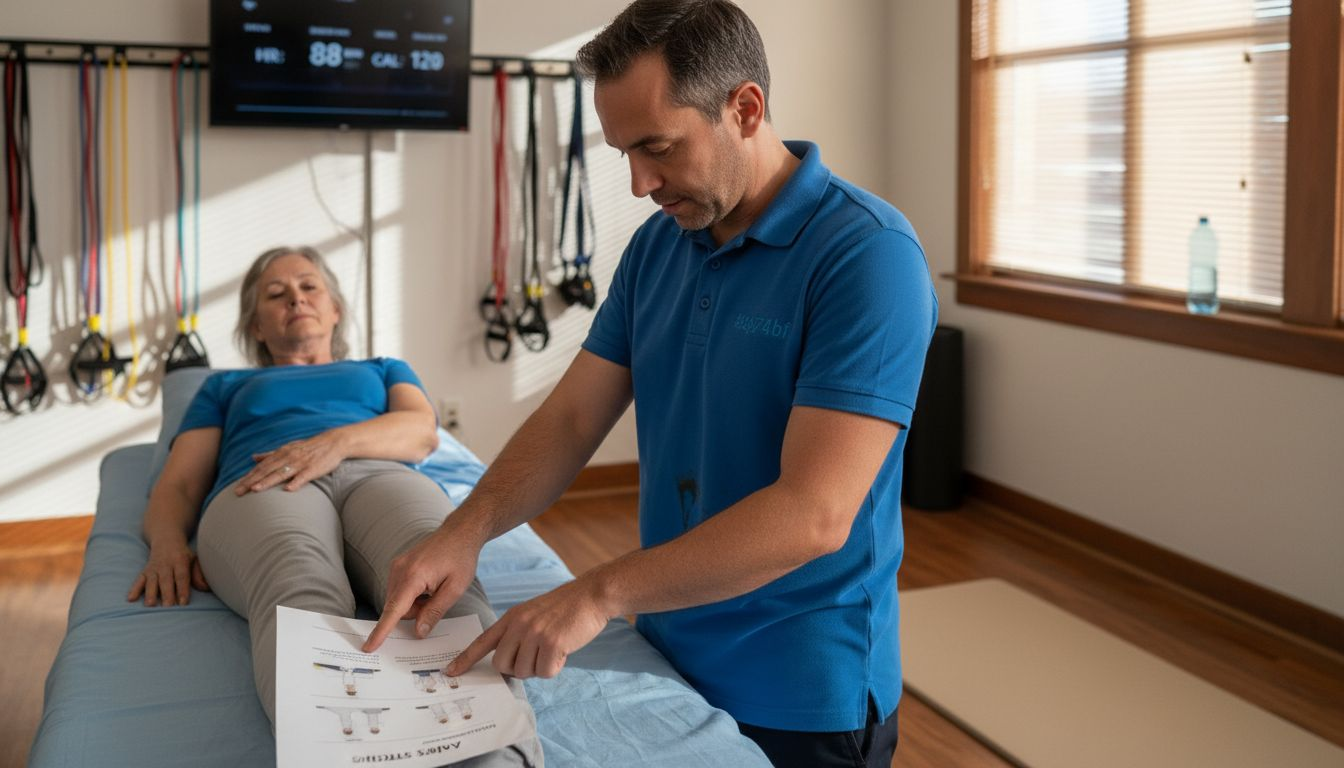
Nearly one in five Canadian adults experiences chronic musculoskeletal pain that impacts daily movement and overall quality of life. For people in Ottawa struggling to regain mobility, the search for effective solutions can be frustrating. Evidence-backed therapeutic exercise, guided by a multidisciplinary healthcare approach, offers targeted strategies to manage pain and restore function. This overview highlights how personalized assessments and tailored interventions support long-term recovery for those seeking practical, science-based answers.
Table of Contents
Key Takeaways
Point | Details |
Therapeutic Exercise Defined | A systematic approach to rehabilitation focusing on restoring mobility, reducing pain, and improving functional capacity through tailored interventions. |
Types and Goals | Various specialized categories like strengthening, balance training, and functional rehabilitation aim to enhance specific aspects of physical recovery and overall health. |
Multidisciplinary Team Role | Collaborative care from a diverse team of professionals ensures comprehensive assessment and individualized exercise protocols to optimize recovery outcomes. |
Safety Protocols | Rigorous patient screening, continuous monitoring, and clear communication are crucial to mitigate risks and enhance the effectiveness of therapeutic exercise. |
Defining therapeutic exercise in rehabilitation
Therapeutic exercise is a systematic, targeted approach to physical rehabilitation designed to restore mobility, reduce pain, and improve overall functional capacity. At its core, this specialized form of intervention goes beyond traditional exercise by addressing specific physiological and biomechanical limitations within an individual’s musculoskeletal system.
In clinical practice, therapeutic exercise represents a structured intervention that encompasses carefully prescribed physical activities tailored to each patient’s unique rehabilitation needs. These exercises are not random movements, but precise, evidence-based protocols designed to target specific impairments, restore functional movement patterns, and support comprehensive recovery.
The scope of therapeutic exercise extends far beyond simple strength training. It involves a holistic approach that considers both physical and psychological factors affecting patient recovery. Rehabilitation professionals design these interventions to progressively challenge patients, improving range of motion, muscular strength, neuromuscular control, and overall physical resilience. Key components typically include targeted stretching, resistance training, balance exercises, and functional movement retraining.
Clinical evidence consistently demonstrates that when implemented correctly, therapeutic exercise can significantly reduce pain, enhance joint mobility, and accelerate recovery across various musculoskeletal conditions. The approach is particularly effective in managing chronic pain, post-injury rehabilitation, and supporting long-term physical wellness strategies.
Pro tip: Work closely with a rehabilitation professional to develop a personalized therapeutic exercise plan that addresses your specific physical limitations and recovery goals.
Types of therapeutic exercise and their goals
Therapeutic exercise encompasses several specialized categories, each designed to address specific rehabilitation needs and functional objectives. These strategically developed exercise types target different aspects of physical recovery, helping patients regain strength, mobility, and overall musculoskeletal health.
The primary types of therapeutic exercise include range of motion exercises, which focus on improving joint flexibility and reducing stiffness. These movements help restore normal joint function and prevent contractures. Strengthening exercises are another critical category, designed to rebuild muscle strength and support injury recovery. These interventions use resistance techniques like bodyweight exercises, resistance bands, or weights to rebuild muscle integrity and enhance overall physical performance.
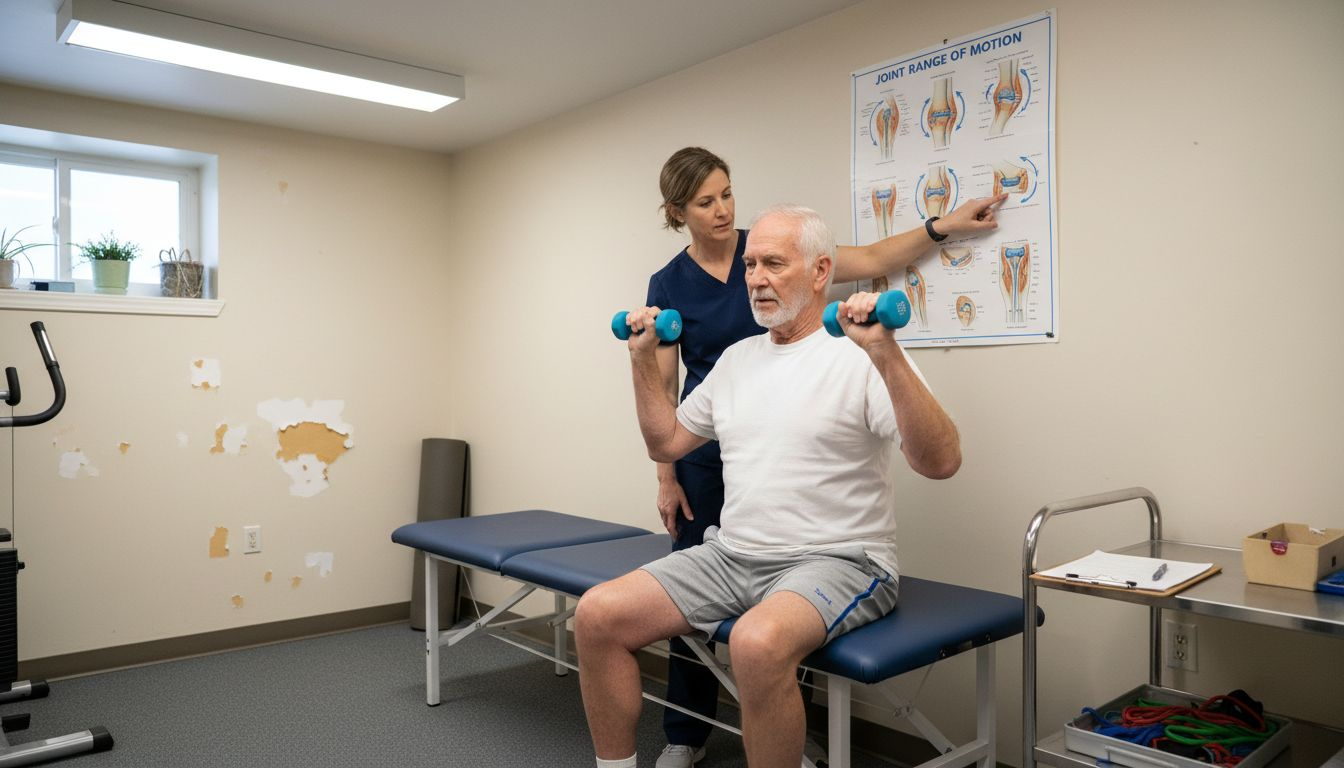
Additional therapeutic exercise categories include balance and coordination training, which helps patients improve neuromuscular control and reduce fall risks, and endurance exercises that gradually increase cardiovascular fitness and stamina. Functional rehabilitation exercises are particularly important, as they simulate real-world movement patterns specific to a patient’s daily activities or sport-specific requirements. These exercises bridge the gap between basic physical therapy and returning to normal activity levels.
Each therapeutic exercise type is meticulously designed with specific goals: restoring physical function, managing pain, preventing further injury, and ultimately improving the patient’s quality of life. Rehabilitation professionals carefully assess individual patient needs to create personalized exercise protocols that progressively challenge and support recovery.
Here’s a summary of distinct therapeutic exercise types and their core rehabilitation impacts:
Exercise Type | Primary Purpose | Impact on Recovery |
Range of motion | Increase joint flexibility | Prevent stiffness and contractures |
Strengthening | Build muscle integrity | Support injury rehabilitation |
Balance and coordination | Enhance neuromuscular control | Reduce risk of falls |
Endurance | Boost cardiovascular stamina | Improve long-term activity levels |
Functional rehabilitation | Simulate real-life movements | Ease return to daily activities |
Pro tip: Always consult a qualified physiotherapy professional to develop a tailored therapeutic exercise program that matches your unique rehabilitation requirements and goals.
How therapeutic exercises work for pain management
Pain management through therapeutic exercise represents a sophisticated approach that addresses the underlying mechanisms of physical discomfort rather than simply masking symptoms. By targeting the root causes of pain, these specialized exercise interventions provide a comprehensive strategy for long-term relief and functional restoration.
Kinesiology techniques use targeted exercise interventions to restore muscle balance and improve biomechanical efficiency. These interventions work by addressing muscular imbalances, reducing inflammation, and promoting tissue healing. Specific exercises help retrain neural pathways, enhance muscle coordination, and gradually reduce pain sensitivity by improving overall movement patterns and structural integrity.
The neurophysiological mechanisms of pain management through therapeutic exercise are complex and multifaceted. Neuroplasticity plays a critical role, where targeted movements help rewire pain perception in the central nervous system. By consistently performing precise exercises, patients can gradually reduce pain signals, improve muscle strength, and enhance joint mobility. These interventions also stimulate the release of endogenous pain-reducing chemicals like endorphins, which naturally combat discomfort and promote healing.
Rehabilitation professionals design therapeutic exercise protocols that progressively challenge patients while maintaining safe and controlled movement patterns. The approach involves carefully sequenced exercises that gradually increase in intensity and complexity, allowing the body to adapt, rebuild strength, and reduce pain thresholds. This systematic approach ensures that patients can effectively manage chronic pain conditions and restore optimal physical function.
Pro tip: Maintain consistent communication with your rehabilitation professional and provide detailed feedback about your pain levels and exercise responses to optimize your therapeutic exercise program.
Role of multidisciplinary teams and patient assessment
Multidisciplinary healthcare approaches represent a sophisticated strategy for comprehensive patient care, bringing together diverse professional expertise to address complex rehabilitation challenges. These integrated teams combine specialized knowledge from various healthcare disciplines to develop holistic, patient-centered treatment strategies that go beyond traditional single-provider interventions.
Collaborative care enhances patient outcomes through comprehensive assessment and coordinated treatment planning. A typical multidisciplinary rehabilitation team might include physiotherapists, kinesiologists, physicians, massage therapists, and other specialized healthcare professionals. Each team member contributes unique insights, conducting detailed assessments that examine biomechanical, neurological, psychological, and physiological aspects of a patient’s condition.
The patient assessment process is meticulously structured to capture a comprehensive understanding of an individual’s health status, functional limitations, and rehabilitation potential. Comprehensive evaluation involves multiple diagnostic techniques, including physical examinations, movement analysis, strength testing, flexibility assessments, and detailed medical history reviews. These assessments enable healthcare professionals to develop precisely tailored therapeutic exercise protocols that address specific patient needs, ensuring interventions are both scientifically grounded and individually optimized.
Communication and continuous collaboration are fundamental to the multidisciplinary approach. Regular team conferences, shared electronic health records, and coordinated treatment planning ensure that each healthcare professional understands the patient’s overall progress and treatment goals. This integrated approach allows for dynamic adjustments to rehabilitation strategies, ensuring patients receive responsive, adaptive care that evolves with their recovery journey.
Pro tip: Actively participate in your multidisciplinary team’s assessment process by providing detailed, honest information about your health history, current symptoms, and rehabilitation goals.
Risks, safety protocols, and common mistakes
Therapeutic exercise, while essential for rehabilitation, requires meticulous attention to safety and risk management. Understanding potential hazards and implementing robust preventative strategies are crucial for ensuring patient well-being and successful recovery outcomes.
Comprehensive patient screening protocols are fundamental to mitigating risks in therapeutic exercise interventions. These assessments involve detailed medical history reviews, physical examinations, and standardized risk evaluation tools like the Physical Activity Readiness Questionnaire (PAR-Q+). Healthcare professionals must carefully assess an individual’s current physical condition, pre-existing medical conditions, and potential contraindications before prescribing any exercise regimen.
Common mistakes in therapeutic exercise can significantly compromise patient safety and treatment effectiveness. These errors often include inadequate initial assessment, inappropriate exercise progression, insufficient supervision, and failure to monitor patient response. Exercise intensity mismanagement represents a critical risk, where practitioners might prescribe exercises that are too advanced or aggressive for a patient’s current functional capacity. Proper technique, gradual progression, and continuous patient feedback are essential to prevent potential injury or symptom exacerbation.
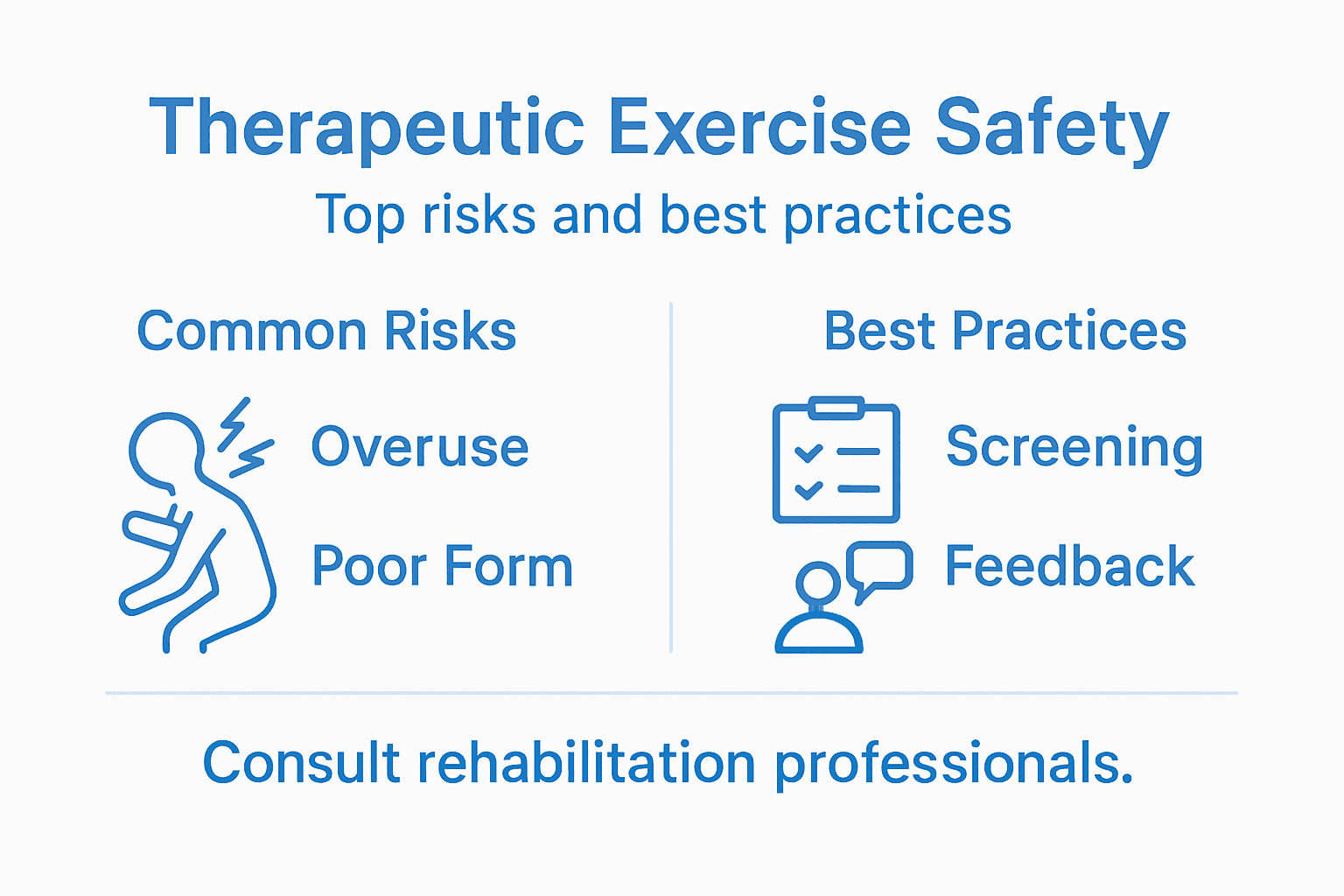
Safety protocols demand ongoing communication between healthcare providers and patients. This involves clear instructions about exercise execution, potential warning signs, and immediate reporting mechanisms for discomfort or unexpected physiological responses. Rehabilitation professionals must maintain vigilant monitoring, adapt interventions based on individual patient tolerance, and be prepared to modify treatment plans dynamically to ensure patient safety and optimize recovery potential.
Pro tip: Always communicate openly with your rehabilitation professional about any pain, discomfort, or unusual sensations during therapeutic exercises, and never hesitate to request modifications.
Therapeutic exercise compared to general fitness programmes
Therapeutic exercise represents a highly specialized approach to physical activity that fundamentally differs from traditional fitness programmes. While general fitness training typically focuses on broad physical conditioning and performance enhancement, therapeutic exercise is a targeted, precision-driven intervention designed to address specific physiological limitations, rehabilitate injuries, and restore optimal functional movement.
Unlike standard fitness programmes that emphasize general strength, endurance, and aesthetic goals, therapeutic exercise is meticulously tailored to individual patient needs. Rehabilitation approaches target specific movement dysfunctions through carefully prescribed exercises that address underlying biomechanical issues, muscular imbalances, and neurological constraints. Each exercise is strategically selected to promote healing, improve mobility, reduce pain, and restore precise movement patterns that support long-term physical health.
The assessment and progression methodologies further distinguish therapeutic exercise from general fitness programmes. Fitness training often follows standardized protocols with generalized progression models, whereas therapeutic exercise involves continuous, individualized assessment and dynamic adaptation. Healthcare professionals continuously monitor patient response, modify exercise intensity and complexity based on real-time feedback, and integrate comprehensive medical understanding to ensure safe, effective rehabilitation.
Critical differences extend to the underlying philosophical approach. General fitness programmes typically aim to enhance athletic performance or aesthetic goals, while therapeutic exercise prioritizes functional restoration, pain management, and addressing specific physiological impairments. This nuanced approach requires advanced clinical expertise, understanding of human movement science, and a holistic perspective on patient recovery that goes far beyond conventional fitness training methodologies.
Below is a concise comparison highlighting the differences between therapeutic exercise and general fitness programmes:
Aspect | Therapeutic Exercise | General Fitness Programmes |
Goal | Restore function, reduce pain | General fitness, aesthetics |
Personalization | Clinically tailored to patient | Standardized routines |
Assessment approach | Ongoing, medically informed | Basic fitness evaluations |
Progression strategy | Adaptive, based on recovery | Linear, generic progression |
Pro tip: Recognize that therapeutic exercise is a medical intervention, not a fitness routine, and always prioritize professional guidance over generic workout approaches.
Take Control of Your Pain and Mobility with Expert Therapeutic Exercise Support
If you are struggling with reduced mobility or persistent pain, targeted therapeutic exercise can help rebuild your strength, improve your range of motion, and restore your quality of life. At Integrate Ottawa, our collaborative team of physiotherapists, kinesiologists, and healthcare professionals specialize in creating personalized rehabilitation plans grounded in evidence-based practice. We understand the challenges of managing pain through safe and progressive exercise techniques designed specifically for your unique needs.

Start your journey to recovery today by visiting Integrate Ottawa to explore our comprehensive services and book your initial assessment. Benefit from a multidisciplinary approach that prioritizes your safety and continuous progression while reducing pain and preventing further injury. Don’t wait to regain control over your body and wellbeing. Connect with us now to design a therapeutic exercise program tailored just for you.
Frequently Asked Questions
What is therapeutic exercise?
Therapeutic exercise is a systematic and targeted approach to physical rehabilitation aimed at restoring mobility, reducing pain, and improving functional capacity. It involves evidence-based protocols designed to address physiological limitations and support comprehensive recovery.
How does therapeutic exercise help manage pain?
Therapeutic exercise works by addressing the underlying mechanisms of pain through targeted movements that improve muscle balance, reduce inflammation, and enhance biomechanical efficiency. It also promotes neuroplasticity, which helps retrain pain perception in the central nervous system.
What types of exercises are included in therapeutic exercise?
The main types of therapeutic exercise include range of motion exercises, strengthening exercises, balance and coordination training, endurance exercises, and functional rehabilitation exercises. Each type is designed to address specific rehabilitation needs and goals.
How can I get a personalized therapeutic exercise program?
To develop a personalized therapeutic exercise program, it is essential to consult a rehabilitation professional who can assess your unique physical limitations and recovery goals. They will create a tailored plan that aligns with your specific needs and progress throughout your rehabilitation journey.
Recommended
Comments