

Rehabilitative Medicine Explained: Restoring Function in Ottawa
- Jan 9
- 8 min read
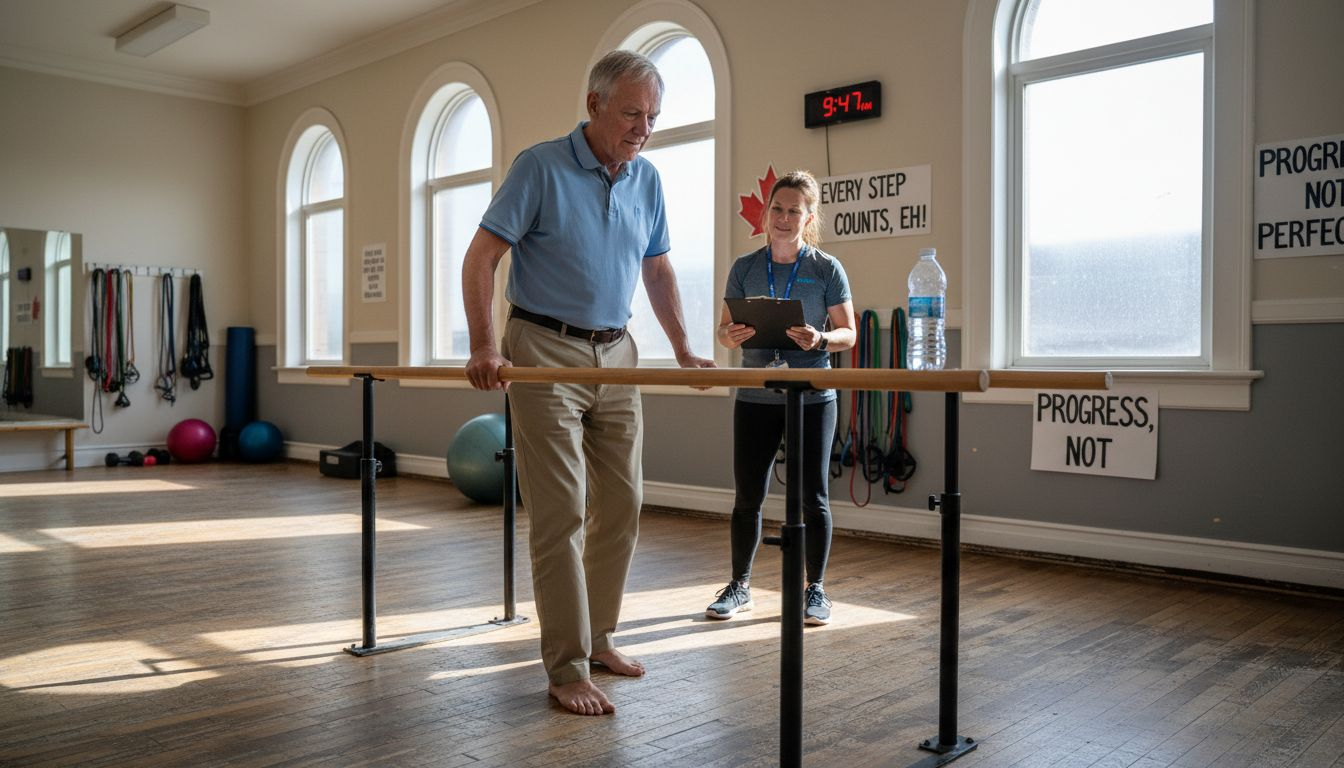
More than one in five Canadian adults live with a chronic musculoskeletal condition that undermines daily comfort and mobility. For those in Ottawa, pain can linger after an injury or surgery, making even simple tasks feel daunting. Understanding how rehabilitative medicine works within the Canadian healthcare system helps individuals discover treatments that truly restore movement and independence. Discover how multidisciplinary teams and modern strategies can transform your recovery and improve your quality of life.
Table of Contents
Key Takeaways
Point | Details |
Comprehensive Care Approach | Rehabilitative medicine in Canada focuses on restoring function and quality of life through a collaborative, multidisciplinary approach involving various healthcare professionals. |
Patient-Centred Focus | Patient participation is essential, driving effective rehabilitation through active involvement in goal-setting and progress evaluation. |
Diverse Therapeutic Options | Various therapies, including physiotherapy and occupational therapy, address specific patient needs and support independence following injury or illness. |
Financial Considerations | Understanding access pathways and insurance coverage is crucial to navigating costs associated with rehabilitation services in Canada. |
Defining rehabilitative medicine in Canada
Rehabilititative medicine represents a comprehensive healthcare approach focused on restoring function, mobility, and quality of life for individuals experiencing illness, injury, or disability. In the Canadian healthcare landscape, this specialised medical discipline combines multiple professional disciplines to help patients recover and regain optimal physical performance.
At its core, rehabilitative care aims to restore function through targeted interventions that address both physical and neurological challenges. Practitioners in this field work collaboratively across disciplines including physiotherapy, occupational therapy, speech therapy, and clinical psychology to develop personalised treatment strategies. These strategies are designed to help patients overcome limitations, manage chronic conditions, and improve overall independence.
The Canadian rehabilitation medicine model emphasises a patient-centred approach that considers individual needs, environmental factors, and holistic wellness. Rather than simply treating symptoms, rehabilitation professionals focus on understanding root causes, developing comprehensive recovery plans, and empowering patients to actively participate in their healing journey. This approach requires deep medical expertise, advanced technical skills, and a compassionate understanding of each patient’s unique circumstances.
Pro tip: When seeking rehabilitative medicine, always request a comprehensive assessment that examines your complete medical history and current functional limitations.
Major types and therapies of rehabilitative care
Rehabilitative care encompasses a diverse range of therapeutic approaches designed to help patients recover function, mobility, and independence after injury, illness, or disability. Rehabilitation in Ontario involves multiple professional disciplines that work collaboratively to address complex health challenges through specialised interventions.
The primary types of rehabilitative therapies include physiotherapy, occupational therapy, speech and language therapy, and several specialised interventions. Physiotherapy focuses on restoring physical movement, improving strength, and reducing pain through targeted exercises and manual techniques. Occupational therapy helps patients regain skills necessary for daily living, such as dressing, cooking, and workplace functionality. Speech and language therapists support individuals with communication disorders, helping them develop or recover speech, language, and swallowing capabilities.
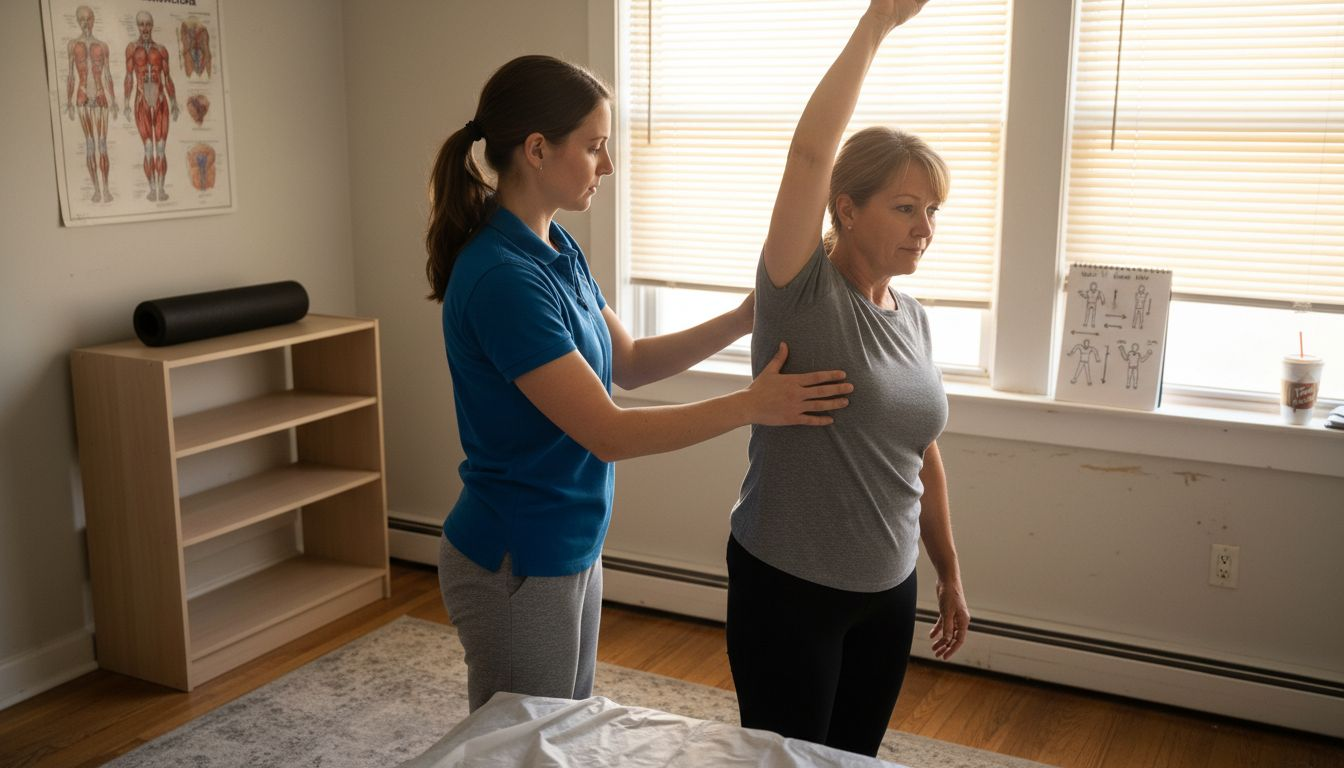
Additional specialized rehabilitative approaches include neurological rehabilitation for patients with brain or spinal cord injuries, cardiac rehabilitation for cardiovascular patients, and sports rehabilitation designed to help athletes recover from sports-related injuries. These therapies can be delivered in various settings, including hospitals, outpatient clinics, community centres, and even patients’ homes, ensuring flexible and personalised care strategies that meet individual needs.
Here’s a summary of common rehabilitative therapies and their areas of impact:
Therapy Type | Primary Focus | Typical Patient Needs | Setting Examples |
Physiotherapy | Movement and strength | Mobility after injury/disease | Clinics, hospitals |
Occupational Therapy | Daily living skills | Independence at home/workplace | Home, community centres |
Speech & Language Therapy | Communication, swallowing | Speech recovery, language development | Schools, rehabilitation units |
Neurological Rehabilitation | Brain/spinal injury support | Cognitive and motor function | Acute care, outpatient |
Pro tip: Always discuss your specific rehabilitation goals with healthcare professionals to develop a tailored treatment plan that addresses your unique functional challenges.
How multidisciplinary teams support recovery
Multidisciplinary rehabilitation teams are the cornerstone of comprehensive patient care, bringing together diverse healthcare professionals to address complex recovery challenges. Rehabilitation teams collaborate to enhance patient function by combining their unique expertise and perspectives to create holistic treatment strategies.
These teams typically include professionals such as physiotherapists, occupational therapists, physicians, nurses, speech-language pathologists, social workers, and other specialized healthcare providers. Each team member contributes a specific set of skills and insights, allowing for a comprehensive approach to patient recovery. For instance, a physiotherapist might focus on physical movement and strength, while an occupational therapist helps patients relearn daily living skills, and a social worker addresses psychological and emotional support needs.
The collaborative approach enables a more nuanced understanding of patient challenges, ensuring that treatment plans address not just physical limitations, but also cognitive, emotional, and social factors. This comprehensive strategy means patients receive integrated care that considers their entire health profile, rather than treating symptoms in isolation. By coordinating efforts and sharing insights, multidisciplinary teams can develop more effective, personalized rehabilitation strategies that adapt to each patient’s unique recovery journey.
Pro tip: Ask your healthcare provider about the specific professionals involved in your rehabilitation team to understand how each expert contributes to your recovery plan.
Key processes and patient participation
Rehabilitative medicine is fundamentally a collaborative journey that places patients at the centre of their recovery process. Patient participation drives rehabilitation effectiveness by transforming traditional healthcare delivery into a more engaged, personalized experience.
The key processes involve comprehensive assessment, goal-setting, and continuous evaluation, with patients actively contributing to each stage of their treatment plan. This approach begins with a detailed initial evaluation where healthcare professionals conduct thorough assessments of physical, cognitive, and emotional capabilities. Patients are encouraged to share their personal goals, challenges, and expectations, which become integral to developing a tailored rehabilitation strategy. The process typically involves creating measurable, achievable objectives that reflect the patient’s unique circumstances and desired outcomes.
Continuous communication and feedback are critical components of patient participation. Regular check-ins, progress tracking, and adaptive planning ensure that rehabilitation strategies remain responsive to the patient’s changing needs. Patients are empowered to provide insights into their recovery, challenge treatment approaches, and collaborate with their healthcare team in making informed decisions. This active engagement not only improves treatment outcomes but also helps build patient confidence, resilience, and long-term self-management skills.
Pro tip: Maintain a recovery journal to track your progress, document your goals, and prepare thoughtful questions for your rehabilitation team during follow-up consultations.
Access, referral, and cost considerations
Navigating rehabilitative medicine requires understanding the complex pathways of access, referral, and financial considerations that shape patient experiences. Rehabilitation services require careful assessment to ensure patients receive appropriate and targeted care tailored to their specific needs.
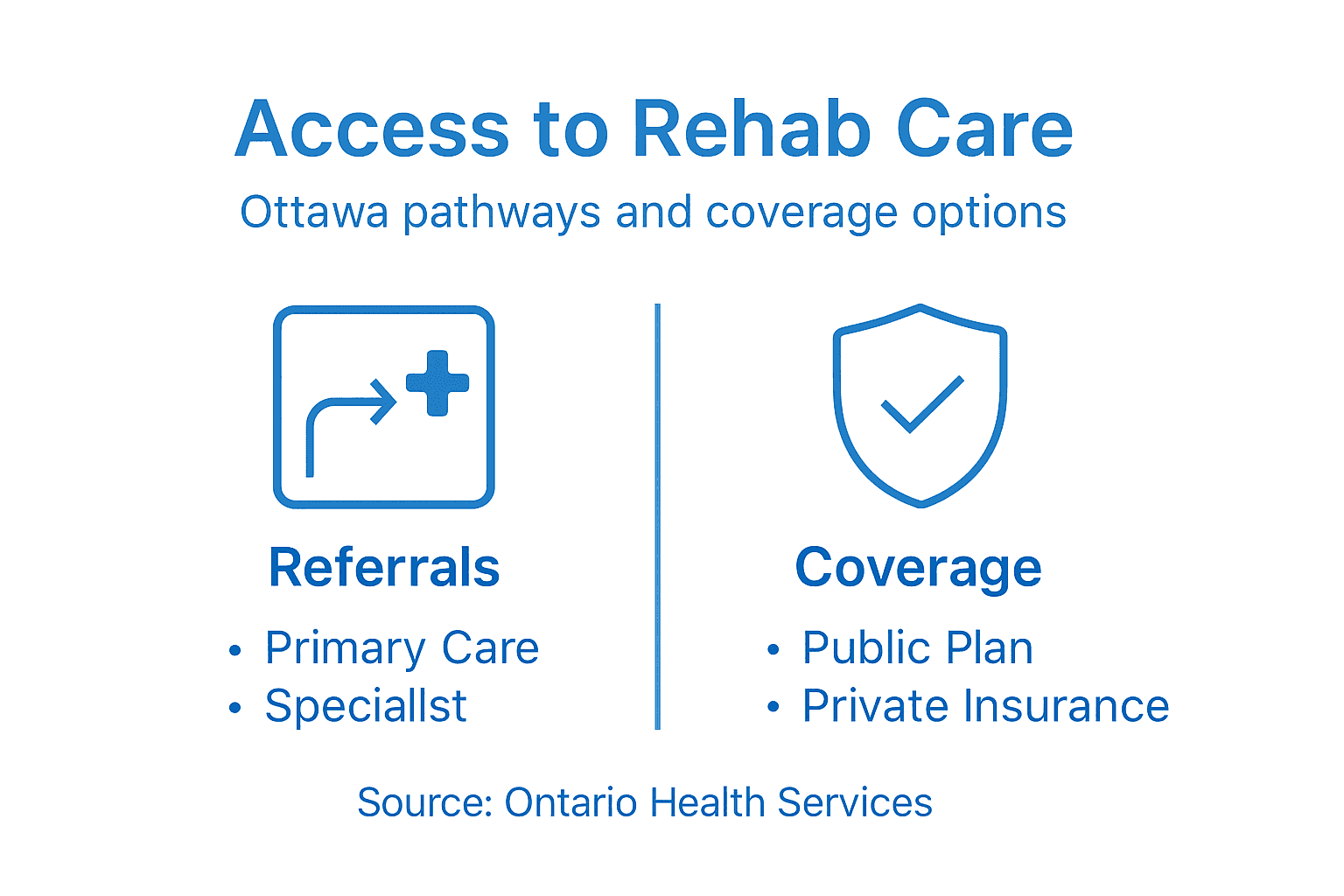
The typical access process begins with a medical referral from a primary healthcare provider, such as a family physician or specialist, who evaluates the patient’s condition and determines the need for rehabilitative interventions. Patients may be directed to various service settings, including outpatient clinics, hospitals, community health centres, or home-based care programs. The referral process involves a comprehensive assessment of the patient’s physical capabilities, functional limitations, and potential for improvement, which helps healthcare teams design targeted rehabilitation strategies.
Financial considerations in rehabilitative medicine can be complex, involving a mix of public healthcare coverage, private insurance, and potential out-of-pocket expenses. In the Canadian healthcare system, many rehabilitation services are partially or fully covered by provincial health insurance, though the extent of coverage varies depending on the specific treatment, patient’s condition, and local healthcare policies. Some services might require supplementary private insurance or direct payment, particularly for specialized therapies or treatments not fully covered by public healthcare plans. Patients are encouraged to consult with their healthcare providers and insurance representatives to understand the precise financial implications of their rehabilitation journey.
The following table highlights typical financial factors to consider in Canadian rehabilitative care:
Source of Coverage | Services Commonly Covered | Possible Patient Costs | How to Confirm |
Provincial Health Insurance | Basic rehabilitation therapies | Some services may not be covered | Contact local health authority |
Private Insurance | Extended/specialised therapies | Premiums or copayments | Review policy details |
Out-of-pocket Payments | Non-covered treatments | Direct charges, per session | Ask provider for estimate |
Pro tip: Always verify your insurance coverage and potential out-of-pocket expenses before starting a rehabilitation program to avoid unexpected financial challenges.
Common misconceptions and what to avoid
Rehabilitative medicine is often misunderstood, with many patients holding inaccurate beliefs that can hinder their recovery journey. Rehabilitation involves more than physical recovery and requires a nuanced, holistic approach to healing and functional improvement.
One significant misconception is the expectation of complete or rapid recovery across all conditions. In reality, rehabilitation is a complex process that focuses on maximizing individual potential, improving quality of life, and developing adaptive strategies rather than achieving perfect restoration. Some patients mistakenly believe that rehabilitation guarantees a return to pre-injury status, which can lead to unrealistic expectations and potential disappointment. Each recovery journey is unique, influenced by factors such as injury severity, individual physiology, commitment to treatment, and underlying health conditions.
Another common error is assuming that rehabilitation always requires extensive hospital stays or intensive interventions. Modern rehabilitative approaches often leverage outpatient services, community-based programs, and home-based therapies that can be equally effective while being more convenient and cost-efficient. Patients should avoid dismissing rehabilitation options based on preconceived notions about treatment intensity or location. Additionally, many people underestimate the importance of psychological and cognitive aspects in rehabilitation, focusing solely on physical recovery and overlooking the critical role of mental resilience and emotional support.
Pro tip: Approach your rehabilitation with an open mind, understanding that progress is often incremental and success means different things for different individuals.
Restore Your Function and Reclaim Your Life with Expert Care in Ottawa
Rehabilitative medicine is about more than just recovery it is a personalised journey to regain your independence and improve your quality of life. If you are facing challenges with mobility, daily activities, or managing chronic pain the comprehensive services at Integrate Ottawa offer evidence-based treatments tailored to your unique needs. From physiotherapy and specialized concussion management to pelvic health physiotherapy and pain medicine our collaborative team works together to support your healing every step of the way.
Take the first step toward a customised rehabilitation plan built on empathy and expertise. Visit Integrate Ottawa today to learn how our multidisciplinary approach can help you overcome functional limitations and meet your recovery goals with confidence. Don’t wait to start feeling better contact us now and begin your path to restored health and wellness.
Frequently Asked Questions
What is rehabilitative medicine?
Rehabilitative medicine is a healthcare approach focused on restoring function, mobility, and quality of life for individuals facing illness, injury, or disability through collaborative interventions from various healthcare professionals.
What types of therapies are included in rehabilitative care?
Rehabilitative care includes physiotherapy, occupational therapy, and speech and language therapy, among others. Each type addresses specific recovery needs, such as restoring movement, daily living skills, and communication abilities.
How do multidisciplinary teams enhance the recovery process in rehabilitation?
Multidisciplinary teams consist of various specialists who collaboratively create holistic treatment plans. This teamwork ensures that all aspects of a patient’s health, including physical, cognitive, and emotional needs, are addressed.
What role do patients play in their rehabilitation journey?
Patients actively participate by sharing their goals, tracking progress, and providing feedback during assessments and evaluations, which helps to tailor their treatment plan and improve recovery outcomes.
Recommended



Comments