

Step-by-Step Guide to Musculoskeletal Health Success
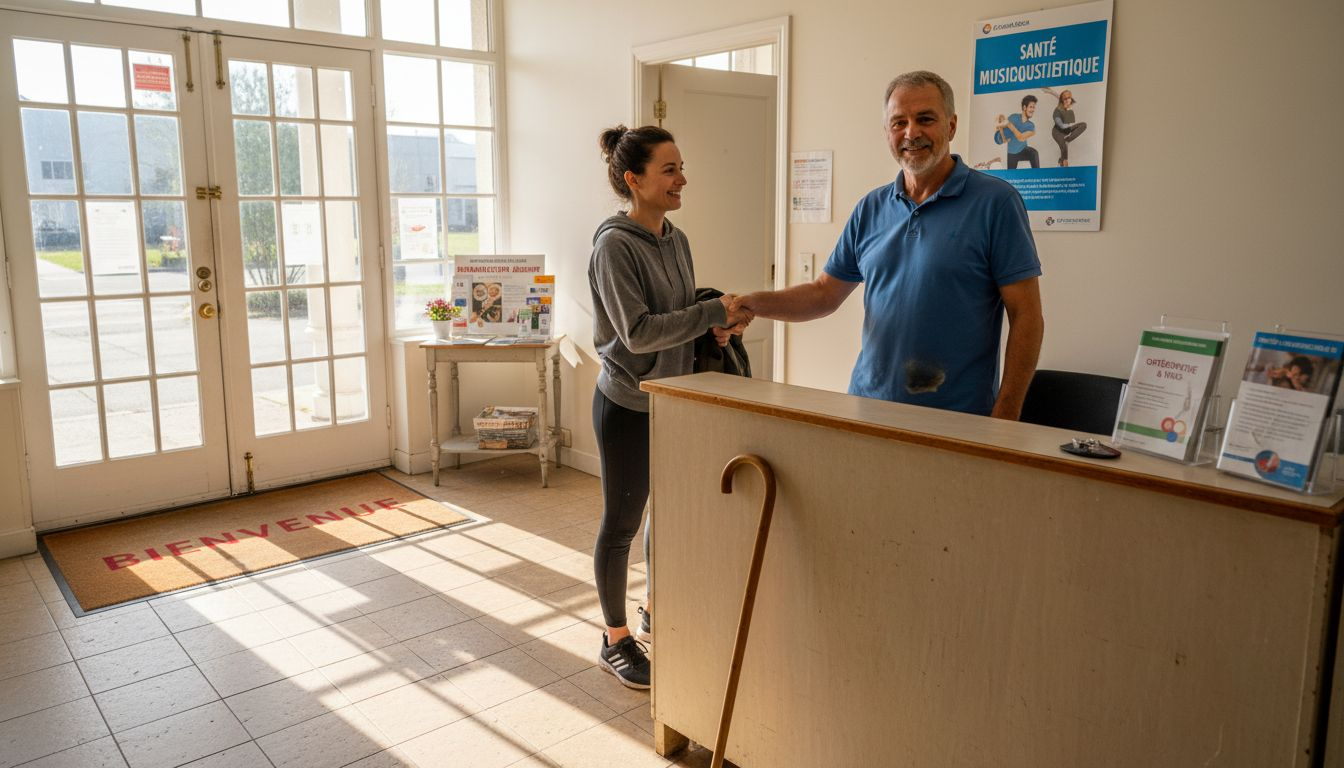
More than one in five Canadian adults live with chronic pain that disrupts daily life, making simple tasks a real struggle. If you are in Ottawa battling persistent aches or limited movement, the search for lasting relief can feel relentless. This guide shares how evidence-based physiotherapy and chiropractic care, combined through collaborative Canadian healthcare approaches, help you reclaim mobility and confidence by addressing musculoskeletal pain at its source.
Table of Contents
Quick Summary
Key Point | Explanation |
1. Assess Musculoskeletal Health | Conduct a comprehensive assessment to identify injuries and limitations, establishing a baseline for future health. |
2. Address Pain and Mobility | Monitor pain and mobility issues, noting symptoms and identifying underlying risk factors for effective management. |
3. Collaborate with Healthcare Team | Engage various healthcare professionals for a tailored, holistic treatment approach to your musculoskeletal health. |
4. Implement Evidence-Based Strategies | Adhere to a scientifically supported rehabilitation plan to promote recovery and prevent injuries through active participation. |
5. Monitor and Adjust Care Plan | Track your rehabilitation progress meticulously to ensure timely adjustments are made to your treatment strategy. |
Step 1: Assess current musculoskeletal health status
Preparing for a comprehensive musculoskeletal health assessment requires careful planning and systematic evaluation. Your goal is to understand your current physical condition, identify potential areas of concern, and establish a baseline for future health improvements.
Start by gathering critical information through a detailed musculoskeletal assessment that involves both subjective reporting and objective observation. Begin with a thorough medical history review, noting any previous injuries, chronic conditions, pain experiences, or mobility limitations. Systematically evaluate key aspects such as posture, range of motion, muscle strength, and symmetry between body sides. Pay special attention to any discomfort, stiffness, or reduced mobility that might indicate underlying musculoskeletal challenges.
To create a comprehensive picture, consider using standardized assessment tools that provide structured insights into your functional status. These validated questionnaires help healthcare professionals objectively measure your current musculoskeletal health and track potential improvements over time.
Here is a summary of common musculoskeletal assessment areas and their relevance:
Assessment Area | Importance | Example Indicators |
Posture | Reveals alignment issues | Spinal curvature, slumping |
Range of Motion | Shows joint flexibility | Limits in bending or rotation |
Muscle Strength | Identifies weakness or imbalance | Difficulty lifting objects |
Symmetry | Detects side-to-side differences | Uneven shoulder height |
Professional Advice: Document all observations and symptoms meticulously to provide your healthcare provider with a clear and accurate representation of your musculoskeletal health.
Step 2: Identify and address pain and mobility concerns
Addressing musculoskeletal pain and mobility challenges requires a strategic approach that combines self awareness, professional guidance, and proactive management. Understanding the underlying factors and developing a comprehensive response plan can significantly improve your overall physical well being.
Begin by carefully evaluating work related musculoskeletal disorders that might contribute to your pain and mobility limitations. Identify potential risk factors such as repetitive movements, awkward postures, and forceful exertions that could be impacting your physical condition. Recognize early warning signs like persistent aching, stiffness, or reduced range of motion. Document these symptoms meticulously, noting their frequency, intensity, and specific body regions affected to provide healthcare professionals with a clear picture of your musculoskeletal health.
Next, implement a holistic approach to managing your pain. Consider techniques such as appropriate rest, gradual exercise reintroduction, targeted stretching, and alternating cold and heat therapies. Monitor your symptoms closely and be prepared to seek professional medical advice if pain persists or worsens. Professional physiotherapists can provide personalized assessments and develop targeted treatment strategies to address your specific musculoskeletal challenges.
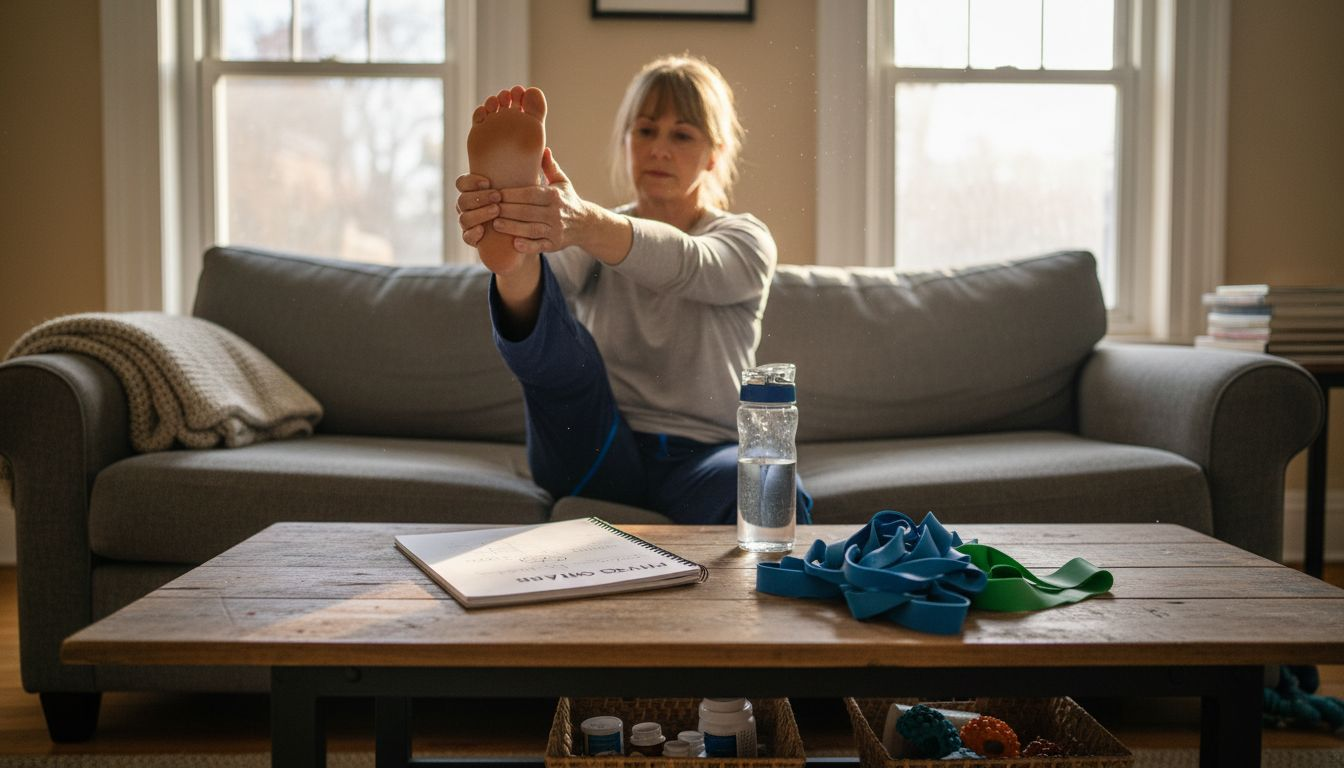
Professional Advice: Keep a detailed symptom journal tracking pain levels, mobility changes, and potential triggers to support more effective medical consultations.
Step 3: Consult with collaborative care professionals
Consulting with collaborative care professionals is a critical step in developing a comprehensive approach to your musculoskeletal health. Your goal is to engage with a network of healthcare experts who can provide integrated, patient-centred treatment strategies tailored to your specific needs.
Interprofessional collaboration offers comprehensive musculoskeletal care by bringing together diverse healthcare professionals such as physicians, physiotherapists, chiropractors, and nurse practitioners. During your consultation, expect a thorough assessment that goes beyond traditional single-discipline approaches. Each professional will contribute unique insights, examining your musculoskeletal health from multiple perspectives. This collaborative model ensures you receive a holistic evaluation that considers the interconnected nature of your physical condition.
Prepare for your consultation by gathering comprehensive medical documentation, including previous treatment records, diagnostic imaging, and a detailed symptom history. Be ready to discuss your lifestyle, work environment, physical activities, and any specific challenges you are experiencing. Effective communication is key to helping these professionals understand your unique situation and develop a tailored treatment plan. Ask questions, seek clarification, and actively participate in creating a strategy that addresses your musculoskeletal health goals.
Professional Advice: Bring a written list of your symptoms, questions, and treatment objectives to ensure a focused and productive consultation with your healthcare team.
Step 4: Implement evidence-based rehabilitation strategies
Implementing evidence-based rehabilitation strategies requires a thoughtful, systematic approach that addresses your unique musculoskeletal health needs. Your primary goal is to develop a targeted, scientifically supported plan that promotes healing, restores function, and prevents future injuries.
Evidence-informed interventions for musculoskeletal recovery encompass a comprehensive range of techniques tailored to your specific condition. Begin by working closely with your healthcare team to design a personalised rehabilitation program that may include education, pain management strategies, activity modification, exercise therapy, and manual therapy. Each intervention should be carefully selected based on clinical expertise and your individual recovery requirements. Pay close attention to progressive loading principles, ensuring that exercises and treatments challenge your body appropriately without risking further injury.
Focus on active participation and consistent engagement with your rehabilitation plan. Document your progress, track improvements, and maintain open communication with your healthcare professionals. This collaborative approach allows for real-time adjustments to your treatment strategy, ensuring that your rehabilitation remains responsive to your changing physical capabilities and healing trajectory.
This table highlights key rehabilitation strategies and expected outcomes:
Strategy | Intended Benefit | Sample Measurement |
Exercise Therapy | Restores strength and mobility | Improved walking speed |
Pain Management | Reduces discomfort | Lower average pain score |
Manual Therapy | Enhances joint movement | Increased range of motion |
Activity Modification | Prevents further injuries | Fewer pain flare-ups |
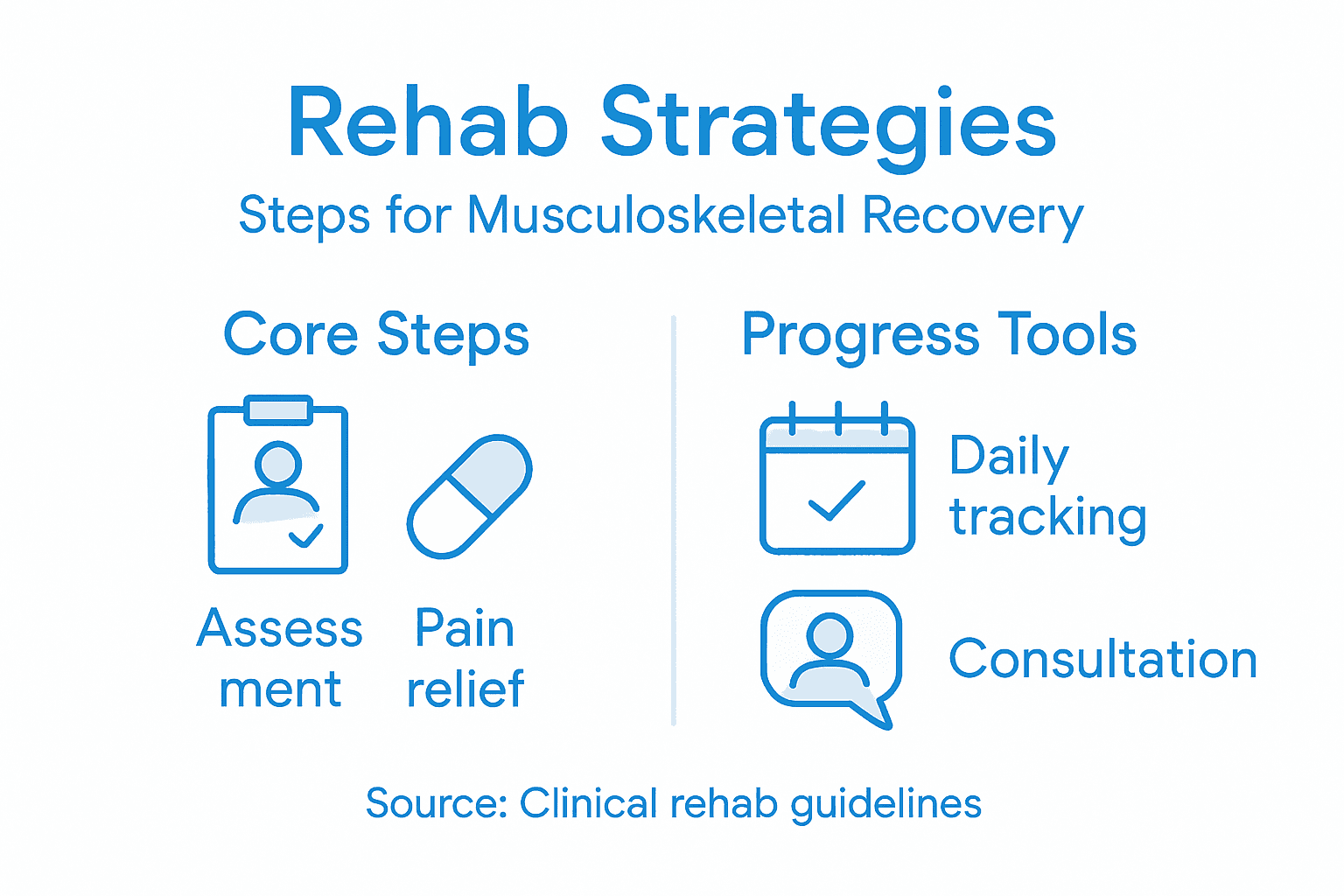
Professional Advice: Create a dedicated rehabilitation journal to track your daily progress, noting pain levels, exercise performance, and any modifications recommended by your healthcare team.
Step 5: Monitor progress and adjust care plan
Tracking your musculoskeletal rehabilitation progress requires systematic observation and proactive communication with your healthcare team. Your goal is to ensure continuous improvement and make timely adjustments to your recovery strategy.
Continuous evaluation of treatment responses forms the cornerstone of effective rehabilitation management. Develop a structured approach to monitoring your physical changes by documenting objective measurements such as range of motion, pain intensity, strength levels, and functional mobility. Work closely with your healthcare professionals to establish clear benchmarks and tracking methods. Regular assessments will help identify whether your current rehabilitation strategy is delivering the expected outcomes or requires modification.
Create a comprehensive tracking system that captures both quantitative and qualitative data about your recovery journey. Use standardized assessment tools, maintain a detailed rehabilitation journal, and schedule regular check-ins with your healthcare providers. Be prepared to discuss your progress transparently, highlighting improvements, persistent challenges, and any new symptoms or limitations. This collaborative approach enables your care team to make informed decisions about potential treatment adjustments, ensuring your rehabilitation remains responsive and targeted.
Professional Advice: Take photographs or videos documenting your physical progress and range of motion to provide visual evidence of your rehabilitation journey.
Take Control of Your Musculoskeletal Health Today
Struggling with persistent pain or limited mobility can be overwhelming. This guide highlights the importance of a clear assessment, pain management, collaborative care, evidence-based rehabilitation, and regular progress monitoring to help you regain function and confidence. If you are ready to move beyond discomfort and want a personalised, team-based approach, our clinic at Integrate Ottawa is here to support you.
Discover how our expert physiotherapists, chiropractors, and specialized practitioners work together to craft tailored treatment plans that match the detailed steps outlined in your musculoskeletal health journey. Don’t wait for symptoms to worsen. Book your consultation now at Integrate Ottawa and start benefiting from evidence-informed care that puts your recovery first.
Frequently Asked Questions
How can I assess my current musculoskeletal health status?
To assess your musculoskeletal health, begin by gathering your medical history, noting any past injuries, pain experiences, and mobility issues. Then, systematically evaluate your posture, range of motion, muscle strength, and symmetry to identify any areas of concern.
What pain management techniques can help with musculoskeletal issues?
Implement techniques such as appropriate rest, regular exercise, targeted stretching, and alternating heat and cold therapies to manage musculoskeletal pain. For best results, monitor your symptoms closely and adjust your approach based on what alleviates discomfort most effectively.
How do I prepare for a consultation with healthcare professionals?
Gather comprehensive medical documentation, including treatment records and a detailed symptom history, before your consultation. Prepare a list of your symptoms, questions, and treatment goals to ensure a focused and productive discussion with your healthcare team.
What rehabilitation strategies are recommended for musculoskeletal recovery?
Evidence-based rehabilitation strategies may include exercise therapy, pain management techniques, and manual therapy to restore function and prevent re-injury. Engage actively in your rehabilitation plan, and track your progress to maintain motivation and support any necessary adjustments.
How can I effectively monitor my progress during rehabilitation?
Establish a structured approach to monitoring your rehabilitation by documenting objective measurements like pain levels, strength, and mobility. Regularly assess your progress and discuss any changes with your healthcare team to ensure timely adjustments to your care plan.
Recommended
Comments