

Chiropractic for Sports Injuries: Enhancing Recovery
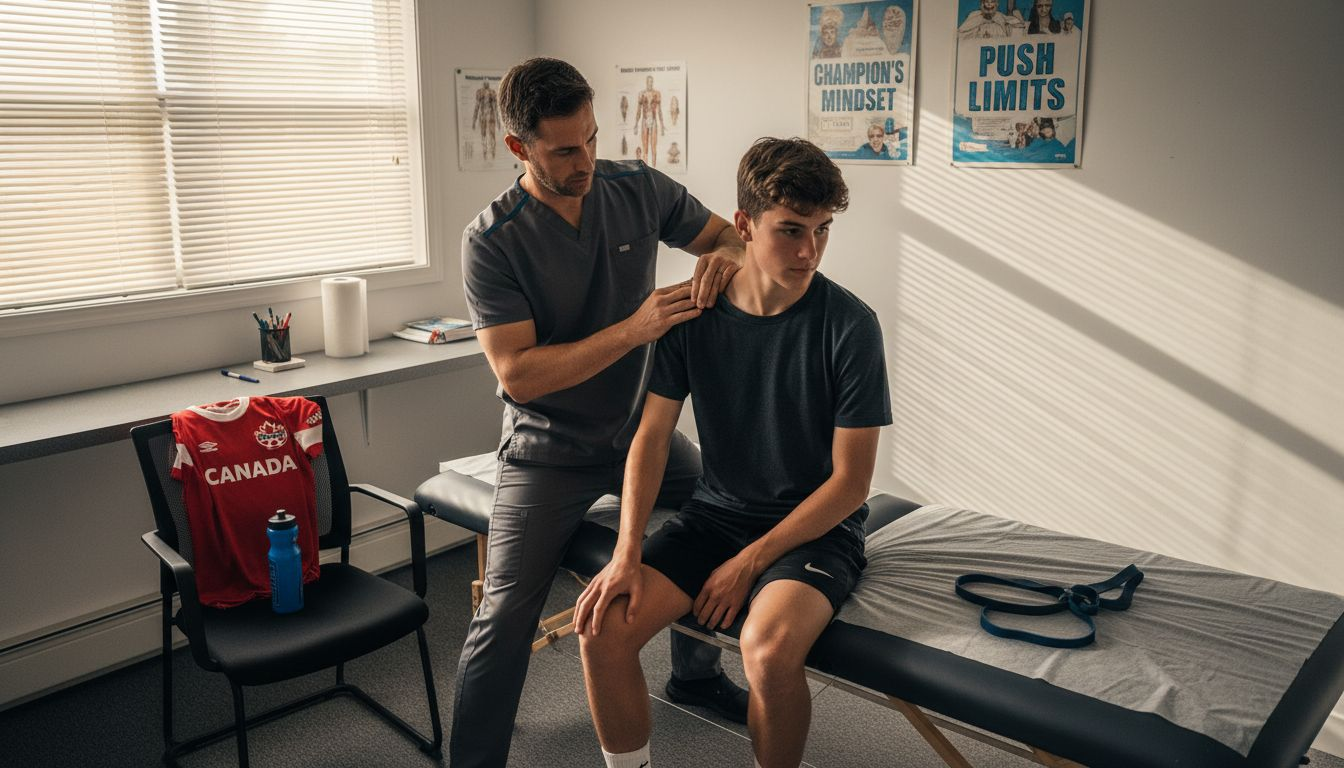
Most Canadian athletes spend over 30 hours each week training, putting their bodies at constant risk for sports injuries. Whether you compete at a professional level in Ottawa or push your limits in amateur leagues, recovery and injury prevention remain top priorities. Evidence-based chiropractic care stands out as a trusted solution, offering competitive athletes proven strategies for pain relief, faster healing, optimized performance, and long-term physical resilience.
Table of Contents
Key Takeaways
Point | Details |
Evidence-Informed Care | Chiropractic for sports injuries in Canada is based on evidence-informed practices that enhance recovery and performance. |
Holistic Approach | Sports chiropractors assess biomechanics and individual athlete needs to create tailored treatment plans. |
Interdisciplinary Collaboration | Successful treatment involves coordination with various healthcare professionals for optimal results. |
Prevention and Performance | Chiropractic care not only aids recovery but also focuses on long-term injury prevention and performance enhancement. |
Defining Chiropractic for Sports Injuries in Canada
Chiropractic care for sports injuries represents a specialized healthcare approach designed to address musculoskeletal challenges faced by athletes across Canada. The Royal College of Chiropractic Sports Sciences (Canada) defines this practice as an evidence-informed treatment method focusing on optimizing athletic performance and facilitating rapid, comprehensive recovery.
At its core, sports chiropractic involves detailed biomechanical assessments and targeted interventions that address joint mobility, muscle function, and neurological performance. Chiropractors trained in sports medicine understand the unique physical demands athletes experience, whether they are professional competitors or dedicated recreational participants. Chiropractic treatments for sports injuries typically involve manual adjustments, soft tissue therapies, rehabilitation exercises, and personalized prevention strategies tailored to an athlete’s specific sport and individual physical characteristics.
Key focus areas for sports chiropractors include addressing common athletic challenges such as:
Acute traumatic injuries
Repetitive strain conditions
Biomechanical imbalances
Performance optimization
Injury prevention strategies
Professional sports chiropractors in Canada undergo extensive specialized training to understand the intricate relationships between musculoskeletal systems and athletic performance. They collaborate with other healthcare professionals to develop comprehensive treatment plans that support athletes’ recovery and long-term physical resilience.
Pro tip: Before selecting a sports chiropractor, verify their additional certifications in sports medicine and ask about their experience treating athletes in your specific sport.
Common Sports Injuries Treated by Chiropractors
Sports injuries represent complex musculoskeletal challenges that require specialized treatment approaches. Musculoskeletal conditions research highlights the diverse range of injuries athletes commonly experience, which chiropractors are uniquely equipped to address through targeted interventions.
Chiropractors typically treat a wide spectrum of sports-related injuries, including:
Sprains and strains affecting ligaments and muscles
Tendonitis in shoulders, elbows, and knees
Rotator cuff injuries from repetitive overhead movements
Lower back pain resulting from athletic stress
Neck and shoulder injuries common in contact sports
Knee and ankle ligament injuries
Stress fractures and overuse conditions
Each injury requires a nuanced approach that considers the athlete’s specific biomechanics, sport-specific demands, and individual physical characteristics. Professional chiropractors conduct comprehensive assessments to develop personalized treatment plans that not only address immediate pain but also focus on long-term recovery and performance optimization.
The treatment process often involves a combination of manual adjustments, soft tissue therapies, rehabilitative exercises, and strategic guidance on preventing future injuries. By understanding the intricate relationships between joint mobility, muscle function, and neurological performance, chiropractors help athletes return to their optimal performance levels more effectively and sustainably.

Below is a reference table outlining types of sports injuries and the specialised chiropractic focus for each:
Injury Type | Chiropractic Assessment Focus | Common Techniques Used |
Ligament Sprains | Joint stability, movement analysis | Joint adjustments, proprioceptive rehab |
Tendonitis | Repetitive motion, inflammation | Soft tissue therapy, targeted exercises |
Stress Fractures | Biomechanical load, gait analysis | Mobility education, activity modification |
Muscle Strains | Flexibility, muscular coordination | Manual therapy, functional re-training |
Pro tip: Document your injury history and bring previous medical records to your first chiropractic consultation to ensure a comprehensive and personalized treatment approach.
Key Benefits: Recovery, Performance, Prevention
Chiropractic care for athletes offers a comprehensive approach to sports medicine that extends far beyond simple injury treatment. Role of rehabilitation in sports demonstrates how targeted interventions can dramatically improve an athlete’s overall physical resilience and performance potential.
The key benefits of chiropractic care for athletes can be categorized into three critical dimensions:
Recovery Benefits:
Accelerated healing of soft tissue injuries
Reduced inflammation and pain
Enhanced blood circulation to injured areas
Improved range of motion and joint mobility
Minimized recovery time between training sessions
Performance Enhancement:
Optimized biomechanical alignment
Improved neurological communication
Enhanced muscle strength and coordination
Better overall body balance and movement efficiency
Increased athletic precision and technical execution
Preventative Advantages:
Early detection of potential injury risks
Proactive identification of biomechanical imbalances
Development of personalized injury prevention strategies
Strengthening of vulnerable muscle groups
Education on proper movement techniques
Professional chiropractors work closely with athletes to create holistic treatment plans that address immediate concerns while simultaneously building long-term physical resilience. By understanding each athlete’s unique physiological characteristics and sport-specific demands, chiropractors can design targeted interventions that support sustainable athletic performance.
Pro tip: Schedule regular chiropractic assessments during your training cycle to maintain optimal physical condition and catch potential issues before they develop into serious injuries.
How Chiropractic Integrates with Other Care
Modern sports medicine recognizes that comprehensive athlete care requires a multidisciplinary approach. A chiropractor and physiotherapist working together represents a sophisticated strategy for addressing complex athletic injuries and performance challenges.
Chiropractic integration with other healthcare disciplines typically involves collaborative approaches across multiple domains:
Medical Collaboration:
Coordinating with sports physicians
Sharing diagnostic insights
Developing comprehensive treatment protocols
Referral networks for advanced diagnostics
Complementary treatment strategies
Rehabilitation Coordination:
Synchronizing with physiotherapists
Aligning rehabilitation exercises
Tracking progressive recovery milestones
Developing holistic recovery frameworks
Ensuring seamless patient care transitions
Performance Support:
Working with athletic trainers
Biomechanical performance analysis
Movement pattern assessments
Strength and conditioning integration
Injury prevention strategizing
Successful interdisciplinary care requires open communication, mutual respect, and a patient-centred approach. Each healthcare professional brings unique expertise, creating a comprehensive treatment ecosystem that addresses an athlete’s physical challenges from multiple perspectives.
Pro tip: Request a comprehensive care summary that includes insights from all healthcare professionals involved in your treatment to ensure coordinated and integrated recovery strategies.
Evidence, Safety, and Regulation in Ontario
Chiropractic care in Ontario is governed by rigorous professional standards designed to protect patient safety and ensure high-quality treatment. Physiotherapy FAQ guidelines underscore the importance of comprehensive regulatory frameworks that guide healthcare practitioners in delivering evidence-based interventions.
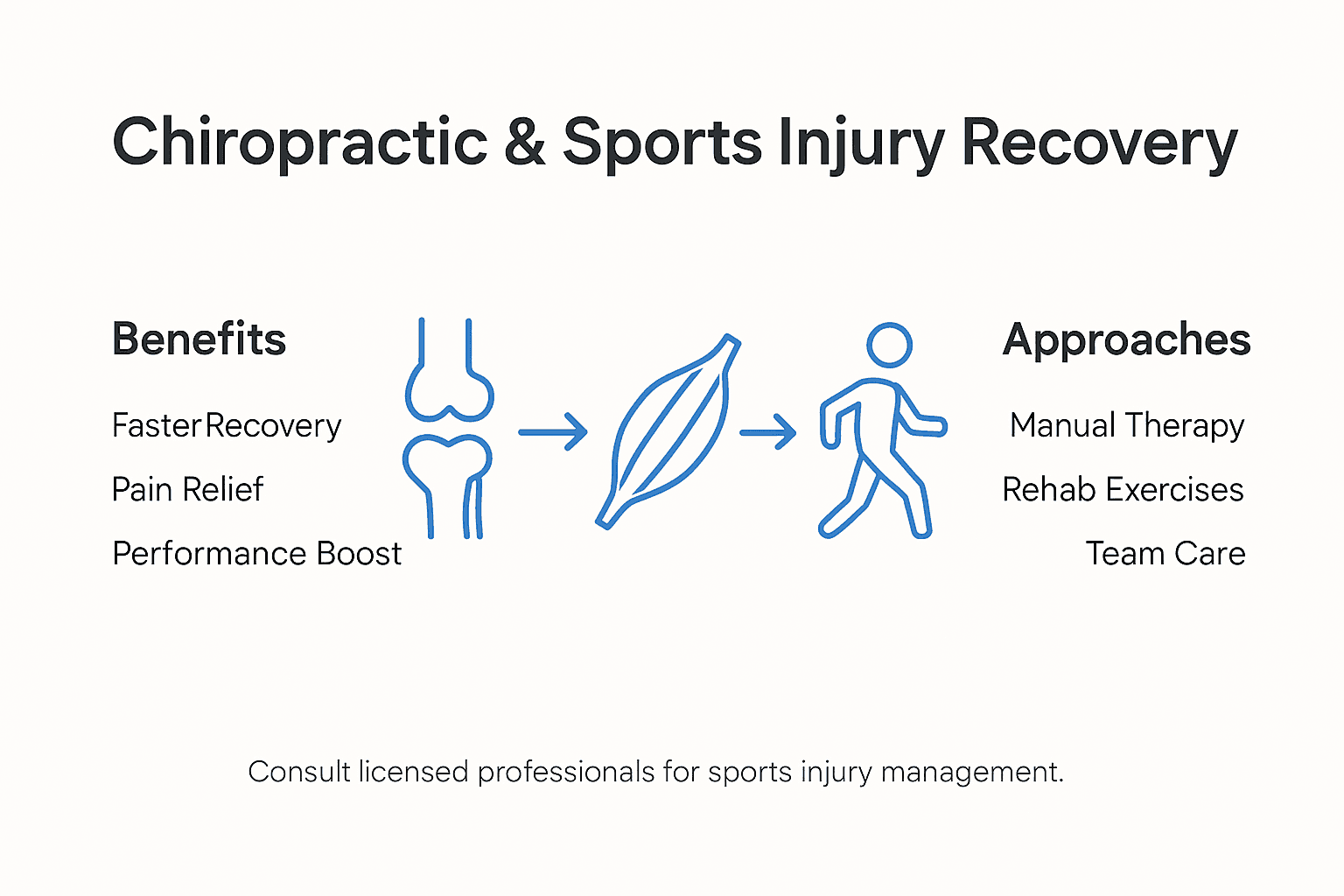
The regulatory landscape for chiropractic sports medicine in Ontario is structured around several critical components:
Professional Regulation:
Mandatory registration with the College of Chiropractors of Ontario
Comprehensive initial and ongoing professional licensing
Strict ethical practice standards
Continuous professional development requirements
Periodic professional competency assessments
Safety Protocols:
Detailed patient assessment procedures
Informed consent protocols
Risk management strategies
Evidence-based treatment guidelines
Comprehensive documentation practices
Evidence-Based Practice Standards:
Commitment to scientific research
Regular review of clinical intervention effectiveness
Integration of latest scientific findings
Transparent treatment methodology
Peer-reviewed research validation
Ontario’s chiropractic regulations reflect a sophisticated approach to healthcare, prioritizing patient safety, professional accountability, and evidence-driven treatment methodologies. These comprehensive standards ensure that athletes receive scientifically supported, carefully monitored chiropractic interventions.
Pro tip: Always verify a chiropractor’s current registration and professional credentials with the College of Chiropractors of Ontario before beginning treatment.
Chiropractic Versus Other Injury Treatments
Athletes seeking comprehensive injury management face multiple treatment options, each with unique approaches and potential outcomes. Comparative studies of sports injury treatments reveal that chiropractic care offers a distinctive non-invasive alternative to traditional medical interventions.
Key differences between chiropractic and other injury treatments include:
Chiropractic Approach:
Non-invasive manual interventions
Focus on neurological system alignment
Holistic biomechanical assessments
Minimal use of pharmaceutical treatments
Emphasis on natural healing mechanisms
Alternative Treatment Approaches:
Pharmaceutical pain management
Surgical interventions
Physical therapy techniques
Orthopedic treatments
Invasive diagnostic procedures
Comparative Treatment Characteristics:
Chiropractic: Targets root cause of dysfunction
Medications: Symptom management
Surgery: Structural corrections
Physical Therapy: Rehabilitative exercises
Orthopedics: Structural and mechanical interventions
Chiropractic treatment distinguishes itself by prioritizing the body’s inherent healing capabilities, focusing on restoring optimal neurological and musculoskeletal function through precise, targeted manual adjustments. Unlike more invasive approaches, chiropractors seek to address underlying biomechanical issues without extensive pharmaceutical or surgical interventions.
Here is a summary of how chiropractic care for sports injuries compares to alternative approaches:
Approach | Typical Methods | Primary Goal | Side Effects/Risks |
Chiropractic | Manual adjustments, physical assessment | Restore mobility, address root cause | Rare, minor soreness or discomfort |
Physical Therapy | Exercise, stretching, guided rehab | Strengthen and rehabilitate | Occasional muscle fatigue |
Orthopaedic Medicine | Surgery, braces, mechanical correction | Correct structural defects | Surgical risk, longer recovery |
Pharmaceutical Treatment | Medication, pain management | Reduce symptoms, manage pain | Gastrointestinal, dependency risk |
Pro tip: Consider a comprehensive consultation that includes multiple healthcare perspectives to develop the most effective, personalized injury treatment strategy.
Enhance Your Recovery with Expert Chiropractic Care for Sports Injuries
Experiencing a sports injury can disrupt your training and affect your performance. This article highlights how specialized chiropractic treatments focus on optimizing recovery, reducing inflammation, and improving joint mobility to help you return to your best. At Integrate Ottawa, we understand the unique demands athletes face and offer a collaborative approach combining chiropractic care with physiotherapy and other musculoskeletal services. Our team uses evidence-based methods to address biomechanical imbalances and support sustainable injury prevention.

Take control of your recovery today by booking a consultation with our skilled providers. Discover the benefits of a tailored treatment plan designed to accelerate healing and enhance athletic performance. Visit Integrate Ottawa now to learn more about our comprehensive chiropractic care and related health services that keep athletes moving stronger and safer.
Frequently Asked Questions
What is chiropractic care for sports injuries?
Chiropractic care for sports injuries involves evidence-informed treatment aimed at addressing musculoskeletal challenges faced by athletes, optimizing performance, and facilitating recovery through manual adjustments, soft tissue therapies, and rehabilitation exercises.
What types of sports injuries can chiropractors treat?
Chiropractors can treat a wide variety of sports injuries, including sprains, strains, tendonitis, rotator cuff injuries, lower back pain, neck and shoulder injuries, and knee and ankle ligament injuries, among others.
How can chiropractic care enhance athletic performance?
Chiropractic care enhances athletic performance by optimizing biomechanical alignment, improving muscle strength and coordination, enhancing joint mobility, and providing personalized injury prevention strategies tailored to individual athletes.
What are the benefits of combining chiropractic care with other medical treatments?
Combining chiropractic care with other medical treatments allows for a multidisciplinary approach, which can enhance recovery, provide comprehensive assessments, and create a coordinated treatment plan that addresses physical challenges from multiple perspectives.
Recommended


Comments