

7 Key Massage Therapy Advantages for Musculoskeletal Health
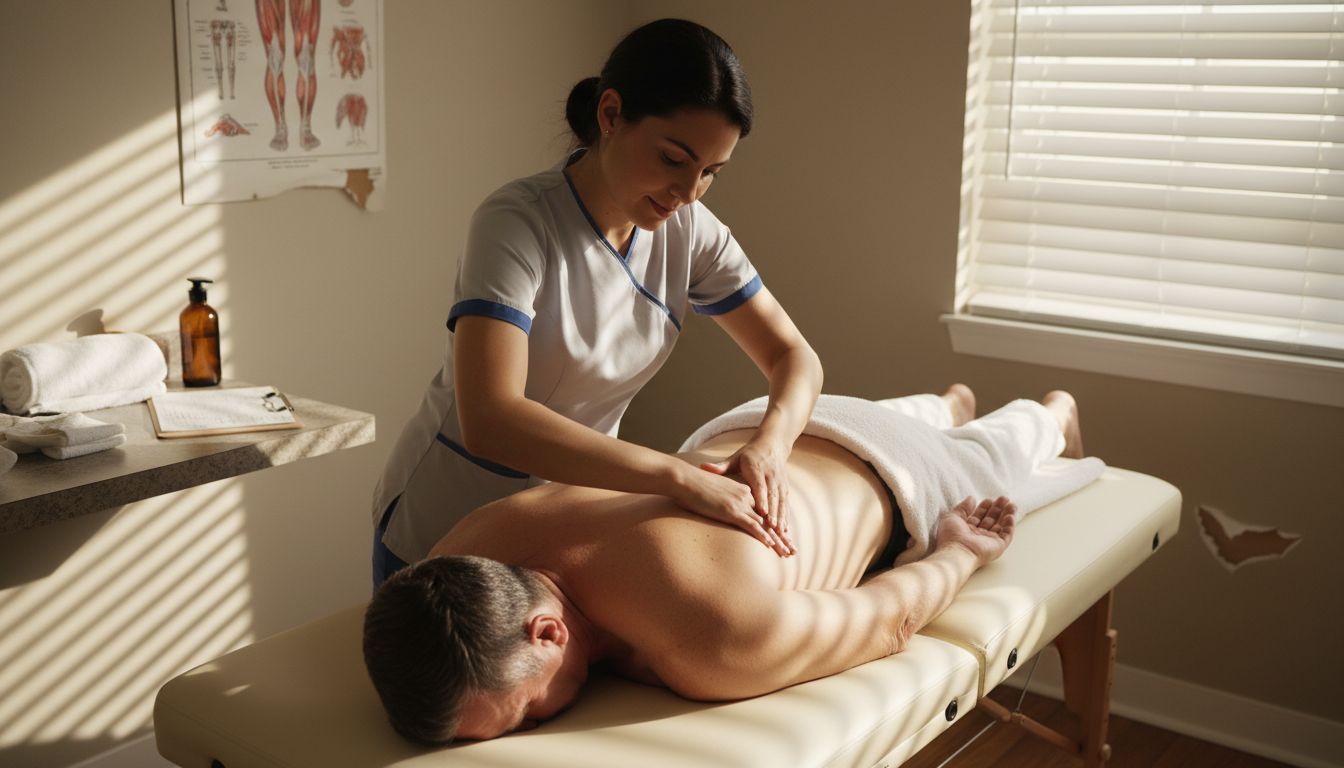
Most Canadian adults will experience some form of muscle pain or tension that interrupts their daily lives. With growing interest in natural wellness, many are looking for practical ways to manage physical discomfort and maintain long-term mobility. Science-backed massage therapy offers more than temporary relief. Discover evidence-based benefits, from easing pain to boosting circulation, and why so many Canadian individuals consider it a key part of their healthy routine.
Table of Contents
Quick Summary
Takeaway | Explanation |
1. Massage Reduces Muscle Tension | Effective in alleviating muscle pain and improving daily function through pressure and tissue manipulation. |
2. Enhances Joint Flexibility | Massage improves range of motion by reducing muscle tension and increasing circulation to joints. |
3. Boosts Circulation for Healing | Stimulates blood flow, which accelerates recovery and enhances the body’s healing processes. |
4. Aids Injury Recovery and Prevention | Regular massage reduces the risk of injuries and enhances muscle resilience during physical activity. |
5. Supports Overall Stress Reduction | Promotes relaxation and lowers cortisol levels, helping individuals manage stress and anxiety effectively. |
1. Reduces Muscle Tension and Pain
Muscle tension and pain can significantly disrupt your daily activities and overall quality of life. Massage therapy offers a powerful, natural approach to alleviating these uncomfortable physical symptoms by targeting the root causes of muscular discomfort.
Scientific research demonstrates that massage therapy provides remarkable benefits in reducing muscle tension. A key study on muscle pain relief revealed massage can dramatically decrease mechanical hyperalgesia and muscle pain intensity. By applying strategic pressure and manipulating soft tissues, massage therapists can help release muscular knots, improve blood circulation, and promote relaxation.
How Massage Addresses Muscle Tension
The therapeutic process works through multiple mechanisms:
Improved Blood Flow: Massage increases circulation, helping deliver oxygen and nutrients to muscle tissues
Trigger Point Release: Targeted pressure helps deactivate painful muscle knots
Stress Reduction: Lower stress levels contribute to decreased muscle tension
Traditional techniques like Thai massage specifically address musculoskeletal discomfort, showing significant reductions in pain intensity and muscle tension. By understanding these physiological responses, you can appreciate massage therapy as more than just a relaxation technique—it’s a strategic approach to managing physical discomfort.
For individuals experiencing chronic muscle tension, regular massage sessions can provide cumulative benefits, helping restore muscle flexibility, reduce pain perception, and enhance overall physical well being.
2. Improves Joint Flexibility and Mobility
Joint flexibility represents a critical component of overall physical health and movement efficiency. Massage therapy offers a powerful strategy for enhancing joint range of motion and reducing movement restrictions that can develop from muscle tension and chronic stress.
Research demonstrates compelling evidence for massage therapy’s impact on joint mobility. A significant study examining ankle movement found that combining massage with stretching exercises substantially improved dorsiflexion range of motion and muscular contraction strength. This scientific insight highlights massage’s potential to unlock more dynamic physical capabilities.
Key Mechanisms of Joint Mobility Improvement
Massage therapy enhances joint flexibility through multiple physiological pathways:
Soft Tissue Manipulation: Breaks down adhesions and scar tissue restricting movement
Increased Circulation: Delivers nutrients that support joint and muscle health
Muscle Tension Reduction: Relaxes muscles surrounding joints, promoting greater movement
Additionally, research on temporomandibular disorders revealed that massage therapy not only reduces pain but also significantly improves joint mobility when integrated with specific therapeutic exercises.
For individuals experiencing limited joint movement from repetitive strain, athletic injuries, or sedentary lifestyles, regular massage can be transformative. By systematically addressing muscular tension and promoting tissue elasticity, massage therapy helps restore natural joint function and supports long term physical resilience.
3. Enhances Circulation for Faster Healing
Blood circulation plays a pivotal role in bodily recovery, delivering oxygen and nutrients while removing metabolic waste products. Massage therapy emerges as a powerful technique for stimulating and improving this essential physiological process, potentially accelerating healing and reducing recovery times.
Scientific research provides compelling evidence for massage therapy’s circulatory benefits. Mechanical stimulation through massage has been shown to modulate immune responses and potentially reduce inflammation, creating an optimal environment for tissue repair and recovery.
Circulation Enhancement Mechanisms
Massage therapy improves blood flow through several key mechanisms:
Mechanical Pressure: Encourages blood movement through compressed and released muscle tissues
Vasodilation: Helps expand blood vessels, improving overall circulation
Lymphatic Drainage: Supports removal of metabolic waste and reduces swelling
A specific investigation on muscle stiffness demonstrated that therapeutic massage significantly reduces muscle tension in areas like the upper trapezius, which directly correlates with enhanced blood circulation and faster muscle recovery.
For individuals recovering from athletic injuries, managing chronic pain, or seeking improved physical performance, regular massage can serve as a strategic intervention to support the body’s natural healing processes. By promoting better circulation, massage therapy helps create an internal environment more conducive to rapid tissue repair and overall musculoskeletal health.
4. Supports Injury Recovery and Prevention
Injury prevention and efficient recovery represent critical components of maintaining optimal musculoskeletal health. Massage therapy emerges as a powerful intervention strategy that can significantly reduce injury risks and accelerate healing processes for individuals across various physical activity levels.
Scientific research provides compelling evidence of massage therapy’s role in injury management. Sports injury prevention strategies demonstrate that targeted massage can substantially improve muscle resilience and reduce potential damage. A clinical investigation revealed that consistent massage interventions can yield remarkable improvements in physical function and pain management.
Injury Recovery Mechanisms
Massage therapy supports injury prevention and recovery through multiple physiological pathways:
Muscle Elasticity Enhancement: Increases tissue flexibility and reduces strain potential
Inflammation Reduction: Helps mitigate swelling and accelerate healing processes
Early Detection of Tissue Abnormalities: Allows identification of potential injury precursors
Research on adolescent athletes showed that targeted massage techniques can reduce muscle stiffness and increase tissue elasticity. A specific study on knee osteoarthritis patients demonstrated that an eight week massage programme significantly improved pain management and physical functionality.
For athletes, active individuals, and those managing chronic conditions, integrating regular massage therapy can serve as a proactive approach to maintaining musculoskeletal health, preventing potential injuries, and supporting more efficient recovery pathways.
5. Decreases Stress and Promotes Relaxation
Stress has become a pervasive challenge in modern life, impacting both mental and physical health. Massage therapy offers a powerful therapeutic intervention for reducing stress and promoting comprehensive relaxation through targeted physiological and psychological mechanisms.
Emerging medical research demonstrates remarkable evidence of massage therapy’s stress reduction capabilities. A compelling study revealed that even a brief 20 minute massage session can significantly decrease anxiety and tension levels, providing immediate and tangible benefits for individuals experiencing heightened stress.
Stress Reduction Mechanisms
Massage therapy addresses stress through multiple interconnected pathways:
Cortisol Reduction: Lowers stress hormone levels in the body
Parasympathetic Nervous System Activation: Triggers relaxation responses
Endorphin Release: Stimulates natural mood enhancing chemicals
Traditional therapeutic approaches like Thai massage techniques have demonstrated profound capabilities in decreasing muscle tension and anxiety. By targeting both physical and psychological stress markers, massage provides a holistic approach to relaxation that extends beyond temporary comfort.
For individuals navigating high stress environments or experiencing chronic tension, regular massage therapy can serve as a critical strategy for maintaining emotional balance and overall well being. The cumulative effects of consistent massage can help reset your body’s stress response and promote long term resilience.
6. Boosts Athletic Performance and Recovery
Athletic performance hinges on the body’s capacity to train effectively, recover quickly, and maintain peak physiological condition. Massage therapy emerges as a sophisticated intervention strategy that can significantly enhance an athlete’s training and recovery processes.
Scientific research provides robust evidence for massage therapy’s role in athletic performance. Sports physiotherapy techniques demonstrate that targeted massage can dramatically improve muscle recovery and neuromuscular function. A comprehensive randomized controlled trial revealed that consistent deep tissue massage over eight weeks can substantially enhance performance across team and strength sports.
Performance Enhancement Mechanisms
Massage therapy supports athletic performance through multiple critical pathways:
Reduced Muscle Fatigue: Accelerates recovery between training sessions
Improved Muscle Elasticity: Increases range of motion and flexibility
Enhanced Metabolic Waste Removal: Supports faster muscle recovery
Research indicates that functional massage can effectively attenuate exercise induced neuromuscular fatigue, providing athletes with a strategic tool for maintaining high performance levels. By addressing both physiological stress and muscular tension, massage therapy helps athletes push their boundaries while minimizing recovery time.
For competitive athletes and fitness enthusiasts alike, integrating regular massage into training regimens can provide a significant edge in performance optimization and injury prevention. The cumulative benefits extend beyond immediate recovery, supporting long term athletic development and resilience.
7. Complements Physiotherapy and Chiropractic Care
Musculoskeletal healthcare is most effective when multiple therapeutic approaches work synergistically. Massage therapy emerges as a powerful complementary treatment that enhances the outcomes of physiotherapy and chiropractic interventions by addressing soft tissue dynamics and promoting holistic healing.
Collaborative healthcare approaches demonstrate that integrated treatment strategies can significantly improve patient outcomes. Scientific research provides compelling evidence of massage therapy’s role in supporting other rehabilitative techniques.
Complementary Treatment Mechanisms
Massage therapy supports physiotherapy and chiropractic care through several key pathways:
Soft Tissue Preparation: Helps muscles relax before manual adjustments
Enhanced Treatment Receptivity: Increases body’s responsiveness to therapeutic interventions
Extended Healing Potential: Supports and prolongs the effects of chiropractic and physiotherapy treatments
A clinical investigation revealed that massage therapy can provide significant improvements in pain management and physical function. Research on joint mobility demonstrated remarkable outcomes when massage is integrated with post isometric relaxation exercises, particularly for patients with complex musculoskeletal conditions.
By viewing massage as a complementary rather than standalone treatment, patients can unlock more comprehensive healing potential. The integrated approach allows healthcare professionals to address musculoskeletal challenges with greater precision and effectiveness.
Below is a comprehensive table summarizing the benefits and mechanisms of massage therapy as discussed throughout the article.
Topic | Description | Key Benefits |
Reduces Muscle Tension and Pain | Targets muscular discomfort via improved blood flow, trigger point release, and stress reduction. | Decreases pain intensity, releases knots, and promotes relaxation. |
Improves Joint Flexibility and Mobility | Enhances joint range through soft tissue manipulation and circulation. | Improves movement efficiency, reduces restrictions, and supports joint health. |
Enhances Circulation for Faster Healing | Stimulates circulation through mechanical pressure and vasodilation. | Accelerates healing, reduces recovery time, and optimises tissue repair. |
Supports Injury Recovery and Prevention | Increases muscle elasticity, reduces inflammation, and aids in injury detection. | Improves resilience, enhances function, and manages pain effectively. |
Decreases Stress and Promotes Relaxation | Reduces cortisol, activates relaxation responses, and releases endorphins. | Alleviates anxiety, decreases tension, and supports emotional balance. |
Boosts Athletic Performance and Recovery | Enhances muscle recovery, flexibility, and waste removal. | Reduces fatigue, improves elasticity, and supports high performance. |
Complements Physiotherapy and Chiropractic Care | Integrates with other treatments to relax muscles and enhance receptivity. | Enhances therapeutic outcomes, extends healing effects, and aids complex conditions. |
Transform Your Musculoskeletal Health with Expert Massage Therapy
If you are facing ongoing muscle tension, joint stiffness, or are eager to boost your athletic performance and recovery, understanding the powerful benefits highlighted in the article “7 Key Massage Therapy Advantages for Musculoskeletal Health” is just the start. These challenges can deeply impact your daily life and long-term mobility. Through precise soft tissue manipulation, enhanced circulation, and stress reduction techniques, massage therapy can alleviate pain, increase flexibility, and support injury prevention—all essential for restoring your physical well-being.
At Integrate Ottawa, our collaborative team seamlessly integrates massage therapy with physiotherapy and chiropractic care to deliver personalized, evidence-based solutions tailored to your unique needs. We focus on real results in muscle pain relief, joint mobility improvements, and faster injury recovery. Experience the difference as we combine these therapies to optimize your healing journey and empower your body’s full potential.
Explore our comprehensive services and take the first step toward lasting musculoskeletal health today. Visit Integrate Ottawa to book your appointment and learn how our massage therapy experts can help reduce pain, improve mobility, and foster relaxation. Your path to renewed strength and comfort starts now—don’t wait to reclaim your vitality.
Frequently Asked Questions
What are the benefits of massage therapy for muscle tension and pain?
Massage therapy effectively reduces muscle tension and pain by improving blood flow, releasing trigger points, and lowering stress levels. Consider scheduling regular sessions to alleviate discomfort and enhance your overall well-being.
How can massage therapy improve joint flexibility and mobility?
Massage therapy enhances joint flexibility by manipulating soft tissues, increasing circulation, and reducing surrounding muscle tension. Aim for consistent therapy to improve your range of motion and reduce movement restrictions over time.
In what ways does massage therapy support injury recovery and prevention?
Massage therapy aids in injury recovery by enhancing muscle elasticity, reducing inflammation, and detecting potential issues early. Integrate massage into your routine to prevent injuries and expedite recovery phases.
How does massage therapy enhance athletic performance?
Massage therapy boosts athletic performance by reducing muscle fatigue, improving elasticity, and facilitating quicker recovery between training sessions. For optimal results, incorporate massage sessions into your training regimen routinely.
Can massage therapy complement physiotherapy and chiropractic care?
Yes, massage therapy complements physiotherapy and chiropractic care by preparing soft tissues for treatment, increasing receptivity to therapies, and prolonging the effects of interventions. Regular massage can enhance your overall healing process in conjunction with other therapies.
Recommended
Comments