

Role of Chiropractic in Pain Management: Ottawa Insights
- Jan 12
- 9 min read

Nearly one in five Canadian adults lives with chronic back pain, a statistic that hits close to home for many in Ottawa. Persistent discomfort can disrupt work, sleep, and everyday activities, leaving lasting effects on physical and emotional well-being. Discover how multidisciplinary chiropractic care empowers you to address pain at its source, supporting long-term recovery and a more active lifestyle.
Table of Contents
Key Takeaways
Point | Details |
Chiropractic Care Focus | Chiropractic care addresses root causes of pain through non-invasive techniques, promoting overall health rather than merely masking symptoms. |
Personalized Treatments | Each chiropractic treatment plan is tailored to the individual, based on their unique medical history and specific pain patterns. |
Integration in Healthcare | Chiropractors play a vital role in multidisciplinary healthcare teams, enhancing collaboration for comprehensive pain management strategies. |
Safety and Efficacy | Evidence suggests chiropractic care is safe and effective, with minimal risks compared to conventional pain management methods. |
What Chiropractic Care Offers for Pain Relief
Chiropractic care provides a comprehensive and non-invasive approach to managing musculoskeletal pain, targeting the root causes of discomfort rather than simply masking symptoms. Unlike traditional medical interventions that often rely on medication, chiropractic treatments focus on restoring proper alignment, improving joint mobility, and supporting the body’s natural healing processes. Exploring specific types of chiropractic care reveals a nuanced strategy for addressing various pain conditions.
Ottawa patients experiencing chronic pain can benefit from several key chiropractic interventions. These typically include spinal manipulation techniques, soft tissue therapy, rehabilitative exercises, and ergonomic recommendations. Chiropractors assess individual biomechanical issues and develop personalized treatment plans that address specific pain patterns. The goal is not just temporary relief but long-term functional improvement and prevention of future injuries.
The range of pain conditions effectively managed through chiropractic care is extensive. Patients with lower back pain, neck discomfort, sciatica, headaches, and joint-related problems often experience significant improvements. Techniques such as manual adjustments help realign the spine, reduce nerve compression, improve joint mobility, and decrease inflammation. Additionally, chiropractors provide patient education about posture, movement patterns, and lifestyle modifications that can support ongoing pain management.
Pain relief through chiropractic care is not a one-size-fits-all approach. Each treatment is tailored to the patient’s unique physical condition, medical history, and specific pain presentation. By addressing structural imbalances and supporting the body’s natural healing mechanisms, chiropractors offer a holistic alternative to traditional pain management strategies.
Pro Tip: Before your first chiropractic appointment, gather your complete medical history and be prepared to discuss specific pain patterns and lifestyle factors that might contribute to your discomfort.
Chiropractic Techniques and Their Effectiveness
Chiropractors employ a diverse range of specialized techniques designed to address musculoskeletal pain and restore optimal body function. Spinal manipulative therapy (SMT) stands as a cornerstone intervention, targeting specific joint restrictions and neurological impairments. These precision-based techniques involve controlled, quick movements that help realign the spine, reduce nerve compression, and improve overall joint mobility.
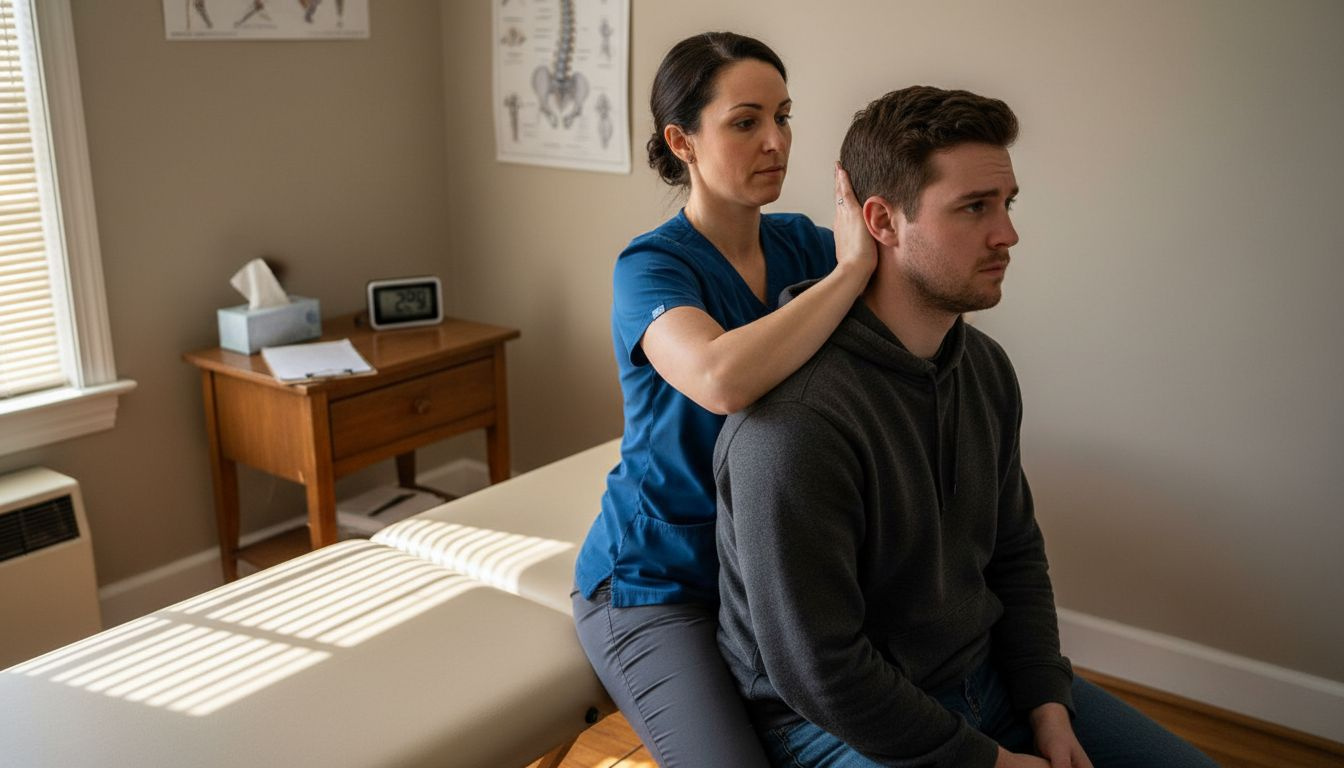
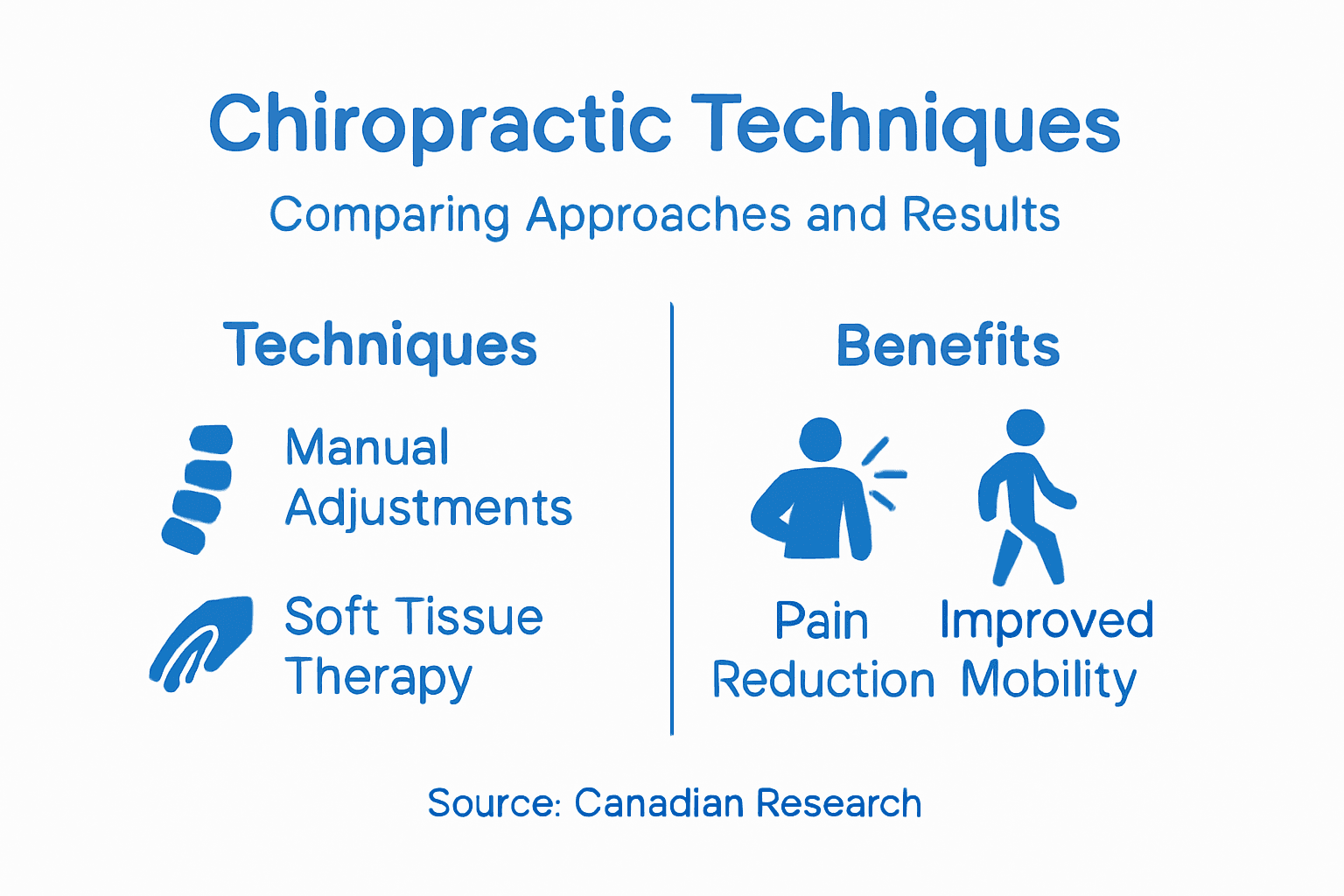
The primary chiropractic techniques include manual adjustments, soft tissue therapy, rehabilitative exercises, and lifestyle counselling. Manual adjustments involve applying targeted, controlled force to specific spinal joints to improve alignment and reduce pain. Soft tissue techniques like myofascial release and trigger point therapy help address muscle tension and promote healing. Rehabilitative exercises complement these interventions by strengthening muscles, improving flexibility, and preventing future injuries.
Here’s a concise comparison of chiropractic techniques and the pain conditions they best address:
Technique | Main Focus | Commonly Treated Conditions |
Spinal manipulation | Joint alignment and mobility | Lower back pain, neck pain |
Soft tissue therapy | Muscle tension and inflammation | Headaches, muscle strain |
Rehabilitative exercises | Strength and flexibility | Sciatica, joint recovery |
Lifestyle counselling | Posture and daily habits | Chronic pain prevention |
Research indicates varying levels of effectiveness across different pain conditions. Chiropractic care demonstrates particular promise for managing chronic back pain, neck pain, and tension headaches. While outcomes can differ among patients, studies suggest that combined approaches integrating manual therapies with exercise programs often yield the most consistent and sustainable pain management results.
Patients in Ottawa seeking chiropractic care should understand that treatment is highly individualized. Chiropractors conduct thorough assessments, considering a patient’s medical history, current physical condition, and specific pain patterns to develop targeted treatment strategies. This personalized approach ensures that interventions are precisely matched to each individual’s unique physiological needs.
Pro Tip: Maintain open communication with your chiropractor about your pain levels, treatment response, and any changes in your symptoms to help optimize your treatment plan.
Evidence in Canadian Pain Management Practice
Canadian healthcare research has increasingly recognized chiropractic care as a critical component of comprehensive pain management strategies. Older adults in publicly funded healthcare facilities have demonstrated significant pain reduction through targeted chiropractic interventions, particularly benefiting medically underserved populations.
Recent studies from Ontario highlight the pivotal role of chiropractic services in multidisciplinary pain management. Community health center integration of chiropractic care has shown promising outcomes, including improved clinical results for chronic non-cancer pain and potential reductions in opioid prescriptions. This emerging evidence underscores chiropractic’s effectiveness as a non-pharmacological approach to pain management.
The evolving landscape of Canadian pain management recognizes chiropractic care not as an alternative, but as an integral part of holistic healthcare. Interdisciplinary approaches that combine chiropractic techniques with other medical interventions are proving particularly effective. Patients benefit from comprehensive treatment plans that address root causes of pain, rather than merely managing symptoms through medication.
Research continues to validate the scientific basis of chiropractic interventions, demonstrating their potential to improve patient outcomes and reduce healthcare system burdens. By focusing on biomechanical assessments, targeted therapies, and patient education, chiropractors contribute significantly to more sustainable and patient-centred pain management strategies across Canadian healthcare settings.
Pro Tip: Request a comprehensive pain assessment that explores multiple treatment modalities, ensuring you receive a holistic approach to managing your specific health concerns.
Collaborative Multidisciplinary Approaches in Ottawa
Ottawa’s healthcare landscape is increasingly embracing collaborative models that integrate multiple professional perspectives to address complex pain management challenges. Community health center integration demonstrates how different healthcare practitioners can work together to develop comprehensive treatment strategies that address patient needs more effectively than traditional single-discipline approaches.
These multidisciplinary teams typically include chiropractors, physiotherapists, physicians, and rehabilitation specialists who collaborate to create holistic treatment plans. By combining their unique expertise, these professionals can develop nuanced interventions that address both symptoms and underlying causes of chronic pain. Such collaborative approaches allow for more sophisticated assessment, targeting biomechanical issues, neurological factors, and lifestyle influences that contribute to a patient’s discomfort.
In practical terms, this means a patient might receive coordinated care that includes chiropractic adjustments, targeted physiotherapy exercises, medical consultations for pain management, and lifestyle counselling. Each professional contributes specialized knowledge, ensuring patients receive comprehensive, personalized treatment strategies. This approach reduces the likelihood of fragmented care and increases the potential for more successful long-term pain management outcomes.
The Ottawa healthcare community recognizes that effective pain management requires looking beyond isolated treatments. By fostering communication and shared treatment goals across different medical disciplines, healthcare providers can offer more sophisticated, patient-centred care that addresses the complex nature of chronic pain and musculoskeletal disorders.
Pro Tip: When seeking treatment, request a comprehensive consultation that involves input from multiple healthcare professionals to ensure a holistic approach to your pain management.
Safety, Myths, and Patient Experience
Chiropractic care continues to dispel long-standing misconceptions through transparent, evidence-based practices that prioritize patient safety and comprehensive care. Canadian chiropractors recognize patient communication barriers as critical in addressing myths and building trust, particularly in rural and underserved healthcare communities.
Common myths about chiropractic treatment often stem from misunderstandings about technique and potential risks. Patients frequently worry about the safety of spinal manipulations, believing them to be dangerous or potentially causing long-term damage. However, research consistently demonstrates that when performed by trained professionals, chiropractic adjustments are remarkably safe, with minimal risk of serious complications. Chiropractors undergo extensive training to understand human anatomy, biomechanics, and precise adjustment techniques that minimize potential adverse effects.
Patient experience is significantly influenced by clear communication, informed consent, and a collaborative approach to treatment. Modern chiropractic practices emphasize thorough initial assessments, detailed explanations of proposed treatments, and ongoing dialogue about patient comfort and treatment progress. This approach helps deconstruct myths by providing patients with scientific understanding of how chiropractic interventions work, what they can expect during treatment, and the potential benefits for managing musculoskeletal pain.
Safety protocols in chiropractic care include comprehensive patient screening, understanding individual medical histories, and adapting techniques to each patient’s specific physical condition. Chiropractors are trained to identify contraindications and refer patients to other healthcare professionals when specialized medical intervention might be more appropriate. This commitment to patient safety and interdisciplinary collaboration distinguishes contemporary chiropractic practice from historical perceptions.
Pro Tip: Always discuss your complete medical history and any concerns with your chiropractor during the initial consultation to ensure the safest, most personalized treatment approach.
Comparing Chiropractic With Conventional Pain Options
Chiropractic spinal manipulation offers a conservative, non-pharmacological alternative to traditional pain management strategies. Unlike conventional medical approaches that often rely on medication or invasive procedures, chiropractic care focuses on addressing the root causes of musculoskeletal pain through holistic, targeted interventions.
Conventional pain management typically involves three primary approaches: pharmaceutical treatments, surgical interventions, and physical therapy. Opioid medications, while providing temporary relief, carry significant risks of dependency and side effects. Surgical procedures can be invasive, expensive, and come with potential complications. In contrast, chiropractic care provides a less risky, more natural approach that emphasizes the body’s inherent healing capabilities.
The key differences between chiropractic and conventional pain management include treatment philosophy, approach, and long-term outcomes. Chiropractic care views pain as a symptom of underlying biomechanical issues, focusing on restoring proper alignment, improving joint function, and supporting the body’s natural healing processes. Conventional medicine often treats pain as an isolated symptom to be managed through medication or surgical intervention. This fundamental difference means chiropractic approaches aim to prevent future pain by addressing structural imbalances, while conventional methods primarily target symptom suppression.
To help clarify the main differences between chiropractic and conventional pain management, see the table below:
Approach | Core Method | Potential Risks | Focus |
Chiropractic Care | Manual adjustments | Rare minor soreness | Root cause correction |
Conventional Medicine | Medication, surgery | Drug dependence | Symptom suppression |
Physical Therapy | Exercise, rehab | Mild discomfort | Movement restoration |
Research increasingly supports chiropractic care as a viable and often preferable option for managing chronic pain, particularly for conditions like lower back and neck pain. Patients seeking alternatives to long-term medication use or considering avoiding surgical interventions may find chiropractic treatments offer a compelling, evidence-based approach to pain management that prioritizes natural healing and functional restoration.
Pro Tip: Discuss comprehensive pain management strategies with healthcare professionals, considering chiropractic care as a potential complementary or alternative approach to conventional treatments.
Discover Expert Chiropractic Solutions for Effective Pain Management in Ottawa
If you are struggling with chronic pain, joint discomfort, or looking for holistic ways to restore your body’s natural balance, understand that chiropractic care is a proven path to long-term relief. The article highlights how targeted spinal manipulation, soft tissue therapy, and personalized treatment plans directly address the root causes of pain instead of just masking symptoms. At Integrate Ottawa, our team-based approach combines chiropractic care with physiotherapy, massage therapy, and pain management medicine to deliver evidence-informed strategies tailored just for you.

Take control of your pain today by booking a consultation with our Ottawa or Carleton Place clinics. Benefit from a collaborative, patient-centred approach that prioritizes safety, education, and lasting functional improvements. Visit Integrate Ottawa now to explore our full range of treatments and find out how chiropractic care can be a cornerstone of your pain relief journey. Act now to restore your mobility and enhance your quality of life with expert support right here in Ottawa.
Frequently Asked Questions
What types of pain conditions can chiropractic care help manage?
Chiropractic care is effective for various pain conditions, including lower back pain, neck discomfort, sciatica, headaches, and joint-related problems. It focuses on addressing the root causes to improve overall function and reduce discomfort.
How does chiropractic care differ from conventional pain management strategies?
Chiropractic care offers a non-pharmacological approach that addresses underlying biomechanical issues through manual adjustments and rehabilitative exercises, while conventional methods often rely on medication or invasive procedures to simply suppress symptoms.
Are chiropractic adjustments safe?
Yes, when performed by trained professionals, chiropractic adjustments are generally very safe with minimal risk of serious complications. Comprehensive patient screenings and personalized treatment plans help ensure patient safety.
How can individuals collaborate with their chiropractors for better treatment outcomes?
Open communication about pain levels, treatment responses, and any changes in symptoms is essential. Discussing your complete medical history can help chiropractors tailor the safest and most effective treatment strategies.
Recommended


Comments