

Pain and Injury Medicine – Impact on Musculoskeletal Health
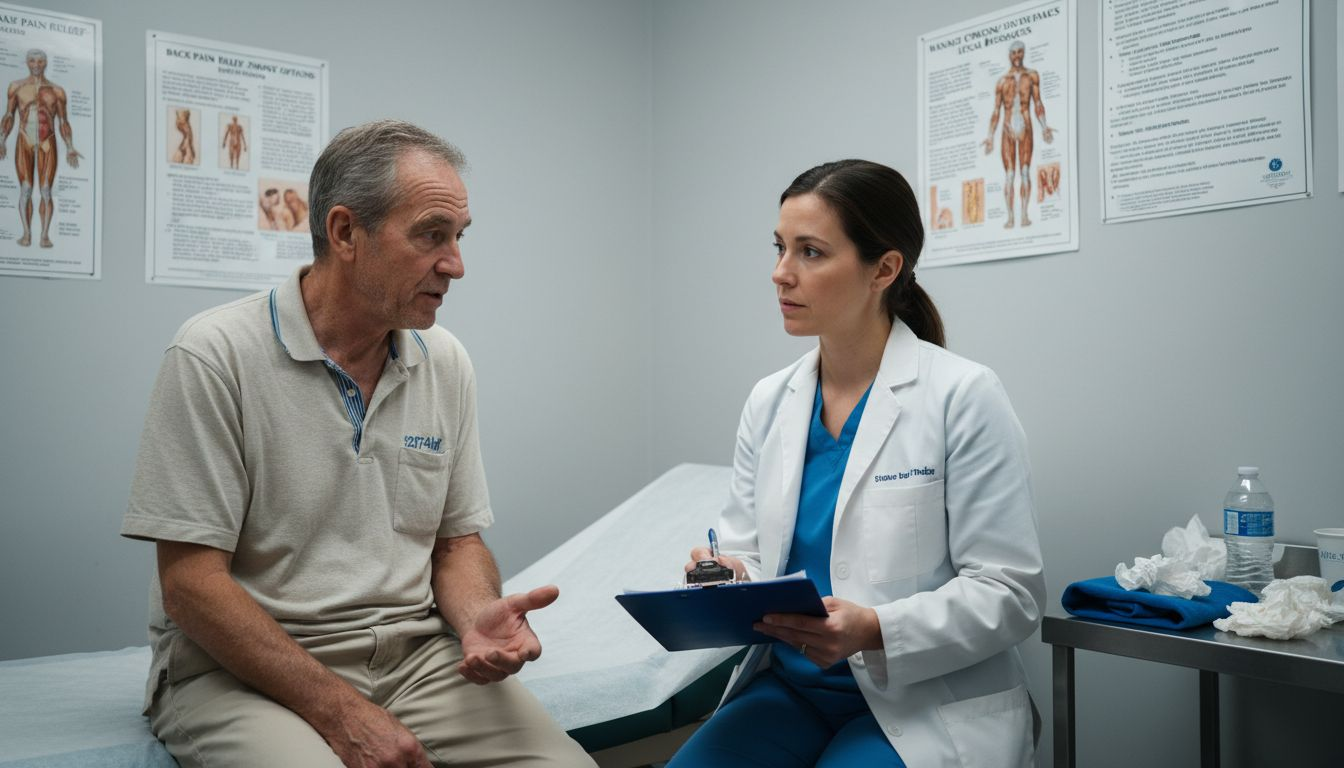
Living with chronic musculoskeletal pain can feel isolating, especially when it affects over one in five Canadian adults every year. Many Ottawa residents find it difficult to access effective treatments that truly improve their quality of life. Understanding pain and injury medicine reveals how evidence-based approaches and specialized care can offer real hope for relief and long-term wellness.
Table of Contents
Key Takeaways
Point | Details |
Understanding Pain Types | Pain and injury medicine distinguishes between acute and chronic pain, each requiring different management strategies. |
Multidisciplinary Approach | Effective treatment for pain involves a team of specialists, including anesthesiologists, physical therapists, and psychologists. |
Evidence-Based Treatments | Treatment plans should prioritize non-opioid medications and multimodal approaches for effective pain management. |
Consideration of Costs and Risks | Patients should evaluate potential financial burdens and risks associated with treatments when selecting a clinic. |
What Is Pain and Injury Medicine?
Pain and injury medicine is a specialized medical discipline focused on understanding, diagnosing, and treating pain experienced throughout the human body. At its core, this field recognizes pain as a critical warning signal from the body, indicating that something requires medical attention or intervention.
The discipline encompasses two primary pain categories: acute and chronic pain. Acute pain typically emerges suddenly from a specific injury or condition and serves as an immediate protective mechanism. Chronic pain, conversely, persists beyond the expected healing period, often lasting months or even years and significantly impacting an individual’s quality of life. Pain and injury medicine practitioners work to identify the underlying sources of pain, whether originating from muscles, nerves, joints, or organ systems.
Understanding pain requires a comprehensive approach that considers both physical and psychological factors. Medical professionals in this field employ various diagnostic techniques, including detailed patient histories, physical examinations, imaging studies, and specialized assessments to determine the root cause of a patient’s discomfort. Treatment strategies may include medications, physical therapies, interventional procedures, rehabilitation techniques, and holistic approaches designed to restore function and improve overall well-being.
Pro tip: Keep a detailed pain journal documenting pain intensity, duration, triggers, and associated activities to help healthcare professionals develop more targeted treatment plans.
Types of Conditions Treated Effectively
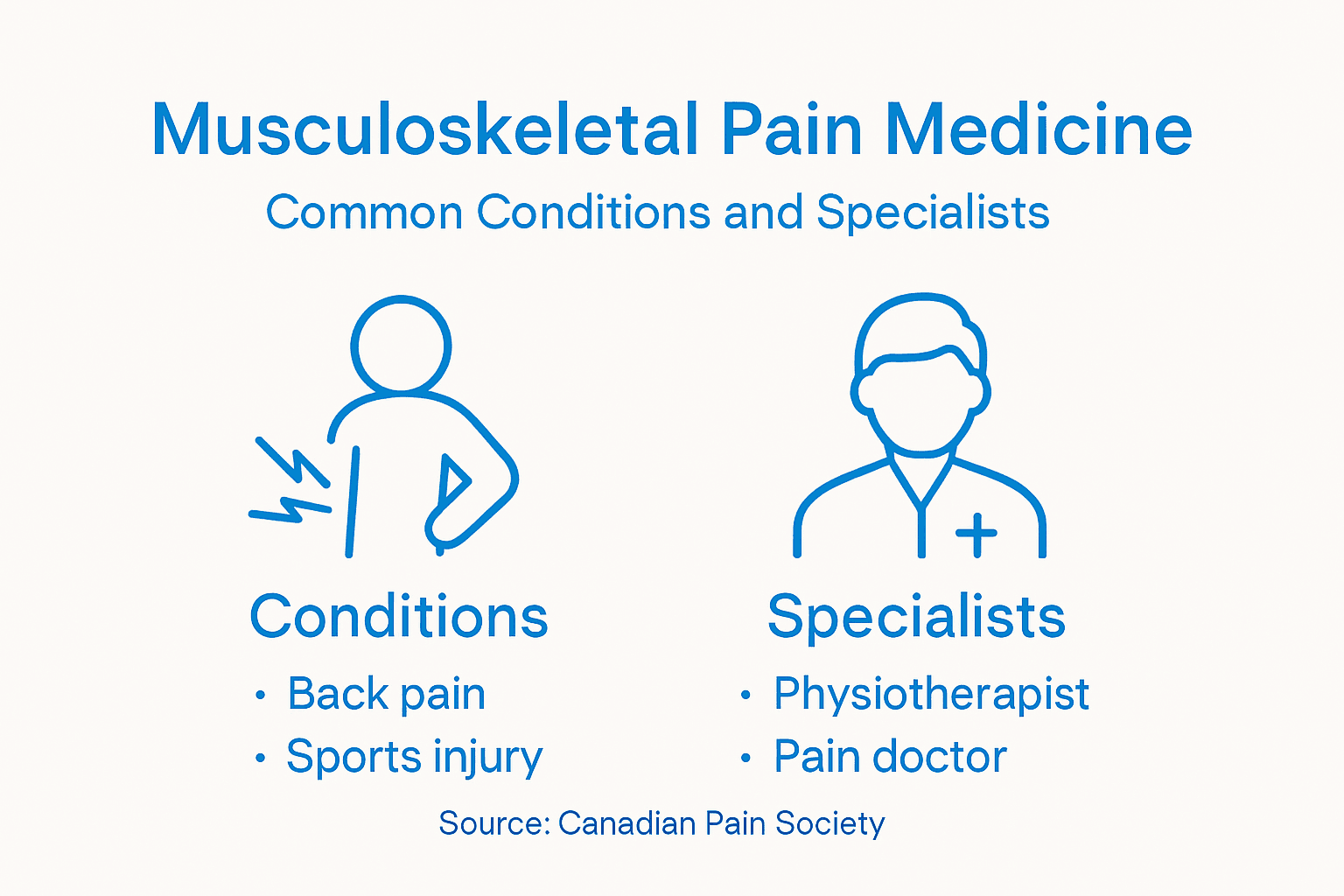
Pain and injury medicine addresses a wide range of complex musculoskeletal conditions that significantly impact patient quality of life. Clinical guidelines support managing several key chronic pain conditions, with a comprehensive approach targeting both physical symptoms and underlying causes.
The primary conditions effectively treated include:
Low Back Pain: A prevalent issue affecting millions of Canadians, characterized by persistent discomfort in the lumbar region. Treatment strategies often combine physical therapy, targeted exercises, and pain management techniques.
Osteoarthritis: A degenerative joint condition causing inflammation, stiffness, and chronic pain. Interventions focus on reducing inflammation, improving joint mobility, and implementing lifestyle modifications.
Neuropathic Pain: A complex pain syndrome arising from nerve damage or dysfunction, presenting unique challenges in diagnosis and treatment. Approaches may include medication, nerve blocks, and rehabilitative therapies.
Beyond these core conditions, pain and injury medicine practitioners also effectively manage sports injuries, workplace-related musculoskeletal disorders, postoperative pain management, and chronic pain syndromes. The treatment philosophy emphasizes a holistic, patient-centered approach that considers individual physiological and psychological factors.
Pro tip: Maintain open communication with your healthcare provider about pain experiences, as detailed symptom tracking can significantly enhance treatment precision and effectiveness.
Key Professionals Involved in Care
Pain and injury medicine represents a multidisciplinary approach that requires collaboration among several specialized healthcare professionals. Specialists in pain medicine work together to provide comprehensive, patient-centered treatment strategies addressing complex musculoskeletal conditions.
The key professionals involved in pain management include:
Anesthesiologists: Specialized physicians trained in interventional pain management techniques, focusing on advanced procedures and medication strategies.
Physical Medicine Specialists: Experts who assess biomechanical issues, design rehabilitation programs, and develop targeted treatment plans for musculoskeletal disorders.
Pain Psychologists: Mental health professionals who help patients develop coping mechanisms, manage psychological aspects of chronic pain, and implement cognitive-behavioral strategies.
Physiotherapists: Movement specialists who design exercise programs, provide manual therapies, and help patients restore functional mobility and reduce pain.
Occupational Therapists: Professionals who assist patients in adapting daily activities, recommend adaptive equipment, and develop strategies for managing pain during work and personal tasks.
These professionals collaborate closely, creating integrated treatment plans that address the complex physical, emotional, and functional dimensions of pain. Their multidisciplinary approach ensures patients receive holistic care tailored to individual needs, combining medical interventions, rehabilitation strategies, and psychological support.
Here’s a summary of key professionals and their distinct roles in pain and injury medicine:
Professional | Unique Role | Typical Contribution |
Anesthesiologist | Interventional procedures expert | Medication strategy, advanced treatments |
Physical Medicine Specialist | Rehabilitation program designer | Biomechanical assessment, plan development |
Pain Psychologist | Mental health support | Coping strategies, emotion management |
Physiotherapist | Movement specialist | Restores mobility, manual therapies |
Occupational Therapist | Daily routine adaptation | Activity modifications, equipment advice |
Pro tip: Request a comprehensive care team consultation to understand how different specialists will collaborate in managing your specific pain condition.
Evidence-Based Treatment Methods Explained
Pain and injury medicine has evolved significantly, moving beyond traditional approaches to comprehensive multimodal treatment strategies. These evidence-based methods prioritize personalized interventions that address the complex nature of pain across physical, psychological, and functional dimensions.
The primary evidence-based treatment methods include:
Non-Opioid Pharmacological Interventions: Targeted medications designed to manage pain with minimal side effects and reduced dependency risks.
Graduated Exercise Therapy: Structured physical activity programs tailored to individual patient capabilities, progressively improving mobility and reducing pain.
Cognitive Behavioral Therapy (CBT): Psychological intervention helping patients develop coping mechanisms, reframe pain experiences, and manage emotional responses.
Mindfulness and Stress Reduction Techniques: Practices that help patients develop emotional resilience and pain management strategies through meditation and relaxation approaches.
Integrative Medical Approaches: Combining traditional medical treatments with complementary therapies to provide holistic pain management.
Canadian clinical guidelines increasingly emphasize personalized, interdisciplinary treatment plans that minimize opioid use while maximizing patient outcomes. This approach recognizes that effective pain management requires a comprehensive strategy addressing the interconnected physical, emotional, and functional aspects of an individual’s pain experience.
Compare pain management strategies and their primary benefits in Canadian practice:
Treatment Method | Main Benefit | Typical Outcome |
Non-Opioid Medication | Reduced side effects | Improved pain control |
Exercise Therapy | Enhanced mobility | Restored function |
Cognitive Behavioural Therapy | Emotional resilience | Better coping with pain |
Mindfulness Practices | Stress reduction | Improved overall well-being |
Integrative Approach | Holistic support | More sustainable relief |
Pro tip: Request a detailed, personalized pain management plan that integrates multiple treatment methods and regularly reviews your progress with healthcare professionals.
Risks, Costs, and Finding the Right Clinic
Pain and injury medicine presents complex challenges, with significant healthcare and economic implications for patients seeking effective treatment. Understanding the potential risks, associated costs, and strategies for selecting an appropriate clinic are crucial steps in managing musculoskeletal health effectively.
Key risks in pain treatment include:
Opioid Dependency: Potential for developing medication dependency, especially with long-term pain management strategies.
Treatment Ineffectiveness: Risks of inadequate pain control or inappropriate intervention approaches.
Financial Burden: Direct and indirect costs associated with ongoing medical treatments and potential lost productivity.
Psychological Impact: Potential emotional and mental health challenges related to chronic pain experiences.
Treatment Side Effects: Potential complications from pharmacological or invasive treatment methods.
Navigating the Canadian healthcare landscape requires careful consideration. Patients should prioritize clinics with multidisciplinary teams, evidence-based practices, and patient-centred approaches. Factors to evaluate include professional credentials, treatment philosophy, range of services, integrated care models, and transparent communication about potential outcomes and costs.

Pro tip: Request a comprehensive initial consultation that provides a detailed breakdown of potential treatment costs, expected outcomes, and a transparent explanation of the clinic’s approach to pain management.
Take Control of Your Pain and Injury with Expert Care at Integrate Ottawa
Understanding and managing musculoskeletal pain can be overwhelming, especially when dealing with complex conditions like chronic low back pain, osteoarthritis, or neuropathic pain. This article highlights the importance of a multidisciplinary, evidence-based approach to pain and injury medicine—an approach that connects physical health with emotional well-being through collaboration among specialized healthcare professionals.
At Integrate Ottawa, we offer comprehensive pain and injury medicine services alongside physiotherapy, chiropractic care, and massage therapy. Our team works closely to create personalized treatment plans that address not only your symptoms but also the underlying causes of pain. By integrating therapies such as graduated exercise programs and cognitive behavioural strategies, we help you regain function and improve your quality of life.
Ready to move beyond pain and rebuild your musculoskeletal health? Visit Integrate Ottawa today to book a consultation with our specialized team. Discover how a tailored, evidence-supported approach can help you achieve sustainable relief and regain control over your life.
Frequently Asked Questions
What is pain and injury medicine?
Pain and injury medicine is a specialized medical discipline focused on diagnosing and treating various types of pain that patients may experience throughout their bodies. It addresses both acute and chronic pain, considering physical and psychological factors.
What types of conditions are treated in pain and injury medicine?
Pain and injury medicine effectively treats a range of musculoskeletal conditions, including low back pain, osteoarthritis, and neuropathic pain. It also manages sports injuries, workplace-related disorders, postoperative pain, and chronic pain syndromes.
What professionals are involved in pain and injury medicine?
Key professionals include anesthesiologists, physical medicine specialists, pain psychologists, physiotherapists, and occupational therapists. They collaborate to develop comprehensive treatment plans that address the physical, emotional, and functional aspects of pain.
What are some evidence-based treatment methods in pain medicine?
Evidence-based treatment methods include non-opioid pharmacological interventions, graduated exercise therapy, cognitive behavioral therapy (CBT), mindfulness practices, and integrative medical approaches, all aimed at personalized pain management strategies.
Recommended
Comments