

Dry Needling Therapy: Pain Relief and Recovery in Canada
- Dec 17, 2025
- 8 min read
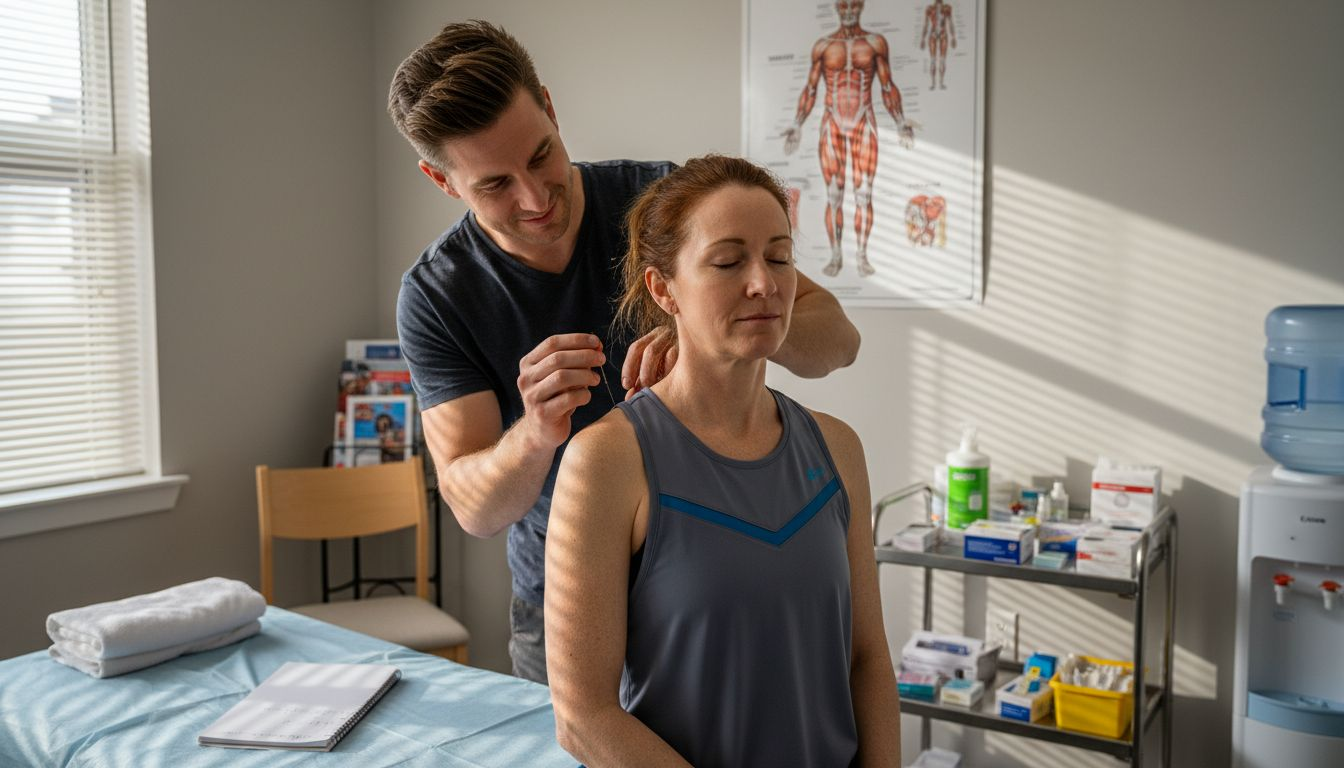
Most Canadian patients are surprised to learn that nearly 80 percent of people with persistent muscle pain could benefit from targeted dry needling therapy. With its rising popularity and specialized applications, this technique stands out as a science-backed option for treating muscle knots and chronic discomfort. By separating fact from fiction, you will gain a clear understanding of how dry needling works, its safety profile, and why many Canadian physiotherapists now recommend it for effective pain relief.
Table of Contents
Key Takeaways
Point | Details |
Understanding Dry Needling | It is a physiotherapy technique that targets muscle trigger points to alleviate pain and restore function, focusing on muscular and neuromuscular issues. |
Common Misconceptions | Dry needling is not the same as acupuncture; it involves minimal discomfort and benefits a wide range of patients, not only athletes. |
Benefits of Treatment | Key benefits include immediate pain reduction, improved flexibility, enhanced range of motion, and accelerated healing. |
Importance of Professional Training | In Canada, dry needling is regulated, and practitioners must undergo significant training to ensure patient safety and treatment efficacy. |
Dry Needling Explained and Common Myths
Dry needling is an innovative physiotherapy technique that involves inserting thin, sterile needles directly into muscle trigger points to alleviate pain and restore muscle function. Muscle trigger points can be precisely targeted to reduce tension, improve blood circulation, and accelerate healing processes.
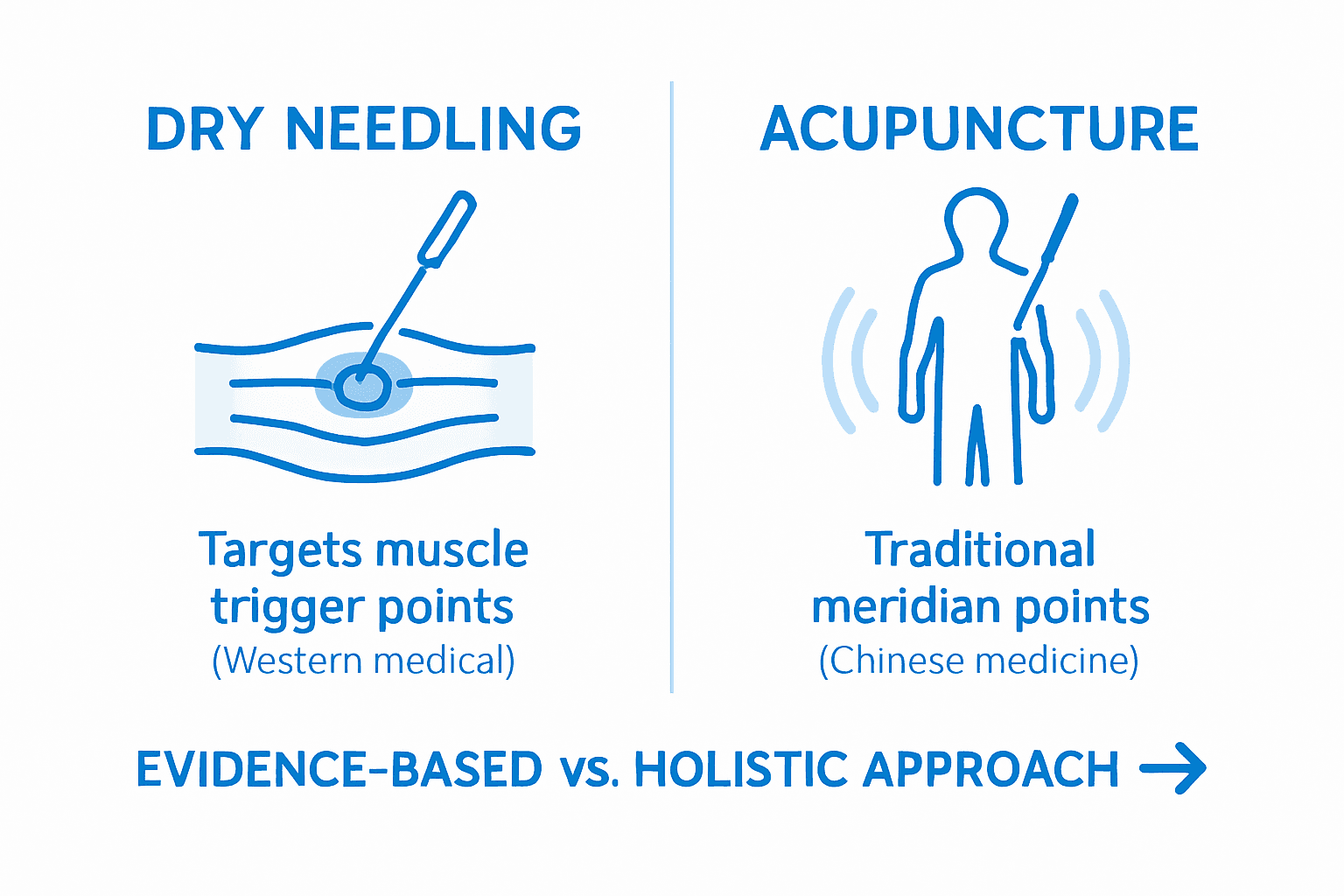
Unlike traditional acupuncture, dry needling is rooted in western medical principles and focuses specifically on muscular and neuromuscular dysfunction. Practitioners strategically insert needles into tight muscle bands or knots, known as myofascial trigger points, which can cause referred pain and restrict movement. The needles stimulate a healing response by creating microtrauma that encourages increased blood flow, reduces inflammation, and helps reset dysfunctional muscle recruitment patterns.
Common myths surrounding dry needling often stem from misunderstandings about its purpose and methodology. Many patients initially worry about intense pain, but most report minimal discomfort during the procedure. Some key misconceptions include:
Dry needling is the same as acupuncture (False: different medical philosophies)
The treatment is extremely painful (False: typically mild, brief sensations)
Needles remain in the body for extended periods (False: quickly inserted and removed)
Only athletes or chronic pain patients benefit (False: widely applicable for various muscular issues)
Pro Tip for Recovery: Work closely with your physiotherapist to understand your specific trigger points and develop a comprehensive treatment plan that integrates dry needling with complementary rehabilitation strategies.
How Dry Needling Works for Muscle Pain
Dry needling is a precise physiotherapy technique designed to target and resolve muscular pain and dysfunction. Practitioners strategically insert thin needles into specific muscle trigger points to stimulate healing and restore optimal muscle function. This approach focuses on identifying and addressing the root causes of muscular tension, rather than merely treating surface-level symptoms.
The mechanism of dry needling involves careful needle placement into myofascial trigger points – those tight, knotted areas within muscle tissues that can cause referred pain and restricted movement. When the needle is inserted, it triggers a local twitch response in the muscle, which helps release tension and reset neuromuscular patterns. Trigger points are carefully mapped and targeted to encourage muscle relaxation, improve blood circulation, and reduce inflammation.
Key benefits of dry needling include:
Immediate pain reduction
Improved muscle flexibility
Enhanced range of motion
Accelerated tissue healing
Restoration of normal muscle recruitment patterns
During treatment, patients might experience mild sensations like muscle twitches or temporary discomfort, which are typically short-lived and indicate the therapeutic process is working. The needles are extremely thin and designed to minimise patient discomfort while maximising physiological response.
Pro Tip for Recovery: Communicate openly with your physiotherapist about your pain levels and response to treatment, as individual muscle reactions can vary and personalised adjustments may enhance therapeutic outcomes.
Key Benefits for Musculoskeletal Conditions
Dry needling offers remarkable therapeutic potential for addressing a wide range of musculoskeletal conditions, providing targeted pain relief and functional restoration. Practitioners can effectively treat multiple complex musculoskeletal disorders through precise needle placement and strategic trigger point manipulation.
The technique demonstrates exceptional efficacy in managing diverse musculoskeletal challenges, including:
Shoulder pain and rotator cuff issues
Chronic low back discomfort
Neck and temporomandibular joint disorders
Tennis elbow and biceps tendinitis
Hip and knee joint complications
Achilles tendon inflammation
Tension headaches and cervical pain
Dry needling’s therapeutic mechanism works by releasing muscle tension, improving blood circulation, and resetting neuromuscular patterns. Chronic pain conditions respond particularly well to this targeted intervention, with patients experiencing reduced inflammation, enhanced mobility, and accelerated healing processes. The technique’s precision allows physiotherapists to address specific muscle dysfunctions that traditional treatments might overlook.

Patients can expect gradual improvements in muscle function, reduced pain intensity, and enhanced overall physical performance. The treatment’s non-invasive nature and minimal side effects make it an attractive option for individuals seeking alternative pain management strategies.
Pro Tip for Recovery: Combine dry needling with complementary rehabilitation exercises to maximize treatment outcomes and support long-term musculoskeletal health.
Professional Qualifications and Legal Status in Canada
Dry needling in Canada operates within a regulated healthcare framework, with specific professional standards governing its practice. Chiropractors and physiotherapists are legally permitted to use acupuncture needles across most provinces and territories, subject to rigorous training and certification requirements that ensure patient safety and treatment effectiveness.
Professional qualification pathways for dry needling practitioners typically involve comprehensive training programs that cover critical aspects of the technique:
Advanced anatomical understanding
Precise trigger point identification
Needle insertion techniques
Patient assessment protocols
Safety and risk management strategies
Specialized certification programs, such as those offered by professional organizations, provide structured learning experiences with Level I and Level II courses. These programs emphasize hands-on training, theoretical knowledge, and evidence-based practice, ensuring practitioners develop the skills necessary for effective and safe dry needling interventions.
Training requirements vary across Canadian jurisdictions, with some provinces mandating up to 200 hours of specialized training, while others maintain more flexible standards. Healthcare professionals must consistently demonstrate competence through ongoing education, practical assessments, and adherence to provincial regulatory guidelines. This approach ensures that dry needling remains a scientifically grounded and professionally administered therapeutic technique.
Pro Tip for Practitioners: Continuously update your professional credentials and stay informed about regional regulatory changes to maintain the highest standards of practice and patient care.
Safety, Risks, and Potential Side Effects
Dry needling is a precise therapeutic intervention that requires careful professional administration to ensure patient safety. When performed by trained healthcare professionals, the procedure is generally considered safe with minimal risk of serious complications. Understanding potential side effects and risk management strategies is crucial for patients considering this treatment.
Common and typically mild side effects may include:
Temporary muscle soreness
Minor bruising at needle insertion sites
Slight bleeding or skin irritation
Transient discomfort during needle placement
Potential muscle twitching or cramping
Serious complications are exceptionally rare but can include:
Pneumothorax (lung puncture)
Infection at needle sites
Nerve damage
Unexpected allergic reactions
Patients with specific health conditions such as bleeding disorders, compromised immune systems, or those taking blood-thinning medications should discuss their medical history thoroughly with their healthcare provider before undergoing dry needling. Professional practitioners conduct comprehensive pre-treatment assessments to identify and mitigate potential risks, ensuring a safe and effective therapeutic experience.
Pro Tip for Safety: Always disclose your complete medical history and current medications to your physiotherapist before starting dry needling treatment to enable a personalized and safe approach.
Below is a summary of potential side effects and corresponding risk management strategies for dry needling:
Potential Side Effect | Typical Severity | Risk Management Advice |
Temporary muscle soreness | Mild | Gentle movement post-session |
Minor bruising | Mild | Apply cold pack if needed |
Slight bleeding | Rare | Use sterile technique |
Infection | Very rare | Ensure practitioner hygiene |
Pneumothorax | Extremely rare | Only licensed professionals |
Comparison With Acupuncture and Other Therapies
Dry needling and acupuncture share superficial similarities but represent fundamentally different therapeutic approaches. These techniques distinguish themselves through unique philosophical and clinical methodologies that address distinct aspects of human physiology and healing.
Key differences between dry needling and traditional therapies include:
Acupuncture Characteristics:
Rooted in traditional Chinese medicine
Focuses on balancing energy flow (qi)
Uses specific meridian point stimulation
Holistic wellness approach
Addresses broader systemic health concerns
Dry Needling Characteristics:
Based on western medical principles
Targets specific muscular trigger points
Addresses neuromuscular dysfunction
Precise pain management technique
Directly addresses muscular tension and injury
Unlike traditional acupuncture, dry needling employs a more scientifically targeted approach to resolving musculoskeletal issues. The technique uses precise needle placement to stimulate muscle tissues, release tension, and promote healing through direct physiological intervention rather than energy rebalancing.
Other therapeutic alternatives like massage therapy, physiotherapy, and chiropractic care may complement dry needling, offering patients comprehensive treatment strategies that address pain and mobility from multiple perspectives. The integration of these techniques allows for a more holistic approach to musculoskeletal health and recovery.
Here’s how dry needling compares with other muscle pain therapies:
Therapy Type | Main Focus | Evidence Base | Typical Use Cases |
Dry Needling | Muscular trigger points | Strong in clinical trials | Chronic pain, injuries |
Acupuncture | Energy meridians (qi) | Mixed; depends on condition | General wellness, pain |
Massage Therapy | Soft tissue mobilization | Moderate for some conditions | Muscle tension, relaxation |
Physiotherapy | Functional rehabilitation | Extensive for many issues | Injury recovery, mobility |
Pro Tip for Treatment Selection: Consult with a qualified healthcare professional to determine the most appropriate therapeutic approach for your specific musculoskeletal condition, considering individual health needs and treatment goals.
Discover Effective Pain Relief with Expert Dry Needling at Integrate Ottawa
If you struggle with persistent muscle pain or limited mobility caused by myofascial trigger points, dry needling offers a scientifically supported solution to restore comfort and function. This advanced therapy targets tight muscle bands using precise needle placement, stimulating your body’s natural healing response for immediate pain reduction and improved movement.

Experience a compassionate, evidence-based approach to musculoskeletal health at Integrate Ottawa. Our multidisciplinary team of physiotherapists and healthcare professionals are trained in dry needling and other complementary treatments to tailor your recovery plan. Take the first step towards lasting relief and book your appointment today by visiting our main page at Integrate Ottawa or learn more about our advanced physiotherapy services here.
Don’t let muscle pain hold you back any longer. Connect with trusted experts who understand your challenges and are committed to helping you regain quality of life.
Frequently Asked Questions
What is dry needling and how does it work?
Dry needling is a physiotherapy technique that involves inserting thin, sterile needles into muscle trigger points to relieve pain and improve muscle function. It targets tight muscle bands or knots, promoting healing by increasing blood flow and reducing inflammation.
Is dry needling painful?
Most patients report only minimal discomfort during dry needling. The sensation may include brief muscle twitches or a dull ache, but it is usually short-lived and regarded as part of the therapeutic process.
How is dry needling different from acupuncture?
Dry needling is based on western medical principles and focuses on specific muscular dysfunctions, while acupuncture is rooted in traditional Chinese medicine and aims to balance energy flow. Dry needling targets trigger points for pain management, whereas acupuncture stimulates meridian points for broader health concerns.
What conditions can be treated with dry needling?
Dry needling can effectively treat a variety of musculoskeletal conditions, including shoulder pain, chronic low back discomfort, neck pain, tennis elbow, hip and knee joint issues, and tension headaches. It addresses the root causes of muscle tension rather than just the symptoms.
Recommended


Comments