

Why Address Joint Pain for Better Mobility

Nearly half of Canadian adults coping with joint pain face limitations that can make daily tasks feel overwhelming. For many residents in Ottawa aged 30 to 60, persistent discomfort means mornings often start with stiffness, aching, or burning sensations that reduce mobility and dampen quality of life. Separating facts from myths about joint pain is essential for finding relief. This article uncovers the truth behind common misconceptions and highlights evidence-based approaches to help Canadian individuals regain comfort and function.
Table of Contents
Key Takeaways
Point | Details |
Understanding Joint Pain | Joint pain affects all age groups and can stem from various causes, necessitating personalised treatment strategies. |
Myth Busting | Common misconceptions about joint pain can hinder effective management; exercise and a healthy lifestyle often improve symptoms. |
Multi-Disciplinary Care | Collaborating with a team of healthcare professionals can lead to more comprehensive and effective joint pain management. |
Timely Intervention | Early treatment is crucial to prevent irreversible damage and maintain mobility; consult healthcare professionals at the first signs of discomfort. |
What Is Joint Pain and Common Myths
Joint pain represents a complex musculoskeletal condition that affects countless Canadians, causing discomfort in one or more body joints through sensations like stiffness, burning, or persistent throbbing. Joint pain variations can range from mild occasional aches to severe, chronic conditions that significantly impact daily mobility and quality of life.
Understanding joint pain requires dispelling several pervasive myths. Contrary to popular belief, joint pain is not exclusively an elderly condition. Young and middle-aged adults can also experience significant joint discomfort from various sources including injury, autoimmune conditions, and lifestyle factors. Common causes include osteoarthritis, rheumatoid arthritis, gout, bursitis, and tendinitis, each presenting unique challenges and symptoms.
Some widespread misconceptions about joint pain deserve careful examination. Arthritis myths often mislead people about treatment and management. For instance, many believe that exercise worsens joint pain, when in fact, controlled movement can improve joint flexibility and reduce inflammation. Another common myth suggests that cold weather permanently exacerbates joint symptoms, which is not scientifically supported.
To effectively manage joint pain, individuals must understand its multifaceted nature. This involves recognizing individual triggers, maintaining a healthy lifestyle, and consulting healthcare professionals for personalized treatment strategies. Movement, proper nutrition, and targeted physiotherapy can significantly improve joint health and reduce discomfort.
Pro tip: Maintain a detailed joint pain journal tracking activities, diet, and symptoms to help healthcare professionals develop more precise treatment plans.
Types and Causes of Joint Pain
Joint pain encompasses a complex spectrum of conditions affecting the musculoskeletal system, with diverse origins that require nuanced understanding. Multiple joint pain causes exist, ranging from degenerative conditions to inflammatory disorders that can significantly impact an individual’s mobility and quality of life.
The primary categories of joint pain include mechanical, inflammatory, and systemic conditions. Mechanical joint pain often stems from wear and tear, such as osteoarthritis, where cartilage deterioration leads to bone-on-bone friction. In contrast, inflammatory conditions like rheumatoid arthritis involve the immune system attacking joint tissues, causing progressive damage and chronic discomfort.
Inflammatory joint mechanisms reveal intricate processes where autoimmune responses trigger significant joint damage. Conditions such as rheumatoid arthritis, psoriatic arthritis, lupus, and ankylosing spondylitis demonstrate how the body’s immune system can mistakenly target joint tissues. These conditions produce symptoms including swelling, tenderness, persistent stiffness, and potential long-term joint structural changes.
Beyond arthritis, joint pain can arise from numerous sources including viral infections, direct trauma, overuse injuries, and metabolic disorders like gout. Each condition presents unique challenges, requiring personalised medical assessment and targeted treatment strategies that address the underlying cause rather than merely managing symptoms.
Pro tip: Schedule regular comprehensive medical evaluations to track joint health progression and catch potential inflammatory conditions in their early stages.
Here’s a concise comparison of common joint pain causes and their distinct characteristics:
Condition | Key Cause | Typical Symptoms | Age Group Most Affected |
Osteoarthritis | Cartilage wear and tear | Joint stiffness, aching | Middle-aged and older adults |
Rheumatoid arthritis | Autoimmune inflammation | Swelling, persistent pain | Young to middle-aged adults |
Gout | Uric acid crystal buildup | Sudden severe pain, redness | Adults, often middle-aged men |
Bursitis | Overuse or trauma | Tenderness, swelling | All age groups, active adults |
Tendinitis | Repetitive motion injuries | Localised pain, soreness | Adults participating in sports |
Viral infection | Viral illness affecting joints | Short-term pain, fever | Any age group |
Impact on Daily Life and Mobility
Joint pain challenges profoundly disrupt daily functioning, creating significant obstacles for individuals across different age groups. Nearly half of Canadian adults experiencing joint pain report substantial limitations in their regular activities, transforming seemingly simple tasks into complex physical challenges.
The manifestations of joint pain extend far beyond mere physical discomfort. Basic movements like walking, climbing stairs, preparing meals, or even getting dressed can become arduous undertakings. Morning stiffness, a particularly challenging symptom, can delay an individual’s ability to start their day, impacting work productivity, personal independence, and overall quality of life.

Persistent joint symptoms create a cascading effect on mental and emotional well-being. Chronic pain can lead to reduced physical activity, potential weight gain, decreased social interaction, and increased risk of depression. The psychological toll of feeling restricted by one’s own body can be as debilitating as the physical pain itself, highlighting the critical need for comprehensive pain management strategies.
Understanding these multifaceted impacts is crucial for developing effective intervention approaches. By recognizing how joint pain influences various life domains, healthcare professionals and patients can collaborate on personalized strategies that address not just physical symptoms, but also the broader life disruptions caused by chronic joint discomfort.
Pro tip: Create a daily pain and activity tracking journal to help healthcare providers understand your specific mobility challenges and develop targeted treatment plans.
Risks of Delaying Joint Pain Treatment
Delaying treatment for joint pain can lead to progressive and potentially irreversible damage to the musculoskeletal system. Chronic inflammation consequences demonstrate that prolonged joint issues can cause significant structural deterioration of cartilage, bones, tendons, and ligaments, transforming a manageable condition into a complex, long-term health challenge.
The progression of untreated joint conditions often follows a predictable and concerning trajectory. Initial mild discomfort can evolve into chronic pain, reduced mobility, and substantial functional limitations. Prolonged inflammation may trigger cascading effects such as muscle weakness, nerve irritation, and accelerated joint degradation, making future treatment more challenging and potentially less effective.
Psychological and lifestyle impacts compound the physical risks of delayed intervention. Persistent joint pain can lead to reduced physical activity, potential weight gain, decreased social engagement, and increased risk of depression. These secondary consequences create a negative feedback loop where reduced movement further exacerbates joint deterioration, making comprehensive recovery more complex with each passing month.
Early and proactive management is crucial in preventing permanent joint damage. By seeking timely professional assessment and implementing targeted treatment strategies, individuals can significantly mitigate long-term risks, preserve joint function, and maintain overall quality of life. Pain and Injury Medicine – Impact on Musculoskeletal Health offers comprehensive insights into effective early intervention approaches.
Pro tip: Schedule an initial consultation at the first sign of persistent joint discomfort to develop a personalized prevention and management strategy.
Multidisciplinary Approaches to Care
Comprehensive joint pain management requires a nuanced, collaborative strategy that addresses both immediate symptoms and underlying health challenges. This holistic approach brings together multiple healthcare professionals to create a tailored treatment plan that goes beyond traditional single-discipline interventions.
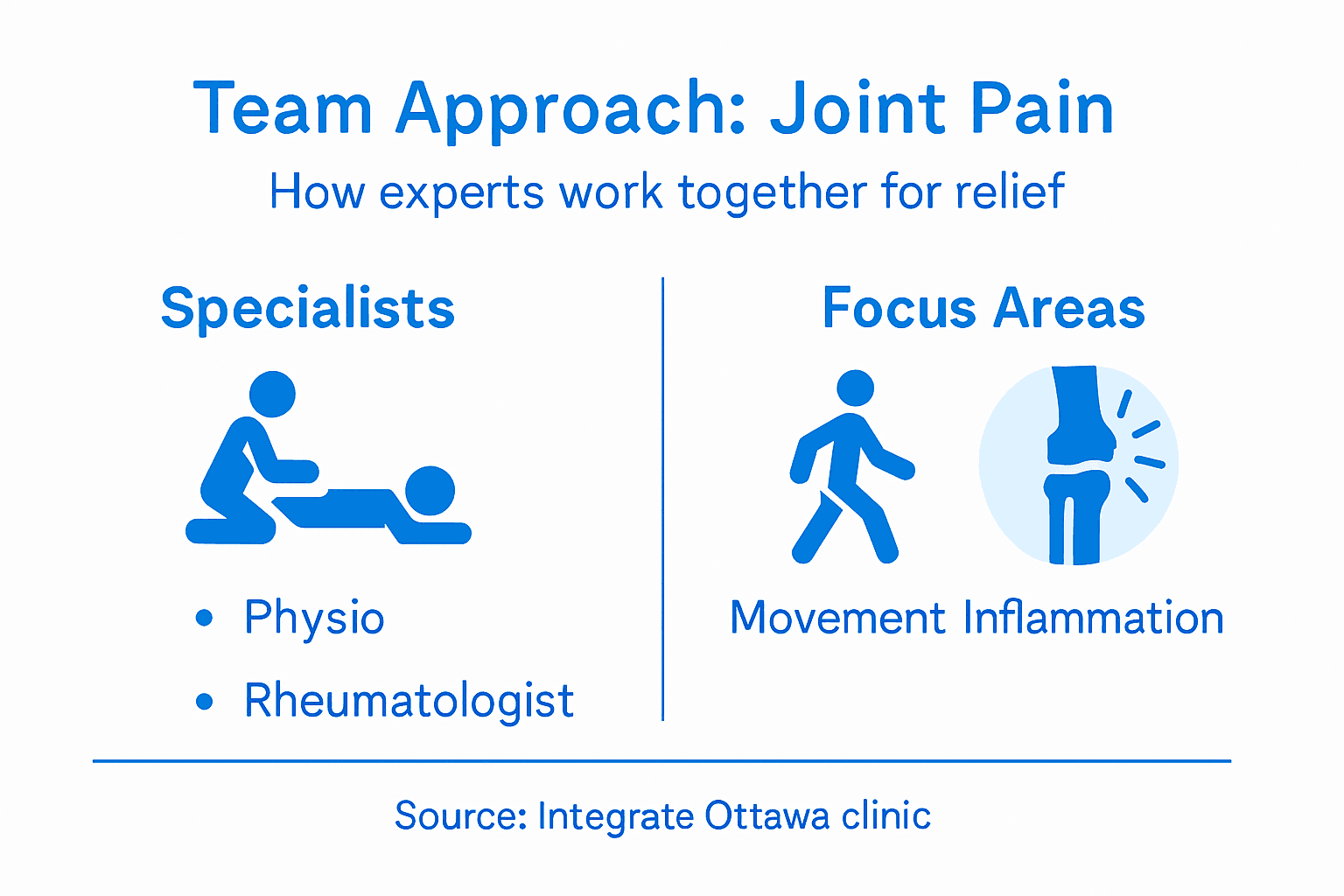
The multidisciplinary team typically includes rheumatologists, physiotherapists, occupational therapists, pain specialists, and orthopaedic experts. Each professional contributes unique expertise to develop a holistic treatment strategy. Rheumatologists might manage medication and systemic inflammation, physiotherapists design targeted movement protocols, and occupational therapists help patients adapt daily activities to minimize joint stress.
Joint pain treatment collaboration involves comprehensive assessment techniques that examine physical function, pain levels, lifestyle factors, and potential underlying conditions. This approach allows healthcare providers to create individualized treatment plans addressing not just physical symptoms, but psychological and lifestyle impacts of chronic joint discomfort.
Modern multidisciplinary care emphasizes patient education and active participation. Treatment strategies may include targeted exercises, pain management techniques, assistive devices, lifestyle modifications, and potentially surgical interventions. The goal extends beyond symptom relief to restoring functional mobility and improving overall quality of life.
Pro tip: Request a comprehensive initial assessment that includes professionals from multiple disciplines to ensure a truly holistic approach to your joint health.
The following table summarises how multidisciplinary team members contribute to joint pain management:
Specialist | Primary Role | Unique Expertise |
Rheumatologist | Diagnose and treat arthritis | Prescribing immune therapies and drugs |
Physiotherapist | Improve movement and strength | Designing exercise and rehabilitation |
Occupational Therapist | Adapt daily routines | Suggesting tools and ergonomic strategies |
Pain Specialist | Control chronic pain | Advanced pain relief interventions |
Orthopaedic Expert | Assess structural damage | Surgical options for severe conditions |
Effective Strategies for Long-Term Relief
Long-term joint pain management requires a comprehensive, multifaceted approach that addresses physical, nutritional, and lifestyle factors. Successful strategies go beyond temporary symptom relief, focusing instead on sustainable improvements in joint function, mobility, and overall quality of life.
Physical interventions play a crucial role in long-term joint health. Regular, targeted exercise helps strengthen supporting muscles, improve joint flexibility, and reduce inflammation. This might include low-impact activities like swimming, cycling, or carefully designed physiotherapy protocols that minimize joint stress while enhancing overall muscular support. Weight management is equally critical, as reducing excess body weight directly decreases mechanical stress on weight-bearing joints.
Joint pain myths and strategies emphasize the importance of holistic management. Nutrition plays a significant role, with anti-inflammatory diets rich in omega-3 fatty acids, antioxidants, and whole foods potentially mitigating inflammatory responses. Complementary approaches such as gentle heat or cold therapy, careful use of pain medications, and stress reduction techniques can further support long-term joint health.
Professional guidance remains essential in developing personalized long-term relief strategies. This involves regular assessments, adjusting treatment plans as needed, and maintaining open communication with healthcare providers. Patient education about joint protection techniques, proper movement mechanics, and early intervention can significantly impact long-term outcomes and prevent further joint degradation.
Pro tip: Create a comprehensive joint health journal tracking exercise, diet, pain levels, and lifestyle factors to help healthcare providers develop more targeted long-term management strategies.
Take Control of Your Joint Pain for Improved Mobility
Joint pain can create persistent stiffness and aching that disrupts your daily activities and diminishes your quality of life. Understanding that timely and multidisciplinary care is essential to prevent irreversible joint damage and decline in function is the first step toward regaining freedom of movement. Whether you face challenges from osteoarthritis, rheumatoid arthritis, or other inflammatory joint conditions, a tailored approach addressing underlying causes and symptoms is vital.
At Integrate Ottawa, our team-based care model brings together physiotherapy, pain and injury medicine, and other specialised services to help manage your joint health effectively. With evidence-supported treatments designed to reduce inflammation, improve flexibility, and enhance mobility, we guide you from stiff and achy joints to active and confident living.

Don’t let joint pain control your life any longer. Visit Integrate Ottawa today to book a comprehensive assessment and start your journey toward long-term joint relief. Empower yourself with expert care that understands the complexities of joint pain and focuses on restoring your mobility and independence now.
Frequently Asked Questions
What are the common causes of joint pain?
Common causes of joint pain include osteoarthritis, rheumatoid arthritis, gout, bursitis, and tendinitis. Each of these conditions presents unique symptoms and challenges that may require different treatment approaches.
How can exercise benefit those with joint pain?
Controlled movement and exercise can improve joint flexibility, reduce inflammation, and alleviate pain. Low-impact activities are particularly beneficial for strengthening supporting muscles without putting excessive strain on the joints.
What lifestyle changes can help manage joint pain?
Maintaining a healthy weight, following an anti-inflammatory diet, staying active, and tracking activities in a pain journal can all contribute to better joint health and mobility. Proactive management of symptoms is crucial for long-term relief.
When should I seek medical help for joint pain?
You should consult a healthcare professional if you experience persistent joint pain, swelling, or stiffness that affects your daily activities. Early intervention can prevent further joint damage and lead to more effective treatment options.
Recommended
Comments