

Role of Pain Specialists in Musculoskeletal Care
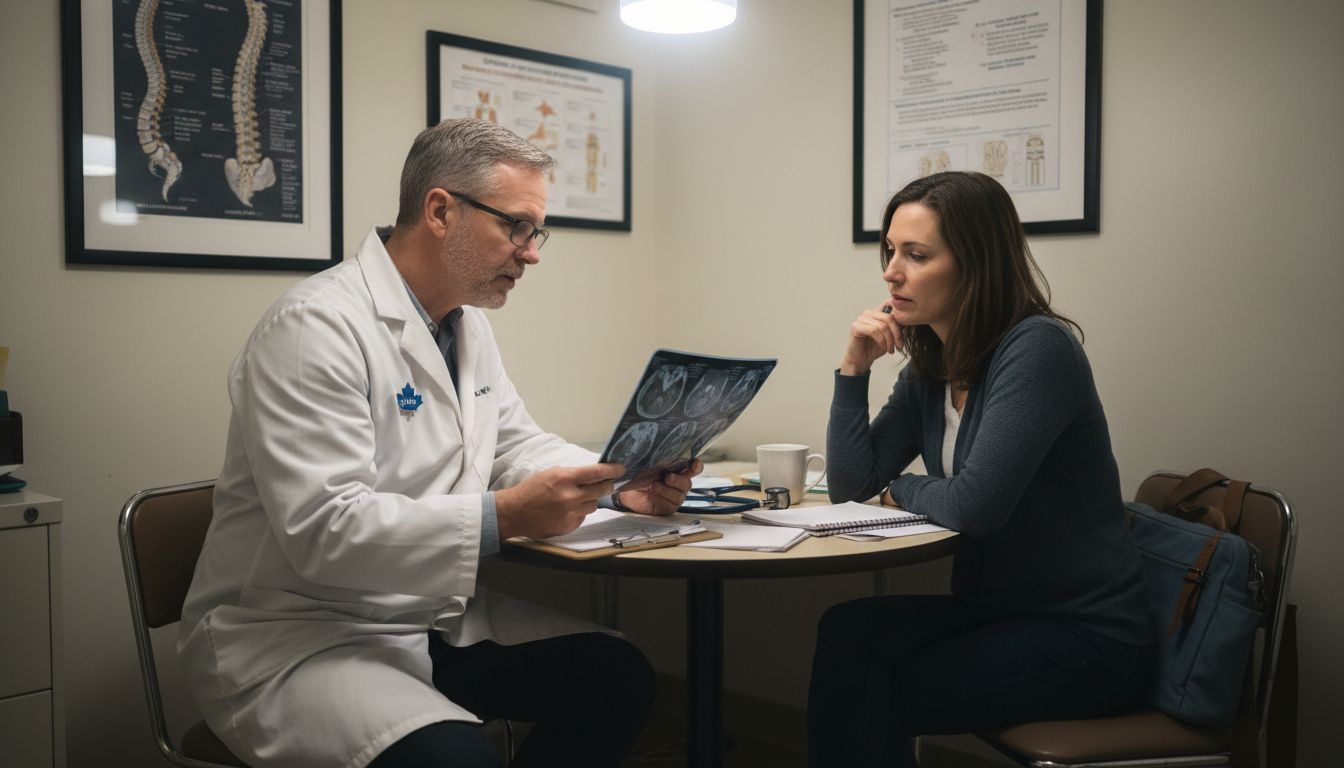
Seeking relief from chronic musculoskeletal pain in Ottawa often means facing tough decisions about which treatments and specialists can actually make a difference. Chronic pain is a major health concern, with nearly 8 million Canadians living with ongoing symptoms, and the role of pain specialists goes well beyond prescribing medication. This article highlights how Ottawa-based pain specialists draw on clinical expertise, advanced diagnostics, and teamwork to address your unique pain concerns and guide you toward better recovery options.
Table of Contents
Key Takeaways
Point | Details |
Comprehensive Pain Management | Pain specialists in Canada employ a multidisciplinary approach, integrating various treatment modalities tailored to individual needs. |
Patient Empowerment | Understanding treatment plans through education enhances active participation in recovery, leading to better outcomes. |
Collaborative Care | Pain specialists coordinate with other healthcare providers, ensuring comprehensive and cohesive treatment for patients. |
Rights and Advocacy | Patients have the right to informed consent, access medical records, and seek second opinions in their pain management journey. |
What Pain Specialists Do in Canada
Pain specialists in Canada operate within a unique healthcare framework designed to address one of the country’s most pressing health challenges. Nearly 8 million Canadians live with chronic pain, and pain specialists focus on prevention and management of this widespread condition. In Ottawa, pain specialists work as part of integrated teams to deliver comprehensive care that goes far beyond simply prescribing medication. They combine clinical expertise with evidence-based approaches to help you regain function and improve your quality of life, whether your pain stems from an injury, degenerative condition, or ongoing musculoskeletal issue.
Your pain specialist performs several critical functions within your care journey. They conduct thorough assessments using advanced diagnostic techniques to pinpoint the exact source of your pain, not just treat the symptoms you experience. This might involve reviewing imaging results, performing physical examinations, and asking detailed questions about how your pain affects daily activities like climbing stairs, sitting at your desk, or playing with family. Pain specialists then develop personalized treatment plans that may include interventional procedures such as joint injections, nerve blocks, or other targeted therapies designed to reduce inflammation and restore movement. They also coordinate with your physiotherapist, chiropractor, and other healthcare providers to ensure every aspect of your treatment works together effectively. This collaborative approach means you’re not jumping between isolated treatments, but instead receiving integrated care that addresses your complete musculoskeletal health picture.
Beyond direct clinical work, pain specialists in Canada contribute significantly to advancing how the healthcare system recognizes and treats pain as a serious health condition. They educate other healthcare professionals about current best practices, advocate for patients at the policy level, and participate in research that improves treatment outcomes. For someone in Ottawa dealing with persistent back pain, shoulder problems, or other musculoskeletal issues, this means your pain specialist stays current with the latest evidence and brings that knowledge directly into their treatment recommendations. They understand that chronic pain often involves complex interactions between physical structures, nerve function, and psychological factors, so they take time to explain what’s happening in your body and why specific treatments are recommended. This educational component empowers you to become an active participant in your own recovery rather than a passive recipient of care.
Pro tip: When you first meet your pain specialist, bring a detailed history of your pain including when it started, what makes it better or worse, any previous treatments you’ve tried, and how it affects your specific daily activities—this information helps them develop a targeted treatment plan rather than a generic approach.
Types of Pain Specialists and Their Training
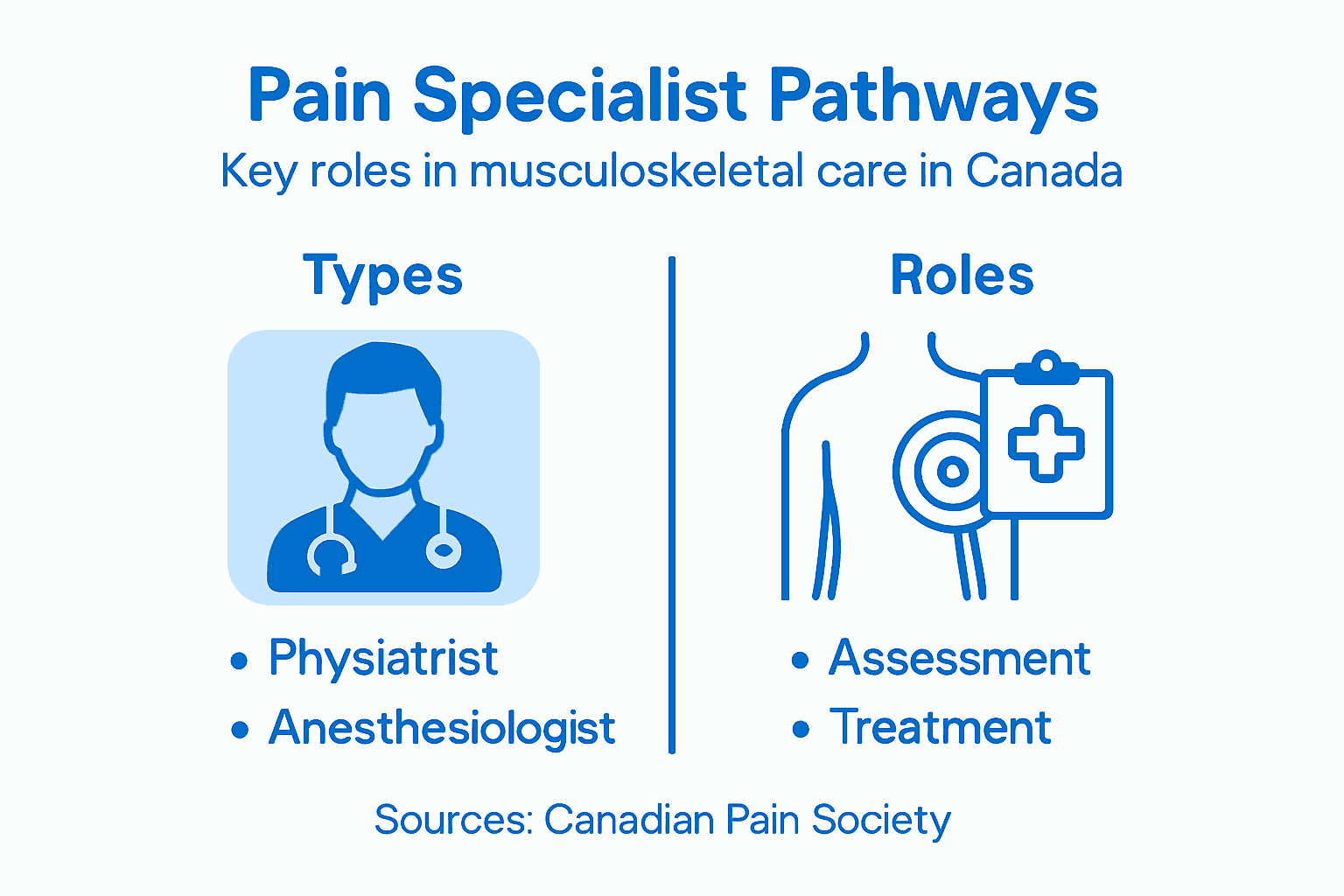
Pain specialists in Canada come from remarkably diverse professional backgrounds, which means the expertise available to you in Ottawa varies significantly depending on the specific type of practitioner you see. Pain specialists come from disciplines including medicine, psychology, pharmacy, and physiotherapy, each bringing unique perspectives to your care. An anesthesiologist specializing in pain management typically performs interventional procedures like epidural injections or nerve blocks to directly address pain sources. A pain psychologist focuses on how your thoughts, emotions, and behaviours interact with your physical pain, using techniques such as cognitive-behavioral therapy to help you manage chronic discomfort. A physiotherapist with pain specialization designs movement-based treatments to restore function and strength, while a clinical pharmacist ensures your medications work together effectively and manages side effects. This diversity means your care team can approach your musculoskeletal problem from multiple angles simultaneously.
The training pathways for pain specialists are just as varied as their backgrounds. Most begin with foundational professional education—medical school for physicians, doctoral programmes for psychologists, undergraduate degrees for physiotherapists—before pursuing specialized training in pain management. This specialized training typically involves fellowships lasting one to three years, advanced clinical education programmes, or extended certifications focused on the biopsychosocial model of pain. The biopsychosocial approach recognizes that your pain isn’t purely physical; it’s shaped by psychological factors like stress and anxiety, social circumstances like work demands, and biological processes like inflammation and nerve sensitivity. Pain specialists undergo rigorous training in this integrated framework, learning how these elements interact and influence treatment outcomes. They also commit to ongoing professional development, staying current with emerging research and treatment innovations. This means when you meet with your pain specialist in Ottawa, you’re working with someone who has invested years developing deep expertise in chronic pain management.
When choosing a pain specialist for your musculoskeletal concerns, understanding their specific training and credentials matters significantly. Some specialists have additional certifications from recognized organizations, advanced training in specific interventional techniques, or research backgrounds that inform their clinical practice. Your pain specialist may work closely with your physiotherapist and other healthcare providers to coordinate comprehensive care, ensuring pain management strategies support your physical rehabilitation rather than working against it. The collaborative nature of modern pain care in Canada means your specialist views themselves as part of your broader healthcare team rather than a siloed provider. Ask your potential pain specialist about their specific training, areas of expertise, and how they coordinate with other professionals in your care—this conversation helps ensure you’re working with someone whose approach aligns with your needs and values.
Pro tip: When scheduling your first appointment with a pain specialist, ask about their specific training credentials, whether they use a biopsychosocial approach, and how they communicate with your physiotherapist or other healthcare providers to ensure all your treatments work together effectively.
Here’s how different pain specialists in Canada compare in terms of background and main roles:
Type of Specialist | Education/Training Pathways | Core Role in Pain Care |
Anesthesiologist | Medical school, pain fellowship | Interventional procedures, diagnostics |
Pain Psychologist | Doctorate in psychology, pain training | Cognitive therapy, psychological support |
Physiotherapist (Pain Focus) | Undergrad/grad degree, pain training | Exercise therapy, restore function |
Clinical Pharmacist | Pharmacy degree, additional certification | Medication management, side-effect control |
Approaches Used in Chronic Pain Management
Effective chronic pain management in Canada relies on a multidisciplinary strategy that combines multiple treatment modalities working together toward your recovery. Multidisciplinary approaches include pharmacological treatments, physical therapies, and psychological strategies tailored to address your specific pain sources and circumstances. Rather than relying on a single treatment like medication alone, your pain specialist coordinates care that might include pain-relieving medications such as acetaminophen or NSAIDs to reduce inflammation, hands-on physical treatments to restore movement and strength, and cognitive-behavioral therapy to help you manage the emotional and psychological components of chronic pain. This integrated approach recognizes that your pain doesn’t exist in isolation—it’s shaped by physical damage or dysfunction, your mental and emotional state, and the social and occupational demands you face daily. In Ottawa, this might mean your pain specialist works alongside your physiotherapist to ensure exercises complement your medication adjustments, or coordinates with a psychologist to address anxiety that amplifies your pain perception.
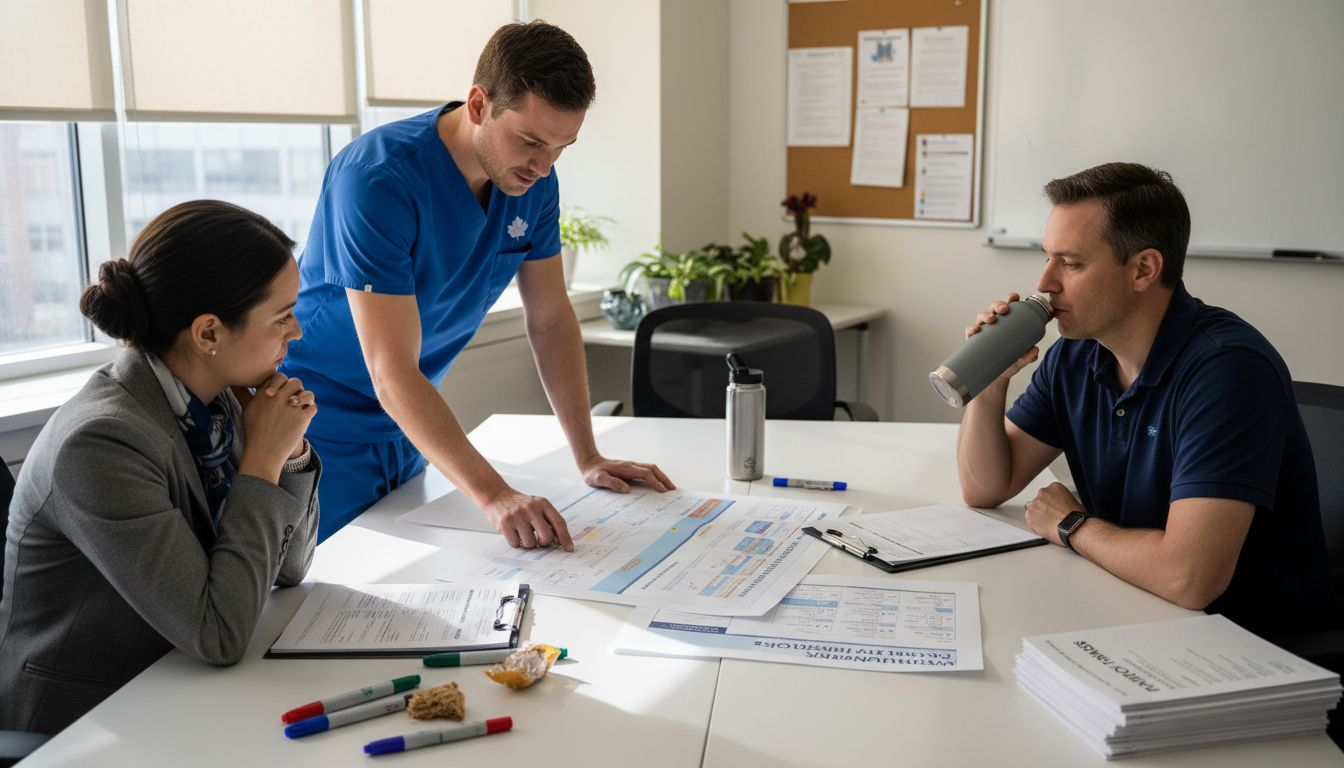
The evidence strongly supports individualized, multimodal treatment plans that balance effectiveness with safety. Your pain specialist doesn’t apply a one-size-fits-all approach; instead, they assess your unique situation to determine which combination of treatments will work best for you. Multimodal strategies improve outcomes through medication adjustments, physical treatments, psychological support, and patient education while addressing underlying mental health concerns or substance use issues that might complicate your recovery. This comprehensive assessment means your first consultation involves detailed questioning about your pain history, how it affects your work and family life, previous treatments you’ve tried, and your personal goals for recovery. Your pain specialist then develops a written care plan outlining which treatments you’ll pursue, realistic timelines for improvement, and how you’ll measure progress. This transparency helps you understand exactly what to expect and why specific approaches are recommended for your situation.
An often-overlooked but crucial component of chronic pain management is patient education and active participation in your own care. Your pain specialist spends time explaining what’s happening in your body, why certain movements might hurt, and how specific treatments address the root causes rather than just masking symptoms. They also emphasize lifestyle modifications like gradual activity increases, sleep improvement, and stress management techniques that support formal treatments. When you understand the “why” behind your treatment plan, you’re far more likely to follow through with exercises, take medications as prescribed, and make the behavioural changes that accelerate healing. This collaborative approach transforms you from a passive recipient of care into an active partner in your recovery journey, which research consistently shows improves outcomes significantly.
Pro tip: Ask your pain specialist to explain their proposed multimodal approach in writing, including specific treatments, expected timelines, and measurable goals so you can track progress and adjust strategies if needed.
Collaboration With Other Health Providers
Your journey toward pain relief in Ottawa works best when your pain specialist acts as a coordinator rather than an isolated practitioner. Pain specialists frequently collaborate with primary care physicians, physiotherapists, psychologists, pharmacists, and other healthcare providers to deliver comprehensive care that addresses every aspect of your musculoskeletal condition. This interdisciplinary approach means your pain specialist doesn’t simply prescribe medication and send you on your way. Instead, they communicate regularly with your family doctor about your progress, coordinate timing with your physiotherapist to ensure exercises complement pain-relieving treatments, and may refer you to a psychologist if anxiety or depression is amplifying your pain experience. Your pharmacist also plays a vital role, ensuring your medications don’t interact negatively and adjusting doses as your condition improves. This seamless coordination prevents you from receiving conflicting advice or redundant treatments, which unfortunately happens when healthcare providers work in silos.
The collaborative model also ensures timely referrals and prevents unnecessary delays in your care. When your pain specialist identifies that physical rehabilitation would accelerate your recovery, they don’t just suggest you find a physiotherapist—they refer you to a trusted provider and share detailed information about your specific diagnosis and treatment goals. Similarly, your family physician remains involved throughout your care journey, receiving updates on your progress and helping manage any medication adjustments or general health concerns that might affect your pain recovery. Effective chronic pain management involves collaboration between family doctors and pain specialists who offer specialized interventions and coordinated multidisciplinary support, ensuring you benefit from a continuum of care. This continuity means you’re not repeating your medical history with each new provider or undergoing duplicate diagnostic tests. Your care team has a shared understanding of your condition, your treatment history, and your specific goals.
In Ottawa, this collaborative approach is particularly valuable given the range of specialized services available through integrated healthcare clinics. When your pain specialist works within a system that includes physiotherapists, chiropractors, and massage therapists under one roof, coordination becomes even more seamless. Your morning appointment with the pain specialist might be followed by an afternoon physiotherapy session, with both providers communicating about your response to treatment and adjusting your plan accordingly. You’ll notice fewer scheduling conflicts, more consistent messaging about what you should and shouldn’t do, and faster adjustments when a particular treatment isn’t working as expected. This integrated care model fundamentally transforms your experience from managing multiple separate appointments to participating in a unified recovery process.
Pro tip: Ask your pain specialist at the first appointment how they communicate with your other providers and request copies of any referrals or progress notes they send, so you understand exactly what information is being shared and can fill in any gaps in your care coordination.
Navigating Referrals, Costs, and Patient Rights
Getting to a pain specialist in Canada starts with understanding how the referral system works. Referrals to pain specialists are typically made by family physicians or other healthcare providers, which means your first step is discussing your persistent pain with your family doctor. Your doctor will assess whether specialist care is appropriate for your situation and, if so, submit a referral to a pain specialist in Ottawa or your region. This referral includes details about your condition, previous treatments, and imaging results, which helps the specialist prepare before your first appointment. Rather than waiting passively for the referral to be processed, ask your family doctor about the typical wait time for pain specialists in your area and whether any clinics have shorter wait lists. Some pain specialists also accept direct referrals from other providers like physiotherapists or chiropractors, so if you’re already seeing one of these professionals, ask whether they can refer you directly.
Understanding costs is equally important, especially since coverage varies significantly. While many pain management services are covered under provincial health plans, the extent of coverage depends on the specific treatment and your province’s policies. In Ontario, consultations with pain specialists and many basic interventions are covered when referred through the public system, but you may face wait times ranging from several weeks to several months depending on urgency and specialist availability. Private clinics may offer faster access but charge out-of-pocket fees, which can range from several hundred dollars per consultation. Some interventional procedures like joint injections or nerve blocks may be partially covered under provincial plans but require you to pay a deductible or copayment. Extended physiotherapy, psychological counselling, or medications not covered by your provincial plan typically fall to you to pay. Before pursuing treatment, ask your pain specialist’s office about costs, what insurance might cover, and whether payment plans are available if you need multiple sessions or procedures.
You have important rights as a patient seeking pain care in Canada. Patients have the right to safe and effective pain management, including access to specialists, with advocacy focusing on reducing barriers and ensuring informed consent in pain care decisions. This means you have the right to understand your diagnosis and proposed treatment options, ask questions without feeling rushed, and refuse treatments you’re uncomfortable with. You also have the right to access your medical records, request copies of reports sent to other providers, and seek a second opinion if you’re uncertain about a treatment plan. If you experience barriers to accessing care—such as unmanageable wait times, discrimination, or inadequate pain management—you can file complaints with your provincial health ministry or contact patient advocacy organizations. In Ottawa, knowing these rights empowers you to advocate for yourself and ensure you receive respectful, timely, evidence-based care aligned with your values and preferences.
Pro tip: Before your first pain specialist appointment, bring a written summary of your pain history including onset date, previous treatments attempted, current medications, and your specific functional goals, which accelerates the assessment process and helps your specialist develop a targeted treatment plan quickly.
This table summarizes key aspects of the Canadian pain patient journey:
Step in Care Process | Typical Actions | Practical Consideration |
Obtaining Referral | Family doctor assesses need | Ask about wait times, clinic options |
Cost and Coverage | Provincial health plan review | Clarify out-of-pocket expenses |
Coordinated Care | Communication among providers | Ensure updates, avoid repetition |
Patient Rights | Informed consent, choice | Access records, seek second opinion |
Discover Comprehensive Musculoskeletal Care with Our Integrated Team
Living with persistent musculoskeletal pain can be overwhelming. The article highlights how pain specialists in Canada focus on the complex nature of chronic pain by combining diagnostics, targeted treatments, and patient education. However managing pain effectively requires more than a single approach. You need a coordinated, multidisciplinary team that works together to address every facet of your condition including physical function, medication management, and emotional well-being.
At Integrate Ottawa, we understand the importance of this collaborative approach. Our clinic offers specialized services such as physiotherapy, chiropractic care, massage therapy, and pain and injury medicine under one roof. We work closely with you to create personalized care plans that align with the biopsychosocial model discussed in the article to ensure you receive holistic, evidence-based treatment that empowers you to regain quality of life.
Are you ready to take control of your musculoskeletal pain with supportive expert care? Visit Integrate Ottawa now to learn more about how our team-based approach can help you move beyond pain and reclaim your daily activities. Book your appointment today and start your journey toward comprehensive recovery.
Frequently Asked Questions
What is the role of pain specialists in managing chronic pain?
Pain specialists assess and manage chronic pain through comprehensive evaluations, personalized treatment plans, and coordination of care with other healthcare providers. They focus on understanding the underlying causes of pain and employ a multidisciplinary approach for optimal recovery.
How do pain specialists diagnose the source of musculoskeletal pain?
Pain specialists use a combination of advanced diagnostic techniques, including imaging results, physical examinations, and detailed patient histories to accurately identify the source of musculoskeletal pain rather than just treating symptoms.
What types of treatments do pain specialists typically offer?
Pain specialists may offer a range of treatments, including interventional procedures like joint injections and nerve blocks, physical therapies, and psychological strategies such as cognitive-behavioral therapy, tailored to each patient’s specific needs.
How do pain specialists collaborate with other healthcare providers?
Pain specialists work closely with primary care physicians, physiotherapists, psychologists, and pharmacists to provide comprehensive care. This collaborative model ensures all aspects of a patient’s treatment plan are effectively coordinated, improving overall outcomes.
Recommended
Comments