

Prenatal Physiotherapy: Support for Pregnancy Pain Relief
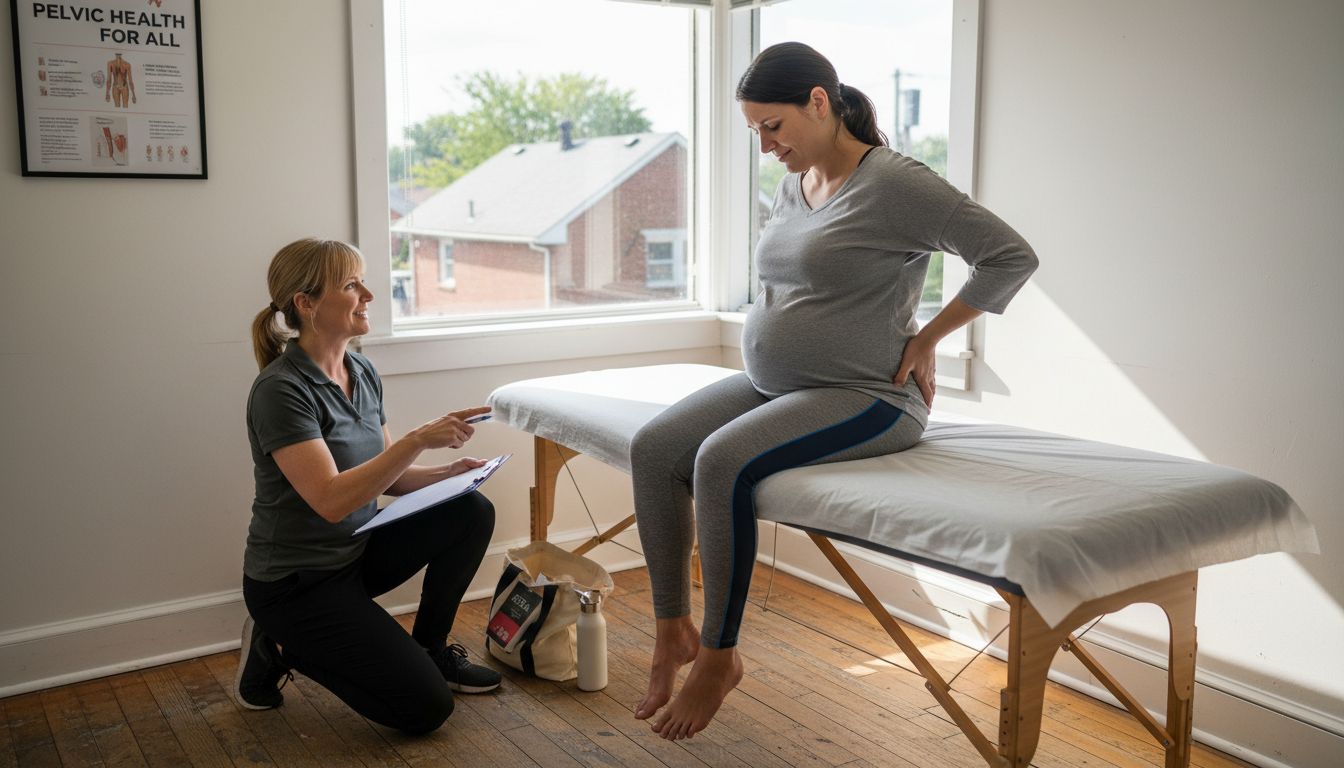
Over 60 percent of Canadian women experience aches, pains, or discomfort during pregnancy that can limit daily activities. These challenges often feel overwhelming, especially with so many physical and emotional changes happening at once. Prenatal physiotherapy offers a supportive way to manage these issues, helping Canadian expectant mothers maintain strength, manage discomfort, and prepare for a smoother recovery after childbirth.
Table of Contents
Key Takeaways
Point | Details |
Importance of Prenatal Physiotherapy | Specialised physiotherapy supports women through pregnancy by addressing unique physical changes and challenges. |
Common Conditions Addressed | Conditions like pelvic girdle pain, lower back pain, and urinary incontinence are effectively managed through tailored interventions. |
Holistic Approach | Physiotherapists combine various treatment techniques, including exercise programmes and manual therapy, to empower women during pregnancy and beyond. |
Long-Term Benefits | Prenatal physiotherapy contributes to improved birthing outcomes, faster postpartum recovery, and the prevention of long-term musculoskeletal issues. |
Defining Prenatal Physiotherapy and Its Purpose
Prenatal physiotherapy represents a specialized healthcare approach designed to support women through the transformative journey of pregnancy. This targeted form of physiotherapy focuses on addressing the unique physical changes and challenges that accompany pregnancy, helping women maintain their strength, mobility, and overall wellbeing during this significant life stage. Pelvic health physiotherapy plays a critical role in managing the complex musculoskeletal adaptations that occur throughout pregnancy.
At its core, prenatal physiotherapy aims to alleviate physical discomfort, prevent potential injuries, and prepare the body for the demands of childbirth. Physiotherapists specializing in prenatal care work closely with expectant mothers to develop personalized treatment plans that address specific musculoskeletal challenges. These professionals focus on key areas including pelvic floor health, postural alignment, muscle strength, and pain management.
The primary objectives of prenatal physiotherapy encompass several critical dimensions of maternal health. Physiotherapists help women manage conditions such as urinary incontinence, pelvic organ prolapse, and pelvic girdle pain that frequently emerge during pregnancy. By providing targeted interventions, these healthcare professionals assist women in understanding their changing bodies, developing appropriate exercise strategies, and mitigating potential long-term physical complications. The holistic approach of prenatal physiotherapy ensures that expectant mothers receive comprehensive support tailored to their unique physiological needs throughout their pregnancy journey.
Specifically, prenatal physiotherapy interventions may include:
Customized exercise programs designed for pregnant women
Manual therapy techniques to relieve musculoskeletal tension
Posture and alignment assessments
Breathing and relaxation techniques
Pelvic floor muscle training
Education about body mechanics during pregnancy
Common Pregnancy Conditions Treated With Physiotherapy
Pregnancy triggers significant physiological changes that can lead to various musculoskeletal challenges, making specialized physiotherapy an essential support system for expectant mothers. Physiotherapy interventions provide targeted strategies to address and manage these complex conditions, ensuring women receive comprehensive care throughout their pregnancy journey.
Research consistently demonstrates that prenatal physiotherapy effectively manages several common pregnancy-related conditions. Low back pain, pelvic girdle pain, and urinary incontinence are primary concerns that physiotherapists can help treat. Scientific studies have shown that targeted physiotherapy interventions can significantly reduce discomfort and prevent long-term complications. A systematic review highlighted that carefully designed physiotherapy approaches can effectively prevent and alleviate symptoms that frequently emerge during pregnancy.
The most prevalent pregnancy conditions treated through physiotherapy include:
Pelvic Girdle Pain: A debilitating condition causing discomfort in the pelvic region
Lower Back Pain: Often resulting from postural changes and increased physical strain
Urinary Incontinence: Weakened pelvic floor muscles leading to involuntary urine leakage
Pelvic Organ Prolapse: Potential displacement of pelvic organs due to increased abdominal pressure
Postural Misalignment: Resulting from weight distribution and hormonal changes
Symphysis Pubis Dysfunction: Causing pain in the pubic bone area
Physiotherapists employ a multifaceted approach to address these conditions, combining manual therapy techniques, customized exercise programs, and educational support. By developing personalized treatment plans, these healthcare professionals help expectant mothers navigate physical challenges, improve mobility, and prepare their bodies for the demands of childbirth. The goal extends beyond symptom management, focusing on empowering women to maintain optimal physical health throughout their pregnancy.
Treatment Techniques and How They Help
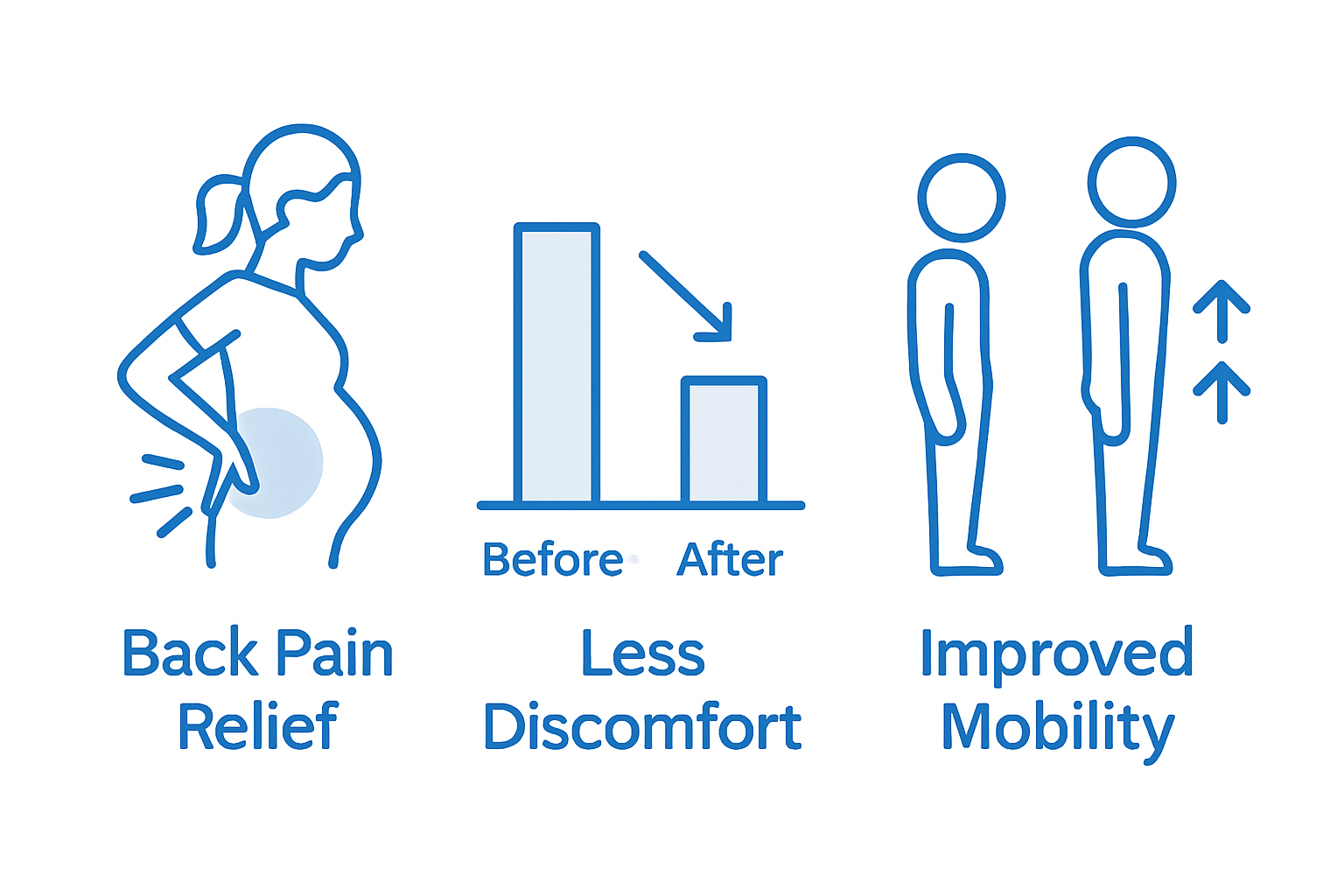
Prenatal physiotherapy encompasses a comprehensive range of specialized treatment techniques designed to address the unique physical challenges experienced during pregnancy. Pain relief strategies play a crucial role in helping expectant mothers manage musculoskeletal discomfort and maintain their physical well-being throughout this transformative period.
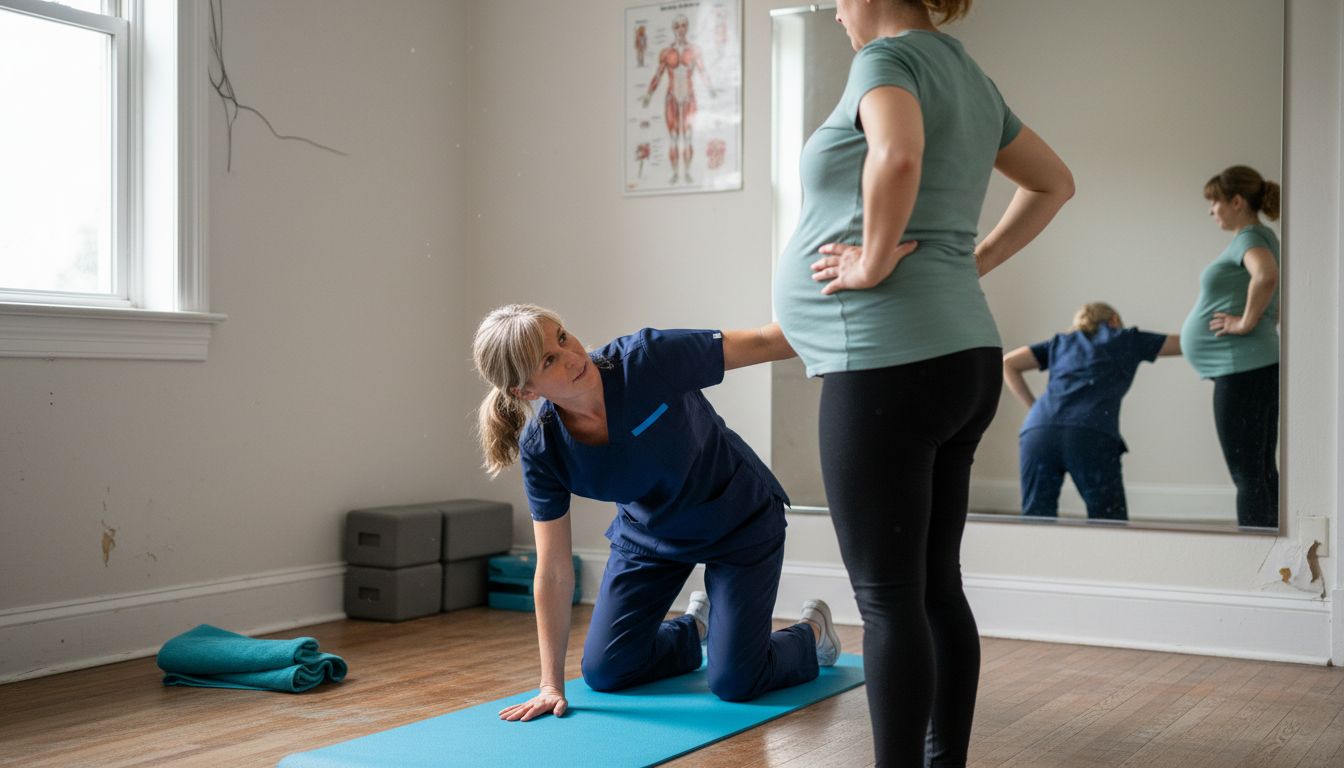
Pelvic floor muscle training stands as a cornerstone of prenatal physiotherapy interventions. These targeted exercises help strengthen the muscles supporting the bladder, uterus, and bowel, which are critical during pregnancy and childbirth. Research indicates that specific techniques like perineal massage and systematic pelvic floor exercises can effectively prevent and treat common pregnancy-related symptoms such as low back pain, pelvic girdle pain, and urinary incontinence.
The most important treatment techniques used in prenatal physiotherapy include:
Manual Therapy: Hands-on techniques to reduce muscle tension and improve joint mobility
Pelvic Floor Muscle Training: Strengthening exercises to support pelvic organs
Postural Assessment and Correction: Addressing alignment changes during pregnancy
Soft Tissue Manipulation: Reducing muscle tension and improving circulation
Breathing and Relaxation Techniques: Supporting stress management and preparation for labour
Customized Exercise Programmes: Tailored physical activities to maintain fitness and reduce pain
Physiotherapists employ a holistic approach, combining multiple treatment techniques to provide comprehensive support. By integrating manual therapy, targeted exercises, and educational guidance, these healthcare professionals help expectant mothers navigate physical challenges, improve mobility, and prepare their bodies for the demands of childbirth. The ultimate goal extends beyond symptom management, focusing on empowering women to maintain optimal physical health and confidence throughout their pregnancy journey.
Benefits for Birthing, Recovery, and Long-Term Health
Prenatal physiotherapy offers comprehensive benefits that extend far beyond pregnancy, supporting women through birthing, immediate recovery, and long-term musculoskeletal health. Postural health strategies play a critical role in helping women navigate the complex physical transformations associated with pregnancy and childbirth.
Research demonstrates that targeted physiotherapy interventions significantly contribute to improved birthing outcomes and postpartum recovery. Pelvic floor rehabilitation and specialized exercise programmes help prevent common pregnancy-related conditions such as low back pain, pelvic girdle pain, and urinary incontinence. These interventions not only address immediate physical challenges but also establish a foundation for long-term musculoskeletal wellness.
Key benefits of prenatal physiotherapy include:
Enhanced Birthing Preparedness: Improved muscle strength and flexibility
Reduced Childbirth Complications: Better pelvic floor muscle control
Faster Postpartum Recovery: Targeted rehabilitation techniques
Prevention of Long-Term Musculoskeletal Issues: Addressing structural changes
Pain Management: Strategies to mitigate pregnancy-related discomfort
Psychological Support: Increased confidence in physical capabilities
Physiotherapists provide a holistic approach that empowers women to understand and support their bodies through pregnancy and beyond. By offering personalized interventions that address physical, biomechanical, and emotional aspects of maternal health, prenatal physiotherapy becomes an essential component of comprehensive healthcare. The goal extends beyond immediate symptom management, focusing on building resilience, preventing future complications, and supporting women’s overall well-being throughout their reproductive journey.
Finding Prenatal Physiotherapy in Ottawa Clinics
Navigating the landscape of prenatal physiotherapy in Ottawa requires careful consideration of specialized healthcare providers who understand the unique needs of expectant mothers. Selecting the right physiotherapist is crucial for ensuring comprehensive and supportive care throughout pregnancy and postpartum recovery.
When searching for prenatal physiotherapy services in Ottawa, expectant mothers should prioritize clinics with specialized pelvic health physiotherapists who have extensive experience in maternal care. Key factors to consider include the physiotherapist’s credentials, additional training in prenatal care, and a holistic approach to treatment. Integrated healthcare clinics that offer multidisciplinary support can provide more comprehensive care, addressing not just physical symptoms but also the broader aspects of maternal health.
Important considerations when choosing a prenatal physiotherapy clinic include:
Specialization in Maternal Health: Clinicians with dedicated prenatal training
Comprehensive Assessment Services: Thorough initial consultations
Individualized Treatment Plans: Personalized care approaches
Flexible Appointment Options: Accommodating prenatal schedules
Integrated Healthcare Approach: Multiple specialist support
Patient-Centred Care Philosophy: Empathetic and supportive environment
Integrate Ottawa stands out as a premier healthcare provider offering specialized prenatal physiotherapy services. Their team of experienced physiotherapists understands the complex physical changes during pregnancy, providing tailored interventions that support women’s health from conception through postpartum recovery. By combining expert knowledge, compassionate care, and a comprehensive approach, they help expectant mothers navigate the physical challenges of pregnancy with confidence and support.
Find Lasting Comfort Through Prenatal Physiotherapy at Integrate Ottawa
Pregnancy brings many physical challenges including pelvic girdle pain, urinary incontinence, and lower back discomfort. These common but distressing conditions can make daily life difficult and cause worry about birthing and recovery. If you want effective relief tailored to your unique needs, prenatal physiotherapy offers targeted pelvic floor muscle training, posture correction, and pain management strategies to support strength and comfort throughout your pregnancy journey.
At Integrate Ottawa, our experienced physiotherapists specialise in maternal health and provide comprehensive care designed to ease pregnancy pain and prepare your body for childbirth. We understand the emotional and physical toll pregnancy can take and focus on empowering you with personalised treatment plans and expert guidance. Let us help you reclaim your mobility and confidence with the latest evidence-supported approaches in prenatal physiotherapy.
Don’t wait until discomfort overwhelms your pregnancy experience. Book a consultation today at Integrate Ottawa and take the first step toward pain relief, improved function, and long-term wellbeing. Discover how our team’s compassionate, patient-centred care can make a difference for you and your baby.
Frequently Asked Questions
What is prenatal physiotherapy?
Prenatal physiotherapy is a specialized healthcare approach designed to support women during pregnancy by addressing physical changes and challenges, alleviating discomfort, preventing injuries, and preparing the body for childbirth.
What conditions can prenatal physiotherapy help manage during pregnancy?
Prenatal physiotherapy can help manage various conditions, including low back pain, pelvic girdle pain, urinary incontinence, pelvic organ prolapse, posture misalignment, and symphysis pubis dysfunction.
What treatment techniques are used in prenatal physiotherapy?
Common techniques include manual therapy, pelvic floor muscle training, postural assessment and correction, soft tissue manipulation, breathing and relaxation techniques, and customized exercise programs tailored for pregnant women.
How can prenatal physiotherapy benefit postpartum recovery?
Prenatal physiotherapy can enhance postpartum recovery by providing targeted rehabilitation techniques, improving pelvic floor muscle control, reducing long-term musculoskeletal issues, and offering psychological support to increase confidence in physical capabilities.
Recommended
Comments