

How to Use Massage Therapy for Back Pain Naturally
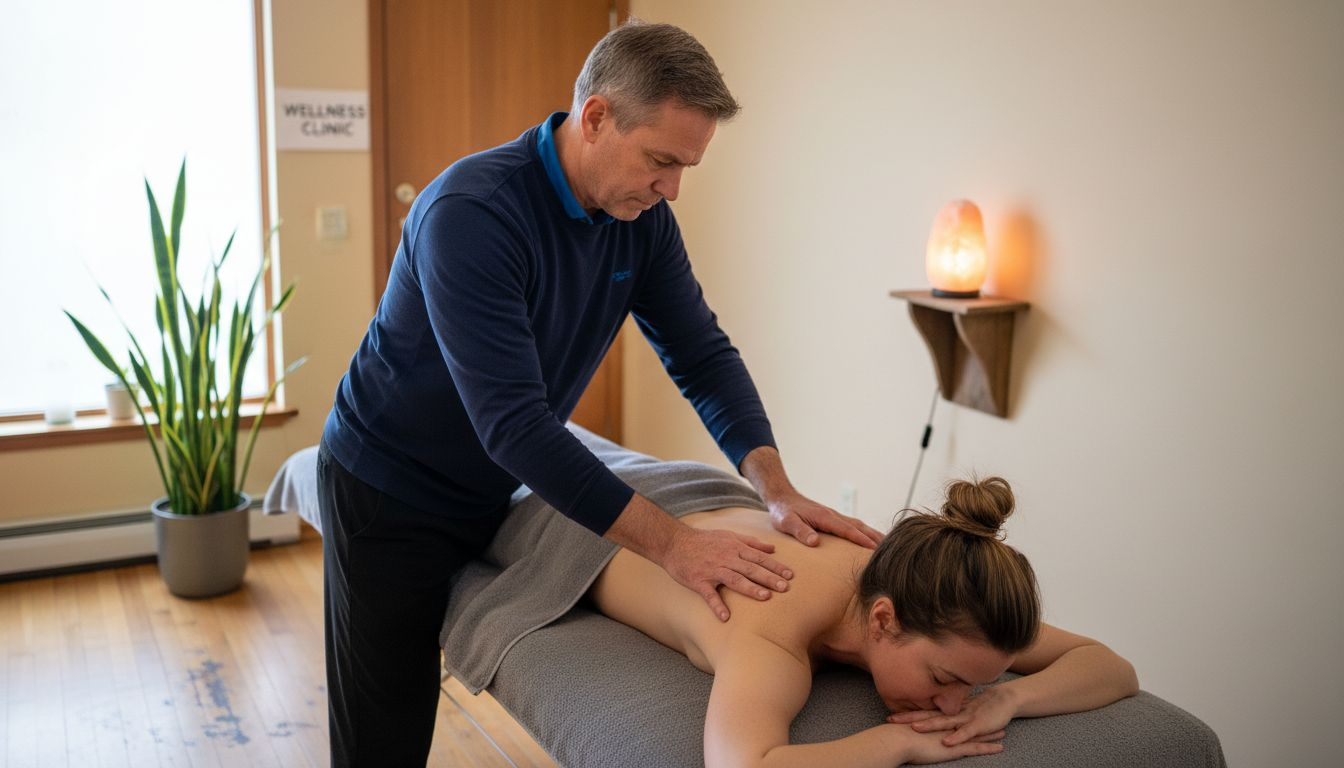
Most Canadian adults will experience back pain at some point, and nearly four million report chronic discomfort each year. Whether your pain is sudden or has lingered for months, finding the right approach truly matters for lasting relief. With so many options for massage therapy available, understanding each step makes all the difference in choosing care that works. This guide shows how strategic assessment and planning can transform your back pain management journey.
Table of Contents
Quick Summary
Key Insight | Explanation |
1. Assess Your Back Pain | Conduct a thorough inventory of pain details to guide therapy decisions. |
2. Choose a Qualified Therapist | Verify credentials to ensure professional expertise in back pain management. |
3. Select Appropriate Techniques | Discuss and choose massage methods tailored to your specific pain and needs. |
4. Prepare for Sessions | Gather health documentation and arrive early to optimize your therapy experience. |
5. Track Progress Regularly | Document pain levels and mobility changes to adapt your treatment plan effectively. |
Step 1: Assess Your Back Pain and Personal Needs
Massage therapy requires a strategic approach to understanding your unique back pain situation. Comprehensive patient assessments are crucial for creating an effective treatment plan, which means taking time to evaluate your specific condition thoroughly.
Start by conducting a detailed personal inventory of your back pain. Document key details like pain location, intensity, duration, and any movements or activities that trigger or worsen your discomfort. Consider the nature of your pain whether it feels sharp, dull, constant, or intermittent. Identify any patterns such as pain increasing after sitting for long periods or during specific physical activities. Tracking these nuances helps massage therapists develop a targeted treatment strategy tailored precisely to your body’s needs.
Next, review your overall health history. Past injuries, chronic conditions, work environment, and physical activity levels all influence back pain. Verifying the credentials of your massage therapist through professional registers ensures you receive care from a qualified professional who can accurately interpret your assessment.
Pro tip: Photograph or video record your pain areas and movements before your first massage therapy appointment. Visual documentation provides your therapist with additional insights into your body mechanics and pain patterns.
Step 2: Consult a Registered Massage Therapist
Selecting the right massage therapist is a critical step in managing your back pain effectively. Verifying professional credentials through official public registers ensures you receive care from qualified practitioners who adhere to established healthcare standards.
Begin your consultation by preparing a comprehensive health overview. Bring detailed documentation about your back pain history including past injuries, current symptoms, medical diagnoses, and any previous treatments. During your initial meeting, expect a thorough assessment where the registered massage therapist will discuss your pain patterns, conduct physical examinations, and evaluate your range of motion. These professionals are trained to understand complex musculoskeletal conditions and will develop a personalised treatment strategy tailored to your specific needs.

During the consultation, ask specific questions about the therapist’s experience treating similar back pain conditions. Discuss potential treatment approaches, expected outcomes, and recommended frequency of sessions. Understanding the legal requirements for massage therapy professionals helps you make an informed decision about your healthcare provider.
Pro tip: Request references or patient testimonials focusing on back pain treatments to gain additional confidence in your chosen massage therapist’s expertise.
Step 3: Select the Appropriate Massage Techniques
Choosing the right massage techniques is crucial for effectively addressing your specific back pain condition. Clinical treatment plans must be designed based on comprehensive patient assessments and individual needs, ensuring a targeted approach to your pain management.
Different massage techniques offer unique benefits for back pain relief. Deep tissue massage can help release chronic muscle tension and break down scar tissue, while Swedish massage promotes overall relaxation and improves circulation. Trigger point therapy targets specific areas of muscle tension, and myofascial release techniques work to reduce pain by releasing restrictions in the connective tissues. Your registered massage therapist will recommend techniques based on a thorough evaluation of your pain patterns, muscle condition, and overall health history.
Here is a summary of common massage techniques for back pain and their primary benefits:
Technique | Main Purpose | Typical Benefit |
Deep Tissue Massage | Releases deep muscle tension | Reduces chronic tightness |
Swedish Massage | Enhances relaxation and circulation | Promotes stress relief |
Trigger Point Therapy | Targets specific tense areas | Eases referred discomfort |
Myofascial Release | Loosens connective tissue stiffness | Improves mobility and ease |
Obtaining informed consent involves discussing the specific treatment approaches, expected outcomes, and potential risks to ensure you feel comfortable and confident in the selected massage techniques. This collaborative approach allows you to actively participate in your pain management strategy and understand the rationale behind each technique.
Pro tip: Ask your massage therapist to demonstrate or explain the specific techniques they plan to use, helping you feel more at ease and understand how each method targets your unique back pain condition.
Step 4: Prepare for Your Massage Therapy Session
Preparing effectively for your massage therapy session can significantly enhance your treatment outcomes and overall experience. Verifying your massage therapist’s credentials through the official public register ensures you are receiving professional care from a qualified practitioner.
Begin by gathering comprehensive health documentation. Compile a detailed medical history including past injuries, current medications, recent surgeries, and any specific areas of chronic pain or discomfort. Wear comfortable loose clothing that can be easily adjusted during the massage session. Hydrate well before your appointment and avoid heavy meals at least two hours prior. Consider bringing any relevant medical imaging reports or specialist recommendations that could provide additional context about your back pain condition.
Understanding insurance coverage and potential referral requirements helps you prepare financially and administratively for your massage therapy session. Contact your insurance provider to confirm coverage details and determine if a physician referral is necessary for reimbursement. Arrive approximately 10 to 15 minutes early to complete any required intake forms and discuss your treatment goals with your registered massage therapist.
Pro tip: Take photographs or videos of your pain areas before the session to help your massage therapist understand your specific movement restrictions and discomfort patterns.
Step 5: Monitor Progress and Adjust Your Care Plan
Designing and implementing an effective management plan requires ongoing clinical assessment and systematic evaluation to ensure your back pain treatment continues to meet your specific health needs. Tracking your progress systematically allows you and your massage therapist to make informed decisions about your treatment strategy.
Establish a consistent method for documenting your pain levels, mobility improvements, and overall physical responses after each massage therapy session. Keep a detailed journal noting the intensity of your back pain before and after treatments, changes in range of motion, and any reduction in muscle tension or discomfort. Pay close attention to how your body responds to different massage techniques and communicate these observations openly with your registered massage therapist.
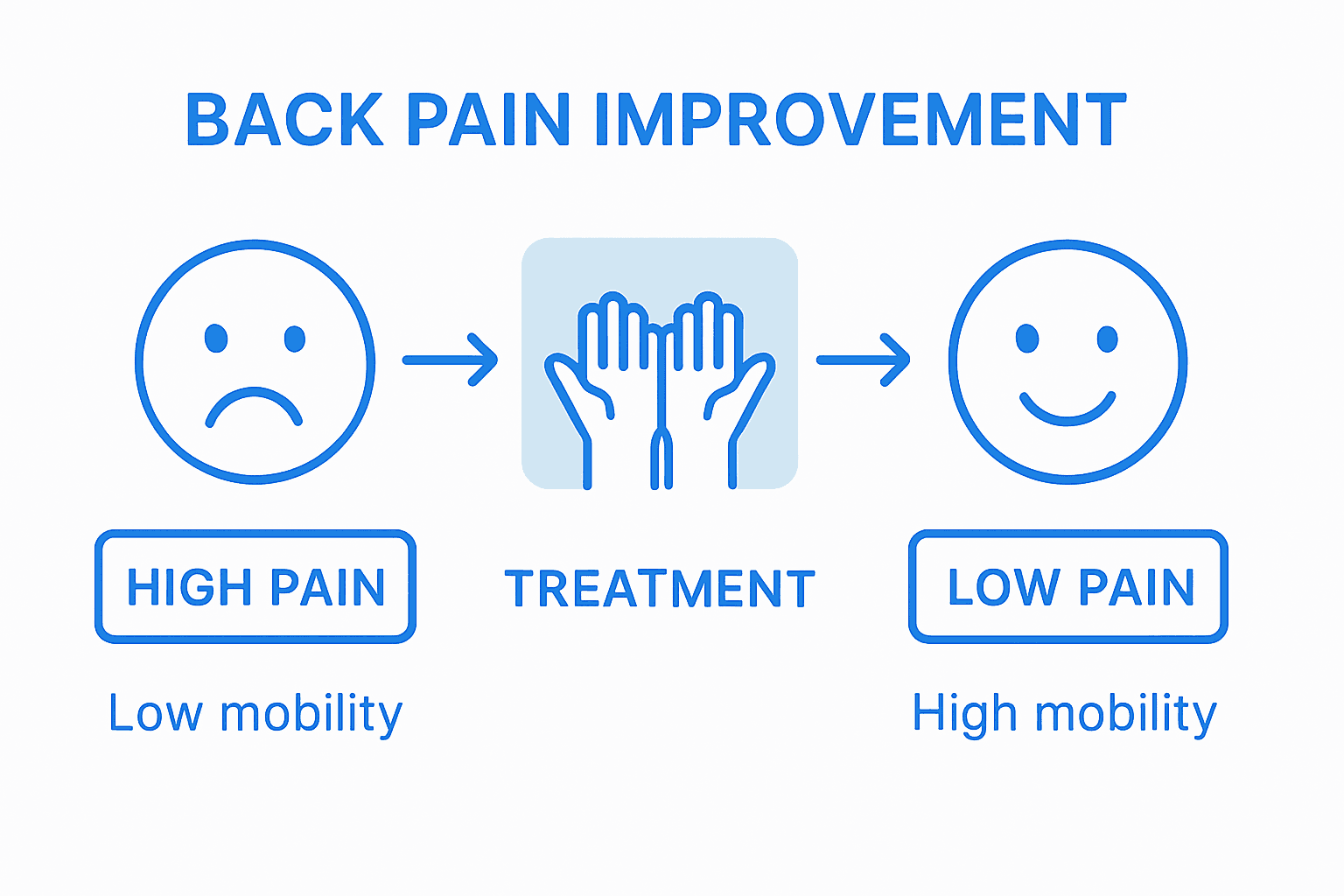
Use this quick comparison to track your progress throughout therapy:
Progress Indicator | Before Treatment | After Several Sessions |
Pain Intensity | Frequent, moderate to severe | Decreased, occasional twinges |
Range of Motion | Limited and stiff | Noticeably improved |
Muscle Tension | Persistent tightness | Reduced tightness |
Daily Function | Activities impaired | Resumed usual activities |
Maintaining ongoing communication with your healthcare provider is crucial for adapting your treatment plan to your evolving health requirements. Schedule regular check-in sessions to review your progress, discuss any new symptoms or changes in your condition, and collaboratively adjust your massage therapy approach. Be prepared to discuss alternative techniques or complementary treatments if your current strategy is not producing the desired pain relief and mobility improvements.
Pro tip: Take photographs of your posture and range of motion at regular intervals to create a visual record of your physical improvements, which can provide motivational evidence of your healing progress.
Discover Effective Back Pain Relief Through Expert Massage Therapy
If you are struggling with persistent back pain, understanding how to use massage therapy naturally can be a game changer. The article highlights the importance of comprehensive assessments, choosing the right massage techniques, and ongoing progress monitoring. At Integrate Ottawa, we specialize in musculoskeletal health and offer a collaborative, evidence-based approach tailored to your needs. Our registered massage therapists work closely with physiotherapists and chiropractors to create a personalised plan addressing your unique pain patterns and functional goals.
Take proactive steps to regain mobility and reduce discomfort today. Explore our full range of services and book an appointment with experienced healthcare professionals committed to your recovery and wellbeing. Visit Integrate Ottawa to learn more about how our team-based care can support your journey to natural back pain relief.
Frequently Asked Questions
How can I assess my back pain before starting massage therapy?
To assess your back pain effectively, make a detailed inventory of your pain, including its location, intensity, and any triggers. Document these patterns and discuss them with your massage therapist to create a tailored treatment plan that meets your unique needs.
What should I prepare for my initial consultation with a massage therapist?
Before your first appointment, gather your medical history, including past injuries and current medications. Share this information with your registered massage therapist to help them develop an effective strategy for addressing your back pain.
What types of massage techniques are most effective for back pain?
Common techniques for back pain include deep tissue massage, Swedish massage, trigger point therapy, and myofascial release. Discuss these options with your therapist, who can recommend specific methods based on your back pain assessment.
How can I monitor my progress during massage therapy sessions?
To monitor your progress, keep a journal of your pain levels, mobility improvements, and any changes in muscle tension after each session. This ongoing documentation will help you and your therapist make informed adjustments to your treatment plan as needed.
What should I do if my back pain does not improve with massage therapy?
If your back pain does not improve, communicate openly with your therapist about your symptoms and consider exploring alternative techniques or complementary treatments. Regular check-ins can help adapt your care plan for better results.
How often should I schedule massage therapy sessions for back pain relief?
The frequency of sessions depends on your individual condition and response to treatment. Start with weekly sessions and reassess your pain levels and mobility after a few weeks to determine if adjustments are necessary.
Recommended
Comments