

Exercise Therapy Guide for Safe Recovery and Pain Relief
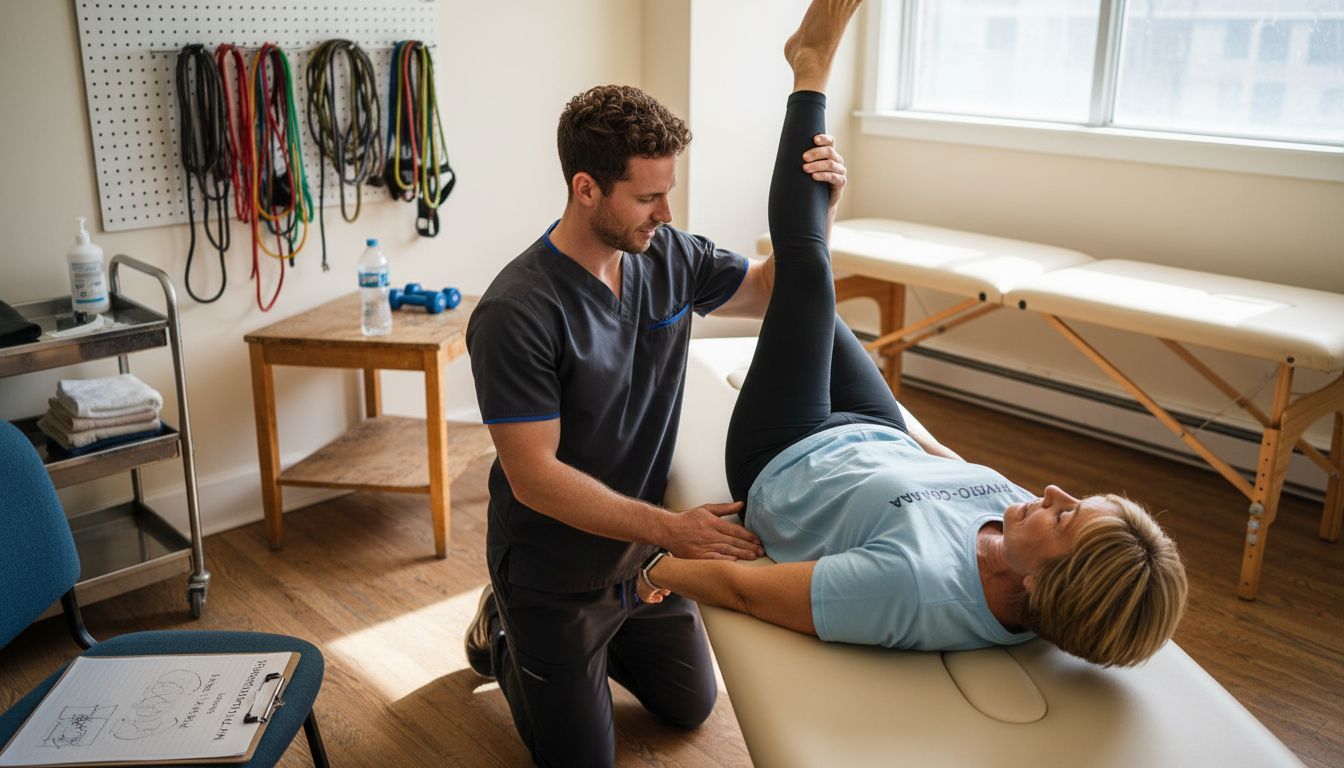
Living with ongoing pain in your muscles or joints can make even simple activities in Ottawa feel challenging. Taking the right steps toward recovery starts with a proper assessment and structured support. Backed by trusted resources like the Canadian Society for Exercise Physiology, a comprehensive exercise therapy approach sets the stage for safe healing and long-term improvement. Discover how evidence-based exercise, focused goal setting, and thoughtful monitoring can help you move with more confidence and less discomfort.
Table of Contents
Quick Summary
Key Point | Explanation |
1. Assess Your Condition Early | A qualified professional assessment identifies challenges and creates a tailored exercise strategy for your needs. |
2. Set Realistic Recovery Goals | Establish clear and measurable goals to maintain motivation and track improvements during rehabilitation. |
3. Develop a Personalized Plan | Collaborate with your healthcare provider to create a structured exercise plan that progresses with your recovery. |
4. Practice Proper Technique | Focus on mastering exercise techniques to enhance recovery benefits and prevent injuries during your rehabilitation. |
5. Monitor and Adjust Regularly | Continuously track your progress and symptoms to ensure your therapy is effective and responsive to your condition. |
Step 1: Assess your condition with a qualified professional
Assessing your current physical condition is the critical first step toward safe and effective exercise therapy. A professional evaluation helps identify specific challenges, risks, and opportunities for targeted rehabilitation and pain relief.
The Canadian Society for Exercise Physiology recommends a comprehensive pre screening process that involves a thorough professional assessment. Your healthcare professional will conduct a detailed examination that typically includes reviewing your medical history, performing physical tests, and understanding your specific pain patterns and movement limitations. This assessment helps create a personalised exercise strategy tailored precisely to your body’s needs and recovery potential.
During your initial consultation, expect a series of diagnostic tests and conversations designed to map out your current physical condition. The professional will assess range of motion, muscle strength, flexibility, and potential underlying conditions that might impact your recovery. Exercise professionals use standardised screening tools to determine your readiness for specific therapeutic interventions, ensuring your safety throughout the rehabilitation process.
Pro Tip: Bring a comprehensive list of your current symptoms, past injuries, and any medications to your first assessment for the most accurate evaluation.
Step 2: Set realistic goals for recovery and prevention
Setting realistic and achievable goals is fundamental to successful exercise therapy and long-term musculoskeletal health. Your recovery journey requires a strategic approach that balances ambition with practical expectations.
Goal setting and action planning are critical components of sustainable rehabilitation. Start by working with your healthcare professional to establish clear measurable objectives that align with your current physical capabilities. The Government of Canada recommends creating progressive goals that maintain motivation and support long-term adherence. This might involve breaking down your overall recovery into smaller achievable milestones that track improvements in mobility, strength, and pain reduction.
Consider developing goals across multiple dimensions. Physical goals could include increasing range of motion, reducing pain intensity, or rebuilding muscle strength. Functional goals might focus on returning to specific activities like walking without discomfort or performing daily tasks more easily. Psychological goals are equally important and could involve building confidence, reducing anxiety about movement, and developing a positive mindset towards rehabilitation.
Here’s a summary of goal types to consider when planning your recovery:
Goal Type | Example Objective | Impact on Recovery |
Physical | Increase joint mobility | Improves movement and reduces pain |
Functional | Walk without discomfort | Restores daily activity skills |
Psychological | Reduce movement-related anxiety | Boosts confidence and motivation |
Pro Tip: Document your progress in a recovery journal to visualise improvements and maintain motivation during challenging rehabilitation phases.
Step 3: Develop a tailored exercise therapy plan
Developing a personalised exercise therapy plan is a critical step in your recovery journey that requires collaboration between you and your healthcare professional. The goal is to create a strategic roadmap that addresses your unique physiological needs and rehabilitation objectives.
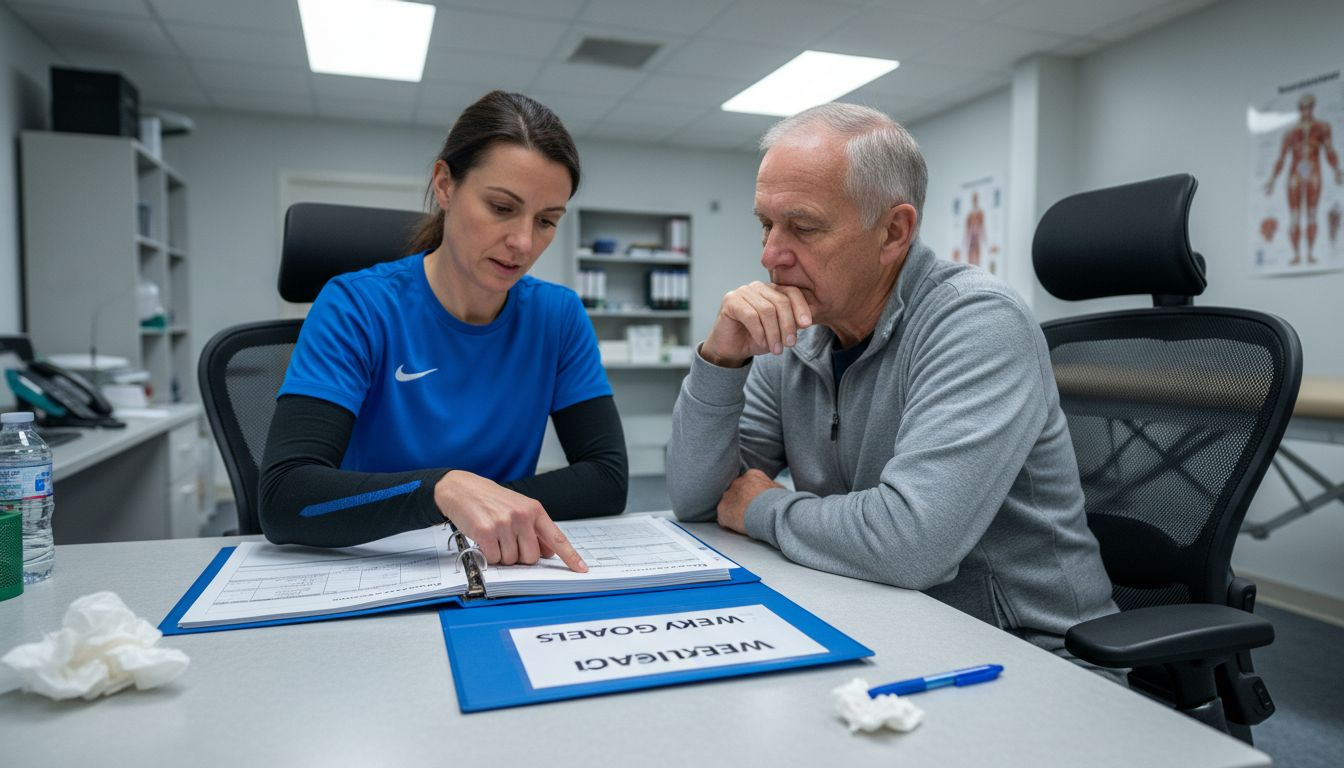
Therapeutic exercise prescription involves a structured approach that considers your specific injury stage, physical capabilities, and recovery goals. This process requires carefully sequenced rehabilitation phases that progressively challenge your body while respecting its healing mechanisms. The American Heart Association recommends integrating multiple exercise types including aerobic activities, strength training, and targeted stretching to support comprehensive recovery.
Your tailored plan will likely evolve through different stages. Initially, the focus might be on gentle range of motion exercises and pain management. As you progress, your healthcare professional will gradually introduce more challenging movements designed to rebuild strength, improve flexibility, and restore functional movement patterns. This dynamic approach ensures that your exercise therapy remains responsive to your changing physical condition and recovery milestones.
Pro Tip: Maintain open communication with your healthcare team and provide honest feedback about your pain levels and exercise tolerance to enable continuous plan refinement.
Step 4: Perform prescribed exercises with proper technique
Mastering the correct technique for prescribed exercises is essential to maximise recovery benefits and prevent potential injury during your rehabilitation journey. Your approach to each movement will directly impact your healing process and overall musculoskeletal health.
Canadian public health guidance emphasises careful attention to exercise technique, particularly for muscle-strengthening activities. Start by working closely with your healthcare professional to understand the precise movement patterns required for each prescribed exercise. This involves learning the correct starting position, maintaining proper body alignment, controlling your breathing, and executing movements with deliberate and controlled motions.
Focus on quality over quantity during your exercise therapy. Mayo Clinic recommends gradual progression and mindful movement that prioritises correct form. This means moving slowly and intentionally, avoiding rushed or jerky movements, and paying close attention to your body’s signals. Your healthcare professional can provide real-time feedback, helping you refine your technique and ensure you are engaging the correct muscle groups while minimising strain.
Pro Tip: Use a mirror or video recording to observe and analyse your exercise technique, helping you maintain proper form between professional guidance sessions.
Step 5: Monitor progress and adjust therapy as needed
Tracking and evaluating your recovery progress is a critical component of successful exercise therapy, enabling you to make informed decisions about your rehabilitation journey. Understanding how your body responds to prescribed treatments allows for precise and personalised adjustments.
Canadian physical activity guidelines recommend systematic monitoring of health improvements and exercise engagement. This involves regularly documenting your symptoms, tracking mobility improvements, and assessing pain levels. Pay attention to subtle changes in your body performance such as increased range of motion, reduced discomfort, or improvements in daily functional activities.
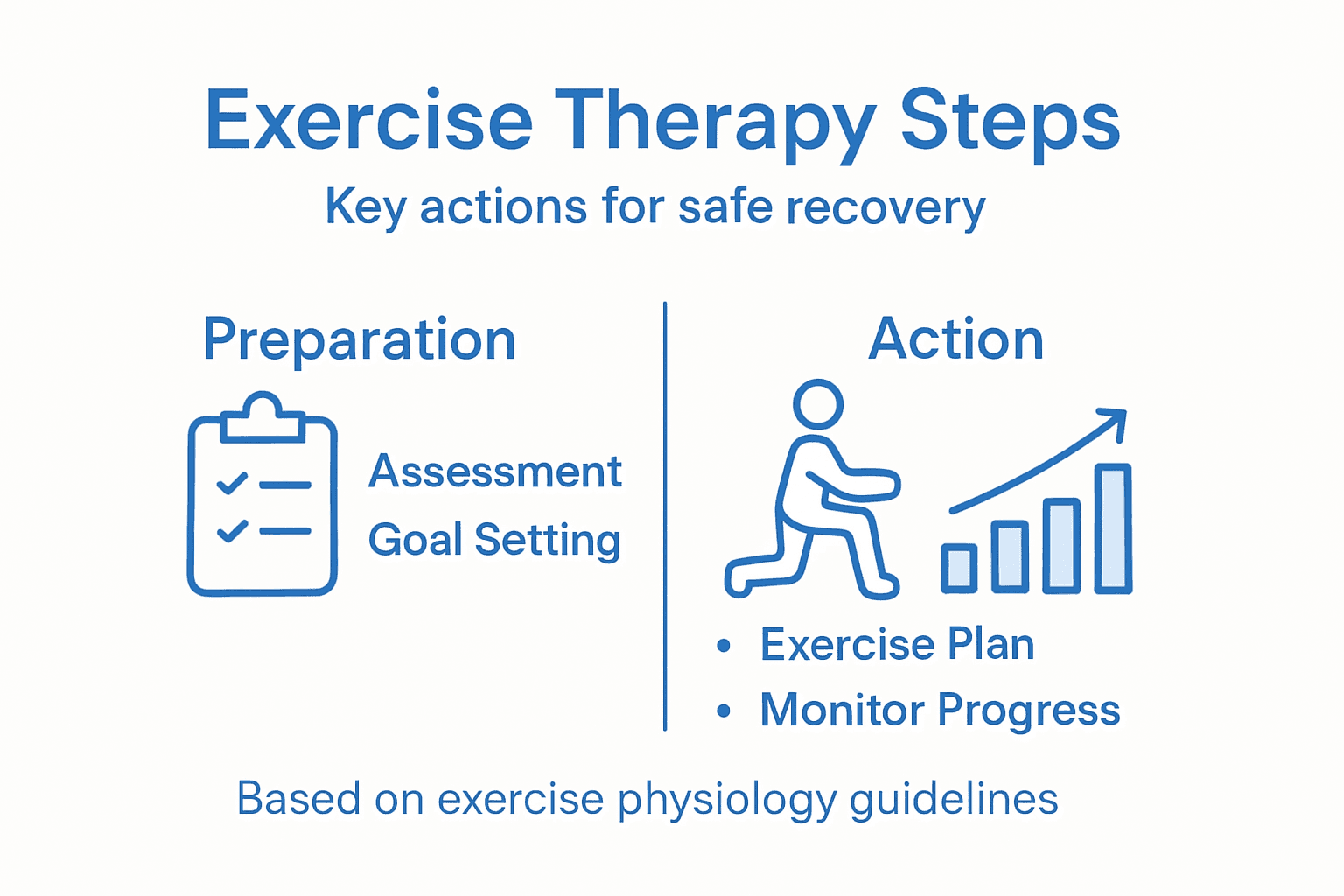
The Canadian Society for Exercise Physiology emphasises continuous readiness assessment throughout rehabilitation. Your healthcare professional will help you interpret these markers, determining whether to intensify, modify, or maintain your current exercise therapy plan. This dynamic approach ensures that your rehabilitation strategy remains responsive to your evolving physical condition, preventing potential setbacks and optimising recovery outcomes.
To help you track progress, consider these key monitoring methods:
Monitoring Method | What It Tracks | Why It Matters |
Symptom Journaling | Pain and mobility changes | Identifies trends and setbacks |
Functional Assessment | Ability to perform activities | Measures practical recovery |
Periodic Professional Review | Physical and emotional status | Ensures your plan adapts appropriately |
Pro Tip: Maintain a detailed recovery journal documenting daily symptoms, exercise performance, and emotional well-being to provide comprehensive insights during professional consultations.
Step 6: Validate results and plan for maintenance
Validating your exercise therapy results represents the final milestone in your comprehensive rehabilitation journey. This critical phase transforms your targeted recovery efforts into sustainable long-term musculoskeletal health strategies.
Canadian Society for Exercise Physiology guidelines emphasise systematic screening to ensure ongoing safety and effectiveness of your exercise program. Work closely with your healthcare professional to comprehensively assess your rehabilitation outcomes, comparing initial assessments with current physical capabilities. This validation process involves detailed evaluations of strength, mobility, pain reduction, and functional movement patterns.
Developing a maintenance strategy requires a thoughtful approach that builds upon your rehabilitation progress. Exercise guidelines recommend sustained aerobic and strength training at specific frequencies and intensities tailored to your individual health profile. Your maintenance plan should include gradual progression strategies, periodic professional assessments, and adaptive techniques that continue supporting your musculoskeletal health beyond the initial recovery phase.
Pro Tip: Schedule quarterly check-ins with your healthcare professional to proactively adjust your maintenance strategy and prevent potential regression.
Take Control of Your Recovery with Expert Exercise Therapy Support
Recovering safely from pain and injury requires more than just good intentions it demands a tailored, evidence-based exercise therapy plan and precise guidance on technique and monitoring to keep you moving forward without setbacks. If you are struggling with pain relief, rebuilding strength, or setting realistic goals like those discussed in the article, professional care can transform your recovery experience.
Discover how our team at Integrate Ottawa combines physiotherapy, chiropractic care, and pain and injury medicine to create personalised strategies that address your unique challenges. By partnering with experienced professionals, you receive comprehensive evaluations, customised exercise prescriptions, and ongoing adjustments crafted to maximise your healing safely. Don’t wait until pain slows you down further book your first consultation today at integrateottawa.ca and step confidently toward sustained musculoskeletal health.
Frequently Asked Questions
How do I begin exercise therapy for pain relief?
Starting exercise therapy for pain relief begins with assessing your condition with a qualified professional. Schedule an appointment for a comprehensive examination that reviews your medical history and identifies specific pain patterns to tailor your exercise strategy.
What should I include in my recovery goals for exercise therapy?
Recovery goals for exercise therapy should be realistic and measurable, focusing on physical, functional, and psychological outcomes. For instance, aim to increase your range of motion by 10% within six weeks or to walk without discomfort by the end of your recovery phase.
How can I ensure I’m performing exercises correctly during therapy?
To ensure correct exercise performance, focus on mastering the technique with guidance from your healthcare professional. They can help you understand proper movements and body alignment, which is crucial for preventing injury and maximizing recovery benefits.
What steps should I take to monitor my progress in exercise therapy?
Monitoring your progress involves keeping a journal to document symptoms and improvements in mobility and pain levels. Regularly assess your performance against your recovery goals, and discuss findings with your healthcare professional to adjust your therapy plan as needed.
How do I establish a maintenance plan after completing my exercise therapy?
Establishing a maintenance plan ideally involves continuing aerobic and strength training at least two to three times a week. Plan for quarterly check-ins with your healthcare professional to evaluate your progress and prevent regression, ensuring ongoing support for your musculoskeletal health.
Recommended
Comments