

Role of Exercise in Neck Pain Relief: Ottawa Insights
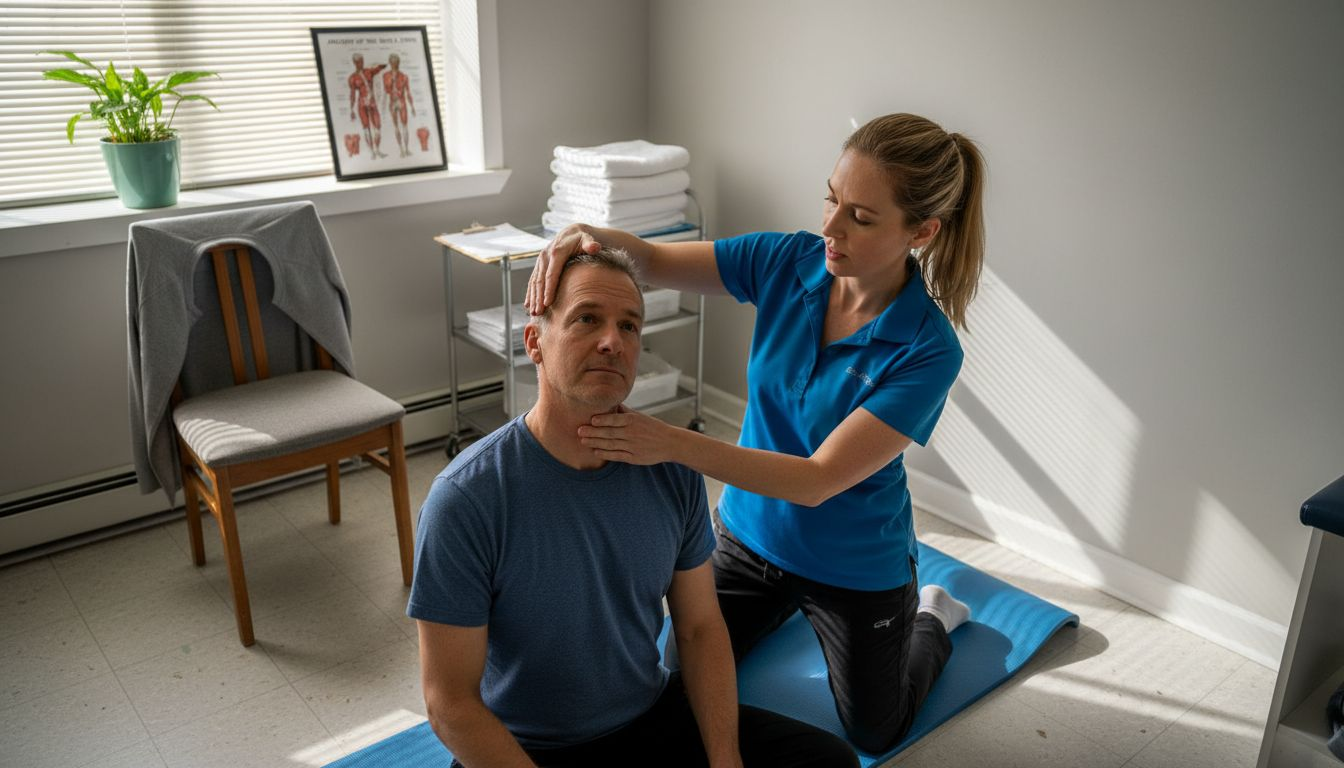
Neck pain can make simple tasks in Ottawa feel like daily challenges, especially when discomfort lingers far beyond the usual aches. For many Canadians, chronic neck pain arises from poor posture, repetitive strain or age-related changes that impact joint mobility and comfort. If you are searching for proven ways to improve how your neck moves and feels, evidence-based physiotherapy offers practical strategies to address the root causes and support lasting relief.
Table of Contents
Key Takeaways
Point | Details |
Chronic neck pain is common in Canadians | It often arises from a combination of muscular strain, ligament injuries, and degenerative conditions, exacerbated by poor ergonomics and posture. |
Exercise is a key intervention | Targeted exercises can effectively alleviate neck pain by strengthening muscles, improving flexibility, and promoting proper alignment. |
Evidence-based physiotherapy enhances recovery | Personalised treatment plans integrating exercise, manual therapy, and ergonomics help prevent recurrence of pain and improve musculoskeletal health. |
Safety is paramount in rehabilitation | Avoiding common mistakes, monitoring pain levels, and seeking professional guidance are crucial for effective and safe neck pain management. |
What Causes Chronic Neck Pain?
Chronic neck pain affects numerous Canadians, often emerging from complex physiological and lifestyle factors. While occasional discomfort is normal, persistent neck pain signals underlying issues that require careful understanding and targeted intervention.
Multiple medical sources indicate neck pain commonly originates from several key sources. Muscular strain and ligament injuries represent primary contributors, frequently resulting from poor ergonomic practices, awkward sleeping positions, or repetitive strain. In Ottawa’s technology-driven work environment, prolonged computer use and sedentary desk jobs significantly increase neck muscle tension and structural stress.
Degenerative conditions like cervical disc problems and arthritis also play substantial roles in chronic neck discomfort. Herniated discs can cause radiating pain accompanied by numbness and weakness, potentially impacting arm mobility and overall quality of life. Workplace ergonomics, particularly during extended work-from-home periods, have amplified neck pain challenges for many professionals.
Physiological factors such as age-related wear, previous injuries, and underlying medical conditions contribute significantly to neck pain progression. Factors like muscle imbalances, poor posture, and repetitive motion can create cumulative stress on cervical spine structures, leading to persistent discomfort.
Here’s a summary of common causes of chronic neck pain and their typical impact:
Cause | Common Trigger | Potential Impact |
Muscular strain | Poor ergonomics, repetitive tasks | Tension, local soreness |
Ligament injury | Sudden movement, overuse | Decreased stability |
Degeneration | Ageing, arthritis, disc issues | Reduced mobility, chronic pain |
Postural issues | Prolonged sitting, poor habits | Muscle imbalance, ongoing discomfort |
Pro tip: Consider scheduling a comprehensive ergonomic assessment to identify and mitigate potential neck strain sources in your workspace.
How Exercise Alleviates Neck Pain
Physiotherapy professionals in Ottawa recognise exercise as a powerful intervention for managing and reducing chronic neck pain. Targeted movement strategies play a crucial role in addressing the underlying mechanisms of neck discomfort, offering both immediate relief and long-term rehabilitation potential.
Exercise alleviates neck pain through multiple physiological mechanisms. By strengthening supporting muscles, improving flexibility, and promoting proper alignment, specific movements can significantly reduce muscular tension and structural strain. Neck-focused exercises help restore range of motion, reduce inflammation, and retrain muscle groups that have become weakened or imbalanced due to prolonged poor posture or sedentary work environments.
Different exercise approaches target neck pain from various angles. Gentle stretching routines help lengthen tight muscles and improve joint mobility, while strength training exercises build muscular support around the cervical spine. Rehabilitation techniques can include isometric holds, dynamic movements, and carefully prescribed resistance exercises that gradually rebuild muscular endurance and structural resilience.
Consistent, progressive exercise provides cumulative benefits for individuals experiencing chronic neck discomfort. By systematically addressing muscle weakness, improving postural alignment, and increasing overall body awareness, patients can develop more effective pain management strategies and reduce the frequency and intensity of neck pain episodes.
Pro tip: Begin with gentle, professionally guided neck exercises and progress slowly, always listening to your body and stopping if you experience sharp or increasing pain.
Evidence-Based Physiotherapy Approaches
Evidence-based physiotherapy has revolutionised neck pain treatment in Ottawa, moving beyond traditional pain management strategies. Targeted exercise programs have emerged as a powerful, non-invasive approach to addressing chronic neck discomfort, offering patients comprehensive rehabilitation strategies rooted in scientific research.
Physiotherapists employ a multi-dimensional approach to neck pain treatment, integrating various evidence-supported techniques. Manual therapy, including specialized massage and spinal manipulation, works alongside structured exercise protocols to address the complex biomechanics of neck pain. These interventions focus on restoring muscular balance, improving joint mobility, and reducing inflammation through carefully designed movement strategies that target the root causes of discomfort.
Non-pharmacological treatment methods have proven particularly effective in managing chronic neck pain. Physiotherapy approaches emphasize personalized treatment plans that combine strengthening exercises, flexibility training, and precise manual interventions. These strategies aim to not only alleviate immediate pain but also prevent future recurrences by addressing underlying muscular imbalances, postural issues, and biomechanical limitations.
The holistic nature of evidence-based physiotherapy extends beyond immediate pain relief. By focusing on comprehensive musculoskeletal health, practitioners help patients develop long-term strategies for neck pain management. This approach includes patient education, ergonomic assessments, and progressive exercise programs that empower individuals to take an active role in their recovery and ongoing neck health.
Pro tip: Consult a physiotherapy professional to develop a personalized neck pain management strategy tailored to your specific physical condition and lifestyle needs.
Types of Exercises for Neck Pain Relief
Neck pain relief requires a strategic approach to exercise, targeting specific muscle groups and movement patterns. Targeted neck exercises provide a comprehensive method for addressing muscular tension, improving flexibility, and reducing chronic discomfort through carefully designed movement protocols.
Stretching exercises form a crucial component of neck pain management. Physiotherapists recommend a range of targeted movements that include diagonal neck stretches, dorsal glide stretches, and side-to-side neck rotations. These techniques help lengthen tight muscles, improve joint mobility, and reduce muscular restrictions that contribute to neck pain. Comprehensive neck rehabilitation programs often incorporate specific exercises like chin tucks, shoulder blade squeezes, and upper back stretches to address the interconnected muscular systems supporting neck function.

Strengthening exercises play an equally important role in neck pain management. These exercises focus on building muscular support around the cervical spine, enhancing stability, and preventing future pain episodes. Key movements include resisted neck exercises, prone shoulder lifts, and targeted upper back strengthening techniques that help restore proper muscular balance and support optimal neck biomechanics.
A holistic approach to neck pain relief integrates multiple exercise types, recognizing the complex nature of muscular dysfunction. By combining stretching, strengthening, and mobility exercises, patients can develop a comprehensive strategy for managing and preventing neck pain, ultimately improving their overall musculoskeletal health and quality of life.
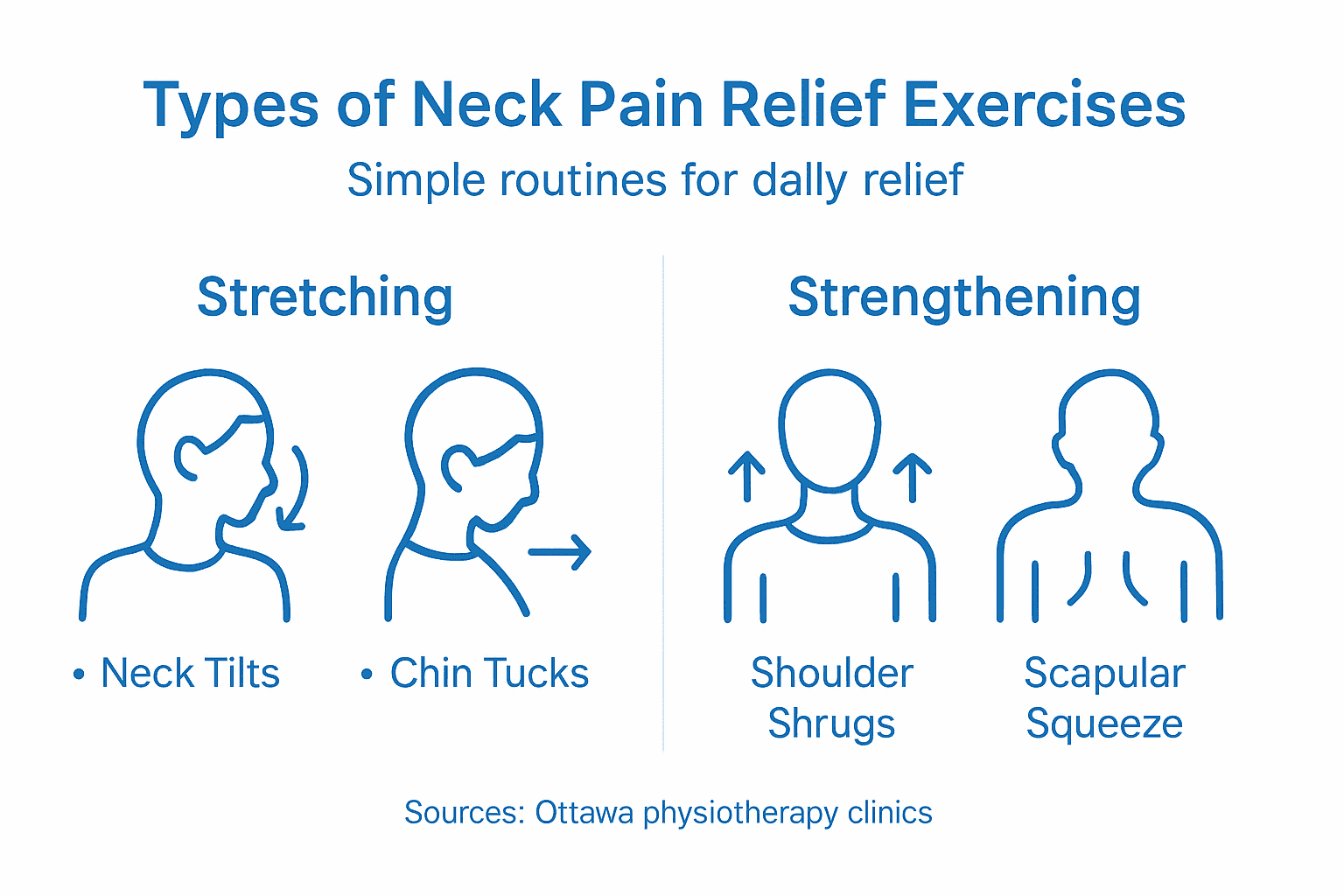
The table below highlights key exercise types recommended for neck pain and their benefits:
Exercise Type | Main Benefit | Common Examples |
Stretching | Increases flexibility | Diagonal neck stretch |
Strengthening | Improves support | Prone shoulder lifts |
Mobility | Enhances range of motion | Neck rotations |
Endurance | Builds muscular resilience | Isometric holds |
Pro tip: Consult a professional physiotherapist to develop a personalized exercise plan that safely addresses your specific neck pain symptoms and movement limitations.
Safety Considerations and Common Mistakes
Navigating neck pain rehabilitation requires careful attention to safety protocols and potential pitfalls. Exercise safety fundamentals are critical for preventing further injury and ensuring effective recovery, making it essential to understand the nuanced approaches to neck pain management.
Physiotherapists emphasize the importance of recognizing and avoiding common mistakes during neck exercises. Improper exercise techniques can exacerbate existing pain and potentially cause additional strain. Key mistakes include performing exercises with poor posture, using jerky or sudden movements, overstretching, and neglecting proper warmup and cooldown routines. Patients often underestimate the complexity of neck rehabilitation, attempting to push through pain or mimicking exercises without professional guidance.
Pain management during neck exercises requires a strategic and mindful approach. Patients should consistently monitor their pain levels, stopping immediately if experiencing sharp or intensifying discomfort. Exercises must be performed within a pain-free range, with gradual progression and consistent professional oversight. Ergonomic adjustments, including workspace modifications and proper positioning during exercises, play a crucial role in preventing further neck strain and supporting long-term rehabilitation efforts.
A comprehensive safety strategy involves understanding individual physical limitations, seeking professional guidance, and maintaining a patient, consistent approach to neck pain rehabilitation. By prioritizing proper form, respecting body signals, and working collaboratively with healthcare professionals, patients can develop effective and safe exercise routines that support neck health and minimize potential complications.
Pro tip: Always consult a physiotherapy professional before starting any neck pain exercise program to ensure safe and personalized rehabilitation.
Take Control of Your Neck Pain with Expert Care in Ottawa
Chronic neck pain can disrupt your daily life and make even simple movements a challenge. If you are struggling with muscular strain, poor posture, or persistent discomfort as discussed in “Role of Exercise in Neck Pain Relief: Ottawa Insights,” you need more than just self-help exercises. Integrate Ottawa offers a comprehensive, evidence-based physiotherapy approach tailored to your unique needs to safely strengthen, stretch, and rehabilitate your neck, addressing the root causes of pain.

Discover how our experienced team combines targeted exercise programs with manual therapy and ergonomic guidance to restore your neck’s mobility and reduce pain. Don’t wait until your pain worsens or impacts your quality of life. Visit Integrate Ottawa today to book your personalized assessment and start your recovery journey. Learn more about how our physiotherapy services can help you regain control and enjoy pain-free living in Ottawa.
Frequently Asked Questions
What type of exercises are beneficial for relieving neck pain?
Stretching exercises, strengthening routines, mobility drills, and endurance exercises are beneficial for relieving neck pain. Specific movements like diagonal neck stretches, isometric holds, and chin tucks can effectively target tension and improve overall cervical spine function.
How can proper ergonomics help in managing neck pain?
Proper ergonomics can significantly reduce strain on the neck by promoting neutral postures and minimizing repetitive motions. Implementing ergonomic adjustments in your workspace, such as using supportive chairs and positioning your computer at eye level, can help alleviate and prevent neck pain.
What are common mistakes to avoid when exercising for neck pain relief?
Common mistakes include performing exercises with poor posture, using sudden or jerky movements, overstretching, and neglecting warm-up and cooldown routines. It’s crucial to listen to your body, perform exercises within a pain-free range, and seek professional guidance to avoid exacerbating neck issues.
How can physiotherapy support neck pain rehabilitation?
Physiotherapy provides personalized treatment plans that combine targeted exercises, manual therapy, and education on body mechanics. This multi-dimensional approach aims to address root causes of neck pain, improve mobility, and prevent future occurrences through structured rehabilitation strategies.
Recommended
Comments