

7 Chiropractic Tips for Back Pain Relief in Ottawa
- Jan 22
- 19 min read
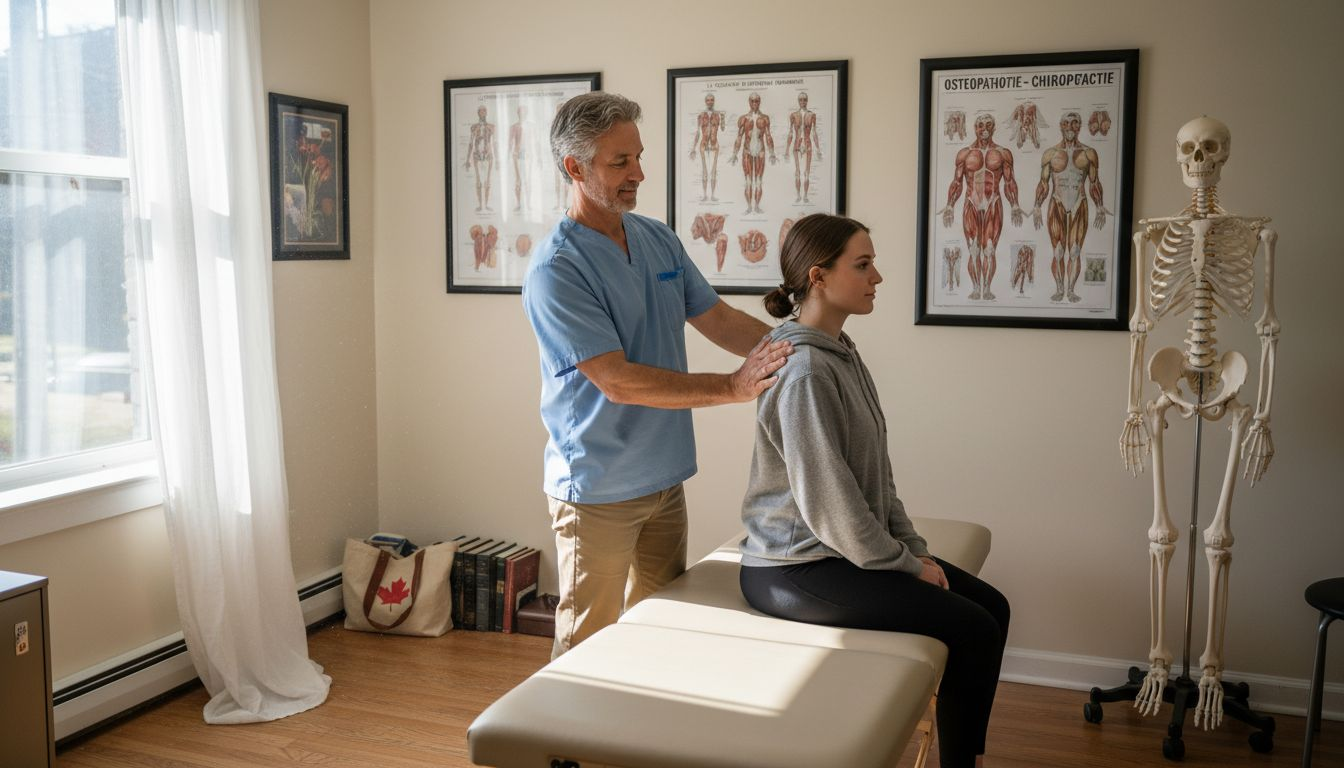
Back pain has a way of disrupting everything you do, whether it’s a dull ache at your desk or sudden discomfort when you lift something at home. Long hours spent sitting, poor posture, or physically demanding tasks can all add up, leaving your back tense and sore. Everyday habits might be making things worse—often without you even realizing it.
You deserve practical solutions that actually work. By focusing on proven approaches like gentle stretching, safe lifting, ergonomic supports, and posture awareness, you can start feeling real relief and prevent future problems.
Get ready to discover easy and effective changes you can make right now. Each step offers targeted strategies to help you move better, feel stronger, and regain comfort in your daily life.
Table of Contents
Quick Summary
Takeaway | Explanation |
1. Identify Your Pain Triggers | Keeping a pain journal helps reveal activities that worsen or alleviate pain, guiding effective treatment strategies. |
2. Maintain Proper Posture | Proper posture supports spinal alignment, reduces strain, and prevents chronic pain. Regular awareness and adjustments are crucial. |
3. Incorporate Gentle Stretches | Gentle stretches relieve tight muscles and improve flexibility, promoting pain relief and increasing blood flow to healing tissues. |
4. Use Ergonomic Supports | Ergonomic adjustments in your workspace reduce strain, promote proper alignment, and help prevent chronic back pain. |
5. Consult a Chiropractor | Professional chiropractic care offers personalized assessments and targeted treatment, addressing the unique causes of your back pain effectively. |
1. Understand Your Back Pain Triggers
Back pain rarely appears without reason. Understanding what actually causes your discomfort is the foundation for effective relief. Your triggers are the specific movements, positions, or activities that make your pain worse or better. Identifying them gives you the power to take control of your recovery.
Many people in Ottawa experience back pain that seems to come and go without warning, but that unpredictability often masks clear patterns. Your triggers might be obvious (heavy lifting at work) or subtle (how you sit at your desk for eight hours). Some triggers are acute, causing immediate sharp pain. Others are cumulative, building gradually over days or weeks until your back finally protests.
Common triggers fall into several categories. Repetitive movements like bending forward repeatedly while gardening or twisting your spine while playing sports can strain your back. Poor posture maintained over time creates muscle imbalances and excessive pressure on your spine. Sudden movements or heavy lifting without proper technique injure muscles and ligaments. Even psychological stress tightens your muscles and increases pain perception, making discomfort feel worse than it actually is.
The connection between your daily activities and pain levels is more direct than you might think. When you understand how back pain develops and progresses, you can start making changes immediately. Start keeping a pain journal for one week. Write down what you were doing when pain started or worsened. Note the time of day, the activity, your posture, and your stress level. This simple practice reveals patterns you would otherwise miss.
Your chiropractor can help analyse these patterns during your assessment. They examine how you move, identify structural issues, and listen carefully to your description of when pain occurs. This information guides treatment decisions and helps you understand which activities genuinely hurt you and which ones you can tolerate. Many people discover they can do more than they thought once they understand their specific triggers.
Take a moment to think about your own back pain. When does it hurt most? Is it worse in the morning or evening? Does a particular activity always make it worse? Does certain furniture or positions provide relief? These observations are invaluable. They tell your healthcare provider exactly what needs to change and what treatments might help most.
Pro tip: Create a simple daily log this week, noting what you were doing and your pain level on a scale from one to ten whenever discomfort occurs, which helps identify patterns your chiropractor can use to guide targeted treatment.
2. Maintain Proper Posture Every Day
Your posture is like the foundation of a house. When it’s solid, everything else functions properly. When it’s weak, everything above it starts to crack and shift. Poor posture doesn’t just look slouched; it actively pulls your spine out of alignment and forces your muscles to work harder than they should, leading directly to back pain.
What exactly is proper posture? It means positioning your body to reduce strain on muscles and ligaments while supporting spinal alignment and muscle balance. When you maintain good posture, your spine sits in its natural curves, your shoulders sit back and relaxed, and your core muscles provide stable support. Your head stays balanced over your shoulders, not jutting forward. Your weight distributes evenly through your hips and legs.
Most people in Ottawa spend hours each day in positions that undermine proper posture. You sit at desks, hunch over phones, or collapse into couches after work. These habits train your muscles to accept poor alignment. Over time, rounded shoulders and slouching become your default position. Your back and neck muscles tighten. Your core weakens. Your spine compresses, and pain develops.
The good news is that posture awareness changes everything. You don’t need special equipment or expensive treatments. You need awareness and deliberate practice. Start by noticing your posture right now. Are your shoulders creeping up toward your ears? Is your head forward? Are you slumped in your chair? Simply noticing these patterns is the first step toward changing them.
Ergonomic adjustments make maintaining posture effortless. Position your monitor at eye level so you don’t crane your neck downward. Your keyboard and mouse should sit at elbow height so your arms rest at 90 degrees. Your chair should support your lower back’s natural curve. Your feet should plant flat on the floor. These small changes remove the constant battle against your environment and let your body maintain alignment naturally.
Strengthening exercises accelerate your posture improvement. Your back muscles and core muscles work together to hold your spine in place. When these muscles are weak, maintaining proper posture feels exhausting because you’re fighting against gravity with insufficient support. Strengthening your back and core muscles creates the muscular foundation that makes good posture feel easy and natural.
Here’s a practical exercise you can do right now. Stand with your back against a wall. Your head, shoulders, and buttocks should all touch the wall. Your lower back should have a small gap you can slip your hand through, not a large space. Hold this position for thirty seconds. This is what proper posture feels like. Repeat this several times daily to train your nervous system to recognize correct alignment.
Your chiropractor can assess your specific posture patterns and identify exactly where your alignment breaks down. Everyone’s body is different. Your posture problems might stem from old injuries, muscle imbalances, or habits developed over years. A personalised assessment reveals the root causes so you address them directly rather than guessing.
Pro tip: Set a phone reminder every two hours during your work day to check your posture, gently roll your shoulders back three times, and sit tall for one minute, which resets your alignment and prevents the cumulative strain that causes chronic back pain.
3. Incorporate Gentle Spinal Stretches
Gentle spinal stretches are one of the most accessible ways to begin relieving back pain today. Unlike intense exercises that can aggravate an already sore back, stretching lengthens tight muscles, improves flexibility, and gradually restores your spine’s natural range of motion. Many people discover that consistent stretching provides noticeable relief within just a few days.
Why does stretching work so effectively for back pain? Your muscles tighten in response to pain, stress, and inactivity. This creates a vicious cycle where tight muscles pull on your spine, creating more pain, which tightens the muscles further. Gentle stretching breaks this cycle by lengthening the muscles, reducing the tension they place on your spine. As tension releases, blood flow increases to the area, bringing oxygen and nutrients that support healing.
The key word here is gentle. Aggressive stretching can injure already compromised muscles and ligaments. You’re not trying to touch your toes or achieve impressive flexibility. You’re aiming for a mild sensation of lengthening, where you feel the stretch but experience no sharp pain. If stretching causes pain, stop immediately. Pain signals that you’re pushing too far.
Start with stretches you can do right now, without special equipment. A simple forward fold helps lengthen your hamstrings and lower back. Stand with your feet hip width apart and slowly bend forward from your hips, letting your head and arms hang. Don’t bounce. Just breathe and let gravity do the work. Hold for twenty to thirty seconds. Your muscles need time to gradually release their grip.
Another effective stretch targets your spinal rotation. Lie on your back with your knees bent. Keep your shoulders flat against the floor and slowly drop both knees to one side. You’ll feel a gentle stretch along your lower back and spine. Hold for twenty seconds, then repeat on the opposite side. This restores rotation that tight muscles restrict.
The cat and cow stretch, borrowed from yoga practices, gently mobilises your entire spine. On your hands and knees, slowly arch your back as you look up toward the ceiling, then round your back as you tuck your chin toward your chest. Move slowly through these positions, breathing deeply. This dynamic stretch warms up your spine and teaches it healthy movement patterns.
Consistency matters far more than intensity. Stretching for five minutes daily provides better results than an intense thirty minute session once weekly. Your muscles respond to regular, gentle stimulation by gradually lengthening and releasing tension. Many people find that stretching immediately before bed helps them sleep better because tight muscles no longer pull on their spine all night.
When you combine stretching with other essential chiropractic care techniques for pain relief, you create a comprehensive approach that addresses pain from multiple angles. Stretching prepares your muscles for chiropractic adjustments and prevents new tightness from developing after treatment.
Your chiropractor can teach you stretches tailored to your specific pain patterns. Everyone’s back is different. What works perfectly for one person might not address another person’s particular tightness. A professional assessment identifies exactly which muscles are tight and which stretches provide the most benefit for your situation. They also ensure you’re performing stretches correctly so you gain maximum relief without risking injury.
Pro tip: Stretch immediately after a warm shower when your muscles are relaxed and pliable, holding each stretch for at least thirty seconds and repeating three times, which allows muscles to lengthen more effectively than stretching cold muscles.
4. Use Ergonomic Supports at Work
Your work environment either supports your back or slowly injures it. Eight hours daily at a poorly designed workstation accumulates strain that compounds into chronic pain. Ergonomic supports transform your workspace from a source of pain into an ally in your recovery. These simple adjustments reduce the physical demands on your back and prevent new injuries from developing.
Ergonomic supports work by aligning your body correctly throughout the workday. When your desk, chair, and equipment are positioned properly, your muscles don’t have to compensate for poor positioning. Your spine maintains its natural curves. Your muscles relax instead of tensing to stabilize misaligned joints. Over time, this consistent correct positioning allows injured tissues to heal and prevents reinjury.
The most important ergonomic investment is an adjustable chair with proper lumbar support. Your lower back has a natural inward curve that needs support. Many office chairs flatten this curve, forcing your lower back muscles to work constantly just to keep you upright. A chair with adjustable lumbar support lets you fill that curve, providing stability without muscle effort. Your feet should rest flat on the floor or a footrest, with your knees at ninety degree angles.
Monitor height matters more than most people realise. Position your monitor so the top of the screen is at eye level when you look straight ahead. If your monitor is too low, you crane your neck downward all day, straining your cervical spine and neck muscles. This creates the exact conditions that lead to neck pain from prolonged screen time. If it’s too high, you strain your neck looking upward. A simple monitor stand costs twenty to fifty dollars and prevents thousands of dollars in treatment costs.
Your keyboard and mouse position directly affects your shoulders, neck, and upper back. Position these items at elbow height so your arms rest at ninety degree angles. Your wrists should remain straight, not bent upward or downward. Ergonomic keyboards and mice reduce the awkward postures that create repetitive strain injuries. If you spend significant time typing, these investments pay for themselves through pain reduction and improved productivity.
Take active breaks every hour. Stand up, walk around, and perform gentle stretches. Movement interrupts the static loading that causes back pain. Even five minutes of movement every hour significantly reduces strain. Your circulation improves, delivering oxygen and nutrients to tissues. Your muscles shift position, preventing the locked patterns that develop during prolonged sitting. Research shows that ergonomic education and workflow design that minimises heavy lifting and awkward postures dramatically reduce musculoskeletal disorders in the workplace.
If you work in a physically demanding job, ergonomic support looks different. Proper lifting technique prevents back injuries far more effectively than any brace or support device. Bend at your knees and hips, not your back. Keep heavy loads close to your body. Avoid twisting while holding weight. Your employer should provide equipment like dollies and lifting aids that reduce the physical demands of your work.
Your chiropractor can assess your specific workspace and recommend targeted ergonomic adjustments for your situation. Every job has unique demands. Construction work requires different support than office work. A personalised assessment identifies exactly which adjustments provide the most benefit for your particular job and pain patterns.
Pro tip: Invest in an adjustable standing desk converter that lets you alternate between sitting and standing throughout the day, which prevents the cumulative strain of sitting for eight straight hours and gives your back muscles regular variety in positioning.
5. Practise Safe Lifting Techniques
One wrong lift can injure your back in seconds, but proper lifting technique prevents injury and protects your recovery. Most back injuries don’t happen from a single dramatic incident. They accumulate from hundreds of small lifting mistakes that gradually strain your spine. Learning safe lifting technique is one of the highest impact changes you can make, whether you work in a physically demanding job or simply lift objects around your home.
Why does lifting technique matter so much? Your back isn’t designed to be a lifting tool. Your legs contain much larger, stronger muscles built specifically for lifting and moving weight. When you lift with your back, you’re asking smaller muscles to do a job they cannot perform safely. Your spine compresses under the load, discs shift out of position, and ligaments stretch beyond their limits. Safe lifting redirects that work to your legs, where your body can handle significant weight without injury.
The foundation of safe lifting starts before you even grip the object. Assess the load first. How heavy is it? Where is the centre of gravity? Do you need help or mechanical aids? Never attempt a lift that looks or feels too heavy. Your pride is not worth a herniated disc. If you’re unsure, ask for assistance or use equipment like a dolly or hand truck. This isn’t weakness; it’s wisdom.
Your stance creates the stability needed for safe lifting. Stand with your feet shoulder width apart, providing a wide base of support. Position one foot slightly ahead of the other for better balance. This stance distributes your weight evenly and lets you engage your leg muscles effectively. Avoid narrow stances that make you unstable and force your back to compensate.
The actual lifting motion follows a simple pattern. Keep your back straight, not rigid, but maintaining its natural curves. Bend at your knees and hips, squatting down to the object rather than bending forward from your waist. This positioning engages your powerful leg muscles. Hold the load close to your body, as close as possible. Every inch of distance increases the strain on your spine exponentially. A twenty pound object held at arm’s length creates the same stress as a one hundred pound object held at your body.
Lift smoothly and steadily using your leg muscles. Press through your heels as you stand, letting your legs drive the movement. Never jerk or make sudden movements. Your muscles and ligaments need time to engage and support the load. Think of this as a controlled squat motion where you’re standing up while holding weight.
Once you’re holding the object, keep it close and avoid twisting your spine. Twisting places excessive rotational stress on your discs and ligaments. If you need to turn, move your feet. Rotate your whole body, not just your torso. This simple adjustment prevents most twisting injuries.
Setting the object down follows the same technique in reverse. Bend at your knees and hips, keeping your back straight. Lower the object gradually and deliberately. Slamming objects down shocks your spine. Many people injure themselves during the lowering phase because they rush or lose focus after the difficult part is complete. Stay controlled throughout the entire motion.
When you combine proper lifting technique with specific physiotherapy exercises that strengthen your leg and core muscles, you create resilience that protects your back during all daily activities. Team lifting is another crucial practice. When lifting awkward or heavy objects with another person, coordinate your movements and lift together. Your chiropractor can teach you these techniques in detail and identify any movement patterns that put your back at risk.
Pro tip: Practice the proper lifting motion without weight first, performing slow, controlled squats until the movement feels natural, so that when you actually lift something heavy, your body follows the safe pattern automatically rather than reverting to harmful habits.
6. Stay Active with Low-Impact Exercise
Rest sounds like the obvious answer when your back hurts, but prolonged inactivity actually makes back pain worse. Movement restores function, reduces stiffness, and accelerates healing. Low-impact exercise is the key to staying active while protecting your recovering back. These activities build strength and flexibility without the jarring forces that aggravate pain.
Why does movement help when your back already hurts? Immobility causes muscles to weaken and stiffen. Your spine becomes less stable, making pain persist or worsen. Movement increases blood flow to injured tissues, delivering oxygen and nutrients that support healing. Gentle activity also helps your nervous system recalibrate its pain signals. When your body experiences movement without catastrophic consequences, it learns that activity is safe, reducing the protective muscle guarding that amplifies pain.
Low-impact exercise means activities where at least one foot stays in contact with the ground at all times, eliminating the pounding forces of high-impact exercise. Running involves impact that jars your spine. Walking does not. Swimming provides movement without any impact. Cycling offers controlled leg movement without jarring. These activities strengthen your muscles without overwhelming your injured back.
Walking is perhaps the simplest and most accessible low-impact exercise. A twenty to thirty minute walk at a comfortable pace strengthens your legs and core while improving cardiovascular health. Your back muscles activate to maintain upright posture during walking. Your spine moves through its natural ranges of motion. Start with shorter distances if pain is significant, gradually increasing duration as your back tolerates it. Walk on flat surfaces initially, avoiding hills and uneven terrain until your strength improves.
Swimming offers unique benefits because water supports your body weight while allowing full range of motion. Gravity’s effects on your spine disappear in water, reducing compression forces. Your muscles work against water resistance, building strength without impact. Many people with back pain find swimming more comfortable than land-based exercise. Start with gentle strokes and avoid aggressive butterfly movements that hyperextend your spine. Backstroke and gentle freestyle often feel better than breaststroke for people with lower back pain.
Cycling on a stationary bike or recumbent bike provides excellent low-impact cardiovascular exercise. Your legs power the movement while your back receives support from the seat. Adjust the seat height so your knee bends slightly at the bottom of each pedal stroke. Keep resistance moderate, focusing on smooth, steady pedalling rather than intense effort. Recumbent bikes provide additional back support if upright cycling feels uncomfortable.
Water walking combines the benefits of swimming with the simplicity of walking. In a pool, water supports your body while your legs perform natural walking movements. This is often more comfortable than land walking during the acute pain phase. Progress to deeper water as you improve, eventually transitioning to traditional exercise as your back strengthens.
Consistency matters far more than intensity. Thirty minutes of gentle activity daily provides better results than one intense session weekly. Your body adapts to regular activity by becoming stronger and more resilient. Start conservatively and progress gradually. If activity increases pain, reduce intensity or duration. Pain during exercise signals that you’re doing too much. Working with a healthcare provider who understands how exercise therapy supports recovery and reduces pain ensures you progress appropriately without re-injuring your back.
Your chiropractor can recommend specific exercises matched to your pain patterns and fitness level. They monitor your progress and adjust recommendations as your back improves. This personalised approach prevents the common mistake of exercising too aggressively and setback recovery. The goal is to return to full activity gradually, not to achieve fitness gains through pain.
Pro tip: Exercise on days when your pain is lower and you feel better, completing movement when you’re most able to perform it with good form, which prevents compensation patterns that create new problems in other body areas.
7. Consult a Chiropractor for Personalised Care
While the previous six tips provide valuable self-care strategies, professional chiropractic care offers something you cannot achieve alone. A chiropractor brings expertise, diagnostic tools, and hands-on treatment techniques tailored specifically to your unique back pain. Professional care accelerates your recovery and addresses underlying issues that self-care alone might miss.
Why is professional care different from self-care? You can stretch, exercise, and maintain good posture, but you cannot accurately diagnose structural problems or deliver precise spinal adjustments. Your chiropractor performs a comprehensive assessment that reveals exactly what’s causing your pain. They examine your spine’s alignment, test your range of motion, assess muscle strength, and may order imaging to identify structural issues. This diagnostic clarity transforms your treatment from guesswork into targeted intervention.
Chiropractors are trained to identify patterns you cannot see in yourself. Poor posture might feel normal because you’ve adapted to it over years. Muscle imbalances might seem invisible because you don’t know what balance should feel like. A chiropractor’s trained eye spots these issues immediately. They understand how your body compensates for injury and where that compensation creates new problems. This comprehensive view guides treatment decisions that address root causes rather than just symptoms.
Spinal adjustments provide relief that stretching and exercise cannot. When vertebrae shift out of alignment, they irritate nerves, restrict motion, and create pain. Chiropractic adjustments restore proper alignment, relieving nerve irritation and restoring normal joint mechanics. Many people experience immediate pain relief after adjustments. Others notice improvement gradually over several sessions. Both patterns are normal and indicate healing is occurring.
Personalised treatment plans account for your specific situation in ways generic advice cannot. Your pain might stem from an old injury, poor posture, repetitive work movements, or sports activities. Your fitness level, age, and health history all influence which treatments work best. Your chiropractor designs a plan specifically for you, not a one-size-fits-all approach. This personalisation explains why one person improves dramatically while another needs different interventions.
Chiropractors also coordinate care with other healthcare providers when necessary. If your back pain involves nerve damage, your chiropractor might refer you to a neurologist. If you need strengthening exercises beyond stretching, they might recommend physiotherapy. If pain seems related to systemic issues, they might refer you to your primary care physician. This collaborative approach ensures you receive appropriate care from multiple specialists if needed.
The relationship with your chiropractor evolves over time. Initial visits focus on assessment and establishing baseline measurements. Subsequent visits apply treatment and monitor progress. As your pain improves, sessions transition toward maintenance and prevention. Your chiropractor teaches you how to maintain improvements and avoid re-injury. This long-term partnership protects your back health beyond your immediate pain relief.
Understanding what to expect during the step-by-step chiropractic process helps you approach your first appointment with confidence. Many people feel anxious about chiropractic care because they don’t know what to expect. Knowing the process removes that uncertainty. Your chiropractor will explain each step, answer your questions, and ensure you feel comfortable before proceeding with any treatment.
Chiropractors in Ottawa work in modern, evidence-based clinics that employ current diagnostic and treatment technologies. They maintain ongoing professional education to stay current with research and best practices. When you choose a qualified chiropractor, you’re choosing someone committed to your health and recovery. They combine traditional chiropractic expertise with contemporary healthcare standards.
Your back pain doesn’t have to be permanent. You don’t have to accept chronic discomfort as inevitable. Professional chiropractic care, combined with the self-care strategies in the previous sections, creates a comprehensive approach that produces results. The question isn’t whether to seek professional help, but when. The sooner you start, the sooner you can return to pain-free living.
Pro tip: Bring a detailed list of your symptoms, when they started, what makes them better or worse, and any past injuries to your first chiropractic appointment, which gives your chiropractor essential context that accelerates accurate diagnosis and treatment planning.
Below is a comprehensive table summarizing the strategies and key concepts discussed throughout the article aimed at understanding, managing, and preventing back pain.
Topic | Details |
Understand Back Pain Triggers | Identify movements or conditions causing discomfort by maintaining a pain journal and consulting with a chiropractor to analyse these patterns effectively. |
Maintain Proper Posture | Ensure proper alignment during daily activities and ergonomic setups, supported by core muscles, for improved comfort and minimised strain. |
Perform Gentle Stretches | Regular, mild stretching exercises enhance flexibility and relieve tension in tight muscles without aggravating pain. |
Use Ergonomic Supports | Adjust your workspace to encourage proper posture and reduce strain, such as using an appropriately aligned chair and monitor. |
Practise Safe Lifting Techniques | Use leg muscles and appropriate form when lifting objects to prevent strain or injury to the back. |
Incorporate Low-Impact Exercise | Engage in activities like walking, swimming, or cycling to encourage movement and reduce stiffness without causing discomfort. |
Seek Chiropractic Care | Obtain personalised, professional assessments and treatments tailored to address specific back pain issues and promote effective recovery. |
Take Control of Your Back Pain with Expert Chiropractic Care in Ottawa
Back pain can feel overwhelming when daily activities trigger discomfort and your body struggles to maintain proper posture. If you are searching for a way to break free from the cycle of pain caused by poor alignment, weak muscles, or repetitive strain, you are not alone. Understanding your pain triggers and incorporating strategies like gentle stretches and ergonomic supports are vital. However, true relief and lasting recovery begin when you combine these efforts with personalised care from trusted professionals.

Discover how professional chiropractic care at Integrate Ottawa can accelerate your healing journey with evidence-based treatments tailored to your unique needs. Our experienced team works collaboratively to identify the root causes behind your discomfort using comprehensive assessments and advanced techniques. From improving posture to teaching safe lifting and movement, we help you regain strength and confidence. Don’t wait for pain to control your life take the first step today by booking an appointment with us and start enjoying life without back pain. Explore our full range of services including physiotherapy, and learn more about our approach to effective pain relief designed just for you.
Frequently Asked Questions
What are common triggers for back pain that I should be aware of?
Understanding common triggers for back pain is essential for relief. Activities like heavy lifting, poor posture while sitting, or sudden movements can exacerbate your pain. Keep a journal for one week to track when your pain occurs and what you were doing at the time.
How can I maintain proper posture throughout my workday?
To maintain proper posture, ensure your chair provides lower back support and your monitor is at eye level. Regularly check your posture, and set reminders to adjust yourself every couple of hours. Simple adjustments can make a significant difference in reducing back strain over time.
What gentle spinal stretches can I incorporate into my daily routine?
Incorporate gentle spinal stretches like forward folds and spinal rotations to alleviate tension. Perform these stretches daily for five minutes to gradually increase flexibility and relieve tightness in the back. Start with a few repetitions and increase as your back allows.
How can ergonomic supports improve my workspace for back pain relief?
Ergonomic supports help align your body correctly while working, reducing strain on your back. Invest in an adjustable chair that supports your lower back and ensure your keyboard and monitor are positioned at the right heights. Making these changes can significantly reduce discomfort during your work hours.
What safe lifting techniques should I use to protect my back?
To protect your back while lifting, always assess the load first and stand with your feet shoulder-width apart for stability. Bend at your knees and hips, not your back, while keeping the object close to your body during the lift. Practising proper technique can prevent injuries and strain when lifting items.
How can consulting a chiropractor help with my back pain?
Consulting a chiropractor can provide a personalised assessment and treatment plan tailored to your specific back pain issues. They can identify structural problems and perform spinal adjustments that offer relief from pain. Schedule an appointment to begin your journey towards recovery and understanding your back health.
Recommended


Comments