Dry Needling in Ottawa
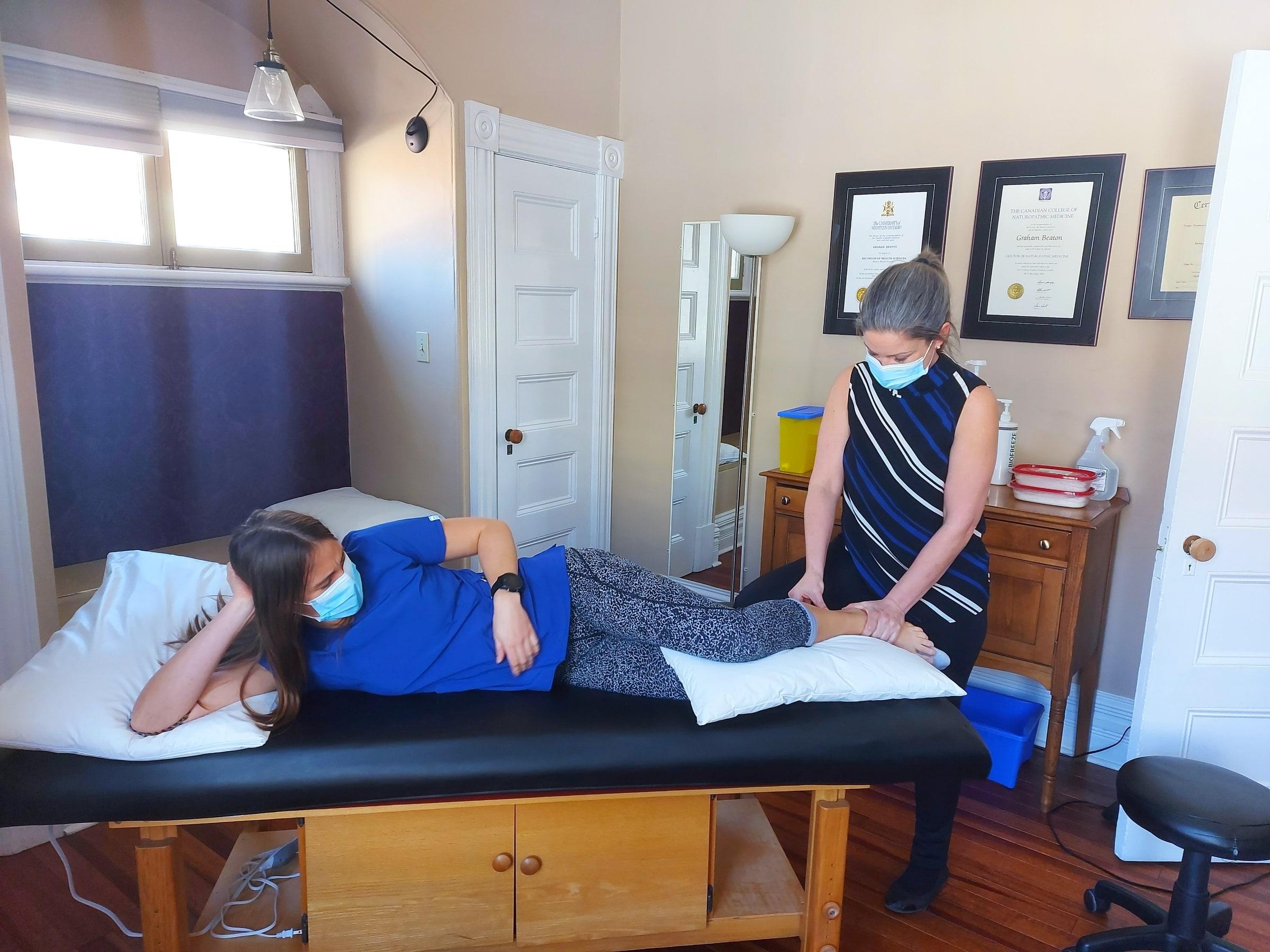
A thin filament needle into a tight, tender muscle, used by our registered physiotherapists as one part of a treatment plan for stubborn muscle pain.
- 3
- Clinic locations offering dry needling
- 7
- Physiotherapists trained to provide it
- No referral
- Required to book a physiotherapy visit
What Is Dry Needling and Who Is It For?
Dry needling uses a thin, sterile, single-use filament needle placed into a tight band of muscle or a tender trigger point. No medication goes in, which is where the word dry comes from. The goal is to settle an irritable, over-protective muscle so it tolerates movement and load better afterward.
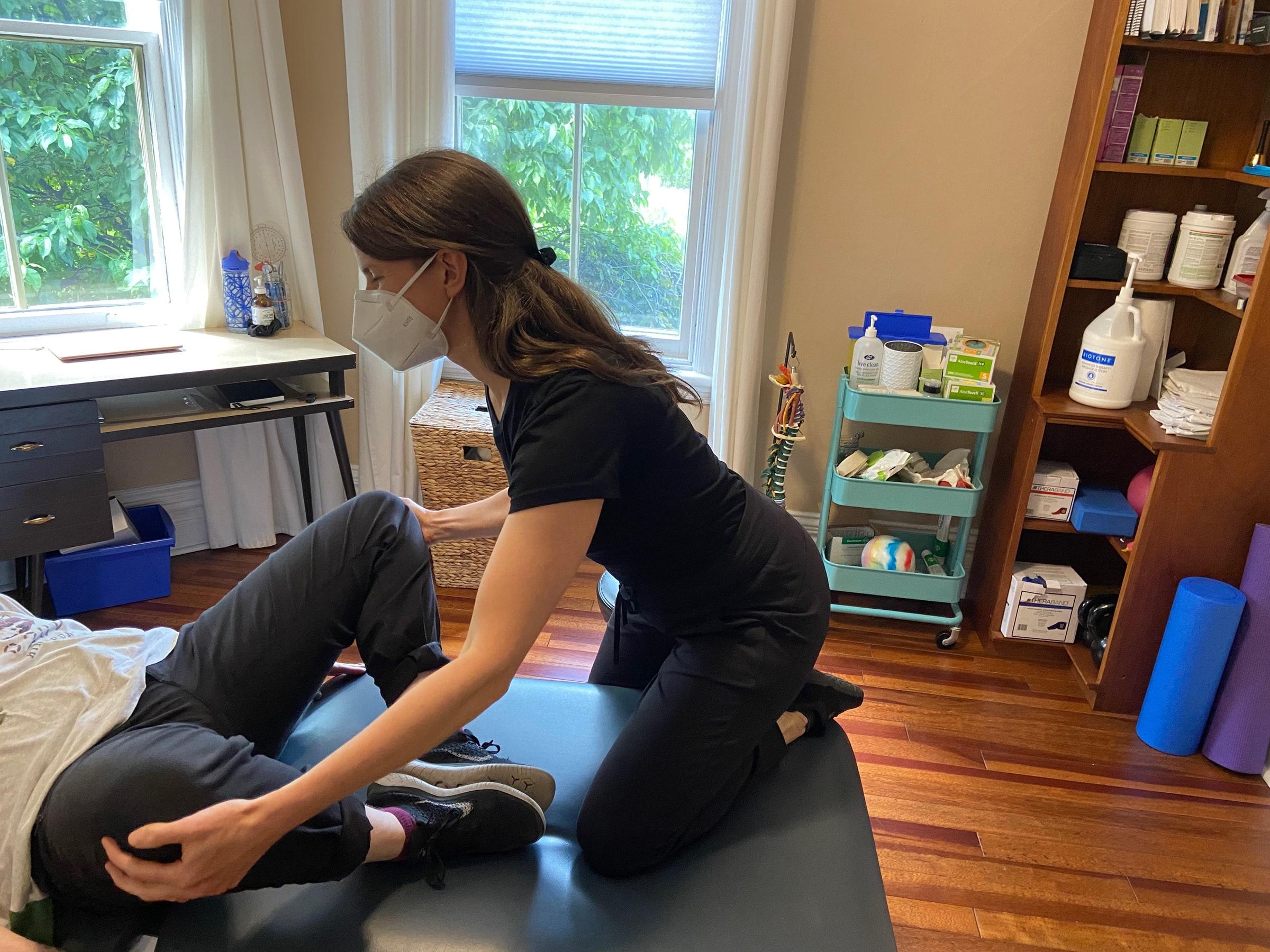
At Integrate it's performed inside a physiotherapy appointment by a registered physiotherapist. It isn't a standalone booking, so you'd book a physiotherapy assessment or a follow-up and your therapist decides with you whether needling belongs in the session that day. It may suit you if a muscle has stayed guarded and sore weeks after a strain, if pain keeps coming back to the same spot, or if hands-on treatment and exercise have taken you partway and then stalled.
How our physiotherapists tend to use it:
- Assessment comes first, so the needle goes where the testing points, not where it hurts most
- Needling is one tool inside a plan, alongside manual therapy, loading and a home program
- You move the area straight after, because the window of reduced tenderness is when new movement sticks
How Dry Needling Differs from Acupuncture
The needle is the same. The reasoning behind it is not.
Functional dry needling comes out of Western musculoskeletal anatomy. Your physiotherapist palpates for a taut band or a trigger point in a specific muscle, relates it to what the assessment found, and needles that structure to change how the muscle behaves when you load it. Points are chosen from anatomy and from your movement testing, and treatment usually finishes with exercise.
Acupuncture at our clinic is a separate service delivered by a registered acupuncturist working within traditional Chinese medicine theory, with its own assessment, point selection and appointment. Some people use both at different times for different reasons. If you aren't sure which fits your situation, say so at your assessment and your physiotherapist will talk it through with you.
You may also hear the term intramuscular stimulation, or IMS. It's a related needling approach with its own training pathway, and one of our physiotherapists is trained in it as well as in dry needling.
What We Treat with Dry Needling
Neck and Upper Trapezius Tension
Tension-Type Headaches
Shoulder Pain and Rotator Cuff Irritation
Tennis Elbow and Forearm Overuse
Low Back Pain and Recurring Episodes
Gluteal and Deep Hip Pain
Hamstring and Calf Strains
Shin Splints
Plantar Heel Pain
Jaw and Chewing Muscle Tension
What a Dry Needling Session Involves
Needling takes up a small part of the appointment. Here's what happens.
- 1
The Assessment Comes First
Your physiotherapist takes a history, tests movement and strength, and palpates the area to work out which tissue is driving your symptoms. That's what decides whether needling is appropriate at all, and which muscles it would target. - 2
Consent Before Anything Goes In
You'll hear what's being needled, why, what it may feel like and what the risks are, and you give consent before treatment starts. You can decline needling and still have a full physiotherapy session, and you can ask your therapist to stop at any point. - 3
The Needling Itself
A few sterile, single-use needles go into the muscle through the skin, often for only a few minutes. People describe a dull ache, a brief cramp-like twitch, or a heavy feeling in the muscle. Wear or bring clothing that lets us reach the area, shorts for a hip or calf, a vest or loose top for the neck and shoulder. - 4
Movement Straight After
Once the needles are out, your therapist takes the muscle through range and gives you something to load it with. This is the part that carries the change out of the clinic, so expect exercise rather than a quiet lie-down at the end. - 5
The Next 24 to 48 Hours
Muscle soreness similar to the day after a hard session is common, and small bruises can happen. Light movement, warmth and normal activity tend to help. Heavy lifting or a hard run on the same day may leave you more sore than usual, so plan the session around your training week when you can.
What It Costs and Whether Insurance Covers It
Dry needling is delivered inside a physiotherapy appointment, so it's billed as physiotherapy rather than as a separate line item. Your fee is the fee for the assessment or follow-up you booked.
Extended health plans that include physiotherapy generally apply to that visit. Coverage varies by plan, so it's worth checking your yearly maximum, your per-visit limit and whether your insurer asks for a physician's referral before they reimburse. Ontario residents with an approved WSIB claim or a motor vehicle accident claim may have physiotherapy funded through those channels, and our front desk can tell you what's needed to set that up.
For current fees, cancellation terms and what we can bill directly, call (613) 230-7891 before your first visit or ask when you book, and we'll go through the full fee schedule with you.
Who Performs Dry Needling at Integrate
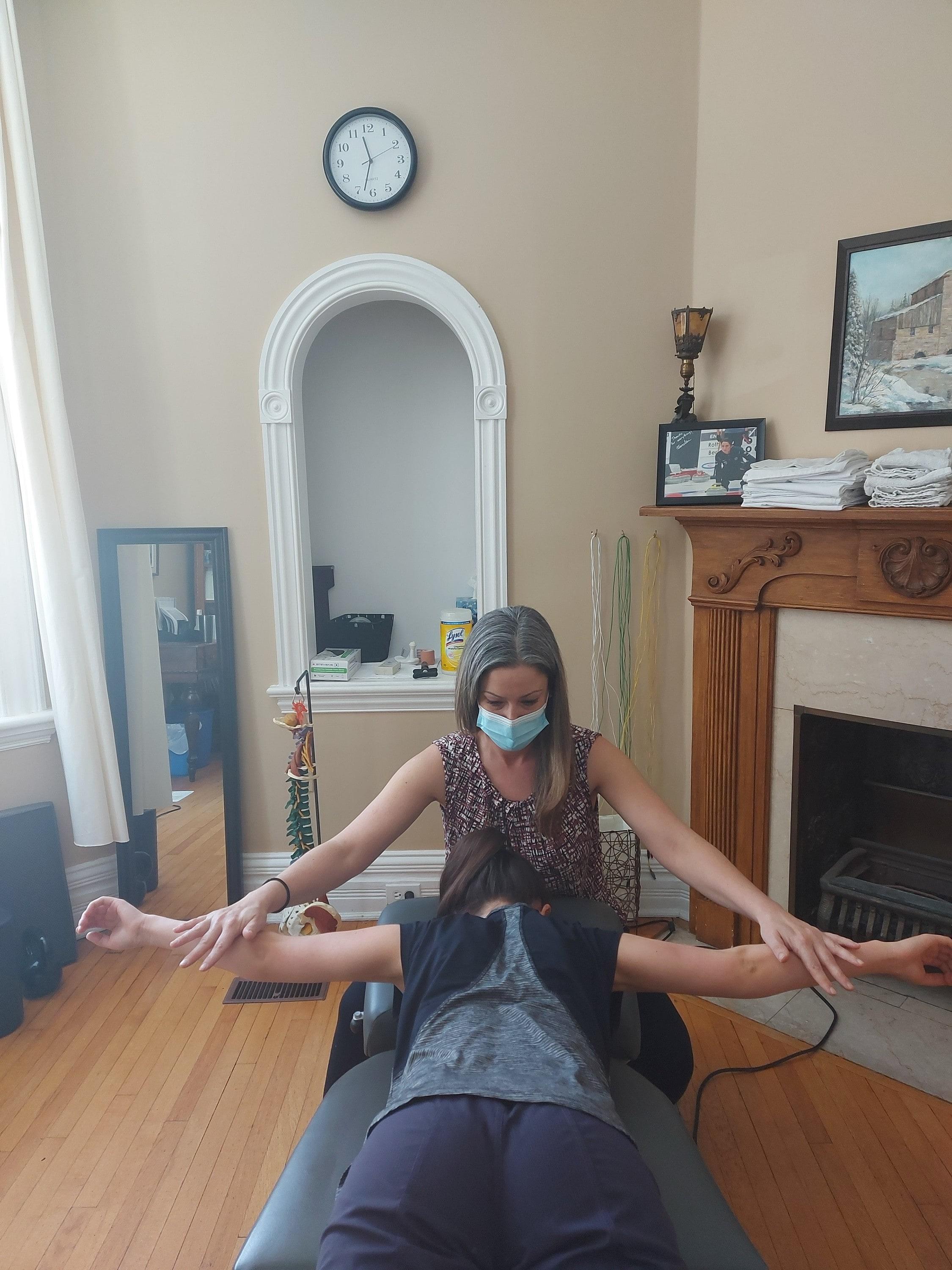
Functional dry needling here is done by physiotherapists. Harshil Shah provides it at all three of our clinics. At Centretown, Ravi Kahlon also offers intramuscular stimulation, and trigger point dry needling is provided by Morgan Adam, Riley Burns, Joanna Nawrotek, Roma Paliga and Shelagh Haynes.
If you already see one of our physiotherapists, raise it at your next visit rather than rebooking elsewhere. If you're new, mention dry needling when you book so we can match you with a therapist who provides it at the location you're coming to.
Where We Offer Dry Needling in Ottawa and Carleton Place
Dry needling is available at three of our clinics. Centretown at 102 Lewis Street sits a short walk from the Bank Street and Elgin Street offices, which suits people fitting treatment around a workday downtown. Lowertown at 500 Old St. Patrick Street is close to the ByWard Market and the Sandy Hill side of the city. Carleton Place at 10 Lake Avenue West is often the shorter drive if you're coming from Kanata, Stittsville or further west along the highway.
If you're being treated at one site and your schedule changes, your therapist can note the plan clearly enough that another of our physiotherapists can carry it on. Tell us at booking which location suits you and whether you'd rather an early morning or an end-of-day appointment, and we'll find the fit.
Where to Book Dry Needling
Dry Needling is available at 3 of our locations. Each button opens that location's calendar for dry needling.
3 locations
Lowertown (Ste Anne Medical Centre)
500 Old St. Patrick Street, Ottawa, ON K1N 9G4
(613) 852-7769integratelowertown@gmail.com
Dry Needling Questions, Answered
Do I need a referral from my doctor?
Is dry needling the same thing as IMS?
Is it safe if I'm pregnant or taking blood thinners?
Can I train or go to the gym the same day?
What if I'd rather not be needled?
Book Dry Needling with a Physiotherapist
Book a physiotherapy assessment at our Centretown, Lowertown or Carleton Place clinic and mention dry needling, and we'll pair you with a therapist in Ottawa who provides it.