Vertigo Treatment in Ottawa
Physiotherapy-led assessment and treatment for dizziness, vertigo, motion sensitivity and balance problems, at our Centretown and Lowertown clinics.
- 4.9 from 368 Google reviews
- Appointments until 8pm on weekdays
- Weekend appointments
- 2 clinics
- Centretown and Lowertown locations
- 60 minutes
- Time held for a first vestibular assessment
What Vestibular Rehabilitation Is and Who It Helps
Vestibular rehabilitation is a form of physiotherapy aimed at the balance system: the inner ear, the eyes and the sensors in your neck and feet that tell your brain where you are in space. When one part of that system stops reporting accurately, the result is dizziness, a spinning sensation, floating, or the feeling that the floor moves when you turn your head.
It's used for problems like benign paroxysmal positional vertigo (BPPV), vestibular neuritis, labyrinthitis, persistent dizziness after a concussion, motion sensitivity, and unsteadiness that shows up with age or after an illness. Treatment is hands-on and exercise-based. There's no medication involved, and nothing about it is passive: you'll be doing specific head, eye and balance work, both in the room and at home.
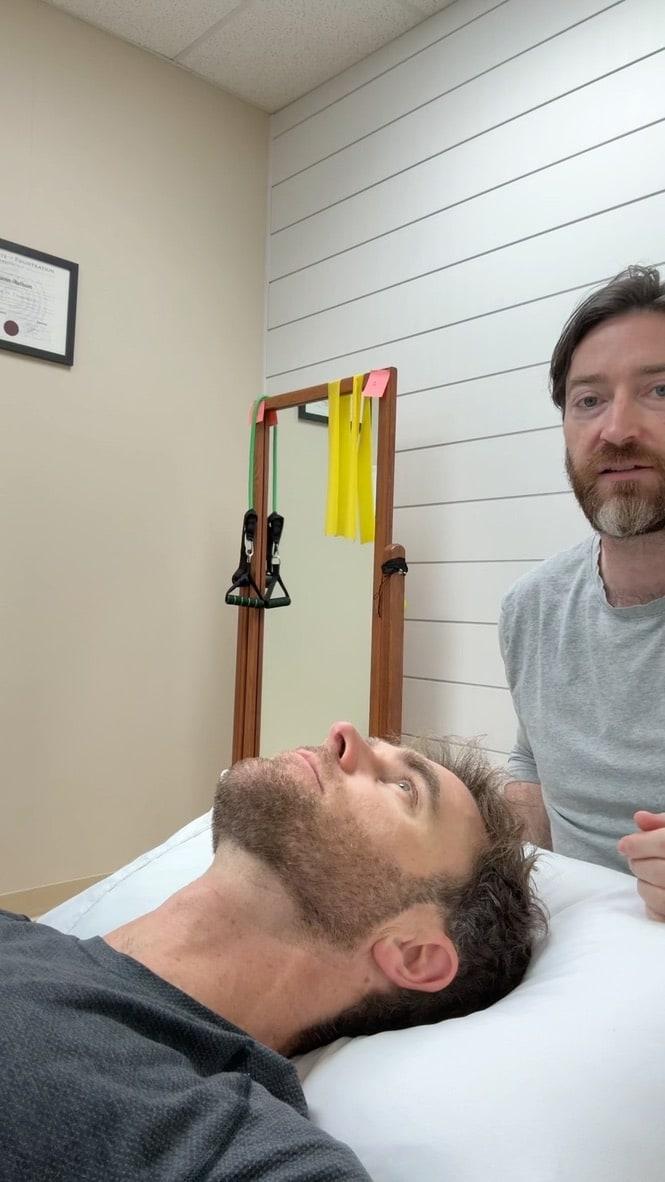
If your dizziness is short, intense and triggered by rolling over in bed, looking up or lying back at the dentist, that pattern often points toward BPPV, which may respond to repositioning techniques performed in the clinic.
What We Treat with Vestibular Rehabilitation
BPPV (positional Vertigo)
Vestibular Neuritis and Labyrinthitis
Dizziness After Concussion
Motion and Visual Sensitivity
Unsteadiness and Fear of Falling
Cervicogenic Dizziness
Persistent Postural-Perceptual Dizziness
Balance Decline with Age
What a Vestibular Session Looks Like
A first visit lasts about an hour. Wear clothes you can move and lie down in, and bring a list of your medications plus any reports from your doctor or an ENT.
- 1
History
We start with the story. How long each episode lasts, what sets it off, whether the room spins or you feel like you're floating, whether there's hearing change, nausea, headache or ringing. The timing and triggers do more to narrow things down than any single test. - 2
Eye, head and neck testing
Your physiotherapist watches your eyes as you move your head and follow targets, checks how your neck moves, and may use video goggles to see eye movements more clearly. Positional tests involve lying back and turning your head to one side, which may briefly provoke your dizziness. - 3
Balance and walking
Standing on firm and soft surfaces, eyes open and closed, and walking with head turns. This shows which part of the balance system you're relying on and where it's failing you. - 4
Treatment the same day
If testing points to BPPV, a repositioning manoeuvre may be done in that visit. Otherwise you'll leave with a short set of gaze and balance exercises matched to what we found. - 5
Afterwards
It's common to feel briefly more dizzy or queasy for a few hours after testing or a manoeuvre. Arrange a drive or a bus home for the first visit rather than planning to drive yourself.
When You Should See a Doctor First
What Vestibular Rehabilitation Costs in Ottawa
Vestibular rehabilitation is billed as physiotherapy. We'll confirm the fees for the initial assessment and follow-up visits with you before your first appointment.
- 1
Extended health insurance
If your plan includes physiotherapy, vestibular rehabilitation is generally covered under that benefit. Coverage limits, per-visit caps and whether a physician referral is needed vary by plan, so it's worth a call to your insurer before you start. - 2
Receipts for your claim
We don't direct bill at the moment. You pay at the visit and get a receipt with your physiotherapist's name and registration number to submit to your insurer. - 3
Motor vehicle and workplace claims
If your dizziness followed a car accident or a workplace injury, tell us at booking. Treatment under a motor vehicle claim or a WSIB claim is handled differently from private insurance and we'll walk you through what's required. - 4
Referrals
You don't need a physician referral to book with us in Ontario. Some insurance plans ask for one before they'll reimburse, which is a plan requirement rather than a clinic one.
Our Approach to Vestibular Rehabilitation in Ottawa
Vestibular work here is delivered by registered physiotherapists with specific training in it. At our Centretown clinic on Lewis Street, Ravi Kahlon holds certification in vestibular and concussion rehabilitation, and Joanna Nawrotek also treats vestibular conditions. Drashti Chauhan sees vestibular patients at both Centretown and our Lowertown location on Old St. Patrick Street.
What to expect:
- Assessment comes before treatment, every time: repositioning manoeuvres only help the specific canal involved, so we test rather than guess.
- You get a home program you can describe to someone else, with the dose written down, because progress between visits is where the gains happen.
- If your dizziness has a neck component, a concussion history or an anxiety layer, we can bring in concussion management or other members of the team rather than treating one piece in isolation.
Both Ottawa clinics are reachable by bus. If stairs or walking any distance is difficult right now, tell us at booking and we'll suggest the easier of the two sites.
Where to Book Vestibular Rehabilitation
Vestibular Rehabilitation is available at 2 of our locations. Each button opens that location's calendar for vestibular rehabilitation.
2 locations
Lowertown (Ste Anne Medical Centre)
500 Old St. Patrick Street, Ottawa, ON K1N 9G4
(613) 852-7769integratelowertown@gmail.com
Vestibular Rehabilitation Questions, Answered
How many appointments will I need?
Can I treat vertigo at home with videos I found online?
Do I need an MRI or a CT scan before starting?
Should I wait to see whether the dizziness goes away on its own?
Is it safe if I'm older or already unsteady on my feet?
Book Vestibular Rehabilitation in Ottawa
If the room spins when you roll over, or you've felt off-balance since an illness or a knock to the head, an assessment is the place to start. Book online at our Centretown or Lowertown clinic.