Neck Pain Relief in Ottawa
Chiropractic, physiotherapy, massage, acupuncture and dry needling for a stiff or sore neck, from a team that works across four Ottawa-area clinics.
- 4.9 from 368 Google reviews
- Appointments until 8pm on weekdays
- Weekend appointments
What Is Neck Pain?
Neck pain treatment starts with knowing which part of the neck is sore. Your neck is a stack of small vertebrae between your skull and your shoulders. Between them sit the discs, and at the back are small facet joints that let you turn and tilt your head. Layers of muscle hold it all up, from the deep stabilizers close to the spine to the larger muscles that run into your shoulders and upper back. Nerves leave the spine here and travel down into your arms.
Any of these can be the source. A strained muscle, a stiff and irritated facet joint, a disc that's pressing on a nerve and the tension that builds from holding your head forward at a screen all get called neck pain, and they don't behave the same way. If you've been handed a term like "cervical strain", "facet irritation" or "cervical radiculopathy" on a report, those are names for these different sources.
At our Ottawa clinics, the first job is working out which one is driving your symptoms, because that decides what treatment is likely to help.
What Does Neck Pain Feel Like?
It can be a dull ache at the base of your skull, a sharp catch when you turn to check your blind spot, or a band of tightness across the tops of your shoulders by the end of a workday at a laptop. Waking up stiff after sleeping awkwardly is a common version, and it tends to loosen as you move through the morning.
Some neck pain doesn't stay in the neck. It can spread into a shoulder blade, or start a headache that wraps from the back of your head toward your eyes, which is one form of headache we assess. Pain, tingling or numbness running down an arm into the hand suggests a nerve is irritated where it leaves the spine.
Notice what makes yours worse. Looking down at a phone, reversing the car, lying on one side or lifting groceries each point toward a different structure, and that detail helps your practitioner narrow it down.
How Serious Is It?
Mild neck pain is stiff and sore but lets you get through your day. It eases with movement and you can turn your head most of the way. Moderate pain limits what you can do: you're avoiding shoulder checks, it wakes you at night, or it keeps coming back every few weeks. Pain with arm symptoms, such as tingling, numbness or a weaker grip, needs a closer look because a nerve may be involved.
Some signs mean you should see a doctor or go to emergency before booking with us. These include neck pain after a hard fall or a car crash with severe pain or numbness, weakness in both arms or legs, trouble with balance or walking, changes in bladder or bowel control, a fever with a stiff neck, dizziness with blurred vision or trouble speaking, or a sudden severe headache unlike any you've had. If something in your assessment points to a problem outside what we treat, we'll tell you and refer you on.
Common Causes of a Sore Neck
Long Hours at a Desk, Laptop or Phone
Sleeping in an Awkward Position
Whiplash from a Car Accident or Fall
Muscle Strain from Lifting or Sport
An Irritated or Pinched Nerve
Age-Related Changes in the Joints and Discs
Stress, Shoulder Tension and Jaw Clenching
How We Assess Your Neck
Whichever practitioner you book with, the first visit follows the same order, and nothing happens without your consent.
- 1
Your history
We ask when it started, what makes it better or worse, how you sleep, what your work setup looks like, any past injuries or accidents, and whether you're seeing anyone else for it. - 2
Movement and posture
We watch how your neck turns, tilts and bends, and check your shoulders and upper back, since stiffness there often feeds into the neck. - 3
Nerve and strength checks
If you have arm symptoms, we test sensation, reflexes and grip strength to see whether a nerve is involved. - 4
Findings and a plan
We explain what we found in plain words, go over your options, the benefits and possible side effects, and agree on a plan with you. If another practitioner on the team is a better fit, we'll say so.

What Treatment Looks Like
Early on, the aim is to settle pain and get your neck moving again. Later, the focus shifts to strength and endurance in the muscles that hold your head up, so the same problem is less likely to come back. Depending on what your assessment shows, that may include:
- Chiropractic care to restore movement in stiff joints of the neck and upper back.
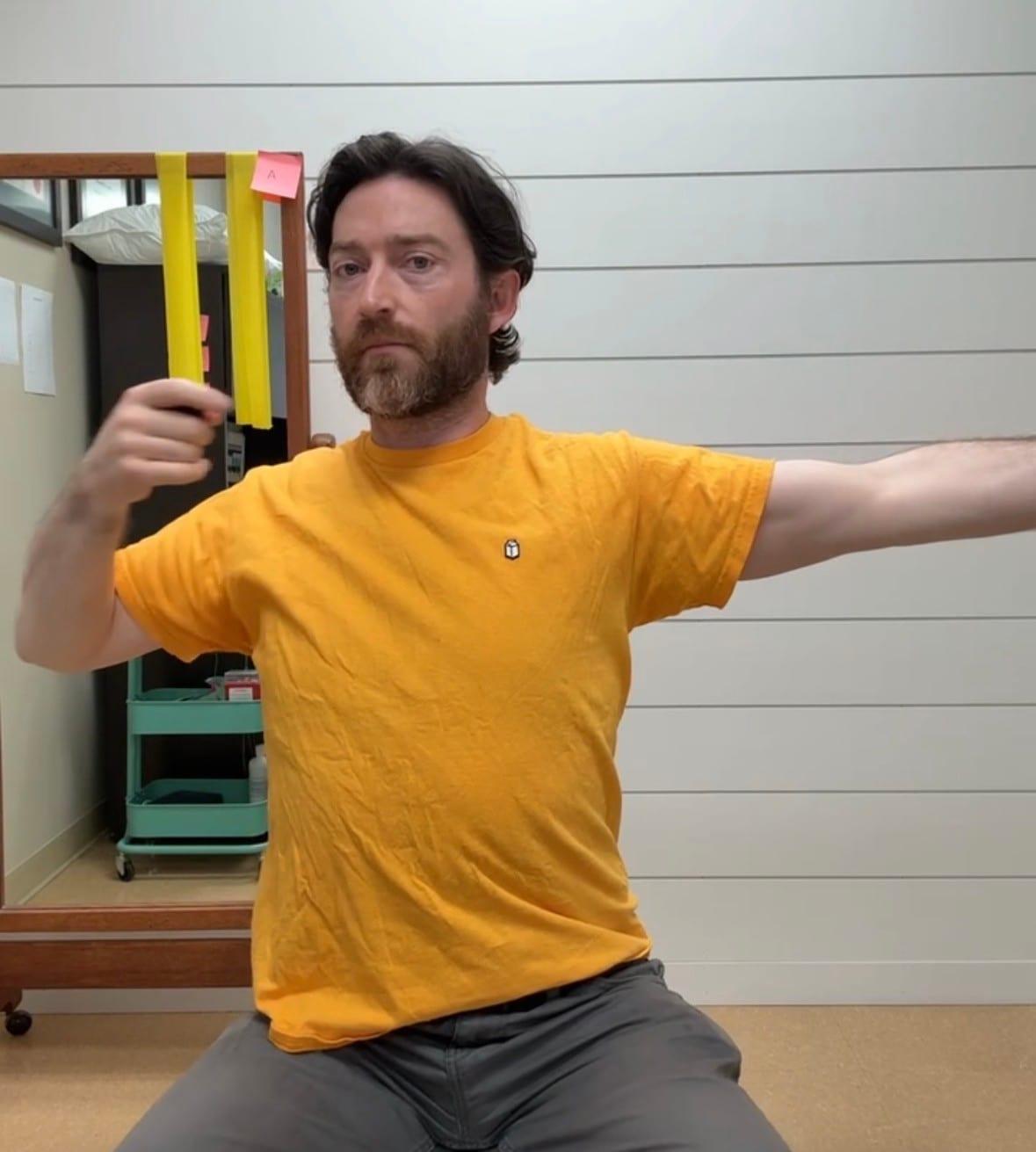
- Physiotherapy with exercises to build strength in the deep neck and shoulder muscles, plus advice on your desk and sleep setup.
- Massage therapy, acupuncture or dry needling to ease tight, tender muscles around the neck and shoulders.
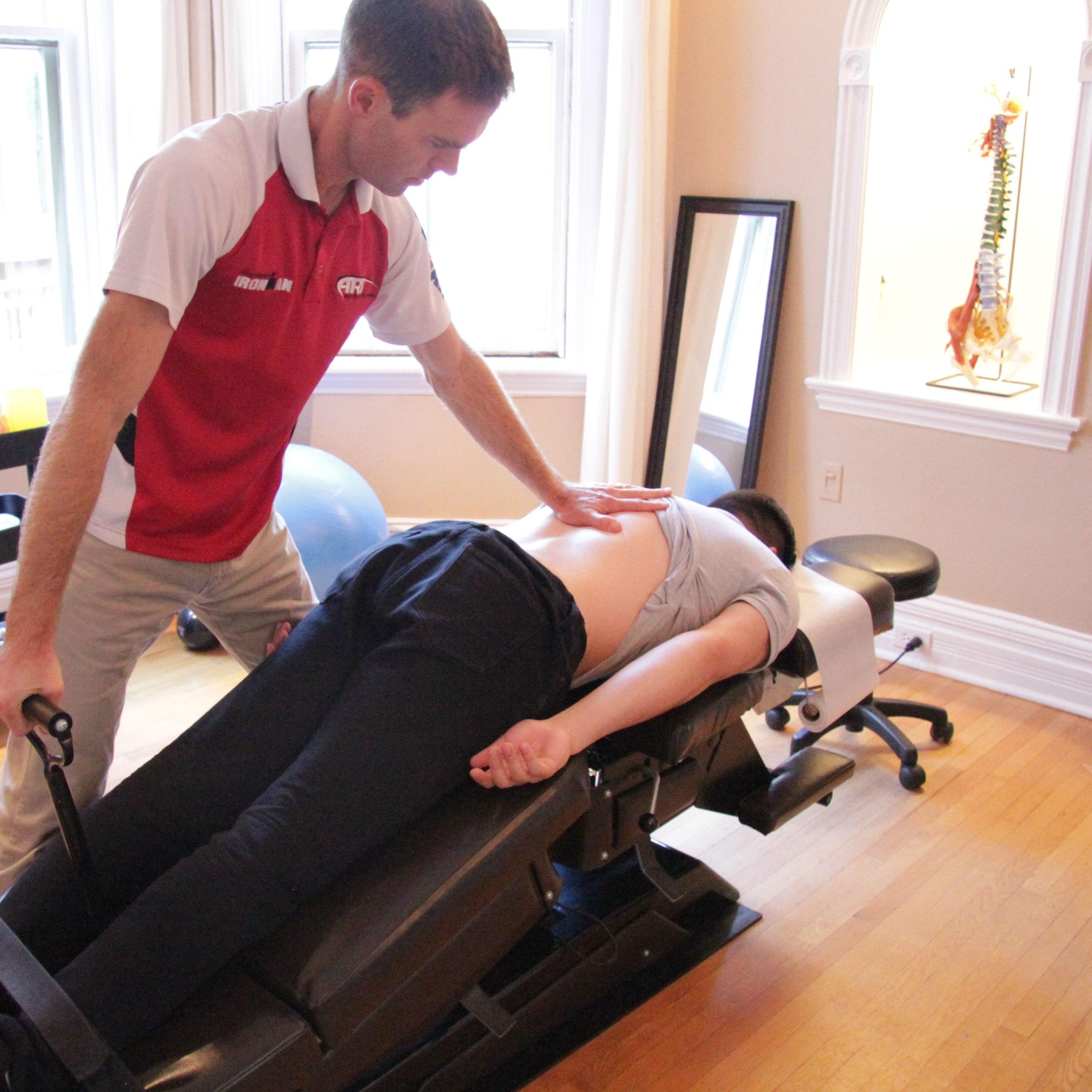
This is integrative care. At our Lowertown clinic, chiropractic and physiotherapy share one space, so the person adjusting your neck and the person building your exercise plan are working side by side.
Between visits you'll have a short set of exercises to do at home. If you'd like more structure, the Spine Care PhysioYoga class at Centretown is a small-group option that fits between treatments.
How Long Does Recovery Take?
It depends on the source and how long it's been there. A stiff neck from a bad night or a minor strain often eases within days to a couple of weeks with gentle movement. Pain linked to an irritated nerve, or neck pain that has built up over months of long desk days, usually takes longer to change, and progress tends to come in steps rather than all at once.
A few things affect the timeline: how long you've had it, whether there are arm symptoms, your sleep and stress, and how consistently you keep up with your exercises between visits. Your practitioner will give you an honest estimate after your assessment, check your progress at each visit, and change the plan if things aren't moving the way they should.
Common Questions About Neck Pain
Do I need a doctor's referral to book?
Is treatment for neck pain covered by insurance?
Should I wait to see if it settles before booking?
Will I need an X-ray or MRI?
Book Neck Pain Treatment in Ottawa
Start with an assessment at one of our clinics across Ottawa or in Carleton Place. We'll explain what we find and agree on a plan with you before any treatment begins.