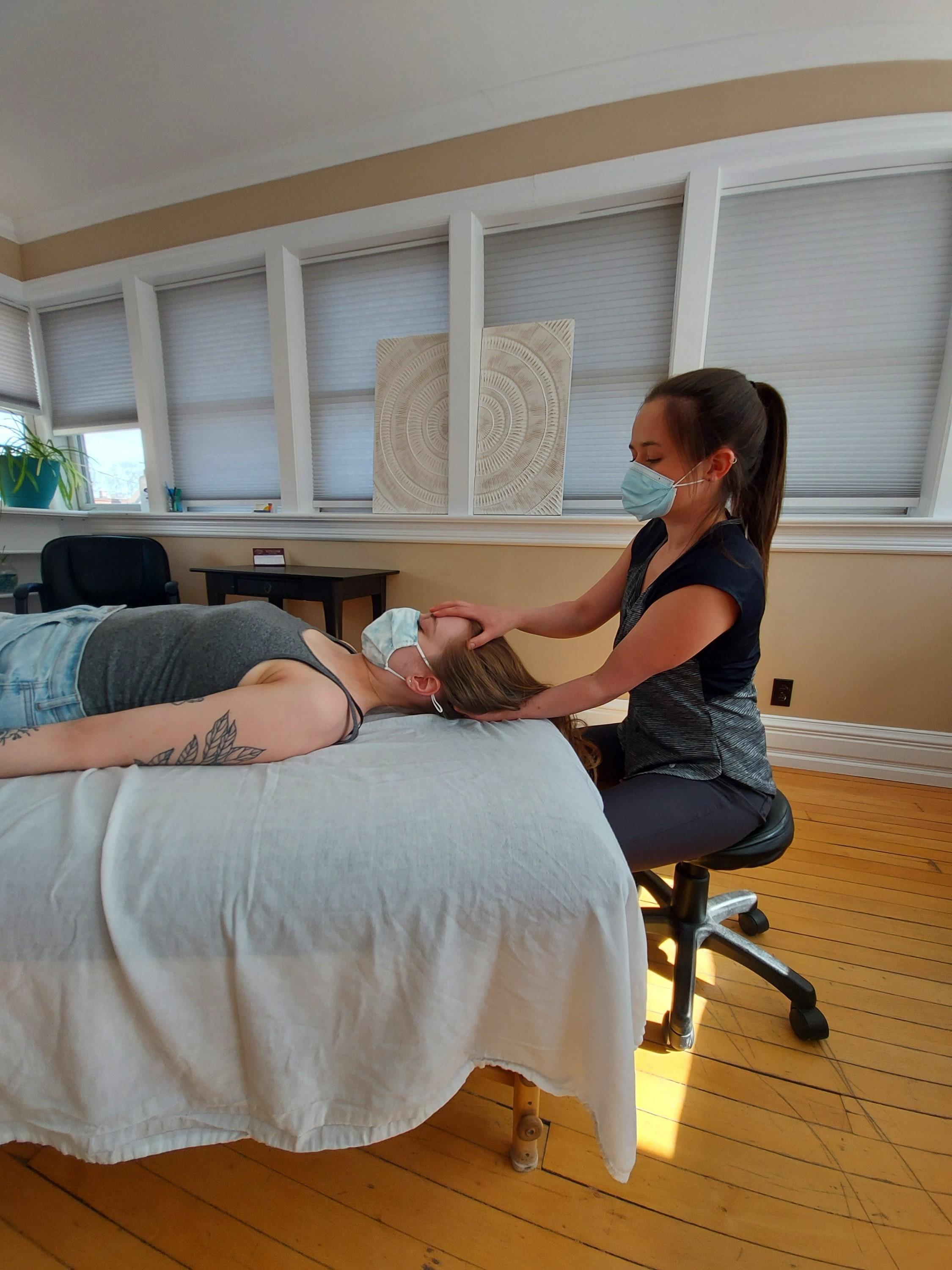
Headache Treatment in Ottawa
Tension-type and neck-related headaches, assessed and treated by chiropractors, physiotherapists, massage therapists and an acupuncturist.
- 4.9 from 368 Google reviews
- Appointments until 8pm on weekdays
- Weekend appointments
What Are Tension-Type and Neck-Related Headaches?
Headache treatment in Ottawa at Integrate Healthcare Collective starts with figuring out which type of headache you have. We focus on two types that often respond to hands-on care and exercise.
A tension-type headache feels like pressure or a tight band around the head. It's linked to tension in the muscles of the scalp, neck and shoulders, and it tends to build over the day.
A cervicogenic headache starts in the neck. Pain from the joints, muscles and nerves of the upper neck refers up into the head, so you feel it at the base of the skull, behind the eye or across the forehead. It usually sits on one side and often comes with neck pain or stiffness.
The two can overlap. One person can have both, which is part of what the assessment sorts out.
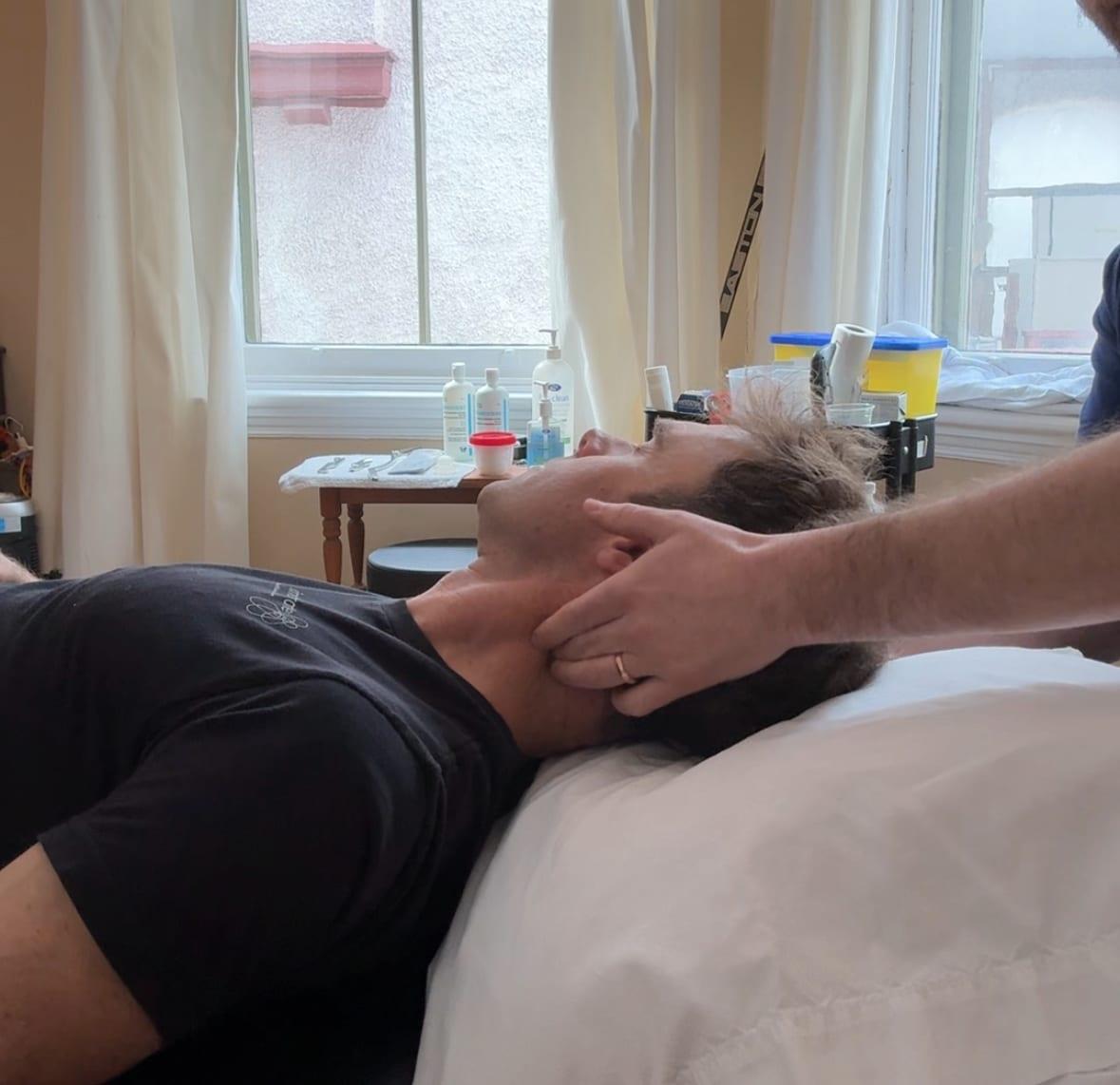
What Do These Headaches Feel Like?
A tension-type headache is usually a dull, steady ache rather than a throb. It presses on both sides of the head, across the forehead or around the back. Your neck and shoulders may feel tight and sore to touch.
A neck-related headache has a different pattern. It often starts at the base of the skull on one side and spreads forward. Turning your head, looking down at a screen or holding one position for a long time can bring it on or make it worse. It may come with a stiff neck, an ache between the shoulder blades or reduced movement when you check your blind spot.
Some signs point toward a headache that's coming from your neck or muscles:
- It builds through the day and eases with rest
- Certain neck positions or movements set it off
- Pressing on tight spots in your neck or shoulders reproduces it
When Is a Headache a Reason to See a Doctor First?
A mild tension headache might come and go with a long week. A moderate one may show up several times a week and get in the way of work or sleep. Both are reasons to book an assessment with us.
Some headaches need medical care before anything else. Call 911 or go to an emergency department if you have a sudden, severe headache that feels like the worst of your life, a headache with fever and a stiff neck, or a headache with weakness, numbness, slurred speech, confusion or changes in your vision.
See your family doctor or nurse practitioner if your headaches are new after age 50, are changing in pattern, wake you from sleep or keep getting worse. During your assessment we screen for these warning signs, and if we see one we'll refer you on rather than start treatment.

What Causes Them and Who Gets Them
Long hours at a desk or laptop, with the head pushed forward and the shoulders lifted, put steady load on the muscles and joints of the upper neck. Driving, carrying a heavy bag on one shoulder and looking down at a phone add to it.
Stress and poor sleep turn up the volume. Clenching or grinding your teeth can feed into headaches too, and it often travels with jaw pain. A past neck injury, such as whiplash from a car accident, can leave the upper neck sensitive for a long time afterward.
These headaches show up in office workers, students, parents carrying small children and anyone whose day keeps them in one position. Nobody needs a single cause. More often it's a few of these stacking up.
How We Assess Your Headaches
The first visit is about finding where your headaches are coming from before any treatment starts.
- 1
Your headache history
We ask when they started, where you feel them, how often they come, what sets them off and what helps. Bring a list of any medications, and a headache diary if you keep one. - 2
Screening for warning signs
We check for signs that point to something needing medical care, and refer you to your doctor if we find one. - 3
Neck, jaw and posture exam
We look at how your neck and upper back move, test the joints of the upper neck to see if pressing there reproduces your headache, and check the muscles of your neck, shoulders and jaw. - 4
A plan you agree to
We explain what we found, what treatment we suggest, who on the team you'd see and what it costs. Nothing starts until you've said yes.
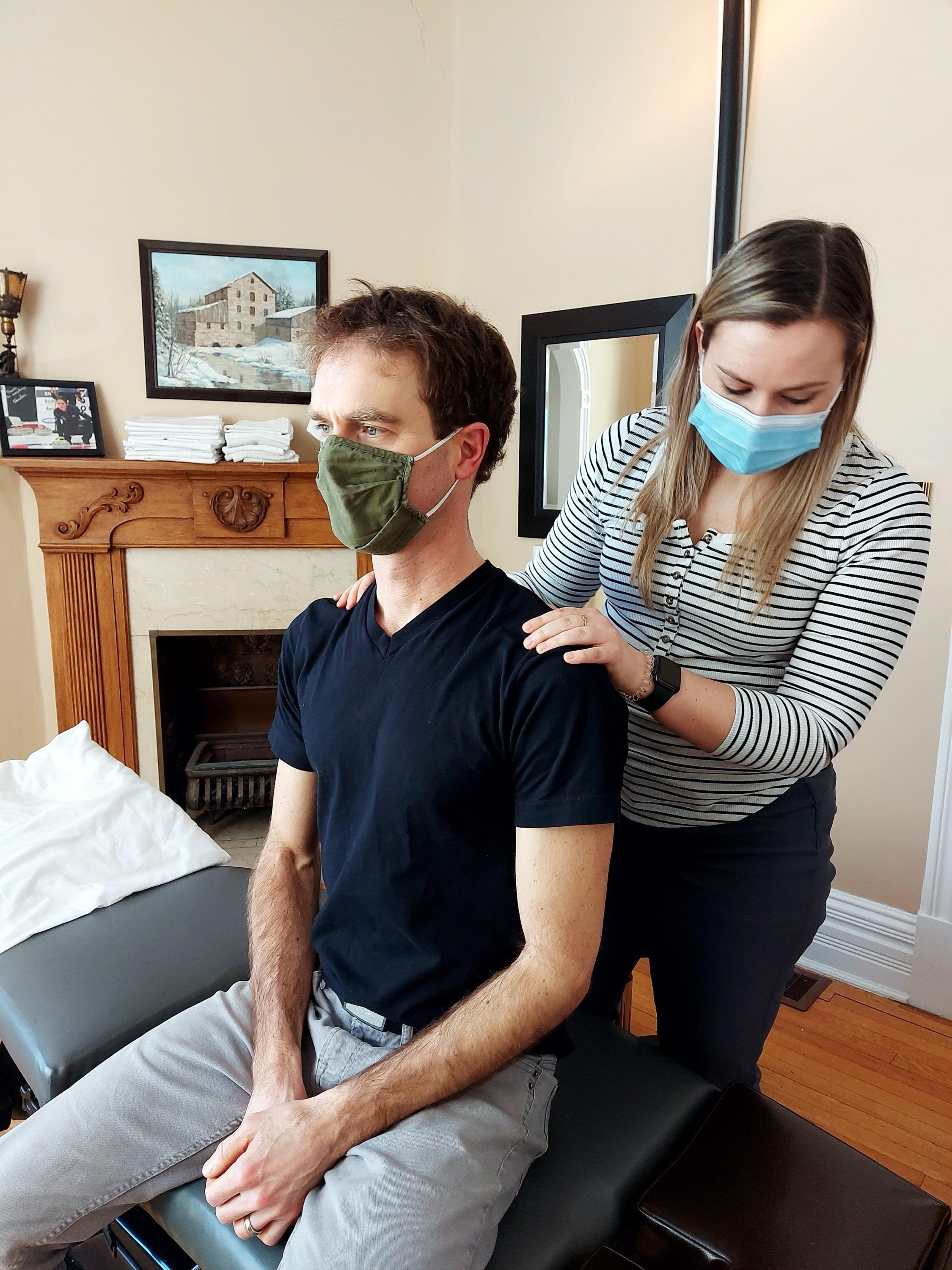
What Treatment Looks Like
Early on, treatment aims to calm the sore joints and tight muscles that may be driving your headaches. Later, the focus shifts to building strength and changing the habits that keep setting them off.
Depending on what the assessment shows, your plan can include:
- Joint mobilization or adjustments of the neck and upper back with a chiropractor
- Exercises for neck strength, upper back mobility and posture through physiotherapy
- Soft tissue work for the neck, shoulders and jaw with massage therapy, or acupuncture for muscle tension
We're a collaborative team. Chiropractors, physiotherapists, massage therapists and an acupuncturist all practise here, so if your chiropractor thinks the muscles of your jaw need attention, the RMT who can work on them is part of the same clinic.
Between visits you'll have a few exercises to do at home, along with changes to your desk setup and reminders to break up long stretches in one position. Keeping a headache diary helps us see what's changing.
How Long Does Headache Recovery Take?
It depends on what's behind your headaches and how long you've had them. Headaches that started recently with a clear trigger may settle sooner. Ones that have built up over months or years, or that come with neck stiffness and jaw clenching, tend to take longer.
Other things move the timeline: how often the headaches come, how well you're sleeping, your stress load, and how consistent you are with exercises and desk changes between visits.
After your assessment your practitioner will give you an estimate of how many visits to expect, and we reassess at each one. You may notice changes in how often the headaches come or how strong they are. If they aren't changing, we'll talk about next steps, which can include a referral back to your doctor.
Problems That Often Travel with Headaches
Neck Pain and Stiffness
Jaw Pain and Teeth Clenching
Whiplash After a Car Accident
Upper Back and Shoulder Tension
Headaches After a Concussion
Common Questions About Headache Treatment
Do I need a doctor's referral to book for headaches?
Do you treat migraines?
What if my headaches started after a hit to the head?
Is headache treatment covered by insurance?
Should I keep taking my headache medication?
Book Headache Treatment in Ottawa
Book an assessment at our Ottawa clinic and we'll look at your neck, jaw and posture to find what's driving your headaches.