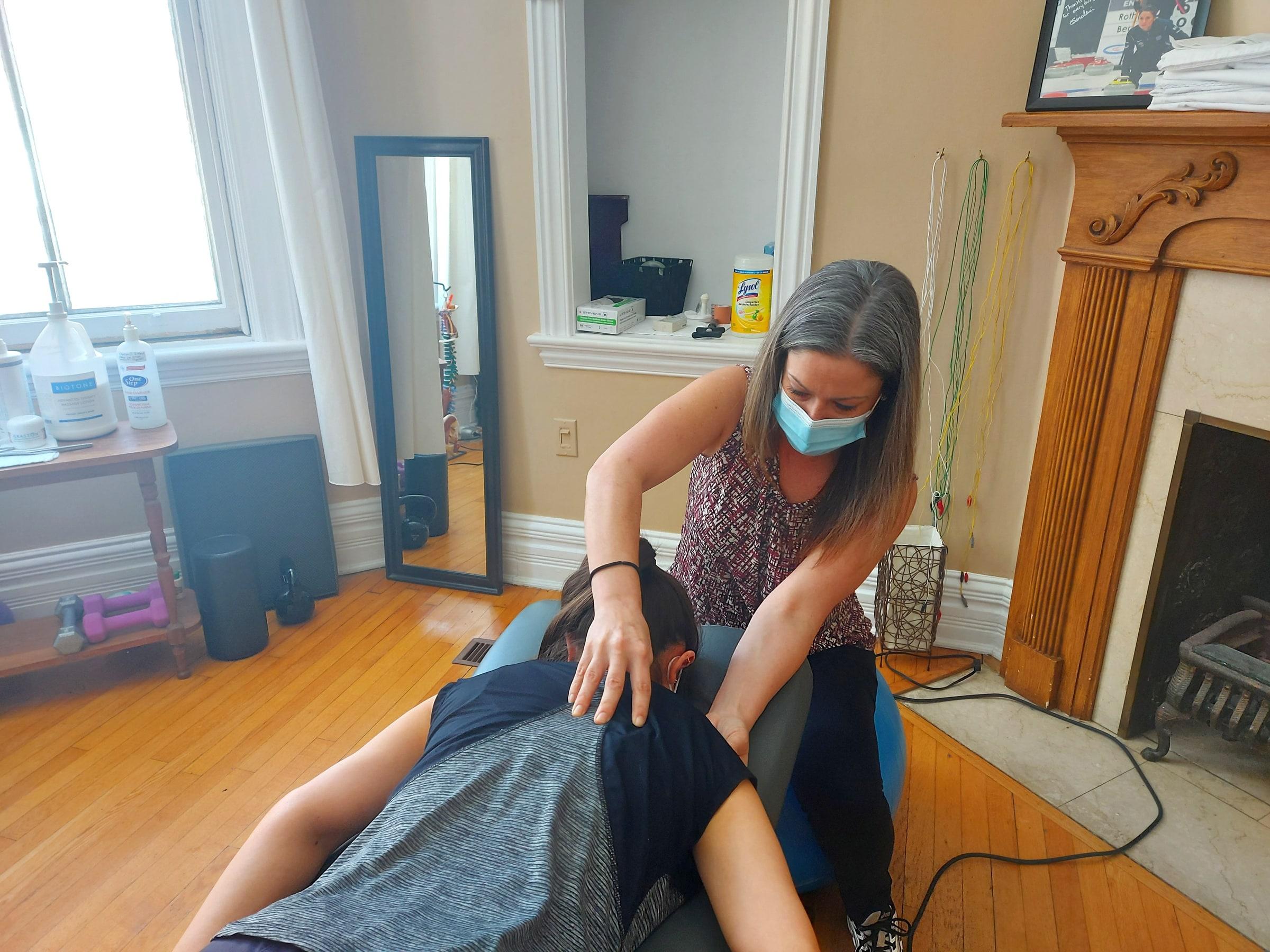
Low Back Pain Treatment in Ottawa
Chiropractors, physiotherapists, RMTs and osteopaths under one roof, working out what's irritating your back and helping you move with less pain.
- 4.9 from 368 Google reviews
- Appointments until 8pm on weekdays
- Weekend appointments
What Is Low Back Pain?
What Does Low Back Pain Feel Like?
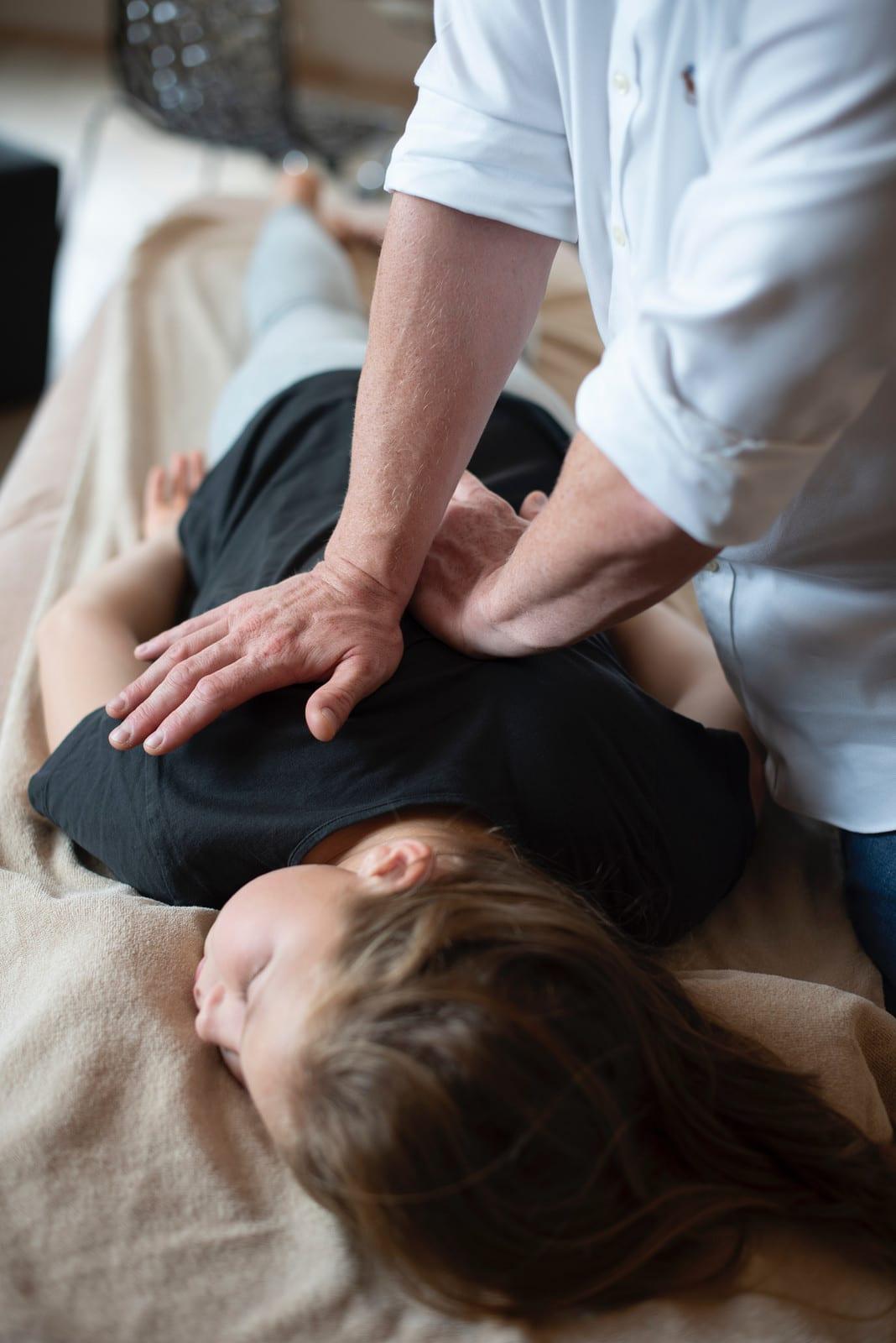
It can be a dull ache across the belt line, a sharp catch when you bend to put on socks, or stiffness that takes the first hour of the morning to loosen. Some backs hurt most after a long meeting or a drive. Others protest when you stand still, like waiting in line or washing dishes.
Pain that stays in the back tends to come from the joints, discs or muscles there. Pain that shoots down the buttock and leg, sometimes with tingling or numbness, suggests a nerve root is involved. That's often called sciatica. Where the pain spreads, and what eases it, tells us which structure to look at first.
Mention night pain at your visit. Pain that eases when you shift position is usually mechanical. Pain that stays the same however you lie needs a closer look.
How Serious Is My Back Pain?
Mild back pain lets you get through the day with some stiffness and the odd twinge. You can work, sleep and walk, even if you're moving with care.
Moderate pain gets in the way. Sitting through a workday is hard, you're waking at night, or a sharp catch stops you mid-movement. This is the range where an assessment and a clear plan may help you settle things sooner.
Severe pain stops you standing upright or walking more than a short distance. Pain running down both legs (bilateral leg pain) belongs in this group too, and it should be checked promptly.
See a doctor or go to emergency right away if back pain comes with new trouble controlling your bladder or bowels, numbness in the groin or inner thighs, leg weakness that's getting worse, fever, unexplained weight loss, or pain after a serious fall or car accident. These can point to a problem that needs medical care first. If we find any of them at an assessment, we'll refer you on.
What Causes Lower Back Pain and Who Gets It?
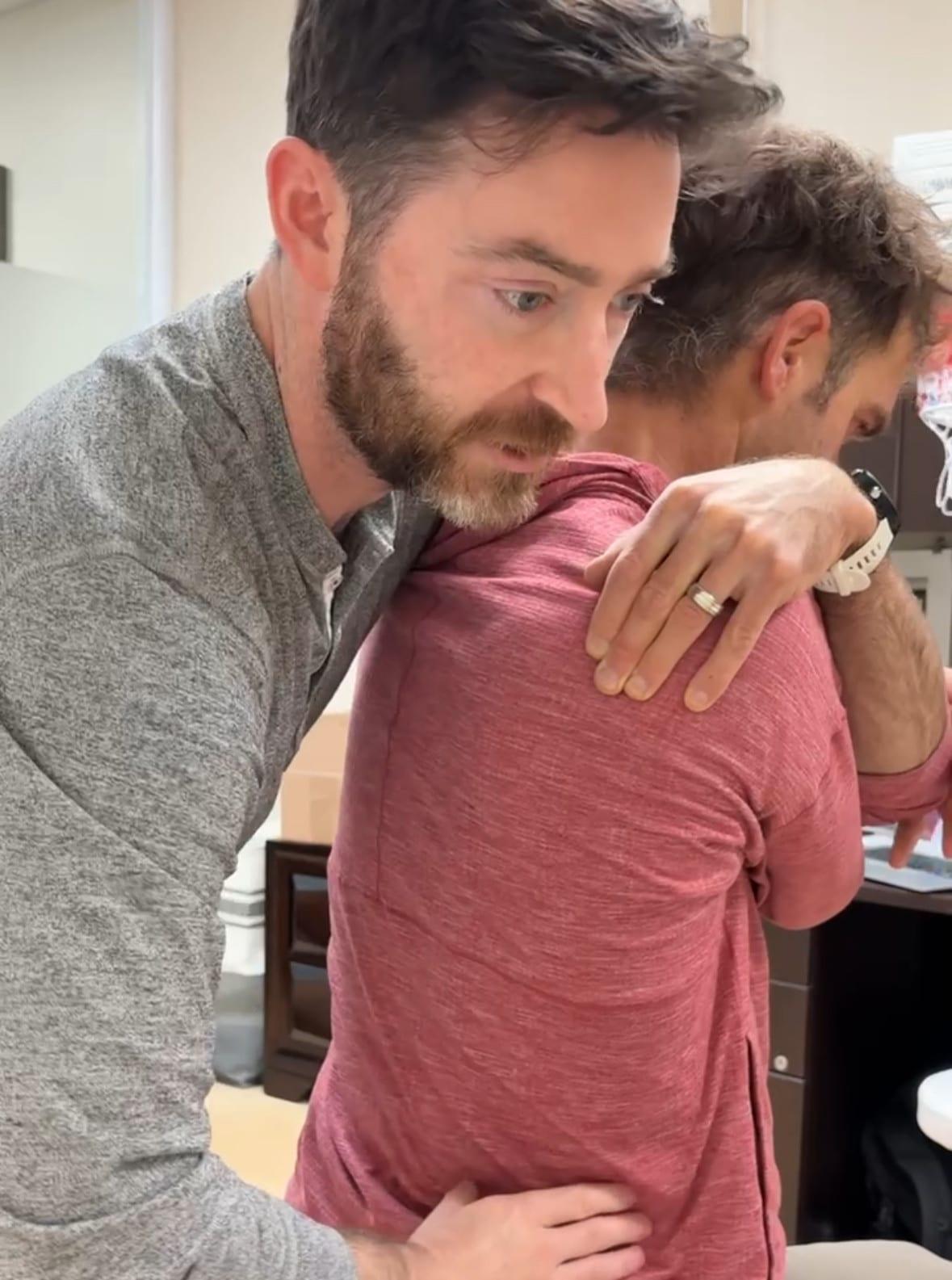
A strained muscle or ligament is a frequent cause, often after lifting, a sudden twist, or shovelling a heavy Ottawa snowfall. Irritated discs and facet joints are others. Long stretches of sitting can leave the back stiff and sore, and so can a return to activity after weeks off.
Sometimes there's no clear trigger. You bend to pick up a pen and your back seizes. That doesn't mean something is badly damaged. It usually means the tissues were already sensitive and that movement tipped them over.
Back pain turns up in desk workers and in people who lift for a living, in parents carrying small children, in runners and hockey players, and during and after pregnancy. Poor sleep and stress don't cause back pain on their own, but they can make a sore back feel worse and slow how quickly it settles.
How We Assess Your Back
Before any treatment, we want to understand what's going on and agree on a plan with you.
- 1
Your Story
When it started, what makes it better or worse, how it affects your sleep and work, past episodes, and what you want to get back to. - 2
Screening Questions
We ask about your general health, bladder and bowel function and any numbness, to rule out anything that needs a doctor first. - 3
Movement Testing
We watch you bend, twist, sit and stand, and note which movements bring on your pain and which ease it. - 4
Hands-On and Nerve Checks
We feel the joints and muscles of your back and hips, and test leg strength, reflexes and sensation to see whether a nerve is involved. - 5
A Plan You Agree To
We explain what we think is going on, the treatment options, the fees and what you can expect, then decide on next steps together.
What Does Treatment for Low Back Pain Look Like?
Early on, the aim is calming things down so you can sleep and move. Later, it's building strength and confidence so your back can handle what your days ask of it. Treatment may include:
- Hands-on care from a chiropractor, physiotherapist, osteopath or RMT, such as joint mobilization, spinal manipulation where it suits you, and soft tissue work.
- Needling with acupuncture or dry needling, which can help ease muscle guarding around a sore back.
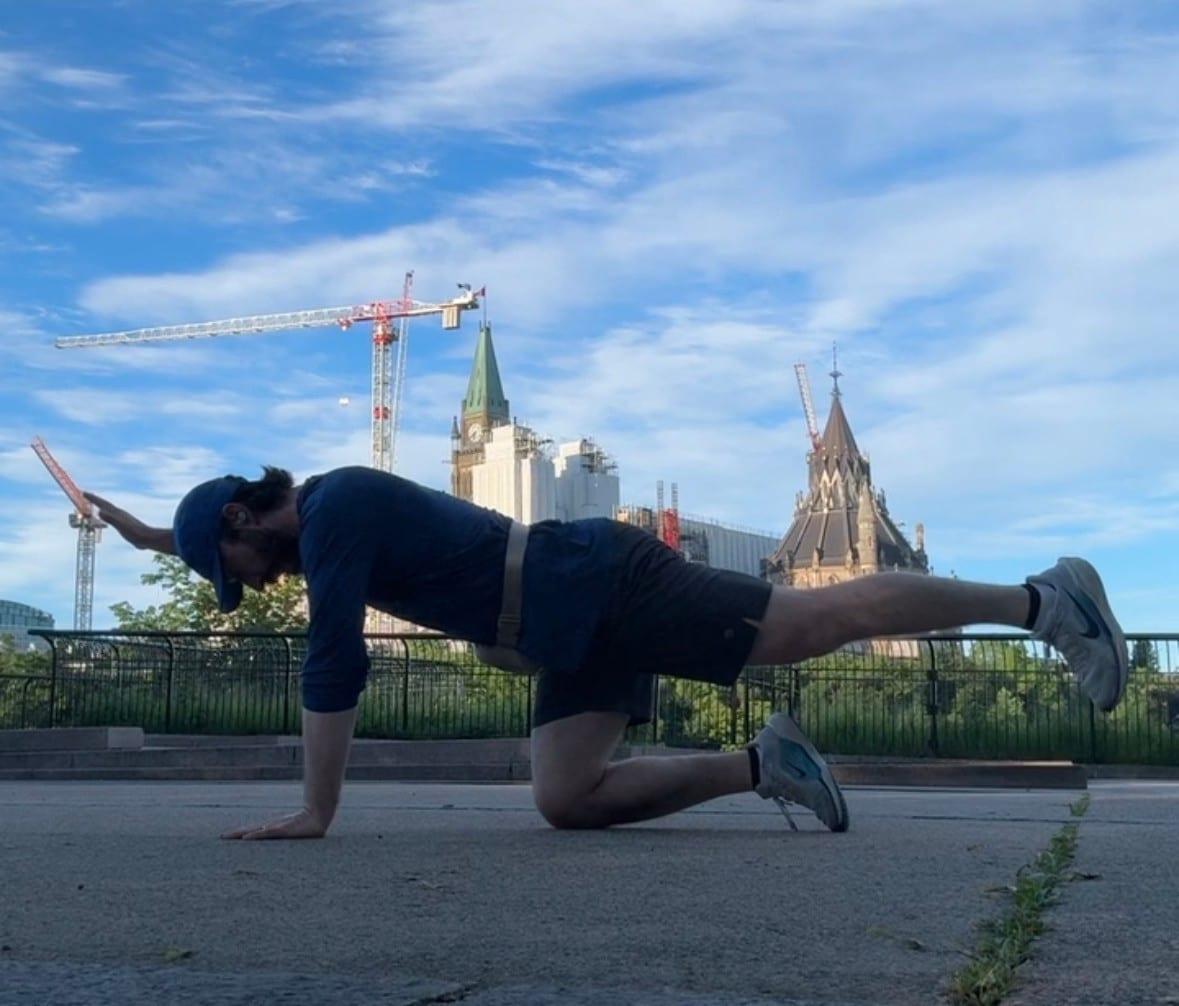
- Exercise you do at home, starting with gentle movement and walking, then building to strength work for your hips and trunk.
Between visits, staying active usually helps more than resting in bed. We'll show you which movements to keep doing and which to ease off for now.
When you're ready to keep progressing in a group, Spine Care PhysioYoga at our Centretown clinic is a small class taught by a physiotherapist for people with back or neck pain. That's integrative care: the chiropractor, physiotherapist and RMT working on your back are in the same building, so bringing another one in is a conversation down the hall.
How Long Does Low Back Pain Take to Recover?
A straightforward strain or flare often settles over a few days to a few weeks, especially if you keep moving. Back pain that has lasted more than three months, or keeps coming back, tends to take longer. Expect steady work on strength and movement over a couple of months before you notice a lasting change.
Several things move the timeline: how long you've had the pain, whether a nerve is involved, how well you're sleeping, how much your job loads your back, and how consistently you do your home exercises.
No one can promise a date. After your assessment we'll give you our estimate, then check it against how you're doing at each visit and adjust the plan if progress stalls.
Common Questions About Low Back Pain
Do I need a doctor's referral?
Do I need an X-ray or MRI first?
Should I use ice or heat?
How soon should I book?
Is treatment for back pain covered by insurance?
Book Low Back Pain Treatment in Ottawa
Tell us how your back is behaving and we'll start with an assessment at one of our Ottawa clinics. You'll leave knowing what we think is going on and what to do next.