Sciatica Treatment in Ottawa
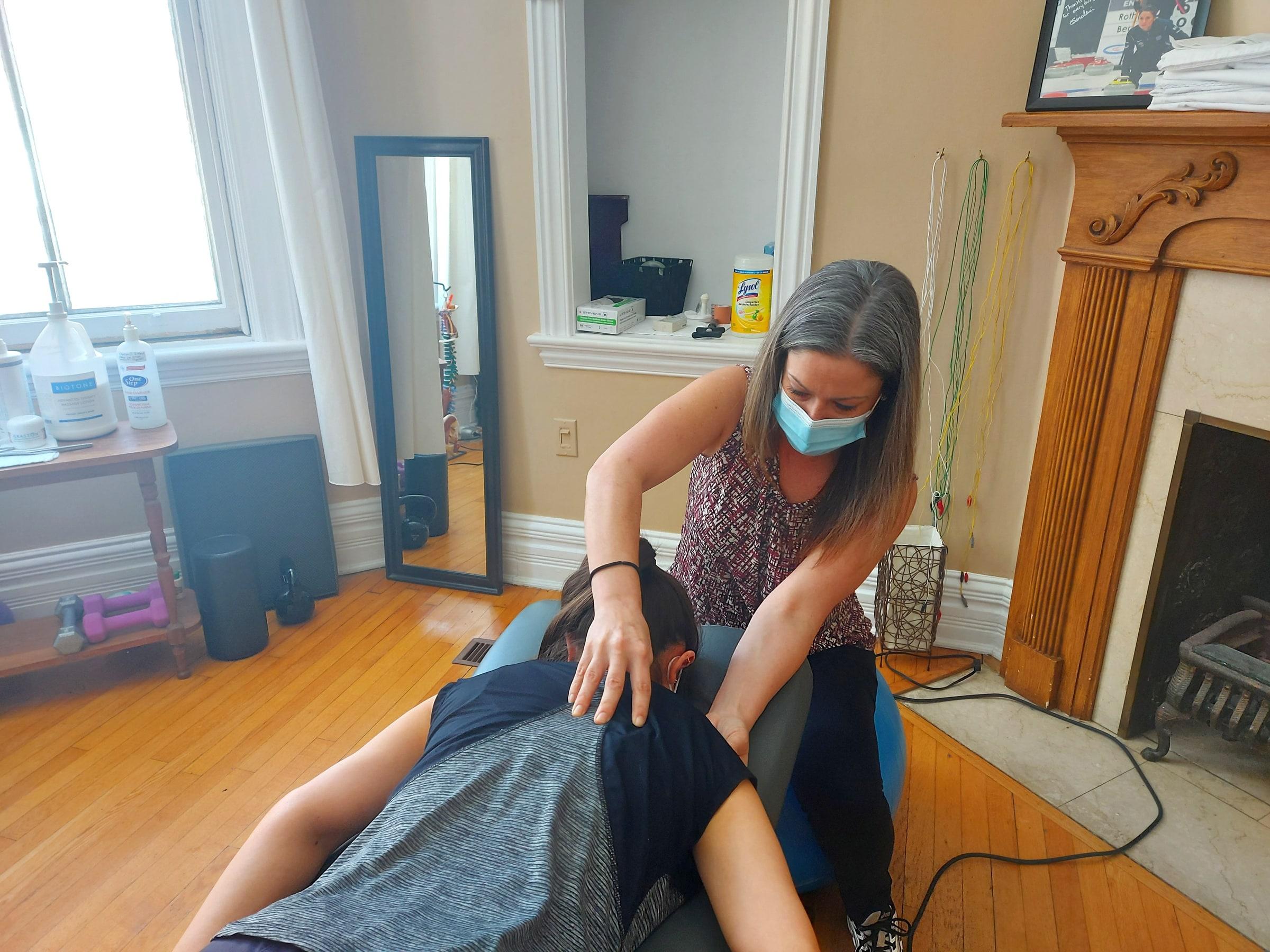
Leg pain that starts in your low back can be assessed and treated with chiropractic, physiotherapy, acupuncture or dry needling at Integrate Healthcare Collective.
- 4.9 from 368 Google reviews
- Appointments until 8pm on weekdays
- Weekend appointments
- 4
- Ways we treat it: chiropractic, physiotherapy, acupuncture and dry needling
- Since 2016
- Serving Ottawa
What Is Sciatica?
Sciatica is pain that travels along the sciatic nerve, from your low back or buttock down the back of your leg. Sciatica treatment at our Ottawa clinics starts with finding out what's irritating that nerve.
The sciatic nerve is built from nerve roots that leave the lower spine. They join in the buttock, run down the back of the thigh and branch below the knee into the calf and foot. Irritation anywhere along that path can send symptoms down the leg.
Sciatica describes where the pain goes. It isn't a diagnosis on its own. The usual sources are a disc bulge or herniation pressing on a nerve root, narrowing of the spaces where the nerves exit the spine (stenosis), and sometimes irritation from the muscles deep in the buttock. If a scan report or a doctor's note says "lumbar radiculopathy" or "nerve root compression", that's the same picture in clinical words.
It often arrives with or after an episode of low back pain, though some people feel it mostly in the leg with little back pain at all.
What Does Sciatica Feel Like?
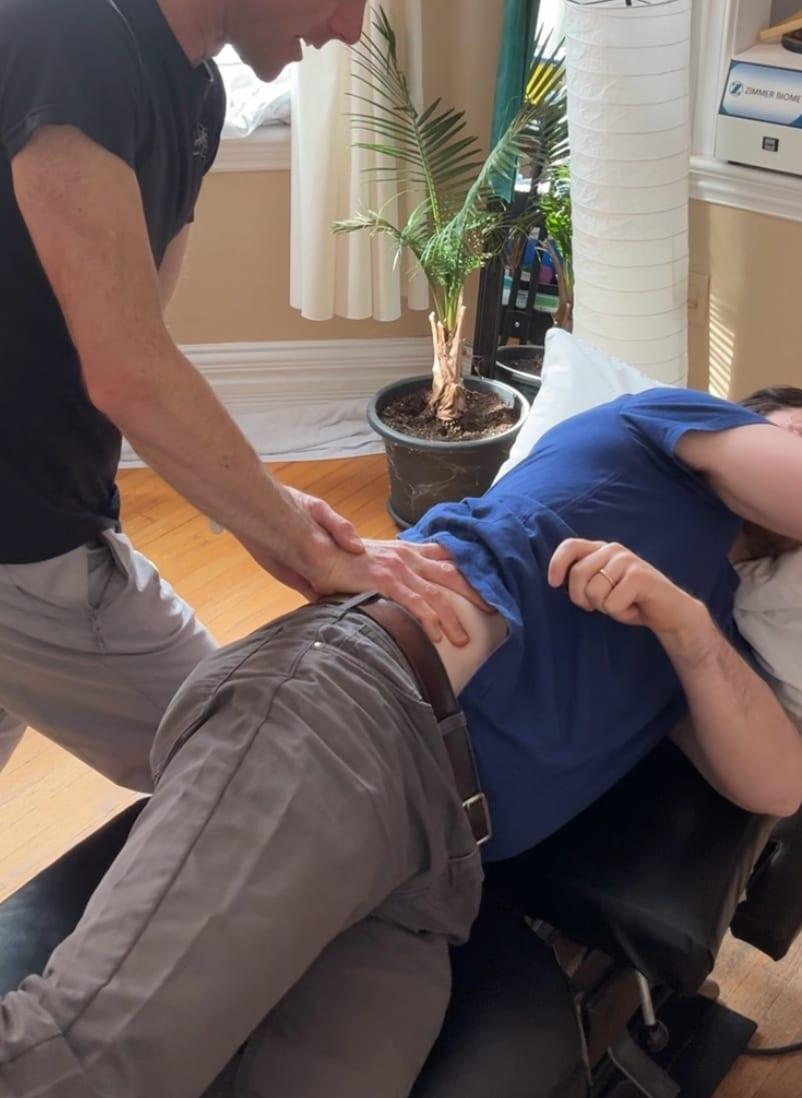
Sciatica usually affects one leg. The leg often hurts more than the back, which is one of the clearest signs that a nerve is involved rather than a strained muscle.
You might feel:
- A sharp, burning or electric pain running from the buttock down the back or side of the thigh, sometimes past the knee into the calf or foot
- Pins and needles, numbness or a cold feeling in the calf, foot or toes
- Weakness when you push off your toes or lift the front of your foot
Sitting for a long time, bending forward, getting out of a car, coughing and sneezing can all make it flare. Mornings are often stiff. Some people find walking eases it, while others find standing and walking make the leg worse and sitting brings relief. That difference helps point to where the irritation is coming from.
How Serious Is It?
Mild sciatica comes and goes. You can still walk, sit through a meeting and sleep, with an ache or tingle that flares with certain positions.
Moderate sciatica is more constant. Leg pain wakes you at night, sitting becomes hard to tolerate, and numbness or tingling sticks around between flares.
Severe sciatica brings weakness: your foot slaps when you walk, you can't rise onto your toes, or the leg gives way. Symptoms in both legs (bilateral sciatica) also need closer attention. These cases need a careful assessment and often a medical opinion alongside hands-on care.
Go to an emergency department right away if you notice new trouble controlling your bladder or bowels, numbness around your groin or inner thighs, or weakness in your legs that's getting worse quickly. These can be signs of a condition that needs urgent medical care, not a clinic visit.
Scans aren't always needed early on. If your assessment suggests imaging or a medical review would help, we'll tell you and coordinate with your family doctor or nurse practitioner.
What Causes Sciatica and Who Gets It?
A disc herniation is a common cause. The soft centre of a spinal disc pushes outward and irritates a nearby nerve root, which can happen after lifting, twisting or with no clear trigger at all.
Spinal stenosis is a narrowing of the canal or openings the nerves pass through. It becomes more common with age and tends to cause leg pain with standing and walking that eases when you sit or lean forward.
Other sources include a vertebra slipping slightly forward on the one below, and irritation where the nerve passes through the muscles of the buttock. Sciatica can also show up in pregnancy, as posture and load change, and it's part of what we look at with pregnancy-related pain.
Long hours at a desk or behind the wheel, heavy or repeated lifting, previous back episodes and smoking are all linked with a higher chance of sciatica.
How We Assess Sciatica
An assessment looks for what's irritating the nerve, and that guides everything that follows.
- 1
Your history
We ask where the pain travels, what sets it off, what eases it, how you're sleeping and how it's affecting work and daily life. We also check for warning signs, including any change in bladder or bowel control. - 2
Movement and nerve testing
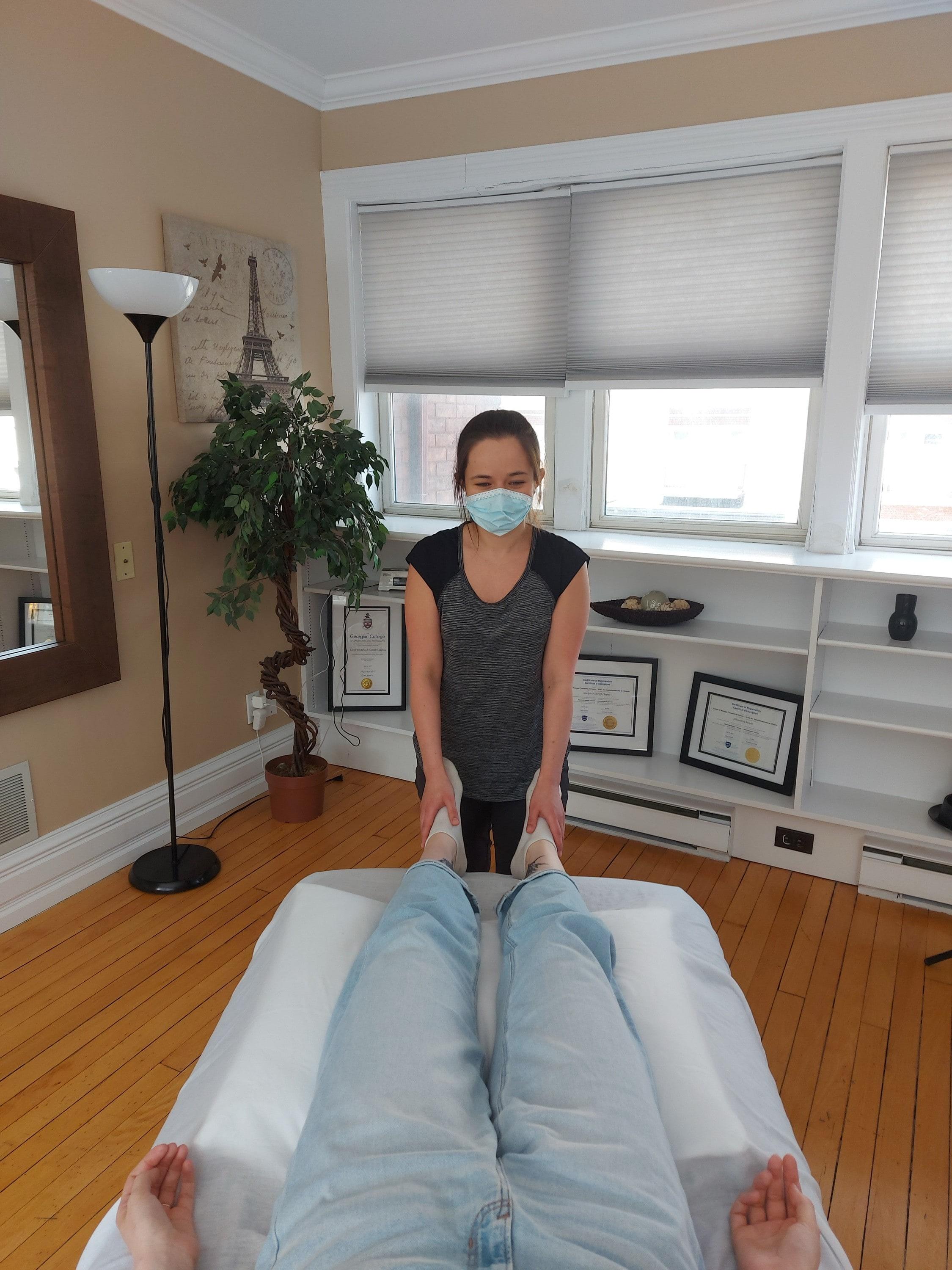
We watch how your back and hips move, then test the nerve itself: leg raises, the slump test, reflexes, strength in your foot and toes, and sensation along the leg. These tests help tell a nerve root problem apart from hip or muscle pain. - 3
Your findings and plan
We explain what we found in plain terms, talk through your options and agree on a plan together. If something points to a medical issue, we'll say so and help you get a referral.
What Sciatica Treatment Looks Like
Early on, the aim is to settle the irritated nerve. That means finding positions and movements that ease the leg pain, keeping you gently active and using hands-on care to reduce pain and protect sleep.
As the leg symptoms ease, the focus shifts to strength, nerve mobility and getting you comfortable sitting, lifting, running or doing whatever your days involve. Between visits you'll have a short set of home exercises, and walking is usually part of the plan.
- Chiropractic care may include spinal manipulation or mobilization, soft tissue work and advice on positions that take pressure off the nerve.
- Physiotherapy focuses on graded exercise, nerve gliding and a return to the movements you've been avoiding.
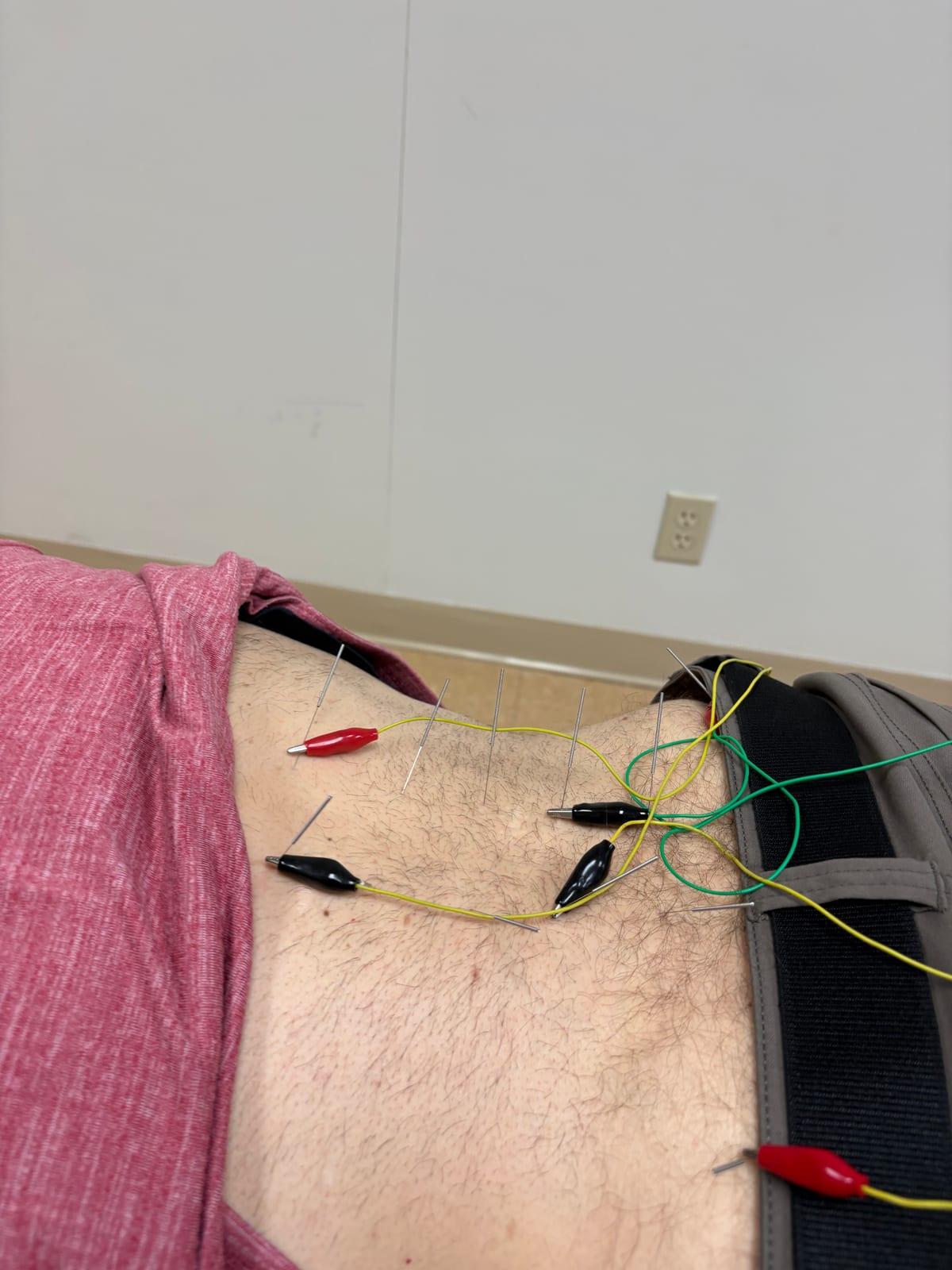
- Acupuncture and dry needling can help with pain and tight muscles around the low back and buttock.
collaborative team. Chiropractors, physiotherapists and a registered acupuncturist all practise at Integrate, so if your plan shifts from adjustments to exercise or needling, you stay with practitioners who can share your notes with your consent. Once the leg settles, Spine Care PhysioYoga is a class built for spine conditions, sciatica included.
How Long Does Sciatica Take to Recover?
Recovery time varies with the cause and how long the nerve has been irritated. Sciatica from a disc often eases over several weeks, and some cases take a few months to settle fully. Stenosis-related leg pain tends to be something you manage over time rather than something that clears for good.
A few things can move the timeline. Symptoms that started recently tend to settle sooner than ones you've had for a long time. Numbness or weakness may take longer to improve than pain. Poor sleep, a job with long sitting or heavy lifting, and stress can all slow things down, while staying gently active usually helps.
We reassess as you go. If your leg isn't improving the way we'd expect, we'll talk about changing the plan or getting a medical opinion, so you aren't left waiting on something that isn't moving.
Related Back and Leg Problems
Low Back Pain
Disc Bulge or Herniation
Spinal Stenosis
Hip and Buttock Pain
Pregnancy-Related Back and Leg Pain
Common Questions About Sciatica
Do I need a doctor's referral to book?
Should I rest in bed until it passes?
What pays for sciatica treatment?
How soon should I book after it starts?
What happens if it doesn't get better?
Book Sciatica Treatment in Ottawa
Tell us where the pain travels and what sets it off, and we'll build your plan from there. Book with a chiropractor or physiotherapist at the Ottawa location closest to you.