Pregnancy-Related Pain Treatment in Ottawa
Low back, pelvic girdle, pubic bone and SI joint pain, sciatica and carpal tunnel during pregnancy, assessed by pelvic health physiotherapists and supported with prenatal yoga and massage.
- 4.9 from 368 Google reviews
- Appointments until 8pm on weekdays
- Weekend appointments
What Is Pregnancy-Related Pain?
Pregnancy-related pain is the name for aches that start or flare while you're pregnant. At Integrate Healthcare Collective in Ottawa we assess and treat low back pain, pelvic girdle pain, pain at the pubic bone and the sacroiliac (SI) joints, sciatica and carpal tunnel symptoms in pregnancy.
The pelvic girdle is the ring of bone at the base of your spine. Two hip bones and the sacrum form it, joined at the back by the SI joints and at the front by the pubic symphysis. When that front joint is irritated, you may see it written as symphysis pubis dysfunction, or SPD.
Carpal tunnel is different again. It's pressure on the median nerve where it passes through the wrist, and it can bring numbness and tingling into your thumb and fingers.
What Does Pelvic and Back Pain in Pregnancy Feel Like?
Pelvic girdle pain tends to sit low: across the back of the pelvis, deep in the buttock, in the groin or right over the pubic bone. It can feel sharp, achy, or like the pelvis is catching. Rolling over in bed, getting in and out of the car, standing on one leg to put on pants and climbing stairs are common triggers. You may hear or feel a click at the front.
Low back pain usually sits higher, around the waist, and builds through the day or after long stretches on your feet. Sciatica sends pain, tingling or numbness down the back of the leg.
Carpal tunnel symptoms show up in the hand. They're often worse at night or first thing in the morning, after your wrists have been bent for hours.
How Serious Is It, and When Should You Call Your Doctor?
Mild pain comes and goes, and a few changes to how you move get you through the day. Moderate pain starts to get in the way of your day: you plan around stairs, avoid certain chairs or wake each time you turn over. Severe pelvic pain can make walking and getting out of bed hard. It's worth an assessment at any of these levels, and you don't need to wait for it to get worse.
Pain in pregnancy isn't always coming from joints and muscles. Call your doctor, your midwife or the hospital right away if back or pelvic pain comes with vaginal bleeding, leaking fluid, regular tightening or cramping, fever, pain when you pee, a sudden severe headache or sudden swelling.
Numbness between your legs, new trouble controlling your bladder or bowels, or weakness in both legs needs urgent medical care. If anything in your assessment points toward a medical cause, we'll refer you to the right person.
What Causes Pregnancy Back and Pelvic Pain?
During pregnancy your body releases hormones, including relaxin, that loosen the ligaments around the pelvis so it can open for birth. The joints move more than they're used to, and the muscles around them have to work harder to keep things steady.
Your centre of gravity also moves forward as the baby grows. That changes how your back and hips carry load, while your abdominal muscles stretch and have less to give. Fluid retention can add pressure on nerves, which is one reason carpal tunnel symptoms can appear in pregnancy.
Pain may be more likely if you had back or pelvic pain before, had pelvic pain in an earlier pregnancy, or do physically demanding work. It can also turn up with none of these.
How We Assess Pain During Pregnancy
Your first prenatal physiotherapy appointment is a 60-minute assessment with a pelvic health physiotherapist at one of our Ottawa-area clinics.
- 1
Your Story
How far along you are, where it hurts, what sets it off and how you're sleeping. We'll also ask about earlier pregnancies and anything your doctor or midwife has flagged. - 2
How You Move
We watch you walk, shift your weight, stand on one leg and roll over, and test the pelvic joints, back and hips. You'll be positioned on your side or sitting, whichever is comfortable. - 3
Pelvic Floor, If It's Relevant
Your physiotherapist may talk with you about assessing the pelvic floor. They'll explain what it involves first, and it only happens with your consent. You can say no at any point. - 4
A Plan You Agree To
We explain what we found, go over your options and decide on next steps together, including what to try at home before your next visit.
What Treatment Looks Like Through Pregnancy
- Pelvic health physiotherapy: hands-on treatment, exercises for the hips, back and pelvic floor, and changes to how you sit, sleep and lift.
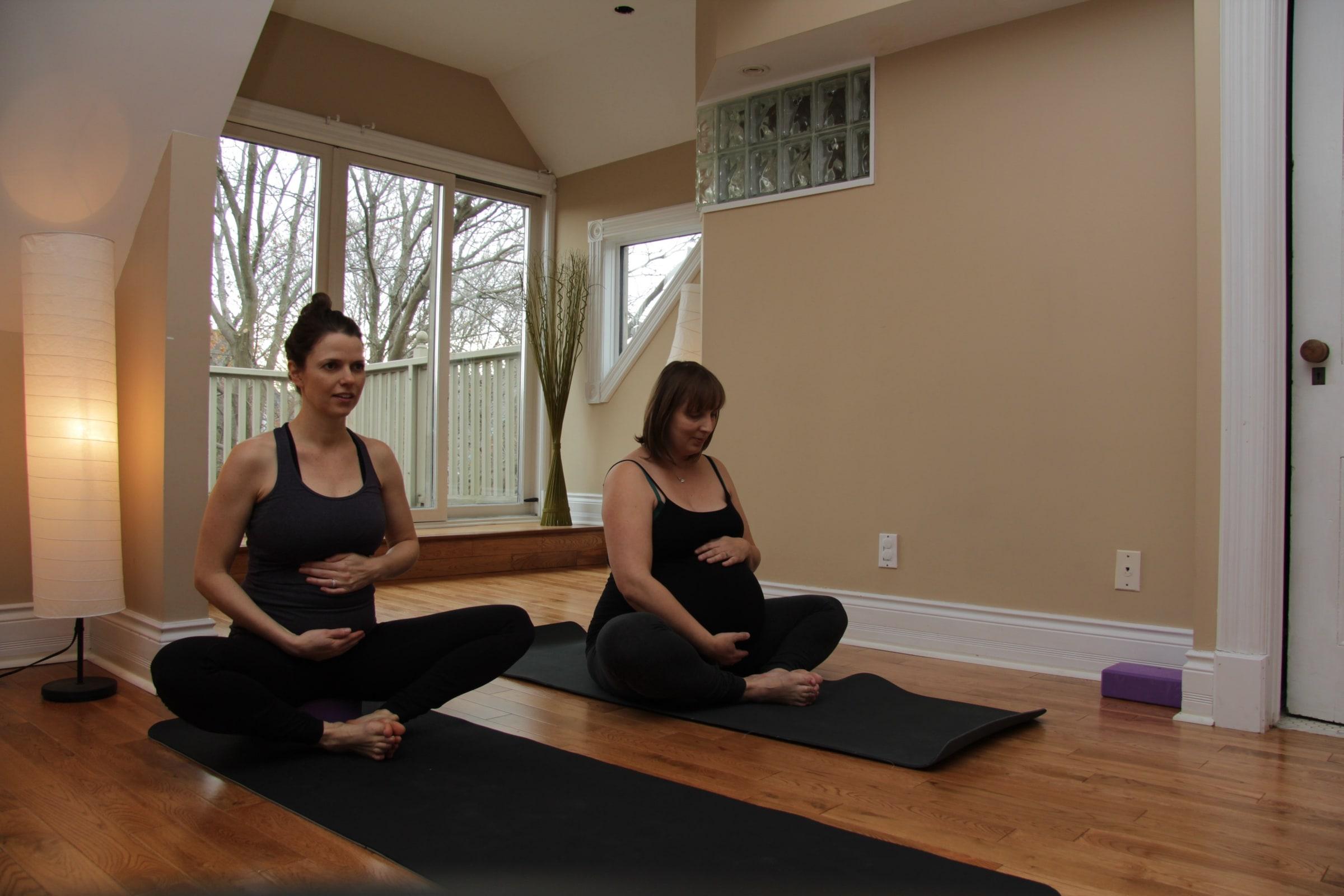
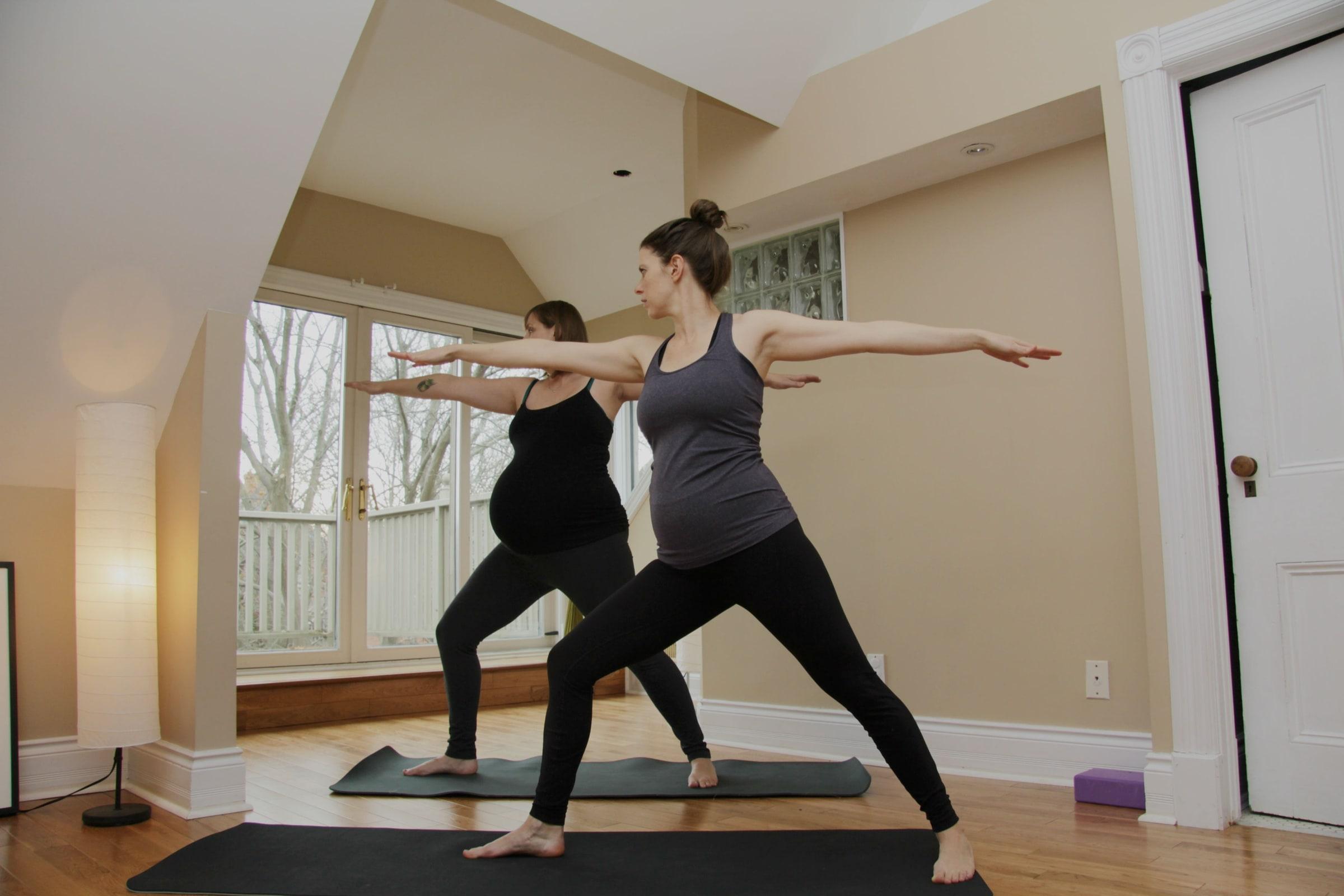
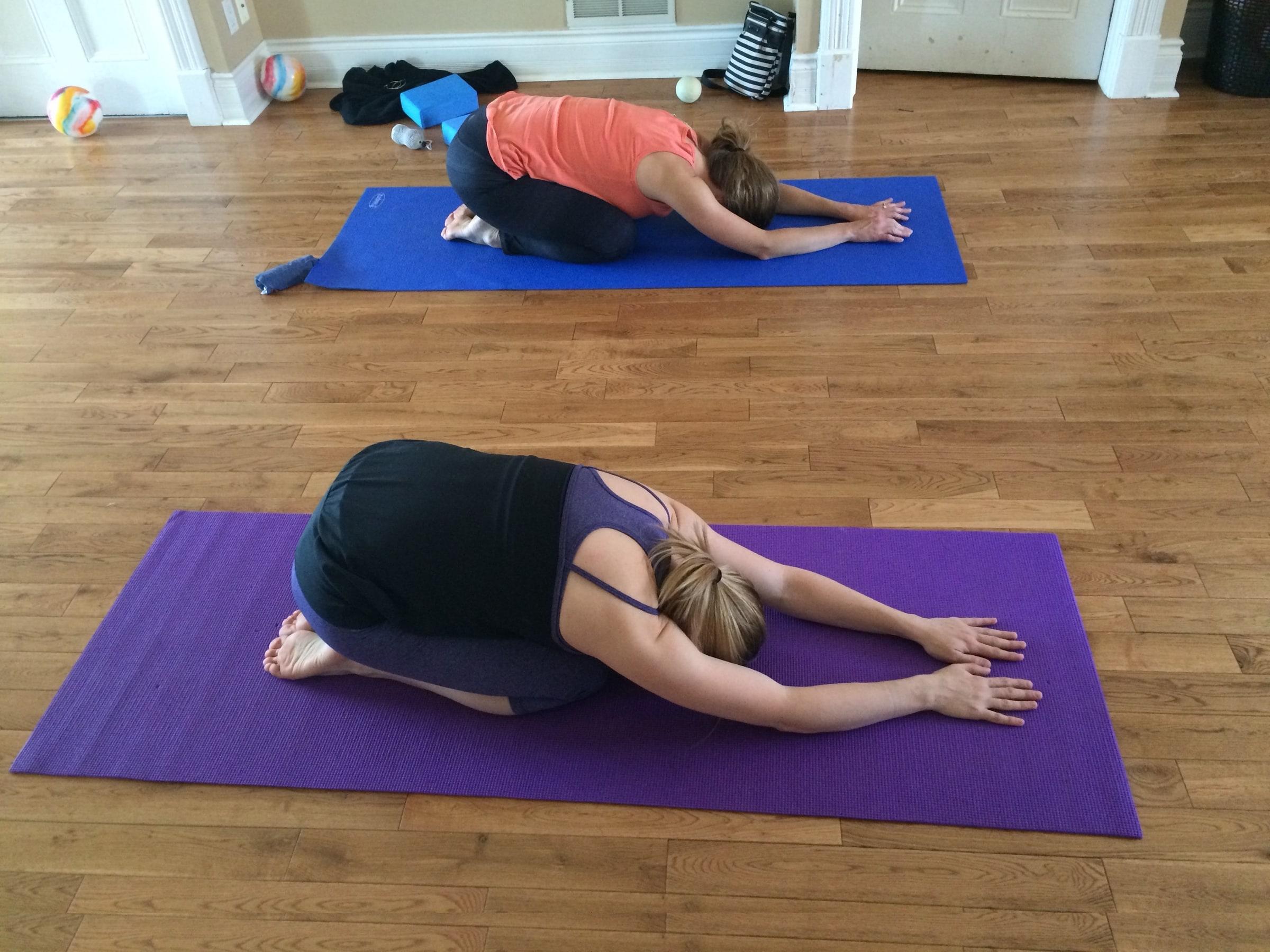
- Prenatal PhysioYoga classes at Centretown, taught by Shelagh and Roma, who are physiotherapists and certified yoga instructors.
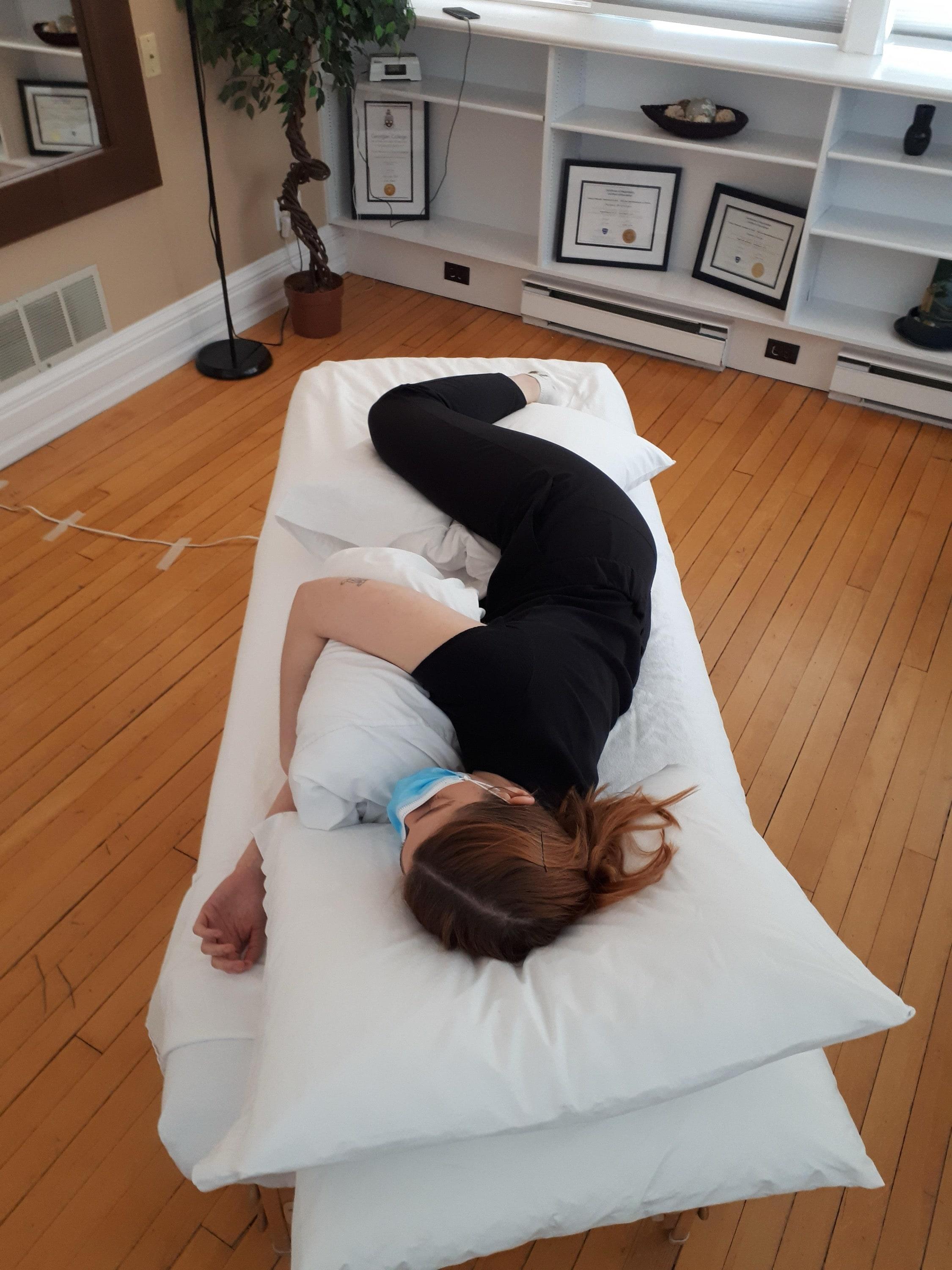
- Prenatal massage therapy with our RMTs, positioned so you're supported and comfortable.
Pregnancy Pain We Assess and Treat
Low Back Pain in Pregnancy
Pelvic Girdle Pain
Pubic Symphysis Pain (SPD)
Sacroiliac (SI) Joint Pain
Sciatica in Pregnancy
Carpal Tunnel in Pregnancy
How Long Does Pregnancy Pain Last?
It depends on which structure is involved, how early you start care and how the rest of your pregnancy goes. Pain may ease over a handful of visits. It can also need managing right through to delivery, and then the goal is keeping you moving, working and sleeping as comfortably as possible.
Pelvic and back pain often settles in the weeks after birth, though it doesn't always. If it's still there once the baby arrives, the same physiotherapists can carry on with postpartum recovery, so you don't have to start over with someone new.
Common Questions About Pain in Pregnancy
Is physiotherapy safe while I'm pregnant?
Do I need a referral to see a physiotherapist?
Is prenatal physiotherapy or massage covered by insurance?
How far along should I be before I book?
Should I wait until after the baby is born?
Book a Prenatal Assessment in Ottawa
Start with a 60-minute assessment with one of our pelvic health physiotherapists at Centretown or Carleton Place, and leave with a plan for the rest of your pregnancy.