Postpartum Recovery Treatment in Ottawa
Pelvic health physiotherapy for leaking, abdominal separation, back pain and getting back to exercise after birth, with a postpartum yoga class to keep you moving.
- 4.9 from 368 Google reviews
- Appointments until 8pm on weekdays
- Weekend appointments
- 75 min
- One-on-one postpartum assessment with a pelvic health physiotherapist
- Since 2016
- Serving Ottawa
What Postpartum Recovery Involves
Postpartum recovery is the stretch of months after birth when your body rebuilds what pregnancy and delivery asked of it. At Integrate Healthcare Collective in Ottawa, we approach it through physiotherapy, and the work centres on three areas.
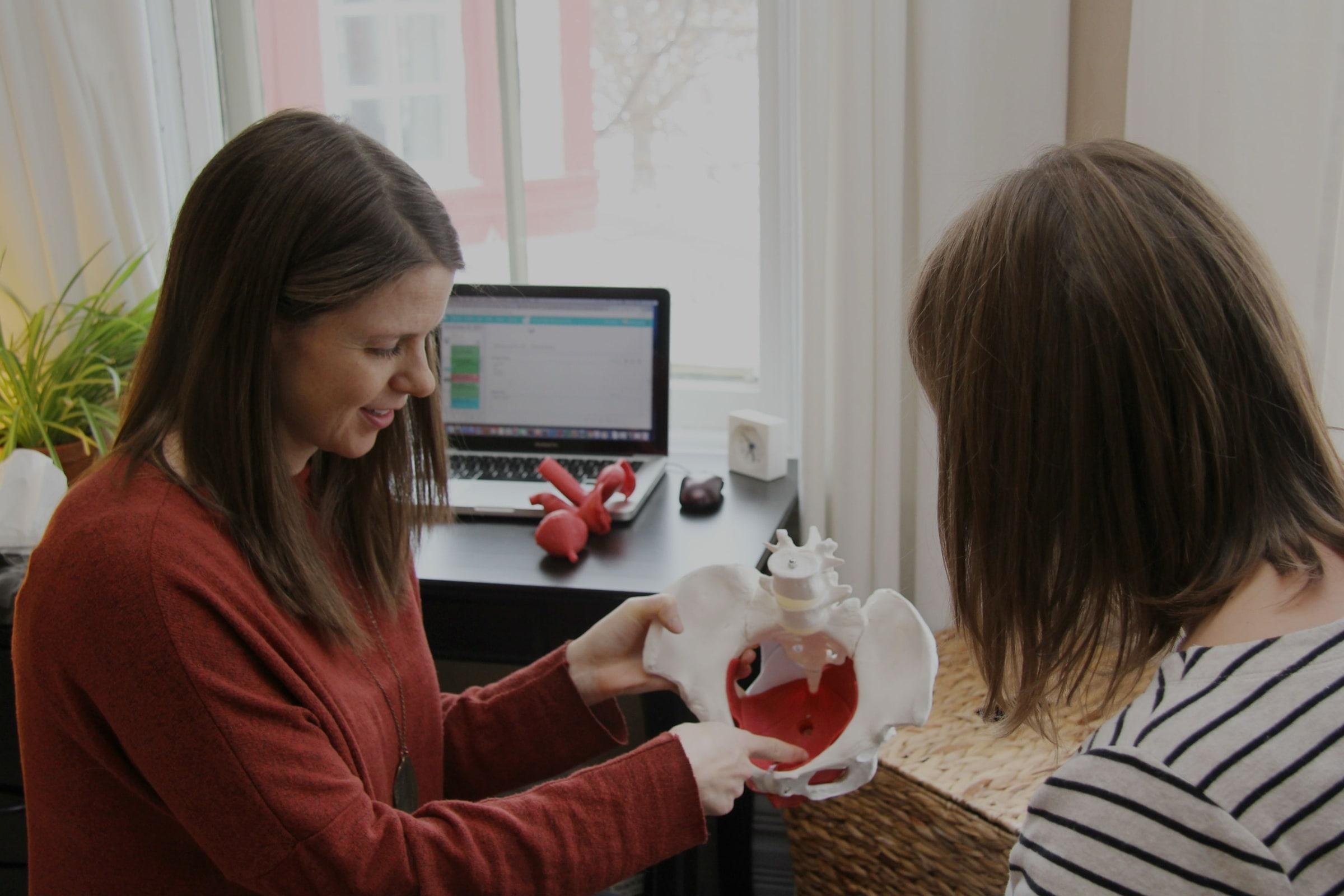
Your pelvic floor is the group of muscles slung across the bottom of your pelvis. It supports your bladder, bowel and uterus, and it helps you stay dry when you cough or lift. Pregnancy loads it for months. A vaginal birth stretches it further.
Your abdominal wall stretches to make room for the baby. The two long strips of the rectus abdominis (the 'six-pack' muscles) are joined down the middle by a band of connective tissue called the linea alba. When that band thins and widens, the gap is called diastasis recti, or abdominal separation. Some separation during pregnancy is normal. After birth, the question is how well that tissue regains its tension.
Your back and hips carry the change too. First came a shifted centre of gravity in pregnancy, then hours of feeding, lifting a car seat and rocking a baby to sleep.
What Postpartum Changes Can Feel Like
Leaking urine when you cough, sneeze, laugh or jump is one of the clearest signs your pelvic floor needs help. A sudden urge you can't hold until you reach the bathroom is another. Both are forms of urinary incontinence, and pelvic floor training may help with each.
Abdominal separation can show up as a ridge or dome along the middle of your tummy when you sit up from lying down. Your core may feel weak or disconnected, as if lifting the baby takes more out of you than it should.
A feeling of heaviness or dragging in the vagina, often worse by evening or after a long walk, is worth getting checked.
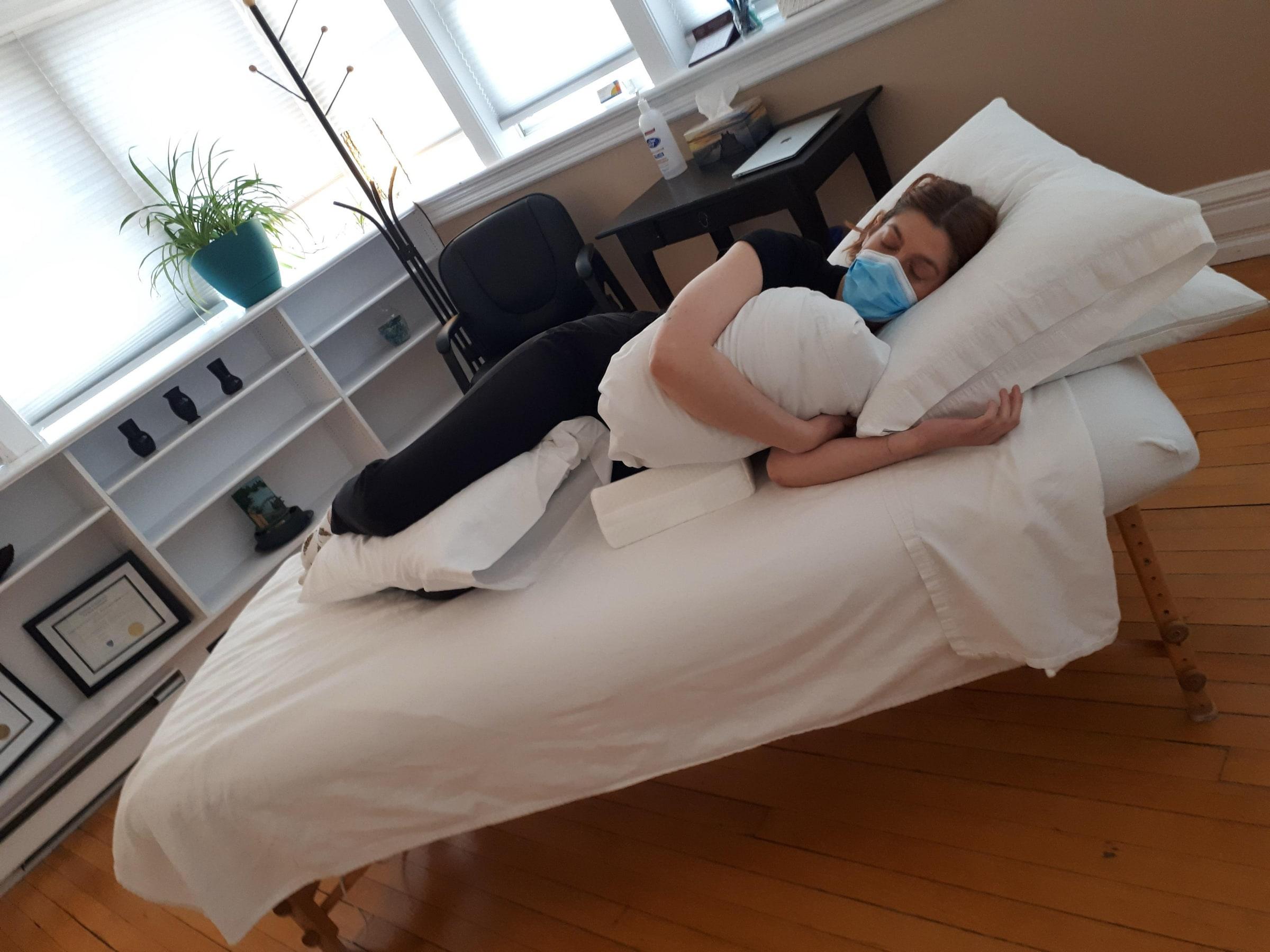
Then there's the ache. Low back pain from feeding positions and carrying is common after birth, along with pain at the front of the pelvis and a sore neck from looking down at a feeding baby.
How Serious Are Postpartum Symptoms?
Mild symptoms look like a small leak with a big sneeze, a slight dome when you sit up, or back stiffness that eases once you're moving. They're worth treating, and they're a good place to start.
Moderate symptoms get in the way of your day: leaking when you walk or lift, a gap wide enough that your core feels unreliable, or heaviness that makes you want to lie down. Physiotherapy can still play a part, and it helps to know your starting point.
Some signs need your doctor or midwife first, or emergency care. Heavy bleeding, fever, a wound that's red or weeping, severe pain, a swollen and painful calf, chest pain or trouble breathing all belong in that group. A bulge you can see or feel at the vaginal opening also deserves a medical check, alongside physiotherapy for pelvic organ prolapse. If anything we find at an assessment needs a doctor's eyes, we'll tell you and refer you.
Postpartum Problems We Assess
Diastasis Recti (abdominal Separation)
Leaking When You Cough, Sneeze or Jump
Urgency and Frequent Trips to the Bathroom
Pelvic Floor Weakness After Birth
Heaviness or Pelvic Organ Prolapse
Low Back Pain from Feeding and Carrying
Returning to Running, Lifting or the Gym
What Causes Postpartum Pelvic Floor and Core Problems?
Months of a growing baby put steady load on your pelvic floor and stretch your abdominal wall. Pregnancy hormones also soften connective tissue so your body can make room, which leaves the linea alba less able to hold tension for a while.
A vaginal birth stretches the pelvic floor muscles and the nerves that supply them. A tear or an assisted delivery can add to that. A caesarean birth spares the pelvic floor the stretch of delivery, but the pregnancy still loaded it, and your abdominal wall has a surgical scar to heal around.
Life with a newborn brings its own strain: broken sleep, lifting, feeding positions held for long stretches, and a car seat on one arm. None of this means something is wrong with you. It means your body has worked hard, and some parts may need targeted help to catch up. That's true after a first baby or a third, and whether birth was last month or years ago.
How We Assess Postpartum Recovery
Your first visit is a 75-minute postpartum physiotherapy assessment with one of our pelvic health physiotherapists. Here's what it covers.
- 1
Your Story
We talk through your pregnancy and birth, how feeding and sleep are going, what's bothering you, and what you want to get back to, whether that's carrying a toddler up the stairs or running again. - 2
How You Move
Your physiotherapist watches how you breathe, bend, lift and get up from the floor, and checks your back and hips for anything adding to the strain. - 3
Your Abdominal Wall
With you lying down, we feel along the linea alba to measure any gap and check how much tension the tissue holds when you lift your head. - 4
Your Pelvic Floor
An internal pelvic floor exam may be suggested, as it's the clearest way to check strength and relaxation. It's explained first, it's your choice, and there are other ways to assess if you'd rather not. - 5
Your Plan
We explain what we found in plain terms, show you your first home exercises, and agree on how often to come back.
What Postpartum Treatment Looks Like
Treatment through pelvic health physiotherapy starts where you are today and builds from there.
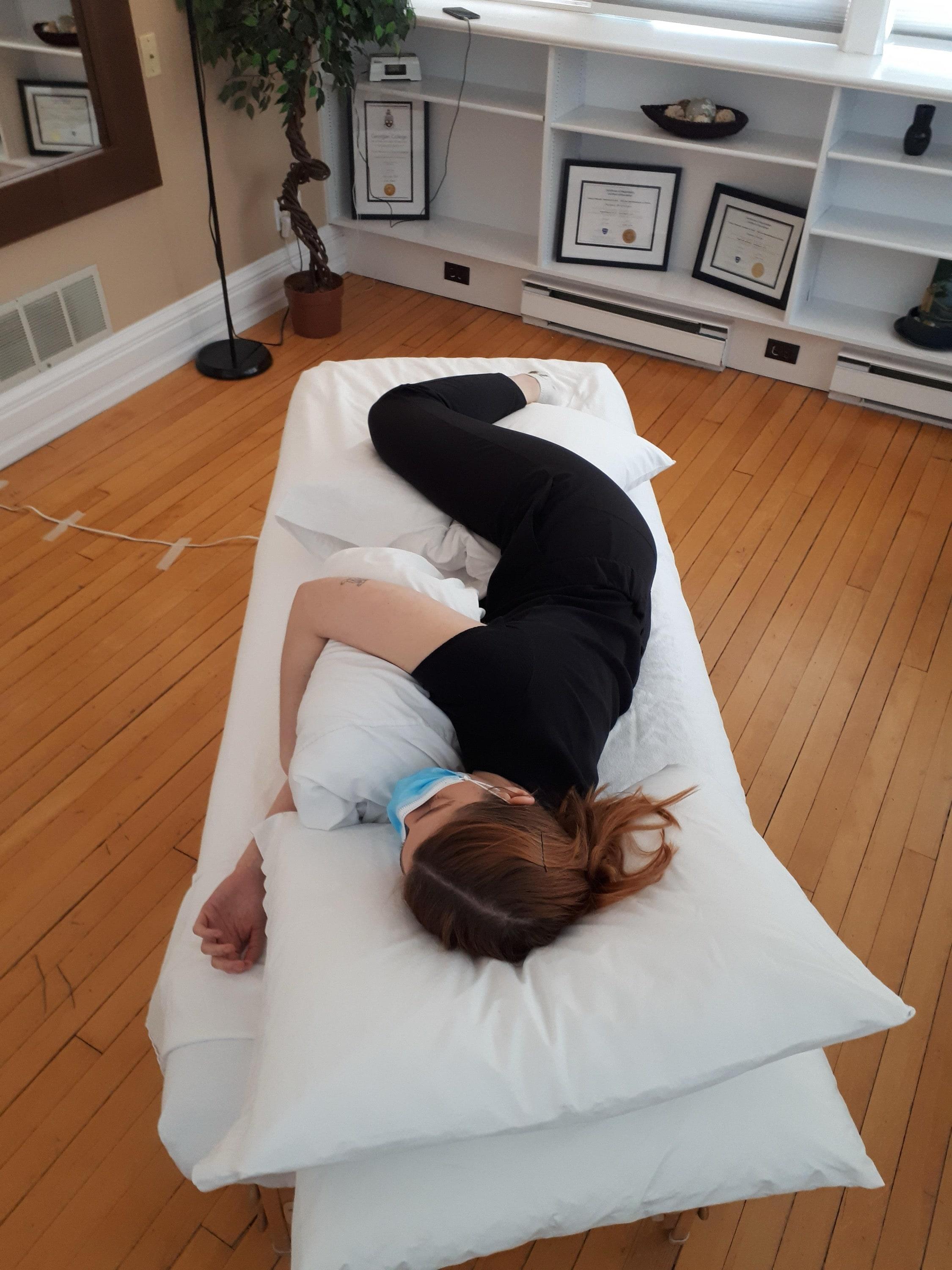
- Early phase: breathing, gentle pelvic floor and deep abdominal work, learning to contract and fully relax those muscles, and easier ways to lift, feed and get out of bed.
- Building phase: load added step by step so your pelvic floor and core can handle squats, carrying and lifting without leaking or doming.
- Return to exercise: a staged plan back to running, the gym or sport, adjusted to how your body responds.
Between visits you'll have home exercises that fit around naps and feeds. You'd see Shelagh Haynes, Roma Paliga or Drashti Chauhan, registered physiotherapists who each offer postpartum assessments.
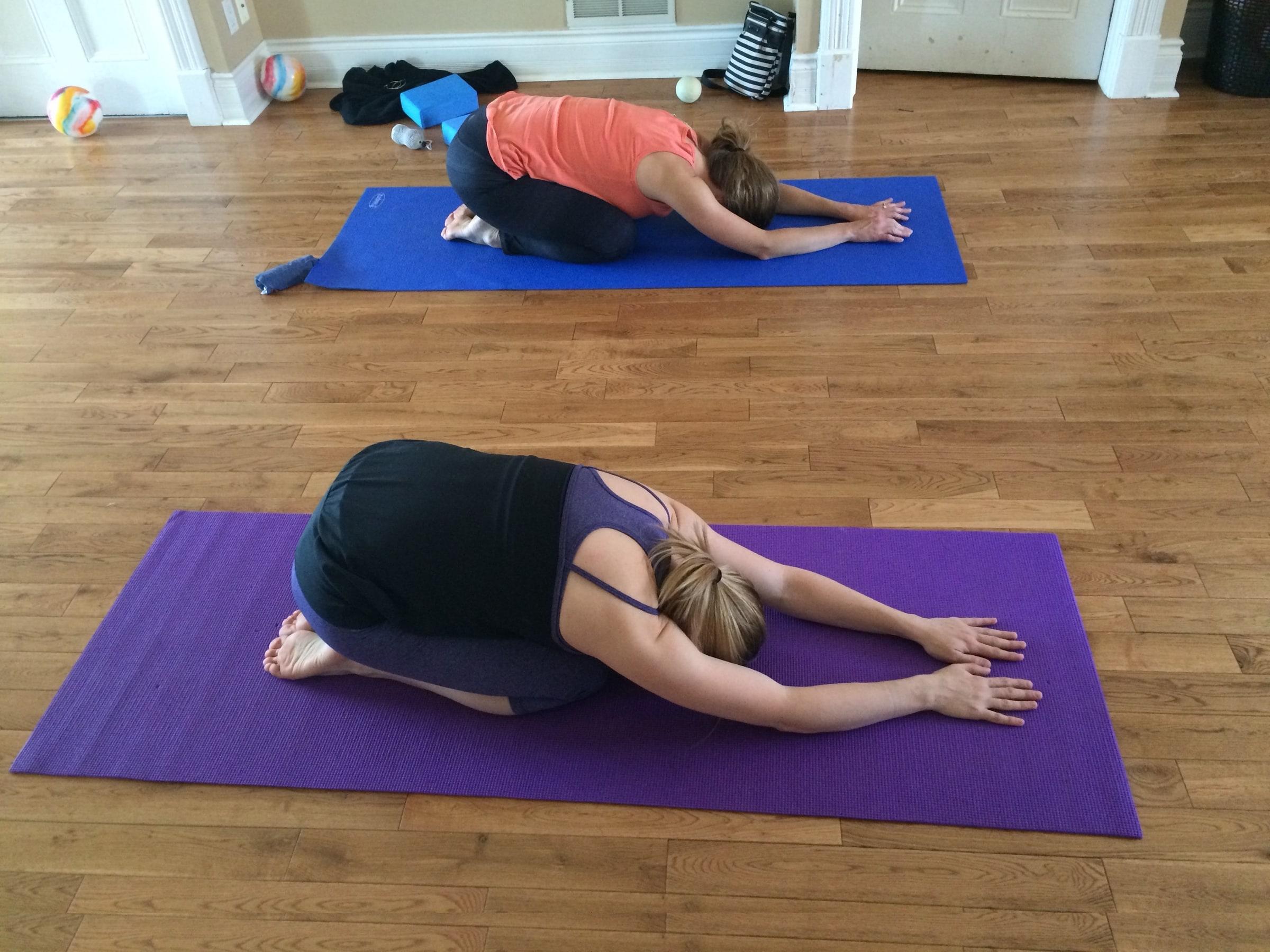
Our postpartum PhysioYoga class is held at our Centretown clinic in Ottawa, and your baby is welcome when you need to bring them. Integrative care. The physiotherapist who assessed your pelvic floor can point you to a class built around the same recovery, so the work carries on between appointments.
How Long Does Postpartum Recovery Take?
It depends on what we find and what you're aiming for. Muscle strength builds over weeks, not days, so pelvic floor and core programs usually last a few months before you can judge how they're working. A mild leak may settle sooner. A wider abdominal gap, a goal like running, or symptoms that have hung around for years can take longer.
Several things move the timeline: how your birth went, how much sleep you're getting, whether you can fit in your home exercises most days, and whether feeding and carrying keep loading the sore spots. We recheck at each follow-up and adjust the plan, and we'll talk through what we're seeing so you know where you stand.
Common Questions About Postpartum Recovery
How soon after birth can I book a postpartum assessment?
Do I need a referral to see a pelvic health physiotherapist?
Is postpartum physiotherapy covered by insurance?
Is it too late if my baby is already a few years old?
Can I bring my baby?
Book a Postpartum Assessment in Ottawa
A 75-minute assessment with a pelvic health physiotherapist is the place to start. We'll look at your pelvic floor, core and back, then build a plan that fits life with a new baby.