Pelvic Organ Prolapse Treatment in Ottawa
That heavy, dragging feeling has a cause you can understand. A pelvic health physiotherapy assessment shows what's going on, and pelvic floor training may help ease the symptoms.
- 4.9 from 368 Google reviews
- Appointments until 8pm on weekdays
- Weekend appointments
What Is Pelvic Organ Prolapse?
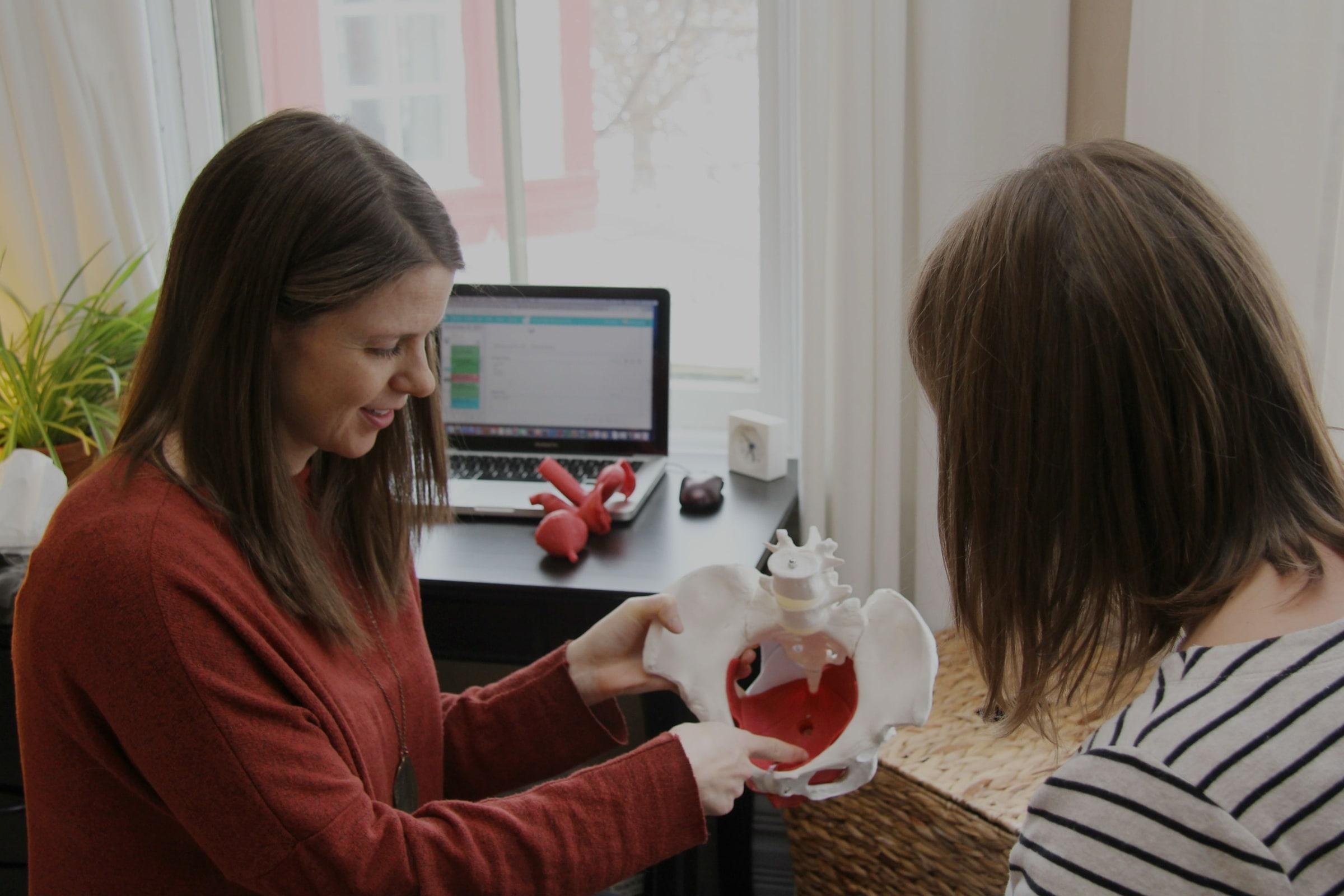
Pelvic organ prolapse is when one of the organs in your pelvis (the bladder, uterus or rectum) drops lower than it should and presses into the wall of the vagina. Those organs are held up by the pelvic floor muscles and by ligaments and connective tissue. When that support stretches or weakens, an organ can sag downward.
Your doctor's note or scan report may use a more specific name. A cystocele is the bladder pressing into the front wall of the vagina. A rectocele is the rectum pressing into the back wall. Uterine prolapse means the uterus has moved down into the vaginal canal. After a hysterectomy, the top of the vagina itself can descend, and that's called vault prolapse.
Prolapse often shows up after childbirth or with age. It's a recognized, treatable concern, and pelvic health physiotherapy in Ottawa is one place to start working on it.
What Does Prolapse Feel Like?
The most recognizable sign is a feeling of heaviness or dragging low in the pelvis. Some describe it as sitting on a small ball. You might feel or see a bulge at the vaginal opening, especially in the shower or after a long day.
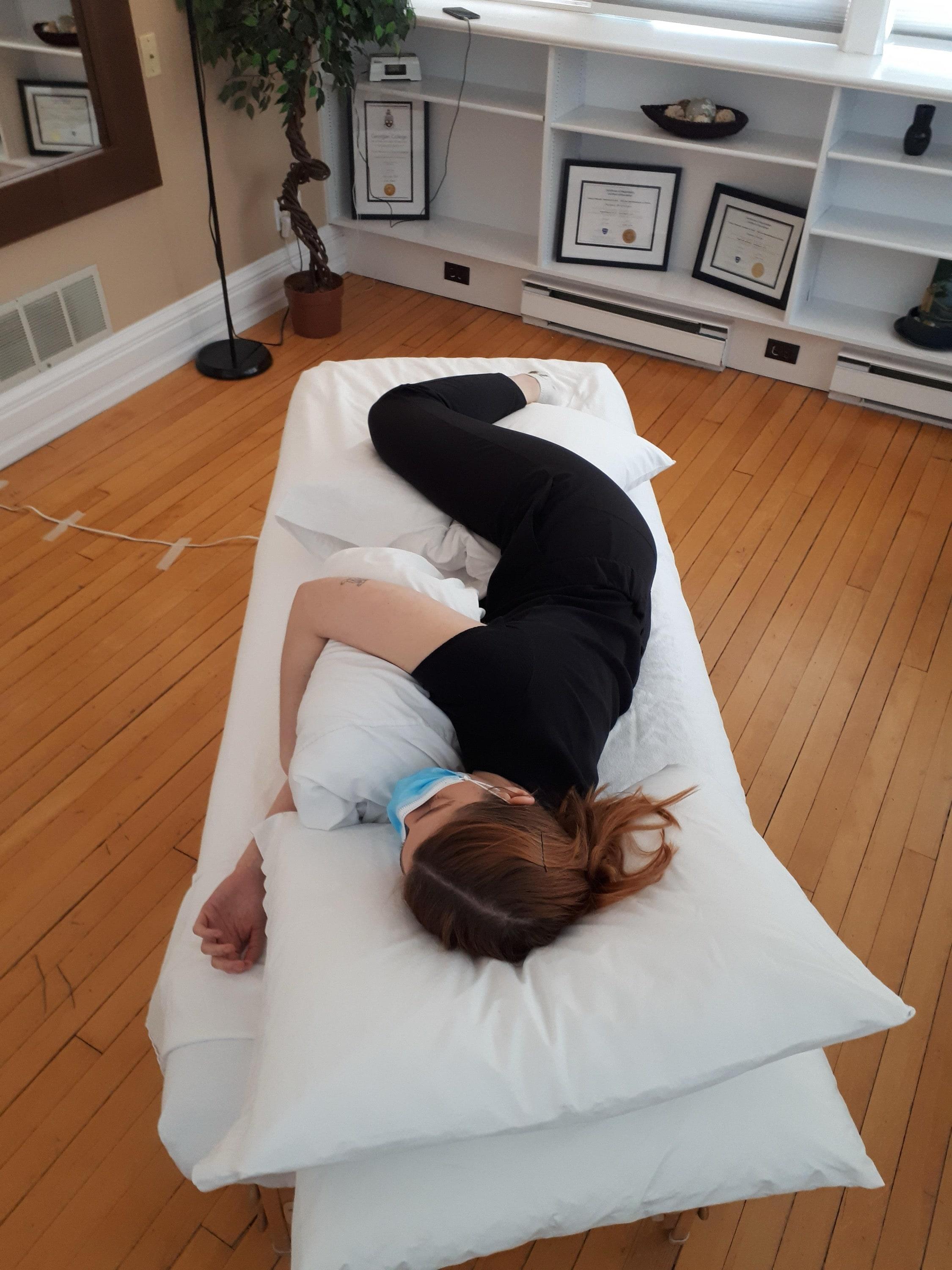
Symptoms tend to build as the day goes on. Standing for hours, lifting a toddler or a heavy box, or a long walk can make the pressure worse. Lying down usually eases it, which is why mornings can feel better than evenings.
Prolapse can also change how your bladder and bowel behave. You may find it hard to empty fully, need to change position or press near the vagina to finish a bowel movement, or notice leaking. Leaking when you cough, laugh or jump can sit alongside prolapse, and urinary incontinence is assessed in the same visit. Discomfort during sex and a low backache are other signs worth mentioning.
How Serious Is It, and When Should You See a Doctor?
What Causes Pelvic Organ Prolapse?
Prolapse happens when the load on the pelvic floor outweighs the support holding the organs up. The biggest single factor is vaginal birth. A long pushing stage, a larger baby or an assisted delivery with forceps can stretch the muscles and connective tissue. If you've had a baby recently, prolapse is one part of postpartum recovery worth checking.
Age and hormones play a part too. Lower estrogen around menopause can make the tissues thinner and less springy, so a prolapse that never bothered you can become noticeable later in life.
Anything that pushes down on the pelvic floor again and again adds to it: straining with ongoing constipation, a long-term cough, frequent heavy lifting, or carrying extra body weight. A previous hysterectomy and the connective tissue you were born with can also make prolapse more likely.
How We Assess Prolapse
The assessment is private, explained as it goes, and you decide what's included.
- 1
A Conversation First
Your physiotherapist asks about your symptoms, any pregnancies and births, how your bladder and bowel are behaving, the activities that bring the pressure on, and what you want to get back to. - 2
Breathing, Posture and Movement
We look at how you breathe, stand and lift, because the way pressure moves through your trunk affects how much load lands on the pelvic floor. - 3
Pelvic Floor Examination
With your consent, this may include an internal exam to check muscle strength, coordination and how well the organs are supported. Your physiotherapist explains each step first. You can decline or stop at any point, and there are external options. - 4
A Plan You Agree On
We explain what we found in plain terms, talk through your options and agree on a plan together, including whether you'd benefit from seeing a physician as well.
What Treatment Looks Like
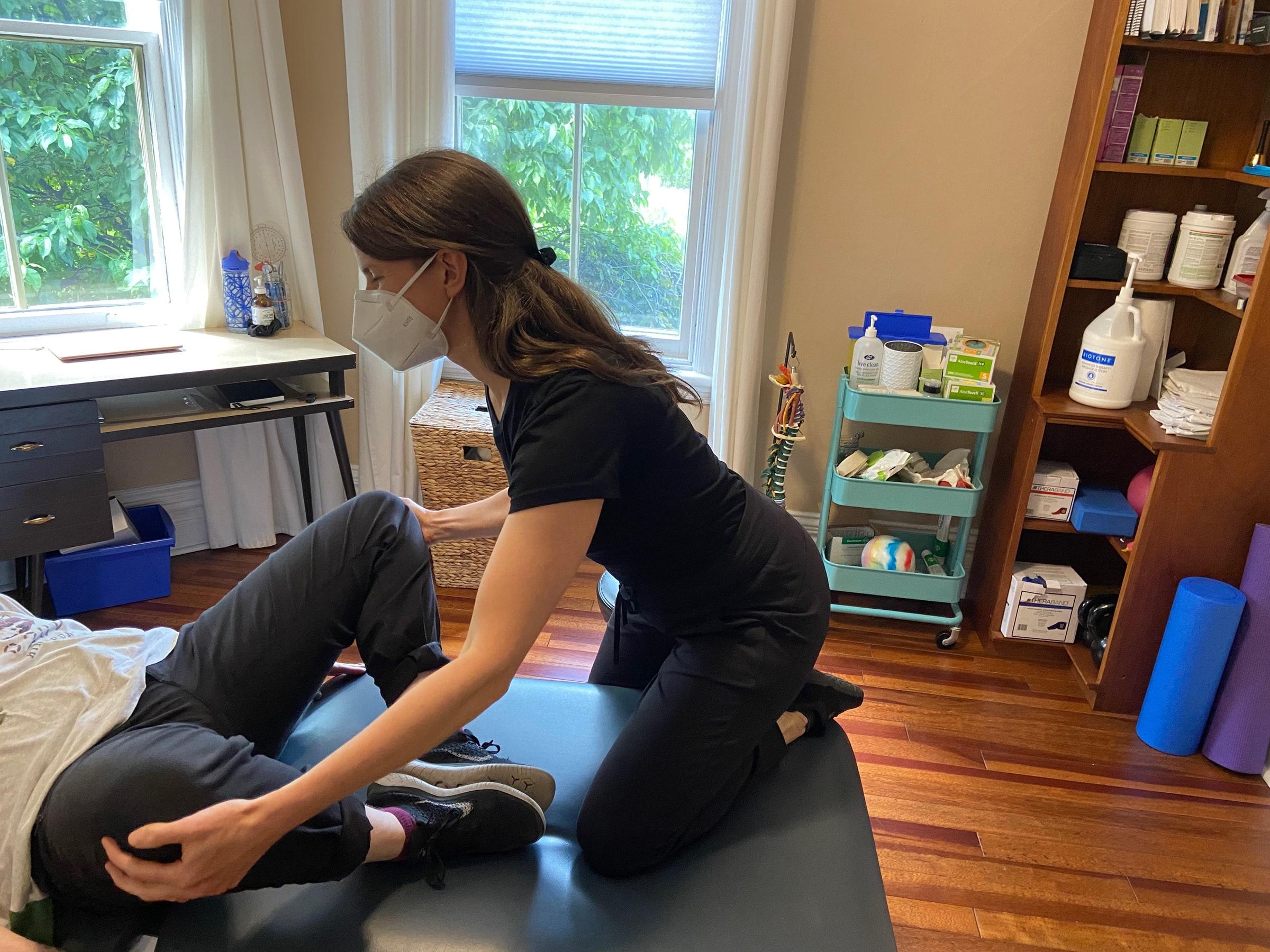
Treatment centres on pelvic health physiotherapy, with exercise you can do at home between visits. Training the pelvic floor may help it hold the organs up better and reduce the heaviness you feel.
- Early on: learning to find and contract the pelvic floor correctly, then timing that contraction before a cough, sneeze or lift.
- Day to day: bladder and bowel habits that cut down straining, such as a footstool on the toilet, and lifting strategies that spread the load.
- Later: building strength and endurance so you can return to running, lifting or the gym with a plan that suits your body.
Your home program is short and specific, and it's adjusted at each visit as your strength and symptoms change. Care with us in Ottawa can also bring in other members of the team when it fits your situation.
How Long Does Recovery Take?
Pelvic floor muscles change slowly, so progress is usually measured in months rather than weeks. How quickly things shift depends on how severe the prolapse is, how long you've had it, your starting strength, where you're hormonally (recently postpartum or past menopause), and how regularly you do your home exercises.
Some people find their symptoms ease enough to get back to the things they'd been avoiding. Others still benefit from a pessary or a surgical opinion, and physiotherapy can help before and after surgery too. Your physiotherapist will reassess at each visit and tell you how things are tracking.
Related Pelvic Health Concerns
Urinary Incontinence
Postpartum Recovery
Pregnancy-Related Pain
Pelvic Floor Changes After Menopause
Low Back Pain
Common Questions About Pelvic Organ Prolapse
Do I need a doctor's referral to see a pelvic health physiotherapist?
Is pelvic health physiotherapy covered by insurance?
Can prolapse get worse if I leave it?
How soon after having a baby can I book?
Book Pelvic Organ Prolapse Treatment in Ottawa
If heaviness or a bulge is holding you back, a pelvic health assessment is a calm, private place to start. Book online and choose a time that works for you.