Elbow Pain Treatment in Ottawa
Tennis elbow, golfer's elbow and the ache that shows up every time you pick up a kettle. We'll find out which part of the elbow is sore and build a plan around it.
- 4.9 from 368 Google reviews
- Appointments until 8pm on weekdays
- Weekend appointments
- Shockwave
- Offered at our Centretown clinic for elbow tendon pain that hasn't settled
- Since 2016
- Serving Ottawa
What Is Tennis Elbow and Golfer's Elbow?
Elbow pain treatment in Ottawa starts with working out which part of the elbow is sore. Two common sources are tennis elbow and golfer's elbow, and you don't need a racquet or a club to get either one.
Tennis elbow (lateral epicondylalgia) involves the tendons that attach your wrist and finger extensor muscles to the bony bump on the outside of the elbow. Golfer's elbow (medial epicondylalgia) is the same type of problem on the inside, where the muscles that bend your wrist and fingers attach. A scan report or a note from a doctor may call it tendinopathy, tendinosis or epicondylitis. All three describe a tendon that's been asked to handle more than it currently can, and has become irritated and sensitive to load.
Not all elbow pain is a tendon. It can come from the joint itself, from a nerve irritated at the elbow, or from a nerve irritated higher up in the neck that sends pain down the arm. Telling these apart is the first job of an assessment.
What Does Tennis or Golfer's Elbow Feel Like?
Tennis elbow usually hurts on the outside of the elbow, right over the bony point, and the ache can spread down the back of the forearm. Golfer's elbow sits on the inside and can run toward the palm side of the forearm.
The giveaway is grip. Pouring from a full kettle, turning a stiff doorknob, shaking hands or lifting a coffee mug with your arm straight can all set it off. Your grip may feel weaker than it should. Some people notice it most with a mouse or a hammer.
Morning stiffness is common, and so is a deep ache after a busy day of using your hands. Pressing on the sore spot is usually tender. Pins and needles into the ring and little fingers, or numbness in the hand, point more toward a nerve, which changes the plan.
How Serious Is My Elbow Pain?
Mild elbow tendon pain shows up during or after a demanding task and settles with rest. You can still work, cook and carry groceries, you notice it.
Moderate pain lingers after activity, wakes you if you lean on the arm, and starts to change how you do things: switching hands, avoiding certain jars, putting the mug down sooner. Severe cases hurt with light tasks like holding a phone or a fork, and grip strength drops noticeably. Pain in both elbows at once can happen too, often when both arms do the same repetitive work.
Some signs belong with a doctor first. See your family doctor or urgent care if the elbow swelled quickly after a fall, looks misshapen, won't fully bend or straighten, or is hot and red, especially with a fever. The same goes for numbness or weakness in the hand that's getting worse. Tendon pain on its own rarely needs a scan, and if your assessment raises a question that imaging could answer, we'll tell you and point you to the right person.
What Causes It and Who Gets It?
Tendons adapt to the work you give them, slowly. Trouble tends to start when the load jumps faster than the tendon can keep up: a weekend of renovating, a move, a new job with more lifting, a busy stretch of typing, or a new racquet sport like pickleball.
It can show up in tradespeople who grip tools all day, in office workers on a mouse, in parents lifting car seats, and in climbers, golfers and tennis players. Age plays a part, as tendons become less forgiving through middle age. Smoking and some health conditions can slow tendon healing as well.
Sometimes the elbow is working harder because something above it isn't moving well. A stiff or sore shoulder can shift effort down the arm, so we check it as part of the picture.
How We Assess Elbow Pain
The aim of the first visit is to find what's sore, what's driving it, and what you need to get back to doing.
- 1
Talk Through Your Story
When it started, what you were doing more of, which tasks hurt, and what you've tried already. Your work and hobbies matter here. - 2
Test the Tendons
We press on the sore spots, test grip strength, and resist wrist and finger movements to see which tendon reproduces your pain. - 3
Check the Neighbours
Your neck, shoulder and the nerves running down the arm get checked too, so a referred problem isn't mistaken for a tendon. - 4
Explain and Plan Together
You'll hear what we found in plain terms, the options that fit, and what you can do at home. If something needs a doctor, we'll say so.
What Treatment Looks Like for Tennis and Golfer's Elbow
Early on, the goal is to calm the tendon down without stopping you from using the arm. That can mean changing how you grip, lifting with your palm up instead of down, adjusting your desk or tools for a while, and finding a level of activity the elbow tolerates.
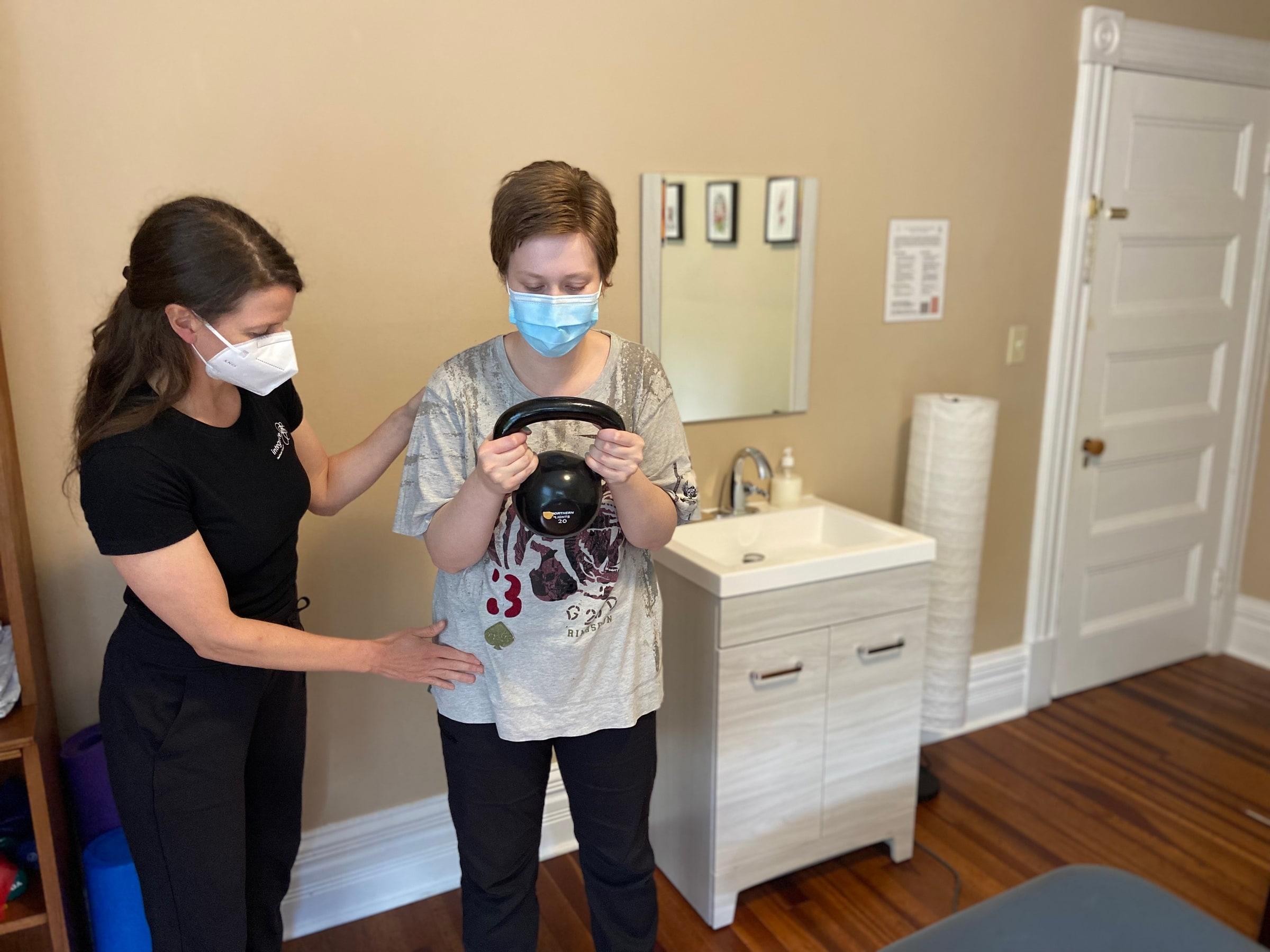
Once it settles, the focus moves to load. Tendons tend to respond to gradual strengthening, so your exercises build week by week until the arm can handle the work you need it for. The tools we use along the way include:
- Exercise-based physiotherapy to rebuild strength in the forearm, wrist and shoulder, progressed as your symptoms allow.
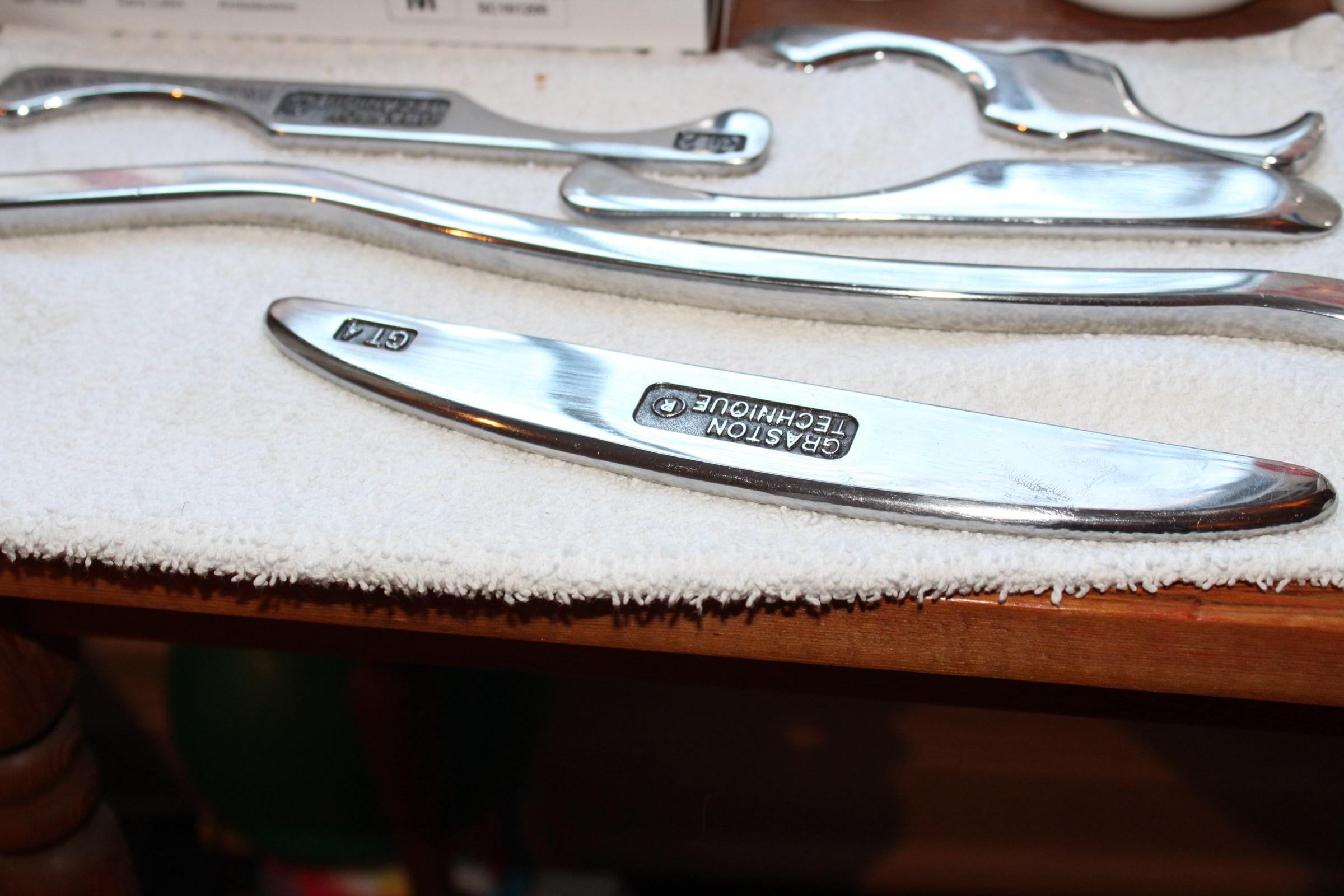
- Hands-on soft tissue work, including Active Release Technique from our chiropractors, which may help ease tight forearm muscles and make movement more comfortable.
- Dry needling, and shockwave therapy at our Centretown clinic, for tendon pain that hasn't settled with exercise and rest alone.
You don't have to choose between professions. Your physiotherapist and chiropractor can share what they're seeing and agree on one plan, which is what we mean by a collaborative team. Between visits, you'll have a short set of exercises and a clear idea of which tasks to ease off and which to keep doing.
Related Problems We Check Alongside Elbow Pain
Tennis Elbow
Golfer's Elbow
Forearm and Wrist Tendon Pain
Neck Pain with Arm Symptoms
Shoulder Pain
Ulnar Nerve Irritation at the Elbow
How Long Does Elbow Tendon Pain Take to Settle?
It depends on how long it's been building and how much the arm has to do. A recent flare from one heavy weekend may ease within weeks once the load comes down. Tendon pain that's been grumbling for a long time usually takes longer, often months, because the tendon needs time to rebuild its capacity.
A few things tend to move the timeline. Daily work that keeps loading the same tendon can slow progress. So can skipping the strengthening once the pain eases, which is a common route back to a flare. Sleep, overall health and smoking all play a part as well.
We'll reassess as you go and adjust the plan if progress stalls. If it doesn't improve the way we'd expect, we'll talk through other options with you, including a referral back to your doctor.
Common Questions About Elbow Pain
Should I wear a tennis elbow strap or brace?
Should I stop using my arm?
Do I need a referral to book?
Is elbow pain treatment covered by insurance?
What if my elbow pain doesn't improve?
Book Elbow Pain Treatment in Ottawa
Book a physiotherapy or chiropractic assessment at any of our Ottawa clinics. Shockwave therapy is available at Centretown if your plan calls for it.